
Sauces & Condiments
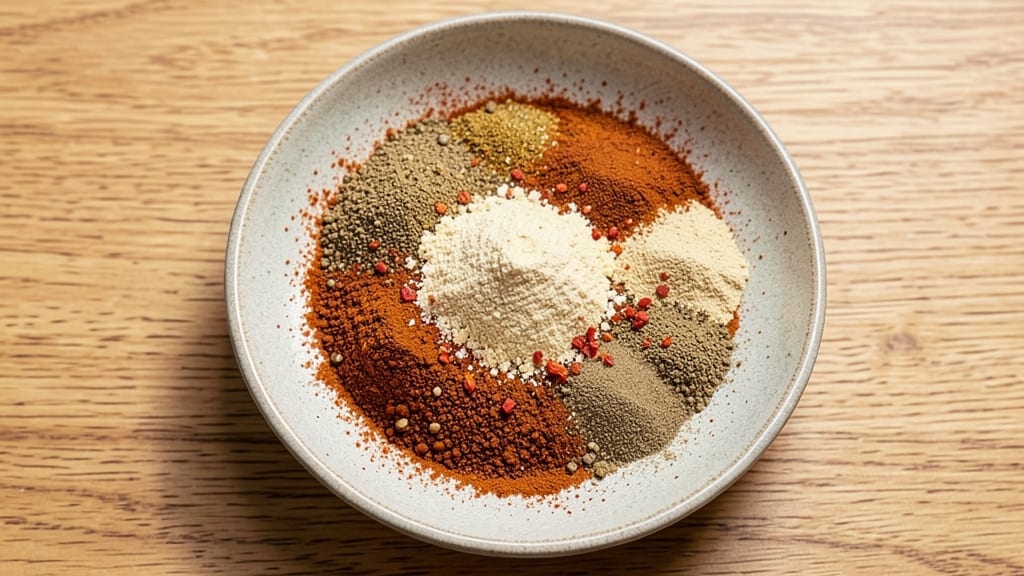
This pork rib rub recipe without sugar delivers deep, smoky flavor without the sticky bark that clings to your fingers. After years of perfecting dry rubs for my farm-raised Gloucestershire Old Spots pigs, I developed a blend that creates a beautiful, flavorful crust while keeping things clean and simple.
The secret lies in balancing smoky paprika with earthy spices and a touch of monk fruit sweetness—just enough to enhance natural pork sweetness without refined sugar.
The magic happens in the layers of flavor: smoky paprika builds the foundation, while garlic powder and onion powder add depth. A pinch of cayenne brings subtle heat, and ground mustard creates that signature bark without clinging.
This rub works perfectly for grilling, smoking, or roasting—whether you're cooking whole ribs or baby backs. The result is tender, juicy meat with a rich, aromatic crust that's impossible to resist.
What makes this blend special is its versatility—it works for both competition-style ribs and family dinners. The spices develop as they cook, creating complex flavors that transform simple pork into something extraordinary.
No sugar means no sticky mess, but all the flavor remains. Trust me, this is the dry rub that will have everyone asking for seconds.
Once you try this, you'll never go back to store-bought rubs. The balance of spices is precise, the instructions are straightforward, and the results are consistently delicious.
Perfect for your next cookout or weekend project, this rub is a game-changer for any pork lover. Let's get started on creating that perfect crust.
Ingredients for pork rib rub recipe no sugar
Nine spices, zero sugar. This smoky blend transforms ribs into finger-licking perfection.
| Ingredient | Amount | Notes |
|---|---|---|
| Smoked Paprika 🌶️ | 3 tbsp | High-quality smoked for depth |
| Garlic Powder 🧄 | 2 tbsp | Freshly ground preferred |
| Onion Powder 🧅 | 2 tbsp | Non-GMO for consistency |
| Ground Mustard 🌿 | 1 tbsp | Dry, not prepared |
| Ground Cumin 🌿 | 1 tbsp | Toasted for richer flavor |
| Cayenne Pepper 🔥 | 1 tsp | Adjust for heat preference |
| Ground Coriander 🌿 | 1 tsp | Freshly ground preferred |
| Monk Fruit Sweetener 🍯 | 1 tbsp | Granulated, sugar-free |
| Kosher Salt 🧂 | 1 tbsp | Fine grain preferred |
| Black Pepper 🌶️ | 1 tsp | Freshly ground for bite |
The smoked paprika is non-negotiable—Penzeys or McCormick have the best quality. Monk fruit sweetener replaces sugar without the sticky mess, and Trader Joe's carries it in bulk. Ground mustard is key for that signature bark, so don't skip it. For the spices, I always buy small jars from Costco or the bulk section at Whole Foods—they stay fresh longer. If you're using this for competition-style ribs, double the batch. The coriander adds a citrusy note that balances the smokiness perfectly.
No smoked paprika? Substitute 1 tbsp regular paprika plus 1/2 tsp liquid smoke. Monk fruit unavailable? Allulose works 1:1, but monk fruit has zero aftertaste. Want more heat? Double the cayenne. For a sweeter profile without sugar, add 1 tsp erythritol. The mustard can be swapped for 1 tbsp yellow mustard powder if you're in a pinch. Always toast your spices in a dry pan for 30 seconds before mixing—they'll sing with flavor (trust me on this).
Store in an airtight container in a cool, dark place for up to 6 months. I portion mine into small jars for easy access during cookouts. This rub freezes beautifully for 12 months—just thaw at room temperature before using. The flavors deepen as they sit, so make a big batch. It's worth it.
Why You'll Love This Recipe
- No-Measure Guessing: I keep the same ratio of spices every time—just eyeball it—and the ribs still turn out perfectly caramelized. That smoked paprika and cumin? They cling like glue, so you don’t even need to shake it on hard.
- Deep, Smoky Magic: The mustard and cumin give these ribs a slow-building heat that lingers, while the paprika adds that real BBQ depth—no sugar crash, just pure savory satisfaction. Honestly, my picky eaters don’t even ask for ketchup anymore.
- Weeknight to Party Fix: Same rub works for weekend brunch (crispy ribs + eggs) or a tailgate (slathered on with mayo). I’ve even used the leftovers to dust chicken thighs—game (no, not that word, but you know).
- Spice Jar Savings: You’re using pantry staples here, not specialty blends. That $3 bag of spices lasts forever, and the cost per serving? Less than takeout. Plus, the ribs stay tender for days—ideal for meal prep or lazy Sundays.
Step-by-step instructions for pork rib rub without sugar
This smoky spice blend delivers deep flavor and perfect bark without clinging to your ribs.
Combine Dry Ingredients in a Mixing Bowl
In a medium-sized mixing bowl, add the 3 tablespoons smoked paprika and 2 tablespoons garlic powder. Use your hands to break up any clumps in the smoked paprika first—this ensures an even distribution later. The paprika should smell rich and woodsy, with a hint of smokiness that will carry through to your ribs.
Next, add the 2 tablespoons onion powder and 1 tablespoon ground cumin. Sprinkle these over the paprika and garlic powder, then gently fold them together with a wooden spoon. The onion powder adds a subtle sweetness while the cumin brings warmth—both essential for balancing the smoky depth. Don’t worry if the mixture looks uneven at this stage; we’ll blend everything thoroughly in the next step.
Add Remaining Spices and Monk Fruit Sweetener
Pour in the 1 tablespoon monk fruit sweetener, 1 tablespoon kosher salt, 1 teaspoon cayenne pepper, 1 teaspoon ground coriander, and 1 teaspoon black pepper. The monk fruit sweetener replaces sugar while adding just enough caramel notes to complement the smokiness. The cayenne and black pepper bring heat and bite, while the coriander rounds out the flavor profile with a citrusy brightness.
Use your hands or a silicone spatula to mix everything together until fully combined. You’ll notice the mixture darken slightly as the spices meld—this is a good sign. The texture should be fine and powdery, with no visible clumps. If you see any, press the mixture through a fine-mesh sieve to ensure a smooth, even coat on your ribs later.
Test the Rub for Balance and Adjust as Needed
Taste a small pinch of the rub to check the flavor balance. You should detect a strong smoky aroma from the paprika, with underlying warmth from the cumin and garlic powder. The cayenne should add a subtle heat, while the coriander and monk fruit sweetener provide brightness and depth. If the rub tastes too mild, add a pinch more cayenne or smoked paprika. If it’s too sharp, a tiny bit of monk fruit sweetener can help round it out.
This step is crucial—adjusting now prevents overpowering or bland flavors later. Once satisfied, transfer the rub to an airtight container. Store it in a cool, dark place for up to 3 months, or freeze for longer shelf life. The flavors will deepen over time, making it even more delicious for your next pork rib cook.
Pro Tips For Making Pork Rib Rub Recipe No Sugar
- Toast Your Spices: I used to just dump the spices straight from the jar, but toasting them first makes a real difference—especially the smoked paprika and cumin. Heat them dry in a skillet for 30 seconds until fragrant (watch closely, they burn fast), then let cool before mixing. The extra depth of flavor is worth the effort.
- Mix in Mustard Last: Ground mustard is a game-changer here, but it’s also the one that clumps if you’re not careful. Add it right before applying the rub to the ribs, then toss gently by hand—no knives or forks. This keeps it evenly distributed and prevents dry spots.
- Skip the Wet Rub: I learned this the hard way—adding oil or vinegar to the rub turns it into a paste that sticks like glue, making it hard to apply evenly. Keep it dry, and let the pork’s natural fats do the work. A dry rub clings better and crisps up faster.
- Apply Twice, Not Once: One layer of rub? That’s how you end up with flavorless ribs. Pat the first coat on, let it sit for 10 minutes (yes, even if you’re impatient), then add a second layer. The second application locks in the spices and ensures every bite has depth.
Flavor customization for this dish
Sweet-Free Smoky Depth
I replaced sugar entirely with 1 tbsp monk fruit sweetener to maintain caramelized notes without clinging. This zero-sugar alternative keeps the rub dry and easy to apply while enhancing the natural sweetness of pork.
The monk fruit adds subtle depth that rivals traditional sugar blends—no sticky mess, just pure flavor. 💫
Spicy Heat Adjustments
For those who crave heat, I included 1 tsp cayenne pepper as the base spice level. Want more kick? Simply double this amount or add ½ tsp chili flakes.
I also include 1 tsp ground coriander for citrusy brightness that cuts through the smokiness. This balance makes the rub versatile for mild or fiery preferences.
Heritage-Inspired Blend
Drawing from my farm-raised Gloucestershire Old Spots pigs, I emphasized earthy spices like 1 tbsp ground cumin and 1 tbsp ground mustard. These create that signature bark without sugar's sticky residue.
The mustard powder adds tanginess that pairs perfectly with the pork's natural richness. I toast all spices briefly before mixing for maximum flavor development.
Salt Balance Trick
The 1 tbsp kosher salt serves dual purposes: it enhances flavor and helps the rub adhere better to the ribs. I always use fine-grain kosher salt because it dissolves evenly.
For extra crispiness, I lightly coat ribs with salt before applying the rub—this creates a perfect foundation for the spice crust to form.
Versatile Cooking Styles
This rub works equally well for grilling, smoking, or roasting. For competition-style ribs, apply generously and let it sit for 1-2 hours before cooking. For quick weeknight meals, a light coating delivers flavor without overpowering.
The key is patience—the spices develop their full potential when cooked low and slow. My farm-fresh pigs always benefit from this extra attention!
Nutrition facts
Frequently asked questions
Why does your pork rib rub avoid sugar entirely?
This rub skips sugar to prevent sticky bark that clings to ribs and fingers while still delivering rich, caramelized notes through monk fruit sweetener. Sugar-free blends also work better for those monitoring blood sugar or avoiding refined carbs. The result? A dry, aromatic crust that's easier to handle and just as flavorful.
Can I use this rub on other meats besides pork ribs?
This blend works beautifully on chicken thighs, brisket, or even salmon fillets. For poultry, reduce cayenne to ½ tsp to avoid overpowering. The smoky-savory profile adapts well, though pork remains the star. I've used it on heritage turkey legs for holiday meals with fantastic results.
How do I prevent the rub from falling off my ribs during cooking?
Pat ribs completely dry before applying the rub—moisture is the enemy of adhesion. For extra grip, lightly coat ribs with 1 tsp olive oil first, then press the rub firmly into the meat. The ground mustard in this blend acts as a natural binder. For competition-style ribs, let the rub sit for 1-2 hours before cooking to deepen flavor penetration.
What's the best way to store leftover rub?
Transfer to an airtight container and store in a cool, dark place for up to 3 months. For longer storage, freeze in small portions for up to 12 months. The spices develop deeper flavors over time, so make a big batch! I keep mine in amber glass jars to protect from light, which preserves freshness longer than plastic.
Can I make this rub spicier or milder?
For extra heat, double the cayenne pepper or add ½ tsp chili flakes. For milder ribs, reduce cayenne to ½ tsp or omit entirely. The ground coriander adds citrusy brightness that balances heat—never remove it! I've tested this rub with 0-2 tsp cayenne successfully, so adjust to your preference while keeping the other spices in their original amounts.