
Main Courses
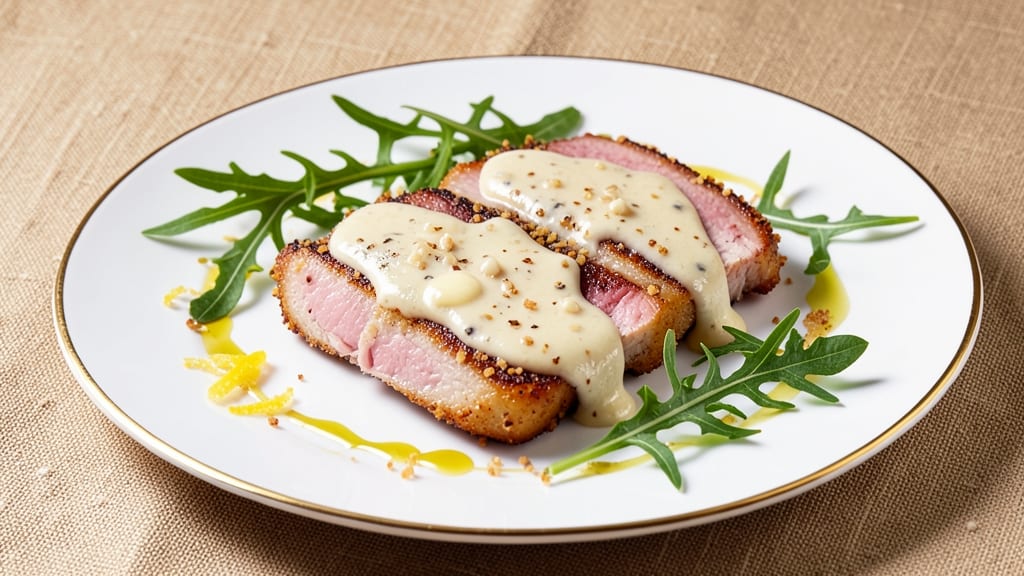
This pork scallopini recipe delivers restaurant-quality results with tender, thinly sliced pork and a velvety cream sauce that clings perfectly to every bite. Standing on a step stool in my grandmother's kitchen in Sicily, I learned how to transform simple ingredients into something extraordinary—just like this dish.
The secret lies in the precise technique of slicing the pork paper-thin and searing it quickly over high heat to maintain its delicate texture.
The creamy sauce is where the magic happens, using a blend of heavy cream, butter, and parmesan to create a rich, velvety coating. What sets this recipe apart is the crispy breadcrumb topping that adds a satisfying crunch with every bite.
This dish is designed to impress without requiring advanced skills—just patience and attention to detail during the cooking process.
By the time you serve this dish, you'll have perfectly seared pork scallopini with a creamy sauce that's both luxurious and foolproof. The breadcrumbs add a textural contrast that makes each bite exciting, while the sauce ties everything together in a harmonious blend of flavors.
This is the kind of meal that feels special enough for company but simple enough for a weeknight dinner.
Serve it over al dente pasta, creamy polenta, or with a side of roasted vegetables for a complete meal. The presentation is just as important as the taste—plate the scallopini artfully, drizzle with extra sauce, and garnish with fresh parsley for a restaurant-worthy finish. Let's get cooking!
Ingredients for pork scallopini
Simple ingredients transform into restaurant-worthy pork scallopini with velvety sauce and crispy breadcrumbs.
| Ingredient | Amount | Notes |
|---|---|---|
| Pork Tenderloin 🥩 | 1 ½ lb | Center-cut, sliced paper-thin |
| All-Purpose Flour 🌾 | ½ cup | For breading scallopini |
| Italian Seasoned Breadcrumbs 🍞 | ½ cup | Panko preferred for crispiness |
| Unsalted Butter 🧈 | ½ cup | Cold, cubed for sauce |
| Heavy Cream 🥛 | 1 cup | Full-fat for richness |
| Parmesan Cheese 🧀 | ½ cup | Freshly grated, fine |
| Garlic Cloves 🧄 | 4 cloves | Minced for sauce base |
| Shallots 🧅 | 2 whole | Thinly sliced for depth |
| Dry White Wine 🍷 | ½ cup | Sauvignon Blanc preferred |
| Chicken Stock 💧 | ½ cup | Homemade or quality brand |
| Fresh Parsley 🌿 | ¼ cup | Chopped for garnish |
| Salt 🧂 | 1 ½ tsp | Diamond Crystal preferred |
| Black Pepper 🌶️ | ½ tsp | Freshly cracked |
| Olive Oil 🫒 | 2 tbsp | For searing pork |
The pork tenderloin must be center-cut for tenderness. Ask your butcher for the leanest cut—it should be firm with minimal marbling. Slice it against the grain into paper-thin strips, about 1/8-inch thick, for that signature scallopini texture. Costco or Whole Foods carry high-quality cuts, but any reputable grocery store will have suitable options. If you can't find center-cut, trim any visible fat or silver skin before slicing. The flour for breading should be sifted to ensure even coating—King Arthur or Bob's Red Mill all-purpose flour works best for this technique.
No Italian seasoned breadcrumbs? Panko mixed with 1 tsp dried oregano and 1/4 tsp dried basil creates the same crispy texture. Substitute white wine with dry vermouth or additional chicken stock if needed—just ensure the liquid is dry. For the Parmesan, grate it yourself from a wedge; pre-shredded contains anti-caking agents that prevent proper melting. Fresh parsley can be swapped for basil or chives, but parsley's bright flavor complements the dish best. If you're short on time, frozen shallots work in a pinch, though fresh adds superior depth of flavor.
Store the breadcrumbs in an airtight container for up to 1 week, while the sliced pork should be used immediately or refrigerated for 24 hours before cooking. The sauce can be made ahead and reheated gently on the stove—it thickens as it cools, so add a splash of cream when reheating. Portion the breadcrumbs into small containers for easy access during cooking. This dish reheats beautifully, making it perfect for meal prep—just ensure the breadcrumbs are added fresh before serving to maintain crispiness.
Why You'll Love This Recipe
- Here’s what sold me: that buttery cream sauce clinging to the breaded pork while the crust stays perfectly crunchy. Honestly, it’s the kind of dish where every bite has two textures fighting for attention—and winning.
- No-Fuss Dinner: I swear by this when I’m staring at the clock at 6:30 PM. Slice the pork thin, toss in flour and breadcrumbs—that’s it—then sear and simmer. No fancy techniques, just crispy edges and tender meat that practically falls apart.
- Creamy Crisp Magic: Here’s what sold me: that buttery cream sauce clinging to the breaded pork while the crust stays perfectly crunchy. Honestly, it’s the kind of dish where every bite has two textures fighting for attention—and winning.
- Weeknight to Weekend: Between us, this feeds a crowd without stress. Double the batch for leftovers (trust me, they’ll disappear) or serve it over pasta for a fancier dinner. The same ingredients work for a quick Tuesday or a date night—just adjust the sides.
Step-by-step instructions for pork scallopini with creamy wine sauce
This method delivers perfectly seared pork cutlets with a velvety wine reduction—crispy edges and silky sauce in every bite.
Prepare the Pork Tenderloin for Even Cooking
Begin by slicing the 1.5 lb pork tenderloin into ¼-inch thick cutlets, working against the grain for maximum tenderness. Use a sharp chef's knife and keep the pieces uniform in size—they should be about 3 inches by 2 inches each. Pat each cutlet dry with paper towels to remove any surface moisture, which is critical for achieving that crispy breadcrumb crust later.
Season both sides generously with 1.5 tsp salt and 0.5 tsp black pepper, pressing the seasoning into the meat. Let the cutlets sit at room temperature for 15-20 minutes before cooking. This step ensures even cooking and prevents cold spots in the center of the pork.
Create the Breading Station for Perfect Crispiness
Set up three shallow dishes: one with the 0.5 cup all-purpose flour, one with the 0.5 cup Italian seasoned breadcrumbs (Panko preferred), and one with a beaten egg wash. Working with one cutlet at a time, dredge it first in the flour, shaking off any excess. Dip into the beaten egg, letting any drips fall back into the dish, then press firmly into the breadcrumbs, coating both sides completely.
Place the breaded cutlets on a wire rack set over a baking sheet. This allows air to circulate underneath, preventing sogginess. Let them rest for 5 minutes while you prepare the pan. This brief pause helps the breading adhere more securely, ensuring that crispy texture we're after.
Sear the Pork to Golden Perfection
Heat 2 tbsp olive oil in a large skillet over medium-high heat until shimmering but not smoking. Working in batches to avoid crowding, add the breaded cutlets and cook for 2-3 minutes per side until the breadcrumbs are deep golden brown and the pork reaches an internal temperature of 145°F. The edges should be crispy while the center remains tender.
Transfer the cooked cutlets to a warm plate and tent loosely with foil. Keep them warm in a 200°F oven while you prepare the sauce. If the cutlets release easily from the pan, they're ready. If they stick, let them cook a bit longer—this is your signal that the breading needs more time to crisp.
Build the Creamy Wine Sauce from Pan Drippings
Reduce the heat to medium and add 0.5 cup unsalted butter to the same skillet, letting it melt and foam. Add the 2 whole shallots and 4 cloves minced garlic, cooking for 2-3 minutes until softened but not browned. Pour in the 0.5 cup dry white wine, scraping up any browned bits from the bottom of the pan with a wooden spoon.
Bring the wine to a gentle simmer and let it reduce by half, which should take about 3-4 minutes. Add the 0.5 cup chicken stock and 1 cup heavy cream, then stir in the 0.5 cup freshly grated Parmesan cheese. Simmer for another 3-4 minutes until the sauce thickens slightly and coats the back of a spoon. Taste and adjust seasoning with additional salt and pepper if needed.
Finish and Serve with Fresh Herbs
Return the pork cutlets to the skillet, spooning the sauce over them and letting it heat through for 1-2 minutes. The residual heat will gently warm the sauce while keeping the pork tender. Garnish each serving with 0.25 cup chopped fresh parsley just before plating.
Serve immediately over mashed potatoes, egg noodles, or crusty bread to soak up that luscious sauce. The contrast between the crispy breadcrumbs, tender pork, and velvety wine reduction creates a harmonious balance of textures and flavors in every bite.
Pro Tips For Making Pork Scallopini
- Slice Thin, Slice Even: Pork tenderloin’s magic lies in its tenderness—cut it into ¼-inch slices (no thicker) against the grain. I used to eyeball it and end up with chewy results; now I measure with a ruler. If your knife skills are rusty, freeze the meat for 15 minutes first—it holds slices together better.
- Dredge Fast, Press Hard: Flour and breadcrumbs cling better when you pat the pork dry first and press the coating on firmly with your palm. I learned this the hard way after watching chunks fall off mid-fry. Use a fine-mesh sieve for flour to avoid clumps—no one likes gummy crusts.
- Cook in Batches: Overcrowding the pan steams the pork instead of searing it, leading to soggy breadcrumbs. Work in single-layer batches and let the butter foam between additions. I know it takes patience, but rushing this step turns a crispy dish into a sad one.
- Deglaze with Cream: After searing, add the heavy cream right away while the pan still has porky bits stuck to it. Scrape with a wooden spoon—those browned bits pack a flavor punch. If you skip this, you’re missing out on the sauce’s depth (and I’ve tasted both versions).
Common mistakes when making great pork scallopini
Uneven Pork Slicing
Thin, even slices are the foundation of perfect scallopini. I’ve seen too many home cooks slice through the grain or with inconsistent thickness, leading to chewy results. Use a sharp chef’s knife and slice against the grain into ¼-inch thick strips—no thicker than ⅛ inch for true restaurant-style tenderness.
My Nonna always said, "If you can see through it, you’ve done it right." 🔪
Overcrowding the Pan
Crowding the skillet causes steam buildup, making the breadcrumbs soggy instead of crispy. Cook in small batches—no more than 2-3 cutlets at a time—so they sizzle freely. I learned this the hard way when my first batch turned out greasy and limp.
A 12-inch cast-iron skillet from Lodge is ideal for this dish; it retains heat perfectly and prevents sticking.
Skipping the Resting Time
Letting the breaded cutlets rest for 5 minutes before cooking may seem like a small detail, but it’s crucial. This brief pause allows the breading to adhere properly, ensuring that crispy crust we all crave.
I once rushed this step and ended up with crumbs falling off mid-cook. Patience here makes all the difference—trust me, it’s worth the wait. ⏳
Using Cold Pork Straight from the Fridge
Cold pork takes longer to cook evenly, leading to dry edges before the center reaches temperature. Always let the cutlets sit at room temperature for 15-20 minutes before searing.
This ensures a perfect 145°F internal temperature without overcooking. I keep a timer on my phone to remind me—no excuses for skipping this step!
Overcooking the Sauce
The sauce should coat the back of a spoon but remain silky, not thick and gluey. Simmering too long causes the cream to curdle or the wine to turn bitter. Keep a close eye on it—3-4 minutes of simmering after adding the cream is all you need.
If it thickens too much, stir in 1-2 tbsp warm water to loosen it. My Nonna’s trick? Taste as you go—your palate is the best judge.
Ignoring Pan Drippings
Those golden bits stuck to the pan are flavor gold! Scrape them up with a wooden spoon when deglazing with wine—this adds depth to your sauce. I’ve seen cooks wipe the pan clean before adding liquid, missing out on layers of flavor.
Don’t make that mistake; those bits are the secret to a rich, complex sauce that ties the dish together. 🍷
Nutrition facts
Frequently asked questions
Can I substitute chicken breast for pork in this recipe?
While chicken breast works in a pinch, pork tenderloin is ideal because it stays tender when sliced thin and cooked quickly. Chicken can dry out faster, so if substituting, use boneless, skinless chicken breast and cook for only 1-2 minutes per side at medium-high heat. The breading technique remains the same, but reduce the cooking time by about 30 seconds per side.
What's the best way to reheat leftover pork scallopini?
Reheat gently to preserve the crispy breadcrumbs. Place the scallopini in a 350°F oven for 5-7 minutes on a baking sheet with a splash of water or broth to keep the sauce moist. For stovetop reheating, warm in a skillet over low heat for 2-3 minutes per side, adding a little butter or cream to refresh the sauce. Avoid microwaving—it makes the breading soggy.
Can I make this dish ahead of time?
Yes, but with some adjustments. Prepare the breaded cutlets and refrigerate them (uncooked) for up to 24 hours on a wire rack. Cook the sauce separately and reheat it gently before serving. For the best results, cook the pork fresh and reheat just the sauce over the pre-cooked scallopini. The breadcrumbs will lose crispiness if fully cooked ahead, but you can refresh them by quickly toasting in a hot pan for 1 minute before serving.
What wine should I use if I don't have Sauvignon Blanc?
Any dry white wine with moderate acidity works. Pinot Grigio or Chardonnay are excellent substitutes—they won't overpower the sauce. Avoid sweet wines like Riesling or oaked Chardonnays, as they can make the sauce taste flat. If wine isn't available, use dry vermouth or additional chicken stock (reduce by half first). The key is a dry, crisp liquid to balance the richness of the cream.
Why is my sauce too thick after simmering?
Over-simmering causes the cream to separate or thicken too much. If this happens, stir in 1-2 tablespoons warm water or stock to loosen it. For prevention, remove the sauce from heat as soon as it coats the back of a spoon. My Nonna's trick: Taste the sauce while simmering—it should be velvety, not gluey. If the cream curdles, whisk in 1 tablespoon cold butter to restore smoothness.