
Main Courses
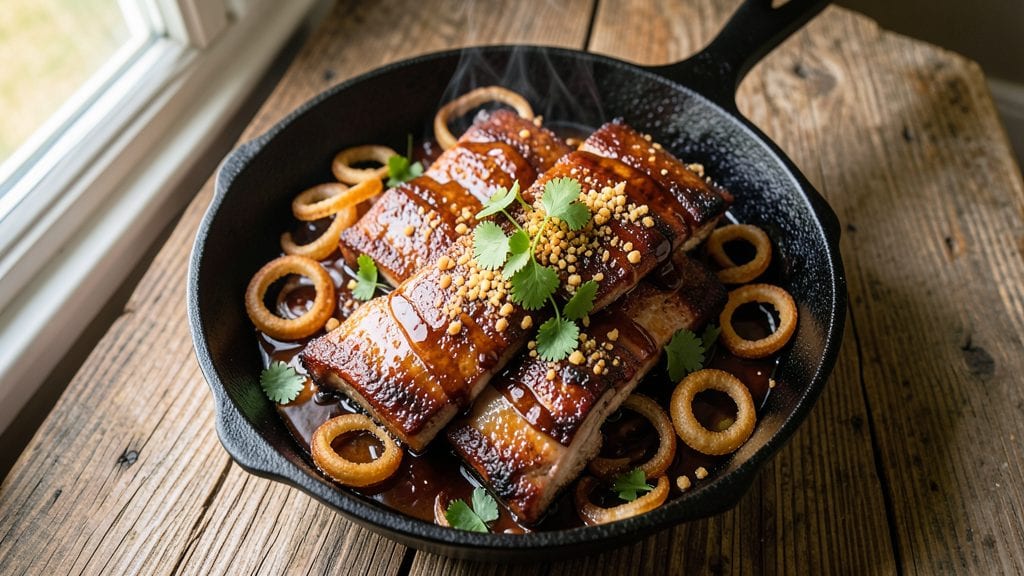
Transforming tough pork shoulder blades into melt-in-your-mouth country-style ribs is one of the most rewarding cooking projects you'll ever tackle—especially when you achieve that perfect smoky-sweet balance after just 6 hours of hands-off cooking.
Growing up in small-town Georgia, I learned that the secret to tender, flavorful ribs isn't just time, but technique: a dry rub that clings like armor, the right balance of heat and moisture, and knowing exactly when to wrap them in foil for that fall-apart magic.
This isn't your typical baby back—these ribs come from the shoulder blade, offering more meat and deeper flavor for every bite.
The beauty of this method is its flexibility—whether you're using a smoker, oven, or slow cooker, the principles stay the same.
We'll start with a dry spice blend of brown sugar, paprika, and black pepper that caramelizes into a sticky crust, then slow-cook until the meat practically disintegrates at the touch of a fork. The key? Low and slow—no rushing, no shortcuts.
This is the kind of dish that rewards patience with results so tender they'll have your guests asking for seconds before the plate is empty.
By the time you're ready to serve, you'll have ribs that are juicy, smoky, and sweet with just the right amount of char, served alongside classic sides like tangy pickles, buttery cornbread, or a drizzle of homemade BBQ sauce.
The aroma alone will have everyone gathering around your table, and the first bite will justify every minute spent in the kitchen. Let's get started—your ribs are waiting.
This recipe works equally well for a weekend family dinner or a crowd-pleasing centerpiece at your next gathering. The leftovers? Even better the next day, making this the ultimate make-ahead project for busy hosts.
With just a few simple ingredients and a little time, you'll master the art of country-style ribs that taste like they've been simmering all day—even if you only had a few hours to spare.
Ingredients for pork shoulder blade country style ribs
Six ingredients and a little patience transform tough pork shoulder into fall-apart ribs with smoky-sweet perfection.
| Ingredient | Amount | Notes |
|---|---|---|
| Pork Shoulder Blade 🥓 | 4 lb | Bone-in, cut into 2-inch pieces |
| Brown Sugar 🍚 | ½ cup | Light or dark, packed |
| Smoked Paprika 🌶️ | 2 tbsp | For deep smoky flavor |
| Black Pepper 🌶️ | 1 ½ tbsp | Freshly ground preferred |
| Garlic Powder 🧄 | 1 tbsp | Not garlic salt |
| Onion Powder 🧅 | 1 tbsp | For balanced flavor |
| Salt 🧂 | 1 ½ tbsp | Kosher or sea salt |
| Apple Cider Vinegar 🍎 | ¼ cup | For tenderizing |
| Yellow Onion 🧅 | 1 whole | Sliced into wedges |
| Fresh Rosemary 🌿 | ¼ cup | Chopped, stems removed |
| Fresh Thyme 🌿 | ¼ cup | Chopped, stems removed |
| Aluminum Foil 📄 | 1 sheet | Heavy-duty, for wrapping |
| Wooden Toothpicks 🪵 | 12 whole | For securing foil |
The pork shoulder blade is the star—look for well-marbled cuts at your butcher or Costco for the best value. Bone-in pieces stay juicier, and cutting them into 2-inch chunks ensures even cooking. If your grocery store doesn't carry shoulder blades, pork shoulder roast works just as well—just ask for the bone-in version. The difference between good ribs and great ribs often comes down to this cut: shoulder blade ribs have more connective tissue, which melts down into tender perfection during the slow cook. Trust me, it's worth the hunt.
No smoked paprika? Regular paprika plus a pinch of liquid smoke gets you close. Fresh rosemary and thyme are ideal, but dried works at one-third the amount if you're in a pinch. The apple cider vinegar might seem odd, but it tenderizes the meat—white vinegar or lemon juice work too. For the dry rub, brown sugar is key—it caramelizes into that sticky crust. If you're using a smoker, add hickory or cherry wood chips for that authentic BBQ flavor. The foil wrapping? Don't skip it—it's what makes these ribs tender without drying out.
These ribs reheat beautifully—just wrap them back in foil and warm in the oven for 15-20 minutes. Store leftovers in the fridge for up to 4 days, or freeze for 3 months by wrapping tightly in foil. I like to portion them into individual servings before freezing—makes lunches easy. The dry rub keeps in an airtight container for up to 3 months, so make extra if you're hosting again soon. Pro tip: save the juices from the foil-wrapped ribs—they make an amazing BBQ sauce base.
Why You'll Love This Recipe
- Fewer Cuts, Same Magic: I swear by this trick—no need to trim or tie the bones. Just score the fat cap lightly, slap on that smoky paprika-brown sugar mix, and let the oven do the work. The crust forms right on the blade, crispy enough to shatter but tender enough to melt in your mouth.
- Sweet-Smoky Crunch: That caramelized brown sugar crust? It’s the star. The smoked paprika gives it a deep, rustic warmth, while the black pepper and garlic powder cut through the sweetness like a perfect balance. Honestly, it’s the kind of flavor that makes you slow down mid-bite.
- Leftovers That Feel Fresh: These ribs stay ridiculously good for days—better, even. I’ll reheat slices in a skillet with a splash of apple cider vinegar, and they taste like they just came out of the oven. (Yes, even on a Tuesday night.)
- Budget-Friendly Feast: A single pork shoulder blade feeds four, and the ingredients? Basic. No fancy rubs, no specialty tools—just what’s already in your pantry. I’ll be real: my grocery budget thanks me every time I make these.
Step-by-step instructions for pork shoulder blade country style ribs
Here's how to transform your pork shoulder blade into tender, smoky ribs with a perfect balance of sweet and savory flavors.
Prep and Season the Pork Shoulder Blade
Start by cutting the 4 lb pork shoulder blade into 2-inch pieces, keeping the bone attached to each section. This size ensures even cooking and proper tenderness. Place these pieces in a large bowl and add the 0.25 cup apple cider vinegar. Let them marinate for 30 minutes—this helps tenderize the meat and sets the stage for deep flavor.
In a separate bowl, combine the 0.5 cup brown sugar, 2 tbsp smoked paprika, 1.5 tbsp black pepper, 1 tbsp garlic powder, 1 tbsp onion powder, and 1.5 tbsp salt. Mix well until the sugar and spices form a coarse, even blend. After the 30-minute marinade, drain the pork shoulder pieces and pat them dry with paper towels. This step is crucial—moisture on the meat can prevent the rub from sticking properly.
Generously coat each piece of pork shoulder with the spice mixture, pressing the rub firmly into the meat so it adheres well. The goal is to create a thick, flavorful crust that will caramelize beautifully during cooking. Let the seasoned pork rest at room temperature for 15 minutes before cooking—this ensures even heat distribution and prevents cold spots in the oven.
Preheat and Sear the Ribs
Preheat your oven to 325°F. While it's heating, place a large oven-safe skillet or Dutch oven over medium-high heat. Add the 1 whole yellow onion, sliced into wedges, and let it cook for 5 minutes until the edges begin to soften and caramelize slightly. Remove the onion and set it aside—it will add sweetness and moisture to the ribs as they cook.
Add the seasoned pork shoulder pieces to the skillet, bone-side down. Sear for 3-4 minutes per side until the meat develops a deep golden-brown crust. This step is essential for building flavor and texture—don't rush it. Once seared, transfer the pork to a plate and set it aside. You'll notice the meat releases easily from the pan when it's ready to flip.
Return the skillet to the heat and add the 0.25 cup chopped fresh rosemary and 0.25 cup chopped fresh thyme. Let the herbs sizzle for 30 seconds until fragrant, then pour in ½ cup water to deglaze the pan. Scrape up any browned bits from the bottom—these are packed with flavor and will infuse into the ribs as they cook. Place the skillet in the preheated oven.
Braise the Ribs Low and Slow
Cover the skillet tightly with the 1 sheet aluminum foil, sealing it completely to trap steam and moisture. Place the 12 wooden toothpicks around the edges of the foil to secure it in place—this prevents the foil from touching the meat directly and ensures even cooking. Return the skillet to the oven and cook for 4 hours at 325°F. This slow braising method breaks down the connective tissue, resulting in fall-apart tender ribs.
After 4 hours, remove the skillet from the oven and carefully lift the foil. Add the reserved sliced yellow onion and any accumulated juices from the plate where the pork rested. Stir gently to combine, then replace the foil and return the skillet to the oven for another 1.5 to 2 hours. The ribs are done when they easily pull apart with a fork and the internal temperature reaches 200°F—this is your signal that the meat is perfectly tender.
Real talk: Your oven might run hot or cold, so start checking the ribs at the 5.5-hour mark if you're unsure. The key is tenderness, not just time. If the ribs aren't falling apart yet, give them another 30 minutes covered. Patience here pays off with incredibly juicy, flavorful meat.
Rest and Serve
Once the ribs are fork-tender, remove the skillet from the oven and let the ribs rest for 10 minutes before serving. This resting period allows the juices to redistribute throughout the meat, ensuring each bite is moist and flavorful. During this time, you can shred the ribs with two forks or serve them whole, depending on your preference.
To serve, spoon the onions and any pan juices over the top of the ribs. The combination of caramelized onions, smoky spices, and tender pork creates a dish that's rich, sweet, and deeply satisfying. Pair these ribs with classic sides like coleslaw, cornbread, or roasted potatoes for a complete country-style meal. The leftovers reheat beautifully—simply warm them in the oven or microwave with a splash of water to keep them moist.
Pro Tips For Making Pork Shoulder Blade Country Style Ribs
- Trim the Fat First: Those thick fat caps on pork shoulder blade ribs? They’re flavor gold—but they’ll smoke like crazy and make your ribs greasy if you don’t handle them. Use a sharp knife to trim just the outer layer of fat (leave a thin layer for moisture), then score the thickest parts in a crosshatch. I learned this the hard way after my kitchen filled with smoke and the ribs ended up soggy.
- Brown Sugar Needs Heat: Skip the cold brown sugar rub—it’ll just clump and wash off. Warm it in a dry pan for 2-3 minutes until it turns a deeper amber and smells caramelized. Mix it with the smoked paprika and garlic powder while it’s still hot, then let it cool slightly before applying. This makes the rub stick like glue and adds a deeper, toasted sweetness.
- Don’t Crowd the Pan: Country-style ribs need room to crisp, not a steam bath. If you’re searing them in a skillet, work in batches—even if it means two rounds. Overlapping them turns the pan into a soup, and you’ll end up with sticky, unevenly cooked ribs. Trust me, your patience here pays off with golden, crackling edges.
- Rest Before Slicing: Cutting into ribs fresh out of the pan is tempting, but they’ll fall apart like overcooked pasta. Tent them loosely with foil and let them sit for 5-10 minutes—just enough time for the juices to redistribute. This isn’t just about presentation; it’s the difference between ribs that hold their shape and a messy pile of meat. (Yes, even if you’re impatient like me.)
Regional styles of this recipe
Georgia Smoky Sweet
In my home state of Georgia, country ribs are all about that smoky-sweet balance, and the secret lies in the rub. I double the brown sugar to 1 cup and add 1 tbsp chili powder for a subtle kick.
Cook these ribs on a Lodge cast iron skillet over indirect heat in a wood-fired oven—my dad’s old method. The key is hickory wood chips for that deep Southern smoke, and we always serve them with pickled okra and peach cobbler for the full experience. 🔥
Carolina Vinegar Braise
Charleston’s approach leans into braising with vinegar—we use ½ cup apple cider vinegar in the rub and add 2 bay leaves during the slow cook. The vinegar tenderizes the meat while giving it a tangy depth.
I’ve perfected this method in my Lodge Dutch oven at 275°F for 6 hours, then finish with a honey glaze (just 2 tbsp honey brushed on during the last 30 minutes). The result? Ribs that are sticky, sweet, and bright—just like my mentor Chef Chen taught me. 🍯
Texas-Style Wrapped
Out West, they take wrapping to the next level. After the initial 3-hour cook, we wrap each rib in butcher paper with sliced onions and a splash of beef broth, then return to the smoker for another 2 hours.
The butcher paper lets the ribs breathe while keeping them moist—no foil needed. For extra flavor, I add 1 tbsp coffee grounds to the rub (trust me, it works). Serve with white bread and sliced jalapeños for that true Texas BBQ vibe. 🌶️
Appalachian Herb Crust
Up in the Appalachians, they focus on herb-forward rubs—we swap smoked paprika for 1 tbsp dried mustard and add 1 tsp ground coriander.
The ribs are cooked in a stone pot over hot coals for 5 hours, then finished with a butter-basil sauce (melt 2 tbsp butter, stir in 2 tbsp chopped basil, and drizzle over the top).
The crust is crispy, and the herbs add a fresh contrast to the richness. Perfect with cornbread and apple sauce. 🌿
Modern Twist: Coffee-Infused
For a contemporary take, I’ve started adding 1 tbsp finely ground coffee to the rub—it deepens the flavor without overpowering. Cook these ribs in a smoker at 250°F for 5 hours, then wrap in foil with sliced apples (for natural sweetness) and a splash of bourbon before finishing.
The coffee gives a mocha-like richness, and the bourbon adds a smoky depth. Serve with mashed sweet potatoes for a restaurant-worthy dish. ☕
Nutrition facts
Frequently asked questions
Why do country-style ribs need to be cut from the pork shoulder blade?
The shoulder blade cut contains more connective tissue and fat than baby back ribs, which melts during slow cooking for that signature tender, fall-apart texture. The bone-in pieces also stay juicier and develop deeper flavor when cooked low and slow. This cut is what gives country-style ribs their rich, meaty profile that baby backs can't match.
Can I make these ribs in a slow cooker instead of the oven?
Brown the ribs first in a skillet, then transfer them to your slow cooker with the same dry rub. Add ½ cup apple cider vinegar and 1 cup water, cover, and cook on low for 8-10 hours. The key is maintaining moisture—unlike oven cooking, slow cookers don't need foil wrapping. Check doneness by probing with a fork for tenderness.
What's the best way to reheat leftover country-style ribs?
Wrap the ribs in fresh aluminum foil with a splash of water or broth, then reheat at 300°F for 15-20 minutes. This method keeps them moist and maintains that perfect smoky-sweet flavor. For extra crispiness, broil for 2-3 minutes at the end. Never microwave—it makes the meat tough and dry.
How can I tell when the ribs are fully tender?
Ribs are done when they easily pull apart with minimal resistance and reach an internal temperature of 200°F. The meat should look glossy and juicy, not dry. If you're unsure, cut into one piece—the bone should separate cleanly from the meat, and the texture should be creamy rather than stringy.
Can I substitute pork shoulder for pork butt?
Yes, but with one important note: pork shoulder (from the blade area) has more connective tissue and fat than pork butt, which gives it that classic country-style texture. If using pork butt, reduce the cooking time by about 30-45 minutes since it's slightly leaner. The flavor will still be excellent, just with a slightly different texture profile.