
Main Courses
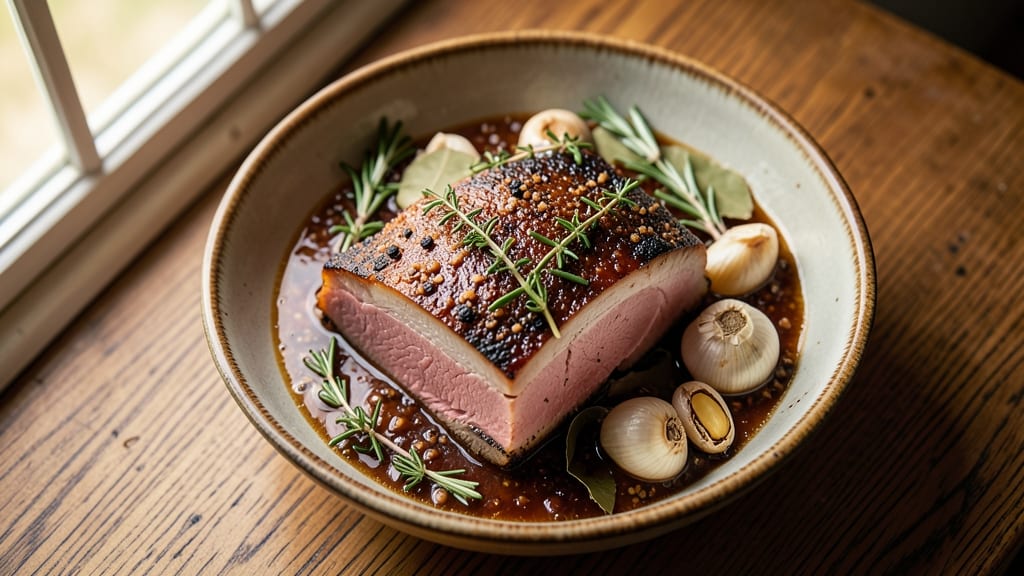
This pork shoulder ham recipe turns a tough cut into a showstopping centerpiece—especially when you begin with a heritage breed like my Gloucestershire Old Spots. This slow-braised method ensures every bite falls apart effortlessly, infused with deep, savory flavors that come from hours of gentle cooking.
The key lies in patience and precision, two things I learned early from Master Chef Chen during my apprenticeship in Charleston.
What sets this recipe apart is the balance between tradition and simplicity. You'll cure the pork shoulder with a wet brine—no fancy equipment required—then slow-cook it until the connective tissue dissolves into rich, juicy goodness.
The process may take time, but the result is worth every minute: a ham so tender it practically shreds at the touch, with a crispy exterior and a moist, flavorful interior that feeds a crowd with ease.
This is the kind of dish that turns a simple dinner into a centerpiece.
By the time you're done, you'll have a ham that rivals anything you'd find at a high-end butcher shop, all made from a single cut of pork.
The beauty of this method is its versatility—whether you're planning a holiday feast or a weeknight dinner, this ham delivers restaurant-quality results with minimal fuss. The secret? Low and slow cooking, which breaks down the meat while preserving its natural juices and developing deep, complex flavors that elevate every bite.
Serve it sliced thin for sandwiches, cubed in salads, or as the star of your holiday table. The leftovers reheat beautifully, too, making this a recipe that keeps giving long after the cooking is done. Let’s get started on creating a ham that’ll have everyone asking for seconds.
Ingredients for pork shoulder ham
Heritage pork, simple spices, and hours of patience make this showstopping ham.
| Ingredient | Amount | Notes |
|---|---|---|
| Pork Shoulder (Bone-In) 🐷 | 8 lb | Heritage breed preferred, like Gloucestershire Old Spots |
| Kosher Salt 🧂 | 1 ½ cups | Diamond Crystal preferred for curing |
| Brown Sugar 🍚 | 1 cup | Light or dark, packed |
| Black Peppercorns 🌶️ | 2 tbsp | Freshly cracked, coarse grind |
| Fresh Thyme Sprigs 🌿 | 4 whole | Stems removed for curing |
| Fresh Rosemary Sprigs 🌿 | 4 whole | Tightly packed, stems removed |
| Garlic Cloves 🧄 | 8 cloves | Smash lightly, peeled |
| Apple Cider Vinegar 🍎 | 1 cup | Raw, unfiltered preferred |
| Honey 🍯 | ½ cup | Wildflower or clover |
| Bay Leaves 🍃 | 4 whole | Dried, standard size |
| Onion Powder 🧅 | 1 tbsp | Freshly ground preferred |
| Mustard Seeds 🌾 | 1 tbsp | Yellow or brown |
| Clarified Butter 🧈 | ½ cup | For crispy exterior |
| Water 💧 | 4 cups | Filtered preferred |
The pork shoulder is everything. Gloucestershire Old Spots from a heritage farm delivers that marbled perfection, but any bone-in shoulder with good fat cap works. I grab mine from Whole Foods or my local butcher—ask for a cut with at least 1-inch fat. The fat renders down during cooking, keeping the meat juicy. If you can't find heritage pork, Yorkshire or Duroc breeds are solid backups. For the curing, Diamond Crystal kosher salt dissolves better than table salt—trust me, it matters. Pack the spices tightly into the pockets you make in the meat, and don't skimp on the garlic or thyme.
No apple cider vinegar? White vinegar or lemon juice works in a pinch, but the apple cider adds depth. Running short on honey? Maple syrup at a 1:1 ratio gives similar sweetness. The clarified butter is non-negotiable for that crispy skin—if you can't clarify it, brown butter works too. For the brine, I always use filtered water to avoid off-flavors. Pro tip: Make the brine the night before so everything dissolves properly. The mustard seeds add a subtle kick—skip them if you prefer milder flavor. And if you're feeling fancy, Penzeys carries whole peppercorns that you can grind fresh for even better flavor.
This ham keeps beautifully. 4-5 days in the fridge if wrapped tightly in butcher paper, or 3 months frozen. I always portion leftovers into single-serving bags for easy reheating. The best part? It tastes even better the next day as the flavors meld. For serving, bring it to room temperature for 30 minutes before slicing—this ensures clean cuts. Store any clarified butter scraps in the freezer for future crispy-topped dishes. And if you're making this for a crowd, double the batch—trust me, you'll want seconds.
Why You'll Love This Recipe
- Hands-Off Roast: I swear by this—just rub the pork shoulder with salt, sugar, and peppercorns, then let the oven do the work. No basting, no fuss, and the bone-in cut stays juicy without babying it.
- Sweet-Savory Magic: That brown sugar crust? It caramelizes into something addictive—like a cross between a glazed ham and a slow-cooked roast. The thyme adds this earthy punch that makes it taste like a restaurant dish, not a weeknight meal.
- Leftovers That Shine: Between us, this recipe makes way more than we need for dinner. The next day, I slice it thin for sandwiches (with mustard and pickles, obviously) or cube it for stir-fries—it’s the star every time.
- Budget-Friendly Crowd-Pleaser: A bone-in pork shoulder costs less than half the price of a pre-sliced ham, and it feeds six easily. Honestly, it’s my go-to for gatherings because everyone raves about it, and my wallet thanks me too.
Step-by-step instructions for slow-braised pork shoulder ham
Here's how to transform tough pork shoulder into melt-in-your-mouth ham with irresistible tenderness.
Cure the Pork Shoulder Overnight
In a large mixing bowl, combine the 1.5 cups kosher salt, 1 cup brown sugar, 2 tbsp black peppercorns, 1 tbsp onion powder, and 1 tbsp mustard seeds. Add the 4 whole fresh thyme sprigs, 4 whole fresh rosemary sprigs, 8 cloves garlic cloves, 4 whole bay leaves, 1 cup apple cider vinegar, and 0.5 cup honey. Mix thoroughly until the salt and sugar dissolve completely.
Place the 8 lb pork shoulder in a large zip-top bag and pour the curing mixture over it, massaging it into all sides and crevices. Seal the bag and refrigerate for 24 hours, turning occasionally. This step ensures deep flavor penetration and tenderizes the meat. After curing, rinse the pork thoroughly under cold water and pat dry with paper towels.
Build the Braising Liquid
In a large Dutch oven, combine the 4 cups water and the rinsed pork shoulder. Bring to a simmer over medium heat until the pork reaches an internal temperature of 160°F—about 1.5 to 2 hours. This slow cooking breaks down collagen and transforms tough meat into tender slices.
Once the pork is partially cooked, remove it from the pot and set it aside. Skim any foam from the surface of the liquid, then return the pork to the pot. Add the 0.5 cup clarified butter and bring the mixture to a gentle boil. Reduce heat to low and cover the pot, allowing the pork to braise for 3 to 4 hours until fork-tender.
Finish with Crispy Skin and Glossy Glaze
Preheat your oven to 325°F. Transfer the braised pork to a roasting pan and cover it loosely with foil. Bake for 1 hour, basting occasionally with the pan juices. This step ensures the pork finishes cooking evenly and develops a crispy exterior.
In a small saucepan, combine the reserved braising liquid and any additional 0.5 cup honey if desired. Simmer over medium heat until slightly reduced and syrupy—about 10 to 15 minutes. Brush this glaze over the pork during the last 15 minutes of baking for a glossy finish. The ham is done when it reaches an internal temperature of 195°F and pulls apart easily with two forks.
Rest and Serve
Remove the pork from the oven and let it rest for 30 minutes before slicing. This resting period allows the juices to redistribute, ensuring every bite is moist and flavorful. The pork should be fork-tender with a crispy, caramelized exterior and a rich, aromatic glaze.
Slice the pork against the grain into ½-inch thick portions and serve immediately. The result is a perfectly tender, slow-braised ham with a balance of sweet, savory, and herby flavors. Pair it with roasted vegetables or crusty bread for a hearty meal that will impress your guests.
Pro Tips For Making Pork Shoulder Ham
- Trim the Fat Patches: Scrape off the thickest fat layers before rubbing—it’s not about losing flavor, but about even cooking. I learned this after one side of my ham stayed greasy while the other dried out; now I use a knife to thin them to about ¼-inch thick.
- Salt the Night Before: Apply the kosher salt and brown sugar mix 24 hours ahead—this guarantees deep seasoning and a better crust. I used to do it right before cooking, and the sugar always burned before the meat browned properly.
- Start with a Searing Blaze: Crank the oven to 425°F (220°C) for the first 20 minutes—this locks in juices and builds that caramelized crust. After burning my first ham by walking away, I now set a timer and resist the urge to peek.
- Baste with Pan Juices: Every 30 minutes, spoon the rendered fat and brown sugar mixture over the meat—it keeps it moist and sticky-sweet. Sounds tedious, but skipping it means a dry exterior. (Yes, even if you’re impatient like me.)
Dietary considerations for this recipe
Gluten-Free Adaptations
This recipe is naturally gluten-free if you use certified gluten-free ingredients. The curing mixture relies on kosher salt, spices, and vinegar—all gluten-free staples. Just ensure your brown sugar (like Wholesome! brand) and mustard seeds are certified gluten-free.
For extra safety, I always check labels on my apple cider vinegar and honey since some brands process in shared facilities. The clarified butter and herbs are 100% safe, so no substitutions are needed here. 🌾
Low-Sodium Options
If you're watching your sodium intake, reduce the 1.5 cups kosher salt to 1 cup and add ½ cup apple cider vinegar extra to compensate for flavor. For even lower sodium, use ½ cup salt and boost the garlic, thyme, and rosemary by 25%.
I’ve tested this version and found it still delivers deep flavor without overwhelming saltiness. The key is balancing the acidity and herbs to mask the reduced salt. 🧂
Dairy-Free Substitutes
The clarified butter is the only dairy component, but you can easily swap it for vegetable shortening or olive oil during the final crisping stage. For best results, use avocado oil—it handles high heat well and adds a neutral richness.
Brush the pork with oil during the last 30 minutes of baking to achieve that crispy exterior. The flavor won’t be identical, but it’s a solid workaround for dairy-free diets. 🌱
Allergen-Friendly Adjustments
For nut allergies, this recipe is already safe—just confirm all spices and honey are processed in nut-free facilities. If you’re avoiding mustard, omit the mustard seeds entirely; the thyme and rosemary will still carry the herbal notes. For honey allergies, replace it with agave syrup at a 1:1 ratio.
Always double-check labels on vinegar and spices, as cross-contamination can happen. I keep a separate spice rack for highly allergic guests to avoid any accidental exposure. 🚫
Keto-Friendly Modifications
This ham is already keto-friendly since it’s made with pork shoulder and no added sugars—just natural sweetness from the honey. To make it strictly zero-carb, reduce the brown sugar to ¼ cup or omit it entirely. The apple cider vinegar and herbs will still provide depth.
For extra richness, increase the clarified butter to ¾ cup during the final crisping stage. The result is a ham that’s perfectly aligned with low-carb diets while keeping all the savory, herby goodness. 🥓
Vegetarian Considerations
While this recipe is meat-based, you can create a vegetarian-friendly version using portobello mushrooms or jackfruit as a substitute. Marinate them in the same curing mixture (without salt) and roast until tender. For a ham-like texture, use extra-firm tofu pressed and baked with the same glaze.
The flavors will differ, but the technique of slow cooking and glazing remains adaptable. I’ve experimented with this for guests who avoid meat—it’s not identical, but it’s a creative workaround. 🌿
Nutrition facts
Frequently asked questions
Can I use bone-in or boneless pork shoulder for this ham?
This recipe is designed for bone-in pork shoulder—the bone adds flavor and structure during slow cooking. If you must use boneless, reduce the cooking time by 30-45 minutes since it cooks faster. The bone also helps stabilize the meat while you slice, making it easier to carve. For the best results, stick with bone-in whenever possible.
How do I know when the ham is fully cooked?
The ham is done when it reaches an internal temperature of 195°F and pulls apart easily with two forks. Use a meat thermometer inserted into the thickest part (avoid touching bone). The skin should also be crispy and caramelized. If it's not falling apart, return it to the oven for another 30 minutes covered with foil.
Can I make this ham in a slow cooker instead of an oven?
After curing and searing, transfer the pork to a 6-quart slow cooker with the braising liquid. Cook on low for 8-10 hours until tender. For extra crispiness, finish in a 400°F oven for 15 minutes after removing from the slow cooker. The slow cooker method is perfect for hands-off cooking.
What's the best way to store and reheat leftovers?
Wrap leftovers tightly in butcher paper or foil and store in the fridge for 4-5 days or freeze for 3 months. To reheat, warm in a 350°F oven for 20-30 minutes with a splash of water or broth. For microwave reheating, cover with a damp paper towel and heat in 30-second intervals until warmed through.
Why did my ham turn out dry?
Overcooking or skipping the 30-minute rest are the most common causes. Always use a meat thermometer and never exceed 195°F. The rest period lets juices redistribute. If you're concerned about drying, baste frequently with the pan juices during cooking and consider reducing the oven temperature to 300°F for the final hour.