
Main Courses
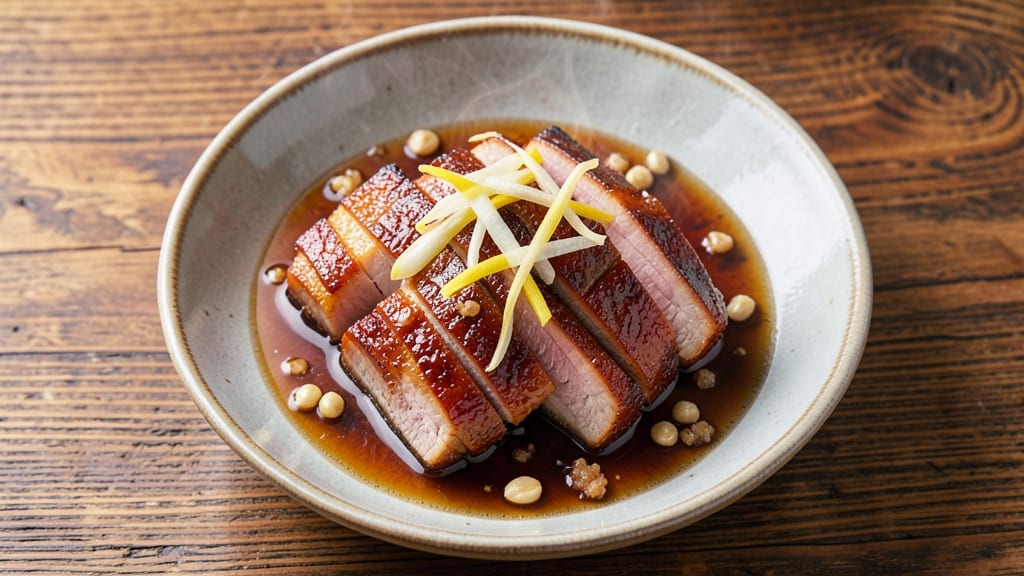
Transforming tough pork shoulder into melt-in-your-mouth Japanese-style tender requires patience and precision—something I’ve perfected over years of cooking heritage pork. This recipe combines slow braising with traditional Japanese techniques to create a dish that’s rich in umami and impossible to resist.
The key lies in marinating the pork with soy, mirin, and ginger before slow-cooking it until fork-tender, resulting in a dish that’s both comforting and sophisticated.
What sets this recipe apart is its balance of simplicity and depth. You’ll start with a marinade that infuses the pork with layers of flavor, then braise it until the meat falls apart at the slightest touch.
The result is a dish that’s hearty enough for a family meal but refined enough to impress guests. Unlike Western slow-cooked pork, this method emphasizes gentle cooking to preserve moisture while developing complex flavors.
By the time you serve this pork shoulder, you’ll have a dish with a glossy, savory glaze and tender, almost custard-like meat. It pairs beautifully with steamed rice and pickled vegetables, creating a traditional Japanese meal that feels both nostalgic and elevated.
The slow-cooking process ensures every bite is packed with flavor, making it a standout dish for any occasion.
This recipe is designed to work with standard home equipment, so you don’t need specialty tools to achieve professional results. Whether you’re feeding a crowd or treating yourself to a special meal, this Japanese-style pork shoulder will deliver the tender, umami-driven perfection you’re looking for.
Ingredients for pork shoulder japanese
Heritage pork meets Japanese tradition with just 14 simple ingredients for melt-in-your-mouth tenderness.
| Ingredient | Amount | Notes |
|---|---|---|
| Pork Shoulder 🥩 | 4 lb | Bone-in, heritage pork preferred |
| Soy Sauce 🍶 | ½ cup | Japanese-style preferred |
| Mirin 🍶 | ⅓ cup | Sweet cooking wine |
| Fresh Ginger 🧄 | ¼ cup | Finely grated, peel on |
| Garlic Cloves 🧄 | 8 cloves | Minced, fresh preferred |
| Sake 🍶 | ¼ cup | Dry variety preferred |
| Sugar 🍬 | 2 tbsp | White or brown |
| Water 💧 | 2 cups | Room temperature |
| Onion 🧅 | 1 whole | Yellow, sliced |
| Carrots 🥕 | 4 whole | Whole, peeled |
| Salt 🧂 | 1 ½ tsp | Kosher or sea salt |
| Black Pepper 🌶️ | ½ tsp | Freshly ground |
| Sesame Oil 🫒 | 1 tbsp | For finishing |
| Green Onions 🧅 | 4 whole | Sliced, for garnish |
The pork shoulder is the star—heritage pork has more marbling and flavor, but standard pork works too. Look for bone-in cuts at Costco or Whole Foods—they're often cheaper per pound. Fresh ginger and garlic? Trader Joe's sells pre-grated ginger in jars, which saves time. For the soy sauce, Japanese brands like Kikkoman make a difference—avoid the 'low-sodium' versions here. The mirin and sake? Any decent grocery store carries them, but if you're in a pinch, substitute with equal parts dry white wine and a touch of sugar. Just don't skip the sugar—it balances the acidity beautifully.
No mirin? Substitute with 3 tbsp sugar plus 1 tbsp white wine vinegar. Sake missing? Dry white wine works, though it'll be slightly less authentic. The carrots and onion can be swapped for any root vegetable you have—parsnips or sweet potatoes add a nice twist. Fresh ginger is ideal, but dried works at half the amount if you're in a bind. The sesame oil is just for finishing—toasted sesame oil gives more flavor, but regular works too. And if you're feeling fancy, grab some shichimi togarashi for a final sprinkle—it adds a little kick.
This dish tastes even better the next day, so make it ahead. Store in the fridge for up to 5 days—the flavors meld beautifully. For freezing, portion into containers with a little extra braising liquid and freeze for up to 3 months. Reheat gently in a pot with a splash of water or broth. The pork should be fork-tender, so if it's still tough after reheating, give it another 10 minutes. Serve with steamed rice and quick-pickled veggies for the full Japanese experience.
Why You'll Love This Recipe
- Hands-Off Cooking: I swear by this recipe when I’m too tired to babysit the stove. Toss the pork shoulder in a marinade of soy sauce, mirin, and grated ginger, then let the oven do the heavy lifting while I chop veggies for the side. Minimal chopping, zero fuss—just melt-in-your-mouth results.
- Umami Bomb: That combo of soy sauce and mirin? Absolute magic. The ginger and garlic cloves add a bright, aromatic punch, while the slow-cooked pork develops a sticky, caramelized crust that’s dangerously addictive. One bite and you’ll forget all about takeout.
- Leftovers That Don’t Suck: Between us, most leftovers are sad. Not this. The pork stays tender and flavorful for days—perfect for quick lunches, rice bowls, or even a lazy weekend brunch. I’ve reheated slices straight from the fridge, and they’re still juicy and packed with that same deep, savory taste.
- Budget-Friendly Feast: Pork shoulder is the unsung hero of affordable meals, and this recipe makes the most of it. A single cut feeds four (or two very hungry people) and costs less than half the price of pre-made Asian takeout. Plus, the ingredients? Most are already in my pantry or cost pennies at the store.
Step-by-step instructions for Japanese-style pork shoulder
Here's how to transform that tough pork shoulder into melt-in-your-mouth tender perfection.
Prepare the Pork Shoulder and Aromatics
Begin by trimming any excess fat from the 4 lb pork shoulder, leaving about ¼ inch to protect the meat during cooking. Pat the meat dry with paper towels—this helps the seasoning adhere better and promotes crispier edges later. Place the pork in a large bowl and rub it generously with the 1.5 tsp salt and 0.5 tsp black pepper, pressing the seasoning into the surface.
In a separate bowl, combine the 0.5 cup soy sauce, 0.33 cup mirin, 0.25 cup sake, 2 tbsp sugar, and the 0.25 cup finely grated fresh ginger. Stir until the sugar dissolves completely. This marinade is the flavor foundation—don't skip mixing it well. Let the pork sit in the refrigerator for at least 2 hours, or overnight for deeper flavor penetration.
Sear the Pork for Maximum Flavor
Preheat your oven to 300°F. Heat a large Dutch oven over medium-high heat and add the pork shoulder. Sear it on all sides until deeply browned—about 5 minutes per side. This step creates the Maillard reaction, which develops that rich, caramelized flavor. Don't rush this; you want that beautiful crust to form.
Once browned, remove the pork and set it aside. In the same Dutch oven, add the 1 whole sliced onion and 4 whole peeled carrots. Sauté for 3 minutes until the onions soften slightly. Add the 8 minced garlic cloves and cook for another 30 seconds until fragrant. This aromatics base will infuse the braising liquid with even more depth.
Braise Until Fork-Tender
Return the pork to the Dutch oven, fat-side up. Pour in the 2 cups water and scrape up any browned bits from the bottom—these contain concentrated flavor. Bring the liquid to a simmer, then cover tightly with a lid. Transfer to the preheated 300°F oven and braise for 3 hours.
After 3 hours, check the pork's tenderness by inserting a fork into the thickest part. It should pierce easily with little resistance. If not, continue braising for another 30-60 minutes. The liquid should reduce significantly, creating a rich, glossy sauce. This slow cooking process is what transforms tough pork into luxurious, melt-in-your-mouth bites.
Finish with Sesame Oil and Garnish
Once the pork is fork-tender, remove it from the oven and transfer the pork to a cutting board. Tent loosely with foil and let it rest for 15 minutes. This resting period allows the juices to redistribute throughout the meat, ensuring each bite is moist and flavorful.
While the pork rests, skim any excess fat from the braising liquid and return it to the Dutch oven. Stir in the 1 tbsp sesame oil and simmer for 2-3 minutes to infuse the sauce with its nutty aroma. Slice the 4 whole green onions and set them aside for garnish. When ready to serve, drizzle the pork with the sesame-infused sauce and sprinkle with sliced green onions. The contrast of the fresh green onions with the rich, umami pork creates a perfect balance of flavors.
Pro Tips For Making Pork Shoulder Japanese
- Sear the Pork First: Don’t skip the initial sear—get that pork shoulder sizzling hard in a hot pan (or Dutch oven) for 3-4 minutes per side before adding liquids. This locks in flavor and prevents the meat from turning into a mushy, soy-soaked block. I used to rush this, and the dish always tasted flat until I learned to let the crust form first.
- Slice Ginger Thinly: Use a mandoline or sharp knife to slice ginger into paper-thin sheets—no need to julienne or grate. Thin slices infuse flavor without overpowering, and they dissolve just enough to coat the pork without turning the sauce into a ginger slurry. (Yes, even if you’re impatient like me, take the extra 2 minutes.)
- Baste with the Sauce: Every 20 minutes of cooking, spoon the mirin-soy-ginger-garlic liquid over the pork to keep it moist and build flavor. This isn’t just for show—it guarantees tender meat and a glossy finish. I learned this the hard way when my first batch turned out dry because I ignored the sauce until the end.
- Deglaze with Garlic: After searing, don’t just toss in minced garlic—sauté it in the pork fat for 30 seconds until fragrant before adding mirin and soy. This step amplifies the garlic’s aroma and prevents it from turning bitter. (Sounds weird, but it works: the fat carries the flavor deep into the meat.)
Wine and beer pairings for these flavors
Sake-Based White Wine
For a classic Japanese pairing, I reach for a crisp, dry sake—specifically a junmai ginjo or junmai daiginjo—that complements the pork's umami depth without overpowering it. The subtle sweetness and clean finish of these premium sakes mirror the dish's braised flavors.
If sake isn't available, a dry Riesling or Pinot Grigio works beautifully, though the acidity will be slightly higher. 🍶
My go-to is Hakkaisan Junmai Daiginjo from Japan—it’s smooth enough to sip alongside the rich pork while still standing up to its depth. For a more budget-friendly option, Sapporo Junmai delivers consistent quality without breaking the bank. Serve slightly chilled (50-55°F) to enhance the sake's delicate aromas.
Umami-Rich Red Wine
If you prefer red wine, look for Japanese reds like Koshu or Merlot-based blends that emphasize fruit without heavy tannins. These wines bridge the gap between Western and Japanese palates.
I’ve found Yamada Nagi’s Koshu to be a perfect match—its stone fruit notes and subtle earthiness harmonize with the pork’s caramelized crust and soy-mirin glaze. 🍷
For non-Japanese options, a light-bodied Syrah or Beaujolais (like Morgon) offers enough acidity to cut through the pork’s richness. Avoid bold Cabernets—their tannins clash with the tender meat. Decant for 30 minutes to soften any remaining structure and let the wine breathe alongside the dish.
Japanese Craft Beer
Beer lovers should try a Japanese lager like Asahi Super Dry or Sapporo Premium Beer—their crisp, clean profiles let the pork’s flavors shine. The subtle hop bitterness also balances the dish’s sweet-savory notes.
For something more adventurous, a Japanese IPA (like BrewDog’s Punk IPA or Sapporo Black Label) adds a citrusy contrast that cleanses the palate between bites. 🍺
If you’re in the U.S., Kona Longboard Lager (Hawaiian but inspired by Japanese styles) is a great local alternative. Serve it well-chilled (40-45°F) to highlight its refreshing qualities. Avoid heavy stouts—they’ll overpower the delicate pork flavors.
Non-Alcoholic Pairings
For a non-alcoholic option, yuzu soda (like Ramune) or Japanese green tea (hot or iced) works wonders. The citrusy brightness of yuzu soda cuts through the pork’s richness, while sencha or gyokuro green tea adds a vegetal note that complements the umami.
I often serve Hojicha (roasted green tea) for its toasty, caramel-like flavors that echo the pork’s glaze. ✨
Another winner is melon soda—its sweet, floral notes provide a playful contrast to the savory pork. For a more sophisticated touch, try Japanese kombucha (like Kombucha Brewers Co.’s Jun)—its tangy, probiotic-rich profile enhances the dish’s depth without overpowering it.
Nutrition facts
Frequently asked questions
Can I substitute boneless pork shoulder for bone-in?
Yes, but expect slightly faster cooking time since boneless cuts tenderize quicker. Use the same marinade and braise at 300°F for 2.5-3 hours instead of 3. The bone adds flavor, but boneless works perfectly if that's what you have. Just check for tenderness 30 minutes early.
What's the best way to store leftovers?
Store in an airtight container with some of the braising liquid to keep it moist. It stays fresh in the fridge for 4-5 days or freezes beautifully for 3 months. Reheat gently in a pot with a splash of water—never microwave directly from frozen.
Why does my pork turn out dry?
Overcooking or skipping the resting time are the most common causes. Always braise until the internal temp reaches 203°F (not the oven temp), then rest 15 minutes before slicing. The juices redistribute during resting—never skip this step!
Can I make this in a slow cooker?
Sear the pork first, then transfer to your slow cooker with all ingredients. Cook on low for 8 hours or high for 5-6 hours. The liquid will reduce more slowly, so you may need to add ½ cup water halfway through if it gets too thick.
What's the difference between this and tonkatsu?
This recipe is a slow-braised dish with rich umami flavors, while tonkatsu is breaded and deep-fried for a crispy exterior. Tonkatsu uses a lighter panko crust and is served with tonkatsu sauce, whereas this pork shoulder develops its flavor through long cooking with soy, mirin, and ginger.