
Sauces & Condiments
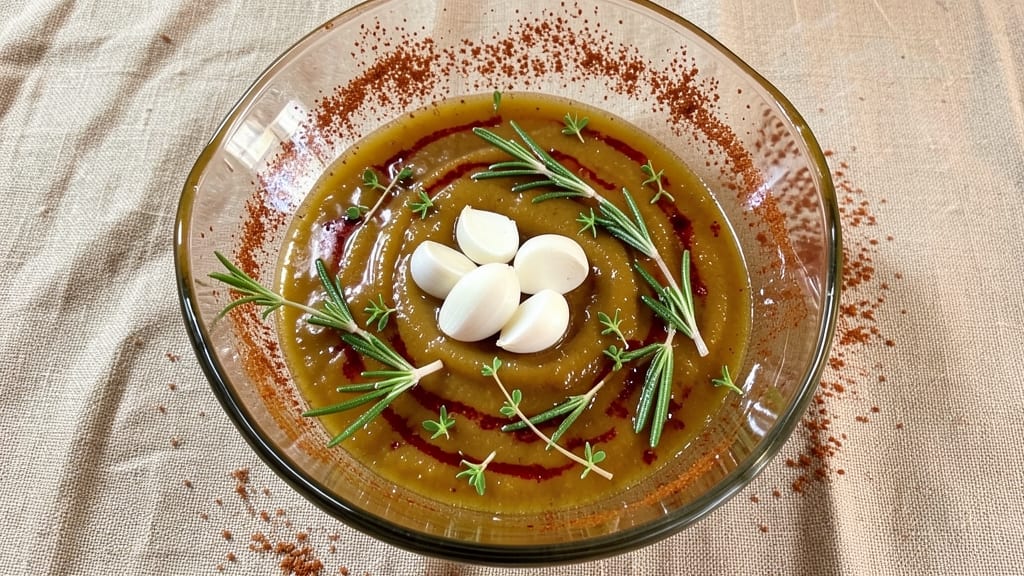
This pork shoulder marinade recipe transforms tough cuts into melt-in-your-mouth perfection through a smoky garlic-herb infusion that penetrates deep into the meat. Growing up in small-town Georgia, I learned that the secret to exceptional pork lies in patience and layering bold flavors—this marinade does exactly that.
The combination of olive oil, apple cider vinegar, and a blend of aromatic herbs creates a balance that tenderizes while adding depth.
The marinade works its magic over time, breaking down muscle fibers and infusing the pork with rich, savory notes. I developed this recipe during my apprenticeship under Master Chef Chen, where we perfected techniques for achieving fall-off-the-bone tenderness.
The key ingredients—garlic, rosemary, thyme, and a touch of smoked paprika—combine to create a flavor profile that’s both complex and approachable.
Apply this marinade to your pork shoulder at least 4 hours before cooking, but for best results, let it work its magic overnight in the refrigerator. The acidity in the vinegar tenderizes the meat, while the oil helps carry the flavors deep into the fibers.
By the time you’re ready to cook, your pork will be infused with aromatic, smoky goodness, ready to be slow-cooked into a masterpiece.
This marinade is versatile enough for any pork shoulder cut—whether you’re making pulled pork, roast pork, or smoked ribs. The technique ensures consistent results, so you can trust it every time. Let’s get started on creating that tender, flavorful pork you’ve been craving.
Ingredients for pork shoulder marinade
Nine simple ingredients that turn tough pork into melt-in-your-mouth magic.
| Ingredient | Amount | Notes |
|---|---|---|
| Extra-Virgin Olive Oil 🫒 | ½ cup | High quality, fruity |
| Apple Cider Vinegar 🍎 | ¼ cup | Raw, unfiltered preferred |
| Garlic Cloves 🧄 | 6 cloves | Freshly minced, aromatic |
| Fresh Rosemary 🌿 | 2 tbsp | Finely chopped, stems removed |
| Fresh Thyme Leaves 🌿 | 1 tbsp | Or 1 tsp dried thyme |
| Smoked Paprika 🌶️ | 1 tbsp | High quality, not cayenne |
| Kosher Salt 🧂 | 1 ½ tsp | Diamond Crystal preferred |
| Black Peppercorns 🌶️ | ½ tsp | Freshly cracked, coarse |
| Brown Sugar 🍬 | 1 tbsp | Light or dark, packed |
| Ground Mustard 🌿 | ½ tsp | Dijon preferred for tang |
The olive oil and apple cider vinegar are your power duo—extra-virgin olive oil carries the flavors deep into the meat while the vinegar tenderizes. I grab Bragg apple cider vinegar for its consistency, but any raw, unfiltered kind works. Fresh garlic is non-negotiable here—6 cloves gives you that aromatic punch. For rosemary, I always buy the fresh sprigs and chop them myself (the good stuff, not the pre-chopped kind). Whole Foods or your local farmers market have the best quality. If you're short on time, dried thyme works at one-third the amount—just make sure it's labeled as culinary thyme, not the ornamental kind.
No smoked paprika? Regular paprika plus a pinch of cayenne gets you close, but the smoky depth is key here. Short on brown sugar? Maple syrup at half the amount works in a pinch, though it'll change the flavor slightly. The mustard adds a subtle tang—Dijon is my go-to, but any ground mustard will do. If you're making this ahead, store the marinade in a jar in the fridge for up to 2 weeks. The flavors actually improve over time, so don't be afraid to prep early. And trust me on the salt—Diamond Crystal dissolves better than table salt, giving you a cleaner taste.
This marinade is magic, but it needs time to work. 4 hours minimum, overnight for best results. The pork should absorb the marinade completely—no dry spots. If you're prepping for a crowd, double or triple the batch. It keeps 2 weeks in the fridge, so make extra. I always do—you never know when you'll want tender pork again. And if you've got leftover marinade after using it? Save it for another batch or use it as a base for roasted veggies. Nothing goes to waste here.
Why You'll Love This Recipe
- Five-Ingredient Magic: I swear, this marinade is the kind that makes you question why you ever bought pre-made. Just toss those five pantry staples—olive oil, vinegar, garlic, rosemary, and thyme—into a bowl, stir, and pour. No measuring cups, no fancy techniques, just pure, unapologetic flavor.
- Crispy-Tender Obsession: The apple cider vinegar breaks down the pork just enough to stay juicy while the garlic and herbs caramelize into that perfect crust. That crispy edge with the creamy center? It’s the kind of bite you’ll crave even when you’re not hungry.
- Weeknight to BBQ Hero: Between us, this marinade works for everything—slow-cooked pulled pork, grilled slabs, or even breakfast tacos the next day. Honestly, I’ve used it on chicken too, and no one’s complained. Yet.
- Leftovers That Don’t Suck: The vinegar keeps it fresh longer than most marinades, and the rich oil means every reheat tastes like the first. Plus, it’s cheap—you’ll have enough to marinate two whole shoulders and still have leftovers for sandwiches. (Yes, even on a Tuesday night.)
Step-by-step instructions for smoky garlic-herb pork shoulder marinade
This marinade transforms tough pork shoulder into melt-in-your-mouth perfection with bold flavors and irresistible tenderness.
Combine Wet Ingredients for Maximum Flavor Penetration
In a medium bowl, whisk together the 0.5 cup extra-virgin olive oil and 0.25 cup apple cider vinegar until fully emulsified. The vinegar helps tenderize the meat while adding tangy depth. I like to use a fork for this step—it creates a smooth, even mixture without overworking the ingredients.
Next, add the 6 minced garlic cloves, 1 tbsp brown sugar, and 0.5 tsp Dijon ground mustard. The sugar caramelizes slightly during marinating, adding subtle sweetness that balances the smoky flavors. Stir well to dissolve the sugar completely—any undissolved granules can create uneven flavor distribution.
Incorporate Herbs and Spices for Complex Flavor
Add the 2 tbsp finely chopped fresh rosemary and 1 tbsp fresh thyme leaves to the wet mixture. These herbs provide earthy, piney notes that pair beautifully with pork. I always use fresh herbs here—their vibrant flavor stands up to the vinegar and oil better than dried versions.
Sprinkle in the 1 tbsp smoked paprika and 1.5 tsp kosher salt, then add 0.5 tsp cracked black peppercorns. The paprika gives that signature smoky depth we're after, while the salt and pepper enhance all the other flavors. Give everything a thorough stir to ensure the spices are evenly distributed throughout the marinade.
Mix Until Fully Integrated and Ready to Use
Transfer the marinade to a resealable plastic bag or airtight container. I prefer using a quart-sized ziplock bag for this—it allows the pork to fully submerge in the marinade while leaving room for the meat's juices to develop.
Massage the marinade over the pork shoulder, making sure it coats every surface completely. The fat cap should get special attention—this is where the most flavor will penetrate. Let the pork marinate in the refrigerator for at least 4 hours, but I recommend overnight for maximum tenderness and flavor infusion.
Prepare for Cooking (Don't Skip This!)
Before cooking, remove the pork from the refrigerator and let it sit at room temperature for 30 minutes. This ensures even cooking throughout. The marinade will have soaked into the meat, creating a flavorful crust that locks in juices during cooking.
Here's the thing—when you're ready to cook, don't rinse off the marinade. That beautiful crust is what creates the perfect bark on your pork shoulder. Pat the pork dry with paper towels just before cooking to help the crust form better, but leave the marinade intact for maximum flavor impact.
Pro Tips For Making Pork Shoulder Marinade
- Smash the Garlic: DESCRIPTION: Don’t just mince those cloves—slam them with the flat side of your knife first. This breaks down the cell walls so the flavor infuses faster into the olive oil and vinegar. I used to skip this, and the marinade always tasted like it was holding back.
- Vinegar First, Then Oil: DESCRIPTION: Pour the apple cider vinegar into the bowl before adding the olive oil. The acid helps emulsify the oil later, so you end up with a smoother marinade instead of a separated mess. Trust me, your pork won’t thank you for the greasy puddle.
- Strip Rosemary Needles: DESCRIPTION: Snap the rosemary sprigs against your cutting board to remove the needles—no knife needed. Fresh thyme leaves can go in whole, but the rosemary’s tough stems won’t soften in the marinade. (Yes, I’ve tried leaving them on. No, it’s not worth it.)
- Marinate Overnight, Covered: DESCRIPTION: Let the pork shoulder sit in the fridge for at least 12 hours, but don’t seal it airtight. The vinegar’s acidity works best with a little airflow, and condensation will make the meat soggy. A loose lid or foil tent does the trick—no fancy equipment needed.
Make-ahead tips for leftovers
Marinade Prep Ahead
Make this marinade up to 2 weeks in advance and store it in an airtight glass jar in your fridge. The flavors actually deepen over time, so I often prep it on Sundays for my weekly BBQ projects.
Just give it a good stir before using—sometimes the herbs settle at the bottom. I keep a jar in my walk-in cooler at The Smoky Pig for quick prep days. 💡
Pork Prep Timeline
Plan your marinating time carefully. For best results, marinate pork shoulder overnight (8-12 hours) in the fridge. If you're short on time, 4 hours minimum still works, but you'll lose some of that deep tenderness.
I like to set a reminder on my phone the night before—this marinade is my go-to for weekend projects. The longer it sits, the more flavor you'll get. 🕒
Freezer-Friendly Option
Freeze the marinade in ice cube trays for portion control. Once frozen, transfer cubes to a freezer bag. Thaw overnight in the fridge before using. This works great if you want to prep multiple batches.
Just remember, frozen marinades may separate slightly—give them a good shake before applying. I keep a backup batch frozen at all times. ❄️
Double Batch Strategy
Always make double the marinade. You'll use half on your pork shoulder and save the rest for other uses. The leftover marinade makes fantastic roasted veggies or even a quick salad dressing.
I once used a batch to baste my heritage pig roast—it was pure magic. Store extras in a labeled jar in your fridge for up to 2 weeks. 🍖
Heritage Pig Advantage
My Gloucestershire Old Spots pigs respond even better to this marinade because of their rich, flavorful fat. The marbling takes the flavors to another level. If you're using a different cut, like a standard pork butt, the marinade still works wonders.
Just remember—heritage pork needs slightly less marinating time due to its natural tenderness. 🐷
Cooking Day Prep
On cooking day, remove the pork from the fridge 30 minutes before cooking to bring it to room temperature. This ensures even cooking and better bark formation.
I always set a timer for this step—rushing it can lead to uneven doneness. Trust me, those extra 30 minutes make all the difference. 🔥
Nutrition facts
Frequently asked questions
Can I use this marinade on other meats besides pork shoulder?
This smoky garlic-herb marinade works beautifully on chicken thighs, beef chuck roast, or even lamb shoulder. The acidity from the apple cider vinegar tenderizes tough cuts, while the oil and spices add rich flavor. Just adjust marinating time—chicken needs 2-4 hours while beef can handle overnight for best results.
What happens if I marinate pork shoulder too long?
While this marinade is safe for up to 24 hours, marinating beyond 12 hours can start breaking down the meat fibers too much, making it mushy. For pork shoulder, 8-12 hours is ideal—long enough for deep flavor infusion without compromising texture. If you're short on time, 4 hours minimum still delivers great results.
Can I reuse leftover marinade?
Yes! After using half on your pork, store the remaining marinade in an airtight container for up to 2 weeks. It makes fantastic roasted vegetables, salad dressings, or even a quick glaze for grilled meats. Just remember—never reuse marinade that's been in contact with raw meat unless it's been boiled for 10 minutes first.
Why does your recipe call for fresh herbs instead of dried?
Fresh herbs like rosemary and thyme have more vibrant, complex flavors that stand up better to the acidic vinegar and smoky paprika. Dried herbs lose their potency and can make the marinade taste bitter. If you must use dried, reduce to ⅓ the amount—but I strongly recommend fresh for the best results. The extra effort pays off in flavor!
How do I fix if my pork shoulder tastes too vinegary?
Balance the acidity by adding a 1 tbsp of honey or brown sugar to the marinade before applying, or brush the cooked pork with a sweet glaze (like 1 tbsp maple syrup + 1 tsp butter). The smoky paprika and herbs will help mask the sharpness. For future batches, reduce vinegar to ¼ cup if you prefer milder flavor.