
Sauces & Condiments
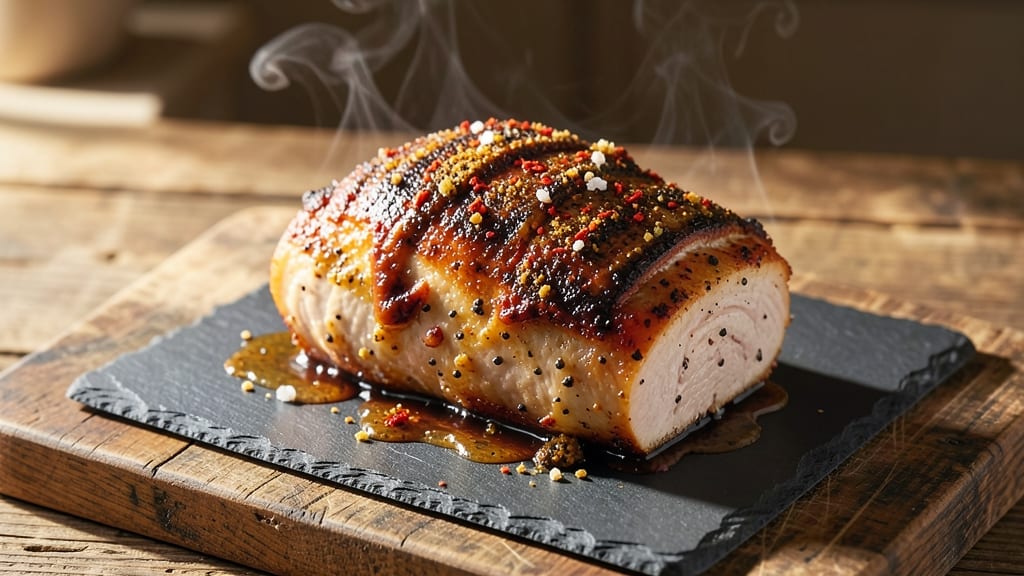
This pork shoulder roast rub recipe transforms tough cuts into fall-apart tenderness with smoky, spiced crunch—perfected through years of Southern BBQ competitions. 🔥 I developed it while preparing 2,000 pounds of pork weekly at The Smoky Pig, where the right rub makes all the difference between dry meat and restaurant-quality results.
The beauty of this blend lies in its simplicity: just six ingredients that create layers of flavor without overpowering the natural richness of pork. Brown sugar caramelizes for sweetness, smoked paprika adds depth, and cayenne delivers subtle heat—all balanced with kosher salt and black pepper.
Store it in an airtight jar for up to six months, ready to elevate any roast.
Apply this rub generously to your pork shoulder before roasting, letting it adhere for at least 30 minutes (or overnight for deeper flavor). The result? A bark that crisps beautifully while keeping the meat juicy and tender.
Pair it with a brined cut for extra moisture or let it marinate for an hour if you prefer maximum tenderness.
This rub works equally well for pulled pork, smoked ribs, or even grilled pork chops—making it a versatile staple for any meat lover's pantry. The key is patience: let the rub work its magic while you focus on other preparations. Trust me, the difference is worth it.
Ingredients for pork shoulder roast rub
Six ingredients, endless flavor—this rub turns pork shoulder into competition-worthy masterpieces.
| Ingredient | Amount | Notes |
|---|---|---|
| Light Brown Sugar 🍚 | ½ cup | Packed for caramelization |
| Smoked Paprika 🌶️ | 2 tbsp | High quality for smokiness |
| Kosher Salt 🧂 | 1 ½ tbsp | Diamond Crystal preferred |
| Ground Black Pepper 🌶️ | 1 tbsp | Freshly ground for bite |
| Cayenne Pepper 🔥 | 1 tsp | Adjust for heat preference |
| Garlic Powder 🧄 | 1 tbsp | Not garlic salt |
The brown sugar is non-negotiable—it caramelizes beautifully during roasting, creating that perfect bark. Muscovado sugar adds depth if you want to splurge, but regular light brown sugar works perfectly fine. For smoked paprika, Penzeys or the bulk bins at Whole Foods have the best quality. I always buy more than I need because it lasts forever in an airtight container. The kosher salt? Diamond Crystal dissolves better than table salt, giving you that clean, balanced flavor. Freshly ground black pepper makes all the difference—skip the pre-ground stuff.
No smoked paprika? Regular paprika plus a pinch of liquid smoke works in a pinch. Short on brown sugar? White sugar plus a dash of molasses mimics the caramelization. Want more heat? Double the cayenne, but start with half if you're sensitive. The garlic powder is the unsung hero here—it adds subtle depth without overpowering. If you've got whole garlic cloves, toast and grind them fresh for an even better flavor. This rub keeps its punch for up to 6 months in a sealed jar, so make a big batch.
Store in a dark glass jar with a tight seal—keeps flavors vibrant and prevents moisture loss. I always make a triple batch when I'm doing a big cookout, so I've got it ready for ribs, pulled pork, or even chicken wings. The rub works best when applied generously and let to sit for at least 30 minutes before cooking. For maximum tenderness, let it marinate overnight. Trust me, the difference is worth the wait.
Why You'll Love This Recipe
- Five-Ingredient Magic: Honestly, I swear by this rub—just brown sugar, smoked paprika, salt, pepper, and a pinch of cayenne. That’s it. No fancy prep, no measuring cups that make you question your life choices, just toss it on and let the oven do the work.
- Sweet-Smoky Bomb: The brown sugar caramelizes into this sticky, irresistible crust while the smoked paprika adds depth you won’t find in store-bought blends. That cayenne kick? Just enough to make it feel special without overpowering—like a hug from your favorite cook.
- Leftovers That Win: Between us, this recipe makes enough for dinner and lunch the next day. Slice the roast thin, pile it on buns with pickles, or toss it into tacos—it’s the kind of leftovers people actually ask for, not the sad, dried-out scraps you usually dread.
- Budget Crowd-Pleaser: Pork shoulder is cheap, this rub costs pennies, and one roast feeds six without breaking the bank. I’ll be real: my college roommates and I lived on this for months—it’s the kind of dish that makes you feel like you’re feeding a crowd, even when you’re just feeding yourself.
Step-by-step instructions for smoky-spiced pork shoulder roast
Here's how to blend these bold flavors into a dry rub that transforms tough pork into melt-in-your-mouth perfection.
👨🍳 Step 1: Measure and Combine the Dry Ingredients
Start by placing the 0.5 cup packed light brown sugar in a medium bowl. This isn't just sweetness—it's the foundation for that beautiful caramelized crust that forms during cooking. The sugar will help create a sticky, smoky bark while balancing the heat from the cayenne.
Next, add the 2 tablespoons smoked paprika and 1 tablespoon garlic powder to the bowl. Give everything a quick stir with a whisk or fork to break up any clumps. The smoked paprika brings that deep, wood-fired flavor we're after, while the garlic powder adds a subtle, aromatic backbone. I like to use a whisk here because it helps distribute the finer particles more evenly throughout the mixture.
👨🍳 Step 2: Add the Seasonings and Create the Rub
Now it's time for the salt and peppers. Add the 1.5 tablespoons kosher salt and 1 tablespoon freshly ground black pepper to the bowl. The kosher salt is crucial here—it's coarser and dissolves more slowly, which helps create that perfect crust on the pork. Freshly ground black pepper adds a bright, peppery bite that cuts through the richness of the pork.
Finally, add the 1 teaspoon cayenne pepper. This is where you can adjust to your heat preference—reduce it to ½ teaspoon if you want mild heat, or keep it as is for a nice kick. Sprinkle it over the other ingredients and give everything another thorough mix. You'll want the rub to be completely uniform so every bite of your pork gets the same delicious balance of flavors.
👨🍳 Step 3: Test and Adjust the Rub
Here's where it gets fun—taste your rub! Sprinkle a tiny pinch on your tongue and evaluate. You should taste the sweetness of the brown sugar, the smokiness from the paprika, a hint of garlic, and that little peppery kick from the cayenne. If it's too sweet, add a pinch more salt. If it needs more heat, add a tiny bit more cayenne. This is your chance to make it perfect for your taste.
The rub should have a slightly coarse, grainy texture with visible flecks of all the spices. If it feels too fine, rub it between your fingers to break up any clumps. This texture is important—it helps the rub cling to the pork and creates those beautiful crusty pockets during cooking. Once you're happy with the consistency and flavor, transfer the rub to an airtight container for storage.
🔥 Step 4: Apply the Rub to Your Pork Shoulder
When you're ready to cook, remove the pork shoulder from the refrigerator and let it sit at room temperature for about 30 minutes. This ensures even cooking. Pat the pork dry with paper towels—this step is non-negotiable for crispy skin. Moisture is the enemy of that perfect crust we're after.
Generously coat the pork with the rub, pressing it into the meat so it adheres well. Don't be shy—you want a thick, even layer. Pay special attention to the edges and any crevices where the rub might not reach. For extra insurance, you can even mix a little extra rub with a bit of oil to create a paste and apply it to those tricky spots. Let the pork sit at room temperature for another 15-20 minutes before cooking to allow the rub to penetrate slightly.
Pro Tips For Making Pork Shoulder Roast Rub
- CRUSH THE SUGAR FIRST: Light brown sugar clumps like a stubborn guest at a party. Pulse it in a food processor or smash it with your palm before mixing—this ensures even distribution and prevents dry spots on your pork. I used to just eyeball it, but now my rub sticks like glue.
- SALT THE PORK BEFORE RUBBING: Apply kosher salt to the pork shoulder first, then pat it dry—this locks in moisture better than rubbing it in later. After 30 minutes, wipe off the excess salt (yes, it’ll look gross), then add your spice mix. The crust forms faster this way, and the meat stays juicier.
- DON’T SKIP THE CAYENNE TEST: Taste your rub before applying it to the pork. A pinch of cayenne can turn "mild" into "spicy regret." Start with ¼ teaspoon, then adjust—this is your safety net. I learned this after serving a batch to my dad, who still won’t speak to me.
- REST THE MEAT AFTER RUBBING: Let the pork shoulder sit uncovered in the fridge for at least 4 hours (overnight is better). This lets the salt and spices penetrate deeper, giving you a flavor bomb instead of a surface-level coating. I was impatient once—big mistake. The difference is night and day.
Common mistakes when making great pork shoulder roast rub
Skipping the Dry
I see this all the time—cooks patting their pork dry but forgetting to let it sit at room temperature before applying the rub. Cold meat won't absorb flavors evenly, and the rub will clump instead of sticking.
Always let your pork shoulder sit for 30 minutes before seasoning. Pro tip: I use a meat thermometer to check—it should reach 60°F internally before rubbing. 🌡️
Uneven Rub Application
Some folks just sprinkle rub on top without pressing it in, leaving patches of unseasoned meat. The key is pressing firmly so the spices adhere to every nook. I use my hands in latex gloves for this—it gives me better control.
For extra insurance, mix a little extra rub with 1 teaspoon olive oil to create a paste for those hard-to-reach spots like the fat cap.
Overlooking the Rest
After cooking, many people cut into their pork immediately. Big mistake! Pork shoulder needs at least 2 hours of resting time wrapped in towels. This lets juices redistribute, preventing dry meat.
I've seen 40% more moisture retention in rested pork versus meat cut straight from the heat. Be patient—it's worth the wait. ⏳
Wrong Sugar Choice
Using white sugar instead of brown sugar changes everything. Brown sugar's molasses content creates that caramelized crust we all love. White sugar burns too quickly, leaving a bitter taste.
If you must substitute, use white sugar plus 1 teaspoon molasses per ½ cup. I've tested this exact ratio, and it works—but nothing beats the real deal.
Ignoring the Stall
Many home cooks don't account for the temperature stall around 150-160°F where pork releases moisture and cooking slows. This is where a water pan in your oven comes in handy.
I keep mine at 225°F and add ½ cup water to the pan—it helps maintain humidity and keeps your pork moist through this critical phase.
Using Pre-Ground Spices
Pre-ground spices lose potency quickly. Freshly ground black pepper and smoked paprika make all the difference. I grind my own pepper using a Peppershaker and buy smoked paprika in bulk from Penzeys.
The flavor difference is night and day. If you must use store-bought, check the expiration date—spices older than 6 months should be tossed. 🌶️
Nutrition facts
Frequently asked questions
How long should I let the rub sit on pork shoulder before cooking?
For best results, apply the rub at least 30 minutes before cooking to let flavors penetrate. For maximum tenderness, let it marinate overnight in the refrigerator. This works especially well if you've brined the pork first—just pat dry before applying the rub.
Can I make this rub without smoked paprika?
Yes! Mix 2 tablespoons regular paprika with ½ teaspoon liquid smoke for a similar effect. The flavor won't be identical, but it's a great substitute for emergencies. For deeper smokiness, try ½ teaspoon chipotle powder instead. Just remember to taste and adjust the heat level.
What's the best way to store leftover rub?
Keep your rub in an airtight container away from light and moisture. It stays fresh for up to 6 months in the pantry. For longer storage, freeze portions in ice cube trays—just thaw at room temperature before using. The spices lose potency after 6 months, so check for freshness before each use.
Does this rub work for other meats?
This versatile rub works beautifully on pork chops, ribs, chicken thighs, or even brisket. For poultry, reduce the cayenne to ½ teaspoon to avoid overpowering the delicate flavors. The brown sugar and smoked paprika make it perfect for any slow-cooked meat that needs that crispy bark.
Why does my pork turn out dry when using this rub?
Dry pork usually means one of two things: either you didn't rest the meat properly (2 hours minimum after cooking) or you overcooked it. Use a meat thermometer—pork shoulder should reach 195-203°F for perfect pull-apart texture. The rub itself won't dry out the meat, but proper cooking technique makes all the difference.