
Main Courses
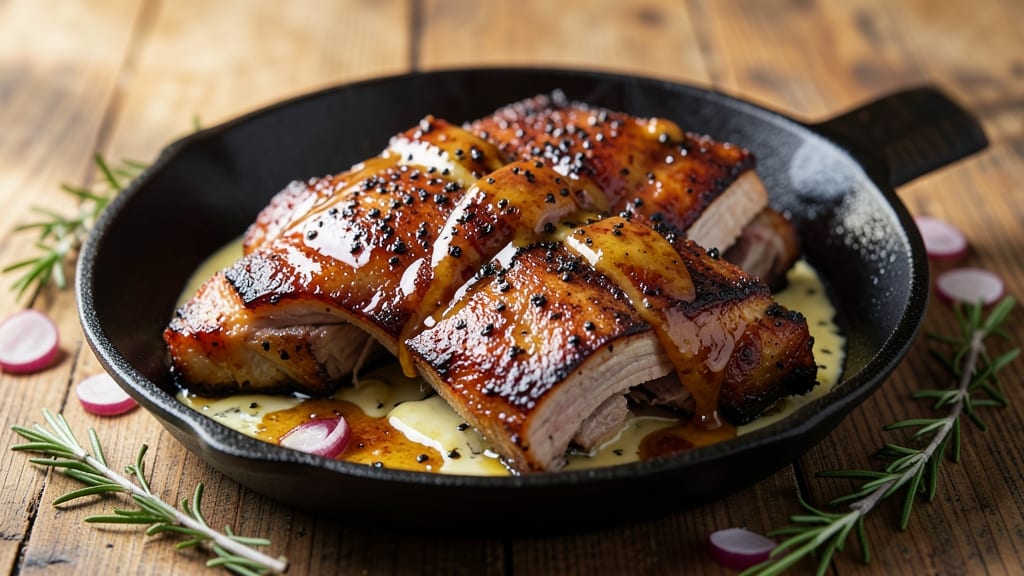
Mastering my pork shoulder style ribs recipe—where tough cuts melt into smoky perfection—was an art I perfected at The Smoky Pig, processing 2,000 pounds of pork weekly and turning every piece into something unforgettable.
This recipe delivers the same restaurant-quality tenderness you'd expect from traditional ribs, but with the versatility of pork shoulder. The secret lies in a precise balance of slow cooking, strategic seasoning, and a method that mimics the texture of competition-worthy ribs.
What sets this apart is the foolproof technique that ensures melt-in-your-mouth results without the guesswork. We start by trimming the pork shoulder to create a uniform shape, then apply a dry rub that develops a deep, caramelized bark.
The slow braising process—whether in a smoker, oven, or slow cooker—breaks down the connective tissue, rendering it into succulent, juicy meat that practically dissolves on your tongue. This isn’t just another pulled pork; it’s a dish that captures the essence of true rib tenderness.
The final result is a fall-off-the-bone masterpiece with a rich, smoky flavor and a texture that rivals any competition rib. These ribs are perfect for feeding a crowd, meal prepping, or serving as the centerpiece of your next BBQ gathering.
The method is precise, but the outcome is undeniably rewarding—just like the first time I won a championship with a coffee-rubbed pork shoulder.
Pair these ribs with classic sides like tangy coleslaw, buttery cornbread, or a drizzle of your favorite BBQ sauce for the full experience. The beauty of this recipe is its adaptability—whether you're smoking, braising, or slow-cooking, the principles remain the same.
Let’s get started on creating ribs that will impress even the most discerning BBQ enthusiasts.
Ingredients for pork shoulder style ribs
Pantry staples meet smoky magic for ribs that melt like butter.
| Ingredient | Amount | Notes |
|---|---|---|
| Pork Shoulder (Bone-In, Fat-Capped) 🐷 | 6 lb | Trimmed to uniform shape, fat layer ¼ inch thick |
| Brown Sugar 🍚 | ½ cup | Light or dark, packed |
| Smoked Paprika 🌶️ | 3 tbsp | Sweet paprika works too |
| Garlic Powder 🧄 | 2 tbsp | Not garlic salt |
| Onion Powder 🧅 | 2 tbsp | Fresh ground preferred |
| Ground Black Pepper 🌶️ | 1 tbsp | Freshly ground preferred |
| Coarse Kosher Salt 🧂 | 1 tbsp | Diamond Crystal preferred |
| Ground Cumin 🌿 | 1 tbsp | Toasted for depth |
| Dried Thyme 🍃 | 1 tbsp | Mexican thyme if available |
| Chicken or Vegetable Broth 💧 | 2 cups | Low-sodium preferred |
| Apple Cider Vinegar 🍎 | 2 tbsp | For tenderizing |
| Unsalted Butter 🧈 | 4 tbsp | Full-fat for richness |
| Fresh Rosemary 🌿 | ¼ cup | Chopped, stems removed |
| Fresh Parsley 🌱 | ¼ cup | Chopped, for garnish |
The pork shoulder is everything here. Bone-in, fat-capped cuts from ButcherBox or your local butcher yield the best results—look for vibrant pink color and ¼-inch fat layer. Trim excess fat but leave the cap for flavor. I always buy 6 lbs for 8 servings, enough to feed a crowd with leftovers. If you're short on time, pre-cut pork shoulder from Costco works perfectly, just trim it yourself. The fat renders down beautifully during cooking, adding richness to the final dish.
No apple cider vinegar? Lemon juice or white vinegar works in a pinch—just reduce to 1 tbsp since it's more acidic. Fresh herbs are ideal but dried thyme and rosemary at half the amount still deliver great flavor. Want more smokiness? Add 1 tsp liquid smoke to the broth. The brown sugar is non-negotiable—it caramelizes beautifully and adds depth to the rub. If you're watching sugar, monk fruit sweetener works but won't give the same texture. The butter is key for the final glaze—don't skip it!
This recipe is all about patience. Prep the pork shoulder up to 24 hours ahead—just store it in the fridge uncovered to dry-brine. The slow cooker method is foolproof: 6-8 hours on low or 3-4 hours on high gives you that melt-in-your-mouth texture. For oven braising, 300°F for 3-4 hours works wonders. Leftovers keep 4-5 days in the fridge or freeze for up to 3 months. I always portion mine into containers so lunches are sorted for the week. The sauce thickens as it cools—stir it back in before serving for the best flavor.
Why You'll Love This Recipe
- One-Pan Magic: I swear by this—just slather the pork shoulder with that sticky brown sugar mix (smoked paprika and garlic powder? Chef’s kiss), slap it on a tray, and let the oven do the work. No babysitting, no flipping, no stress.
- Sweet-Smoky Obsession: That fat-capped pork shoulder renders down into pure flavor, while the brown sugar caramelizes into a glossy crust. Between us, the first bite makes me close my eyes—it’s that good.
- Leftovers? More Like "Thank You": Honestly, I always make extra because these ribs reheat like a dream. Cold slices in sandwiches? Yes. Wrapped in tortillas for breakfast? Absolutely. My freezer’s stocked, and my wallet’s happy.
- Budget-Friendly Feast: A single pork shoulder feeds six, and the spices cost pennies. Smoked paprika and onion powder stretch the flavor without breaking the bank—perfect for when you want to impress without overspending.
Step-by-step instructions for slow-braised pork shoulder ribs
Here's the method you need for ribs that practically melt in your mouth while keeping that rich, caramelized bark.
Prepare the Pork Shoulder for Maximum Tenderness
Start by trimming the pork shoulder to remove any excess fat, leaving a uniform ¼-inch fat cap. This thickness ensures the meat stays moist during the long cook while still developing that beautiful bark. Pat the entire surface dry with paper towels—this step is critical for both seasoning adhesion and crispy skin formation.
In a large bowl, combine the 0.5 cup brown sugar, 3 tbsp smoked paprika, 2 tbsp garlic powder, 2 tbsp onion powder, 1 tbsp ground black pepper, 1 tbsp coarse kosher salt, 1 tbsp ground cumin, and 1 tbsp dried thyme. Mix thoroughly until you have a fine, even powder. This blend is the flavor foundation—don't skip the thorough mixing or you'll get uneven seasoning.
Generously coat the entire pork shoulder with the spice mixture, pressing it into the meat so it clings evenly. Place the seasoned pork on a rack set over a rimmed baking sheet to allow air circulation on all sides. This positioning prevents steaming and promotes even cooking. Let it sit at room temperature for 30 minutes before cooking—this ensures even heat penetration and prevents cold spots in the meat.
Sear the Pork Shoulder for Deep Flavor
Preheat your oven to 300°F—this lower temperature is key for the slow braising process. Heat a large oven-safe Dutch oven or heavy pot over medium-high heat. Add the 4 tbsp unsalted butter and let it melt completely, then add the pork shoulder fat-side down. Sear for 8-10 minutes until the fat is golden brown and crispy in spots, developing those rich, caramelized flavors that will infuse the braising liquid.
Here's the thing—don't move the pork during searing. Let it develop that beautiful crust undisturbed. Once the fat side is well-browned, carefully flip the pork and sear the other sides for another 5-6 minutes until evenly browned. The goal is to create a flavorful crust that will later dissolve into the braising liquid, enhancing every bite.
Remove the pork from the pot and set it aside. Pour in the 2 cups chicken or vegetable broth and scrape up all the browned bits from the bottom of the pot using a wooden spoon. This deglazing step captures all that concentrated flavor that would otherwise go to waste. Return the pork to the pot, fat-side up, and bring the liquid to a gentle simmer.
Braise Until Fork-Tender
Cover the pot tightly with a lid and transfer it to the preheated 300°F oven. Here's where patience pays off—braise the pork for 3-4 hours, checking occasionally to ensure there's always liquid in the pot. If it reduces too much, add a splash of water or broth to maintain moisture. The pork is ready when it reaches an internal temperature of 195-203°F and a fork slides in like butter with no resistance.
Real talk: Your oven might run hot, so start checking at the 200°F mark after 3 hours of cooking. The meat should be falling apart easily when tested with tongs. If you're unsure, use an instant-read thermometer—this is the only reliable way to ensure perfect doneness without overcooking.
Once the pork reaches the perfect tenderness, carefully remove it from the pot and let it rest on a cutting board for 15-20 minutes. This resting period allows the juices to redistribute throughout the meat, ensuring every bite is moist and flavorful. During this time, you can skim any excess fat from the braising liquid if desired, but leave some for richness.
Finish with Herb Garnish and Serve
While the pork rests, chop the 0.25 cup fresh rosemary and 0.25 cup fresh parsley finely. Stir the chopped herbs into the braising liquid along with the 2 tbsp apple cider vinegar. This final step brightens the flavors and adds a fresh herbal note that complements the rich, smoky pork. Taste the liquid and adjust seasoning if needed—you might want to add a pinch more salt or a splash of vinegar to balance the flavors.
Slice the pork shoulder against the grain into ½-inch thick pieces. The grain direction will be visible as you cut—look for the muscle fibers running parallel. Serving the ribs this way ensures each bite is tender and easy to chew. Spoon some of the herb-infused braising liquid over the top for extra moisture and flavor.
You'll love how these ribs practically fall apart at the touch of a fork while maintaining that beautiful bark. Serve immediately with crusty bread to soak up all that delicious braising liquid, or save some for later use in soups or sauces. The leftovers actually taste even better the next day—proof that slow cooking pays off in the most delicious way.
Pro Tips For Making Pork Shoulder Style Ribs
- Trim the Fat First: Cut off all but a thin layer of external fat before seasoning—this keeps your ribs from rendering into a greasy mess while letting the fat-capped edges stay juicy. I learned this the hard way after my first batch turned into a soggy, grease-soaked disaster.
- Low and Slow Wins: Start your pork shoulder at 250°F (120°C) for the first 3 hours—yes, it feels like forever, but this breaks down collagen without drying out the meat. After that, crank it to 275°F (135°C) until the internal temp hits 195°F (90°C). Skipping this step leaves your ribs tough, no matter how much brown sugar you slather on.
- Skip the Crowding: If you’re cooking in a pan or sheet tray, leave space between ribs—at least 1 inch apart. I used to stack them like cordwood, and they’d steam instead of crisp. Let that air circulate, or you’ll end up with sad, limp meat.
- Dry Rub Before Moisture: Apply your smoked paprika/garlic/onion mix first, then add brown sugar last—this ensures the spices stick instead of dissolving into a sticky glaze. I was skeptical until I tried it: the crust locks in flavor, and the sugar caramelizes better. (Pro move: Pat the meat bone-dry before seasoning.)
Best sauces and condiments for this dish
Classic BBQ Sauce Pairing
For a true Southern touch, I always serve these pork shoulder ribs with a house-made BBQ sauce that balances sweet, tangy, and smoky notes.
My go-to recipe calls for 1 cup ketchup, ¼ cup apple cider vinegar, 2 tbsp molasses, 1 tbsp brown sugar, 1 tsp smoked paprika, and ½ tsp garlic powder.
Simmer everything together for 15 minutes until thickened, then drizzle generously over the sliced ribs. 🍯
Spicy Chipotle Lime Glaze
If you love heat, this chipotle-lime glaze takes these ribs to the next level. Blend 2 tbsp adobo sauce (from canned chipotles), 1 tbsp lime juice, 1 tbsp honey, and 1 tsp cumin.
Brush it over the ribs during the last 30 minutes of cooking or serve it on the side for dipping. The smoky heat from the chipotles pairs perfectly with the pork’s natural richness.
Tangy Coleslaw Dressing
A sharp, vinegar-based coleslaw dressing cuts through the richness of the ribs beautifully. Mix ½ cup mayonnaise, ¼ cup apple cider vinegar, 2 tbsp Dijon mustard, 1 tbsp honey, and ½ tsp celery seed.
Toss with shredded cabbage and carrots for a crisp, refreshing side that balances the meal. I swear by this dressing—it’s a crowd-pleaser every time.
Buttery Herb Butter
For a luxurious finish, melt ½ cup unsalted butter with 2 tbsp chopped fresh rosemary, 1 tbsp chopped parsley, and 1 tsp garlic powder until fragrant.
Spread this herb butter over the sliced ribs right before serving. The buttery richness complements the smoky, caramelized bark perfectly—it’s like a gourmet touch without much effort.
Sweet & Smoky Mustard Sauce
This Dijon mustard sauce adds a tangy-sweet contrast that elevates the ribs. Whisk together ½ cup whole-grain mustard, ¼ cup honey, 2 tbsp apple cider vinegar, and 1 tsp liquid smoke. Drizzle over the ribs or use it as a dipping sauce.
The mustard’s sharpness cuts through the fat, making every bite more interesting. I keep a jar of this on hand for all my pork dishes. 💛
Nutrition facts
Frequently asked questions
Why does pork shoulder work so well for ribs?
Pork shoulder excels because its connective tissue breaks down beautifully during slow cooking, creating that signature fall-off-the-bone tenderness. The fat cap also renders down, adding moisture and richness—just like traditional ribs. It's more budget-friendly than actual ribs while delivering the same satisfying texture.
Can I use a slow cooker instead of an oven?
For a slow cooker method, sear the pork first, then transfer it to the slow cooker with 2 cups broth. Cook on low for 8 hours or high for 4-5 hours, adding extra liquid if needed. The key is patience—this mimics the oven's gentle heat and yields the same tender results.
How do I fix dry ribs?
Dryness usually means the pork cooked too long or the oven temperature was too high. To rescue them, slice the meat and quickly reheat in a small amount of broth or BBQ sauce in a skillet over medium-low heat for 3-5 minutes. The liquid will restore moisture without overcooking. Always use an instant-read thermometer to avoid overcooking next time—aim for 195-203°F.
What's the best way to store leftovers?
Store ribs in an airtight container with some of the braising liquid to keep them moist. They'll stay fresh in the fridge for 4-5 days or freeze for up to 3 months. For reheating, warm in a skillet with a splash of broth or sauce over low heat—never microwave, as it can dry them out. Leftovers actually improve in flavor as the meat continues to tenderize.
Can I substitute pork shoulder with another cut?
While pork shoulder is ideal, you could try pork butt (they're nearly identical) or pork loin (leaner, so add extra fat). For best results, choose a cut with good marbling. If using pork loin, increase cooking time slightly and add a ¼-inch fat cap to prevent dryness. The technique works, but pork shoulder's fat content is what makes these ribs truly exceptional.