
Main Courses
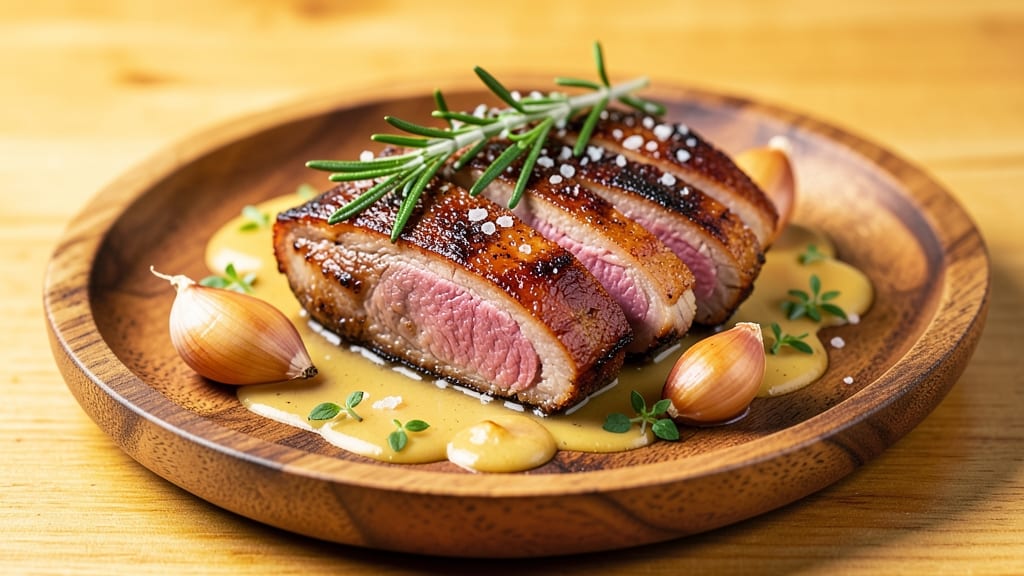
This pork sirloin recipe delivers restaurant-quality results with a crispy garlic butter crust that transforms simple ingredients into a standout main course. Growing up in small-town Georgia, I learned that pork cuts best when cooked with precision—high heat for searing and careful timing to lock in juices.
The secret lies in the crust: compound butter infused with fresh garlic and herbs creates that golden, shatteringly crisp exterior while keeping the interior tender.
The technique is straightforward but yields professional results: begin with a dry-brined sirloin to enhance tenderness, then sear in a screaming-hot cast iron skillet until deeply browned. What sets this apart is the garlic butter basting—just 3 minutes of basting transforms the crust from good to unforgettable.
This method works equally well for weeknight dinners or special occasions, requiring only 20 minutes of active time for a dish that feels like a celebration.
By the time you plate it, you'll have perfectly seared pork sirloin with a caramelized crust that crackles when cut, revealing juicy pink centers. The garlic butter adds layers of aromatic richness that complement any side—roasted vegetables, mashed potatoes, or a crisp green salad.
The dish serves 4 generously, making it ideal for intimate gatherings or when you want to impress without elaborate prep.
For those who love pork, this recipe bridges the gap between home cooking and fine dining. The same principles apply whether you're using a heritage cut from my farm or a high-quality sirloin from your local butcher.
Master this technique, and you'll have the confidence to tackle any cut of pork with professional results every time.
Ingredients for pork sirlion
Pantry staples plus a handful of fresh herbs make this crispy pork sirlion shine.
| Ingredient | Amount | Notes |
|---|---|---|
| Pork Sirlion 🥩 | 1 ½ lb | Center-cut, 1-inch thick slices |
| Unsalted Butter 🧈 | ½ cup | Cold, cut into 1-inch cubes |
| Garlic Cloves 🧄 | 6 cloves | Fresh, smashed but not minced |
| Fresh Rosemary 🌿 | ¼ cup | Finely chopped, stems removed |
| Fresh Thyme Leaves 🌿 | ⅛ cup | From 4 sprigs, finely chopped |
| Kosher Salt 🧂 | 1 ½ tsp | For brining and seasoning |
| Black Peppercorns 🌶️ | 1 tsp | Freshly cracked, coarse grind |
| Vegetable Oil 🫒 | 2 tbsp | High smoke point for searing |
| All-Purpose Flour 🌾 | 2 tbsp | For dredging if needed |
| Lemon Juice 🍋 | 1 tbsp | Freshly squeezed, for finishing |
The pork cut matters most—center-cut sirlion stays tender while searing. Whole Foods or local butchers often have the best quality, but any reputable grocery store's meat department will work. Look for good marbling and ask for 1-inch thick slices. I always buy mine a day ahead and let it sit uncovered in the fridge to dry-brine naturally. The herbs? Fresh is non-negotiable here—dried just won't give that same aromatic punch. If you're short on time, the rosemary can handle a little wilting, but thyme should be vibrant green.
No fresh rosemary? Substitute with 1 tbsp dried, but trust me on this—it's worth the trip to the market. Running low on thyme? Oregano or marjoram at half the amount works in a pinch. The butter needs to be cold when you cube it—take it out of the fridge 30 minutes before you start. For the lemon, if you only have wedges, juice 2 wedges (about 1 tbsp). The vegetable oil is just for searing—any neutral oil works, but avocado or grapeseed oil have higher smoke points. Skip the flour if you're confident in your sear—it's only there for extra insurance.
This dish reheats beautifully—350°F for 10 minutes with a little extra butter. Keeps 3-4 days in the fridge, but honestly, it's best within 2 days. For leftovers, slice against the grain and serve with extra garlic butter drizzled on top. The crust loses its crispiness after reheating, so I usually save it for sandwiches the next day. Freeze portions for up to 2 months—thaw overnight in the fridge before reheating.
Why You'll Love This Recipe
- One-Pan Magic: I swear by this—just sear the sirlion, toss in garlic and herbs, let butter baste it all. No extra dishes, no stress. That golden crust forms while you’re still chopping veggies for the side.
- Herb-Packed Punch: The rosemary and thyme cling to the meat like a hug—earthy, bright, and just salty enough from the butter. Honestly, the first bite makes me forget it’s pork. (Yes, even if you’re not a fan.)
- Weeknight Workhorse: Throw it on the table for date night, game day, or a lazy Sunday. Slice it thin for sandwiches, cube it for salads, or serve it whole with crusty bread. It’s the kind of dish that does the work for you.
- Budget-Friendly Luxury: Sirlion’s cheaper than ribeye but tastes like you splurged. A single cut feeds four, and leftovers reheat beautifully—toss them in pasta or a frittata. My wallet and my family thank me every time.
Step-by-step instructions for pan-seared pork sirlion with garlic butter crust
Here's how to achieve a perfectly seared pork sirlion with a rich garlic butter crust every time.
Prepare the Pork Sirlion and Herb Butter
Begin by patting the 1.5 lb pork sirlion completely dry with paper towels. This step is crucial for achieving that crispy crust we're after. Season both sides generously with 1.5 teaspoons kosher salt and 1 teaspoon freshly cracked black peppercorns, pressing the seasoning into the meat so it adheres well.
In a small bowl, combine the 0.5 cup cold unsalted butter with the 0.25 cup finely chopped fresh rosemary and 0.125 cup finely chopped fresh thyme leaves. Mix gently to distribute the herbs evenly throughout the butter. This herb butter will create our signature flavorful crust. Let this mixture sit at room temperature while you prepare the pork.
Sear the Pork Sirlion to Perfection
Heat a large skillet over medium-high heat until it's very hot. Add 2 tablespoons vegetable oil and swirl to coat the pan evenly. Place the seasoned pork sirlion in the skillet and cook undisturbed for 4-5 minutes on each side. You'll know it's ready to flip when you see a deep golden-brown crust forming and the meat releases easily from the pan.
Here's where it gets important: during the last minute of cooking on each side, press down gently on the pork with a spatula. This helps flatten the meat slightly and creates that beautiful crust we're aiming for. The internal temperature should reach 135°F at this stage—it will continue rising as it rests.
Create the Garlic Butter Crust
Remove the pork from the skillet and set it aside on a warm plate. Reduce the heat to medium and add the 6 smashed garlic cloves to the same skillet. Cook for 30 seconds until they're lightly golden and fragrant—don't let them burn, or they'll turn bitter.
Quickly return the pork to the skillet and spoon the herb butter mixture over the top. Tilt the pan slightly to coat the meat evenly with the melted butter. Let it cook for 1-2 minutes until the butter bubbles and forms a glossy crust. This is where all the flavors come together—watch carefully so the butter doesn't burn.
Finish with Lemon and Rest
Remove the pork from the skillet and transfer it to a cutting board. Drizzle with 1 tablespoon freshly squeezed lemon juice and let it rest for 5-10 minutes before slicing. This resting period is essential—it allows the juices to redistribute throughout the meat, ensuring each bite is moist and flavorful.
While the pork rests, you can use the remaining herb butter in the skillet to make a quick sauce if desired. Simply add 2 tablespoons all-purpose flour and whisk to combine, then slowly add a splash of water or broth to create a light pan sauce. Slice the pork against the grain into ½-inch thick pieces and serve immediately with your favorite sides.
Pro Tips For Making Pork Sirlion
- Sear First, Butter Later: DESCRIPTION: Get that pan screaming hot before adding the pork—cast iron or stainless steel works best. Once you see a deep sear, pull it out and set aside. Then melt your unsalted butter in the same pan, scraping up all those browned bits (that’s flavor gold). I used to rush this, and the meat always tasted flat.
- Smash That Garlic: DESCRIPTION: Don’t just mince those garlic cloves—give them a good smash with the flat side of your knife first. This releases more flavor when they hit the hot butter. And skip the pre-cooking: toss them in raw at the end with the herbs. They’ll soften perfectly without burning.
- Don’t Overcrowd the Pan: DESCRIPTION: If your pork sirlion slices are too thick or you’re cooking more than one batch, resist the urge to stack them. Cook in a single layer, even if it takes an extra minute. Crowding steams the meat instead of searing it, and that’s how you end up with sad, greasy pork.
- Rest Under Foil: DESCRIPTION: Once your pork is done, transfer it to a plate, tent loosely with foil, and let it sit for 5-10 minutes. This keeps it juicy—no one wants dry slices, especially when you’ve put in the work. I skip this sometimes, and the difference is noticeable.
Best sauces and condiments for pork sirlion
Garlic Butter Sauce
This is my go-to sauce for pork sirlion—simple yet packed with flavor. After searing the meat, I melt 2 tbsp unsalted butter in the same skillet, then add 3 smashed garlic cloves and 1 tsp fresh thyme leaves.
Cook for just 30 seconds until fragrant, then pour over the sliced pork. The residual heat finishes the sauce beautifully, creating a glossy, aromatic coating that ties all the flavors together. 💛
Red Wine Reduction
For a more sophisticated touch, deglaze the skillet with ¼ cup dry red wine (like a bold Cabernet Sauvignon) after removing the pork. Simmer for 2-3 minutes until reduced by half, then whisk in 1 tbsp cold butter to finish.
This sauce adds depth and a touch of acidity that cuts through the richness of the pork. I often use this when serving to guests who appreciate a restaurant-quality dish.
Chimichurri Sauce
For a fresh, herb-forward option, blend ½ cup parsley, ¼ cup cilantro, 3 garlic cloves, 2 tbsp red wine vinegar, ½ cup olive oil, 1 tsp red pepper flakes, and ½ tsp salt.
This bright, tangy sauce pairs wonderfully with the rich pork and adds a vibrant pop of color to the plate. I like to serve it on the side so everyone can adjust to their taste.
Apple Cider Glaze
A sweet-and-tangy glaze elevates the dish for fall gatherings. Simmer ½ cup apple cider with 1 tbsp brown sugar and 1 tsp Dijon mustard until reduced by half. Brush over the sliced pork just before serving.
The caramelized edges and fruity notes create a perfect balance with the savory meat. This works especially well with roasted root vegetables on the side.
Creamy Horseradish Sauce
For those who love a kick of heat, whip together ½ cup sour cream, 2 tbsp prepared horseradish cream, 1 tbsp Dijon mustard, and a pinch of salt. This creamy, spicy sauce adds a bold contrast to the tender pork.
I often serve this during winter months when the heat complements the richness of the dish. It's a crowd-pleaser at holiday gatherings.
Pan Sauce Upgrade
After searing the pork, don't discard the browned bits! Add 2 tbsp flour to the skillet and whisk to combine, then slowly pour in ½ cup chicken broth while stirring. Simmer for 2 minutes until thickened, then finish with 1 tbsp butter.
This simple technique transforms pan drippings into a velvety sauce that ties the entire meal together. It's my secret for making even simple dishes feel special. 🍴
Nutrition facts
Frequently asked questions
What's the best thickness for pork sirloin slices?
1-inch thick slices are ideal—they sear perfectly on the outside while staying tender inside. Thinner cuts (½-inch) risk overcooking, while thicker ones (>1.5 inches) may not develop a proper crust. Ask your butcher to cut it this way for you!
Can I use frozen pork sirloin for this recipe?
Never! Frozen meat releases moisture when cooking, preventing that crispy crust. Thaw overnight in the fridge instead—24 hours per pound is safest. Pat it very dry before seasoning to compensate for any surface moisture.
Why does my pork turn out dry?
Overcooking is the #1 culprit—pork sirloin should hit 135°F internal (it rises to 145°F while resting). Another mistake? Skipping the rest time. Let it sit 5-10 minutes before slicing, or juices will leak out. For extra moisture, baste with pan drippings during the last 2 minutes of cooking.
What's the best substitute if I don't have fresh herbs?
Use 1 tbsp dried rosemary and ½ tsp dried thyme—but expect less vibrant flavor. For garlic, 2 tsp minced jarred garlic works in a pinch (sauté longer to remove moisture). The butter still needs to be cold—freeze it 10 minutes if needed to firm up.
How do I make this recipe on the grill?
Preheat grill to medium-high (400°F) and oil grates well. Sear pork 3-4 minutes per side until browned, then move to indirect heat. Baste with melted herb butter for 2 minutes before finishing. Use a meat thermometer—135°F internal is perfect. The crust won't be as crispy as pan-seared, but it'll still be delicious!