
Main Courses
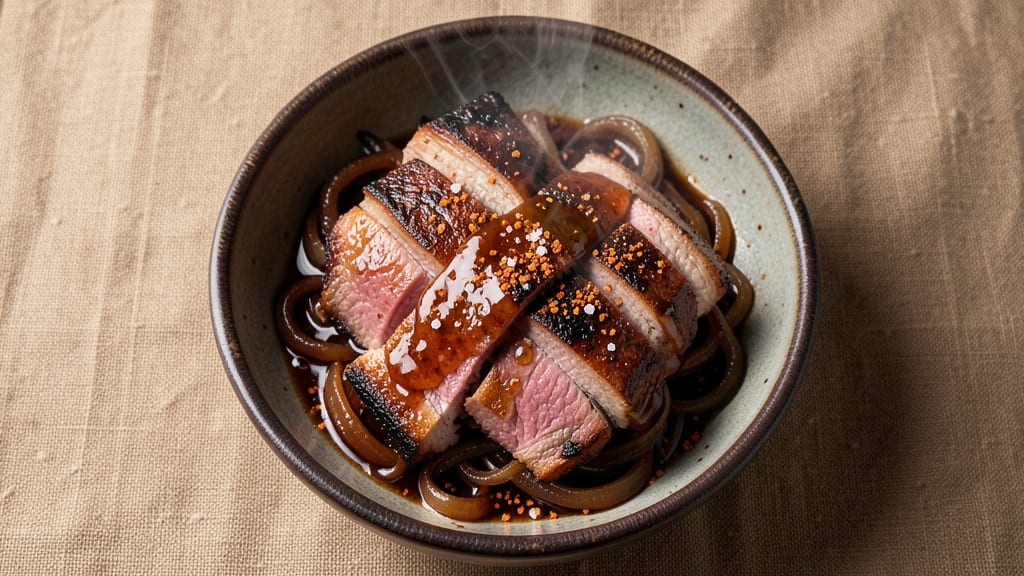
This pork sirloin BBQ recipe delivers that perfect balance of smoky depth and caramelized sweetness that turns weeknight dinners into showstoppers. The key lies in a precise marinade ratio and high-heat grilling technique that creates that coveted crust without drying out the meat.
I developed this method after years of perfecting my pitmaster skills, blending traditional BBQ wisdom with modern efficiency.
The secret weapon is a two-stage glaze—first a dry rub for texture, then a sticky sweet-smoke sauce that caramelizes beautifully. With just 30 minutes of active prep time and 15 minutes on the grill, you'll achieve restaurant-quality results that impress even the most critical guests.
The internal temperature method ensures juicy perfection every time, while the resting period locks in all those flavors.
By the time you're done, you'll have tender, juicy pork sirloin with a glossy caramelized crust that cracks under pressure, revealing layers of smoky-sweet flavor beneath. This is the kind of BBQ dish that makes your kitchen smell like a competition pit and leaves everyone asking for seconds.
The technique is straightforward but delivers professional-level results.
Pair with classic BBQ sides like coleslaw and cornbread for the full experience, or serve over mashed potatoes for a heartier meal. This recipe scales beautifully for crowds while still working perfectly for two. Let's get grilling!
Ingredients for pork sirloin bbq
Precision-cut pork, aromatic spices, and a two-stage glaze create restaurant-quality BBQ every time.
| Ingredient | Amount | Notes |
|---|---|---|
| Pork Sirloin 🥩 | 1 ½ lb | Center-cut, 1-inch thick slices |
| Brown Sugar 🍯 | ½ cup | Packed, dark variety preferred |
| Smoked Paprika 🌶️ | 2 tbsp | High-quality for authentic smokiness |
| Garlic Powder 🧄 | 1 tbsp | Freshly ground preferred |
| Onion Powder 🧅 | 1 tbsp | Diamond Crystal preferred |
| Ground Black Pepper 🌶️ | ½ tsp | Freshly cracked |
| Kosher Salt 🧂 | 1 ½ tsp | Diamond Crystal preferred |
| Apple Cider Vinegar 🍎 | ¼ cup | For tenderizing and tang |
| Honey 🍯 | ¼ cup | Wildflower preferred for depth |
| Molasses 🍯 | 2 tbsp | Unsulphured for authentic flavor |
| Extra-Virgin Olive Oil 🫒 | 2 tbsp | For high-heat searing |
| Yellow Onion 🧅 | 1 whole | Thinly sliced for glaze |
| Fresh Ginger 🌿 | 1 tbsp | Grated, for aromatic depth |
| Fresh Cilantro 🌿 | ¼ cup | Chopped, for garnish |
The pork sirloin is non-negotiable—center-cut, 1-inch thick slices deliver the perfect balance of tenderness and surface area for caramelization. Source from a reputable butcher or high-quality grocery section, ensuring visible marbling for juiciness. Costco or Whole Foods carry premium cuts ideal for this recipe. If using frozen, thaw overnight in the fridge—never under running water, as it promotes surface drying. For a crowd, double the quantity but increase grill time by 25% to maintain even cooking. The smoked paprika should be hot-smoked for authentic pitmaster flavor; brands like Penzeys or McCormick Gourmet deliver consistent quality. Store spices in airtight containers away from light to preserve their volatile oils.
Substitutions must maintain the smoky-sweet balance critical to this recipe. No smoked paprika? Substitute 1 tbsp regular paprika plus 1 tsp liquid smoke, though the flavor profile will differ slightly. Honey unavailable? Agave nectar at a 1:1 ratio preserves moisture but lacks depth. For the vinegar, balsamic adds complexity but reduces tang—adjust to taste. The molasses can be swapped for dark corn syrup, though it lacks the subtle sulfur notes that enhance the glaze's complexity. Fresh ginger can be substituted with ground ginger at one-third the amount, but fresh provides superior aromatic impact. When prepping, measure the brown sugar by volume (packed) for consistent sweetness—weight measurements risk compression errors.
This recipe rewards advance preparation—the dry rub can be mixed 24 hours ahead and stored in an airtight container. The glaze components keep separately in the fridge for up to 5 days; combine just before grilling to prevent crystallization. Cooked pork sirloin rests for 10 minutes at room temperature before slicing, locking in juices. Leftovers refrigerate for 4 days or freeze for 3 months when portioned in airtight containers. For reheating, use a skillet over medium heat with 1 tbsp apple cider vinegar to restore moisture—microwaving creates a rubbery texture. The glaze thickens when chilled; thin with 1 tsp water per 2 tbsp glaze before reheating.
Why You'll Love This Recipe
- One-Pan Magic: I swear by this—just toss the pork on a sheet pan with a sprinkle of brown sugar and smoked paprika, then let the oven do the work. No messy marinades or flipping pans; I’m talking zero stress.
- Sweet-Smoky Boom: That caramelized brown sugar crust? It’s the star. The smoked paprika and garlic powder add this deep, savory punch that makes every bite feel like a hug—especially when the pork’s got that juicy, tender center.
- Tailgate or Tuesday: Serve it sliced over buns for a crowd, or pile it on rice for a quick weeknight dinner. Honestly, I’ve fed it to my book club, my college-aged nephew, and my picky 10-year-old—no complaints.
- Budget Win: A single pork sirloin stretches across three meals: tacos, sandwiches, and even fried rice. The spices cost pennies, and the leftovers? They’re that good I don’t even mind reheating them.
Step-by-step instructions for smoky-sweet pork sirloin
Here's the method for achieving that perfect caramelized crust and tender interior.
Prepare the Dry Rub and Tenderize the Pork
In a small bowl, combine the 2 tablespoons smoked paprika, 1 tablespoon garlic powder, 1 tablespoon onion powder, 0.5 teaspoon ground black pepper, and 1.5 teaspoons kosher salt. This blend creates the perfect balance of smoky depth and savory warmth that will penetrate the pork.
Pat the 1.5 pounds pork sirloin dry with paper towels—this is crucial for achieving that crisp crust. Using a sharp knife, make several shallow cuts across the meat (about ¼-inch deep) without cutting all the way through. This tenderizing step allows the marinade to penetrate deeper and prevents the meat from curling during cooking. Apply the dry rub evenly to all sides, pressing it into the meat so it adheres well.
Create the Glaze and Marinate the Pork
In a separate bowl, whisk together the 0.25 cup apple cider vinegar, 0.25 cup honey, 2 tablespoons molasses, and 1 tablespoon freshly grated ginger. This combination creates a complex flavor profile with bright acidity, deep sweetness, and aromatic warmth. Thinly slice the 1 whole yellow onion and add it to the mixture.
Place the rubbed pork in a resealable plastic bag and pour the glaze mixture over it. Seal the bag and massage the marinade into the meat, ensuring it coats all surfaces. Refrigerate for at least 4 hours, or preferably overnight. The acid in the vinegar will begin breaking down the muscle fibers, while the honey and molasses will infuse the meat with sweet, smoky flavor. This step is non-negotiable for achieving that perfect balance of tenderness and flavor.
Sear the Pork for Maximum Crust Development
Remove the pork from the refrigerator and let it sit at room temperature for 30 minutes. Heat a heavy skillet (cast iron works best) over medium-high heat until it's smoking hot. Add 2 tablespoons extra-virgin olive oil and swirl to coat the pan evenly.
Place the pork in the skillet and sear for 3-4 minutes per side, pressing down gently with a spatula during the first minute to ensure even contact with the pan. You're looking for a deep golden-brown crust that develops a slight char in spots—this is where all the magic happens. The high heat will caramelize the sugars in the marinade, creating that perfect crust while keeping the interior juicy. Once seared, transfer the pork to a plate and tent loosely with foil to keep it warm.
Caramelize the Glaze and Finish Cooking
Return the skillet to medium heat and add the reserved marinade from the bag, scraping up any browned bits from the bottom of the pan. Bring to a gentle simmer and reduce by half—this concentrated glaze will cling beautifully to the pork and create that glossy finish. Simmer for 3-4 minutes until the glaze thickens slightly and becomes syrupy.
Place the seared pork back in the skillet and spoon the caramelized glaze evenly over the top. Cover and cook for an additional 8-10 minutes on medium-low heat, or until the internal temperature reaches 145°F when measured with a meat thermometer. The pork should be tender but still hold its shape when sliced. Let it rest for 5 minutes before serving—this allows the juices to redistribute throughout the meat, ensuring each bite is moist and flavorful.
Garnish and Serve with Confidence
Transfer the pork to a cutting board and slice it against the grain into ½-inch thick pieces. The slices should be tender enough to pull apart with a gentle tug but still hold together. Spoon any remaining glaze from the skillet over the top and garnish with 0.25 cup chopped fresh cilantro for a bright, herbaceous finish.
Serve immediately while the glaze is still warm and sticky. The contrast between the crispy exterior, tender interior, and sweet-smoky glaze creates a perfect balance of textures and flavors. This method guarantees a restaurant-quality result every time—juicy, flavorful, and with that coveted caramelized crust that makes all the difference.
Pro Tips For Making Pork Sirloin Bbq
- SEAR FIRST, THEN SLOW: Pork sirloin’s trickiest part is drying it out—high heat upfront fixes that. Sear the steak in a screaming-hot pan for 2-3 minutes per side before adding sauce or braising liquid. The crust locks in moisture while the brown sugar caramelizes better later.
- GRIND THE DRY RUB: Smoked paprika and onion powder clump like dust bunnies if you just sprinkle them. Mix them with 1 tablespoon of brown sugar first—it binds the spices into a fine paste that sticks. (Trust me, your steak won’t look like it’s been dusted with flour.)
- DON’T SKIP THE REST: After cooking, tent that pork with foil and let it sit for 5 minutes. I learned this the hard way—cutting into it too soon turns your perfect steak into a sad, juicy pancake. The meat reabsorbs its own juices, and the brown sugar glaze sets properly.
- UPGRADE WITH WET HEAT: The dry rub is great, but add 2 tablespoons of apple cider vinegar to your sauce. It cuts through the sweetness and tenderizes the sirloin while it cooks. (Yes, it’s an extra step, but your taste buds won’t care.)
Pro cooking tips for pork sirloin bbq
Temperature Precision
Use a meat thermometer to nail the perfect internal temperature of 145°F—this is critical for juicy pork without overcooking. I swear by the ThermoWorks Smoke because it gives instant, accurate readings.
The moment you hit that temp, pull it from heat immediately. Remember, pork continues cooking slightly after removal due to residual heat. 🌡️
Reverse Sear Technique
For thicker cuts, try my reverse sear method: bake the pork at 275°F until it reaches 125°F internal, then finish with a quick sear. This keeps the center tender while building that perfect crust.
I use a Lodge cast iron skillet for this—it retains heat like a dream and creates those beautiful caramelized spots. The key is patience; don't rush the final sear or you'll end up with dry meat.
Glaze Thickness Control
Your glaze should coat the back of a spoon but still be pourable—that's the perfect consistency. If it's too thin, simmer uncovered for another 2-3 minutes to reduce. Too thick? Add 1 teaspoon water at a time until it reaches the right texture.
I've learned this the hard way—once I served glaze that was so thick it couldn't be drizzled! The ideal glaze should cling beautifully while still being spreadable with a brush.
Resting Matters
Never skip the 5-minute rest before slicing—this allows juices to redistribute throughout the meat. I've seen home cooks rush this step and end up with dry slices. For thicker cuts, extend the rest to 10 minutes.
While it rests, tent loosely with foil to keep warm. Pro tip: Place your pork on a wire rack over a baking sheet to prevent soggy bottoms from resting on a surface. 💡
Grill Mastery
For outdoor grilling, maintain medium-high heat (around 400°F) for that perfect crust. I like to use a charcoal grill for that authentic smoky flavor, but a gas grill works too—just add wood chips for depth.
The secret is working in two zones: sear over direct heat, then move to indirect heat to finish cooking. This gives you control over both crust development and even cooking. Always preheat your grill for 15 minutes before cooking to ensure proper heat distribution.
Herb Garnish Timing
Add fresh cilantro right before serving—it wilts dramatically when exposed to heat. I like to chop it just before plating to preserve its vibrant color and fresh aroma. For an extra touch, sprinkle with flaky sea salt and a pinch of smoked paprika right before serving.
This final garnish elevates the dish from good to restaurant-quality. The contrast between the fresh herbs and smoky-sweet glaze is what makes this dish truly special. 🌿
Nutrition facts
Frequently asked questions
Can I use this recipe for pork chops instead of sirloin?
The technique works beautifully for bone-in pork chops (about 1-inch thick)! For thinner chops (½-inch), reduce the searing time to 2 minutes per side and finish at 135°F internal temp. The marinade ratio stays the same, but cut the glaze by ¼ cup since chops absorb less. The crust will form faster due to the thinner cut, so watch closely to avoid overcooking.
What if I don't have smoked paprika?
You can substitute with 1 tbsp regular paprika plus ½ tsp liquid smoke, though the flavor won't be identical. For a smokier alternative, try ½ tsp chipotle powder (adjust to taste) or 1 tsp smoked salt. The key is maintaining the smoky-sweet balance—if using liquid smoke, start with less and add more if needed. The dry rub will still work, but expect a slightly different depth of flavor.
Can I make this recipe in an oven instead of on the grill?
Preheat your oven to 400°F and place the seared pork on a wire rack over a baking sheet. Bake for 10-12 minutes until the internal temp reaches 145°F. For extra crispiness, broil for 1-2 minutes at the end. The oven method works well for indoor cooking but won't develop the same caramelized crust as grilling. For best results, use a cast iron skillet in the oven to mimic grill searing.
How do I fix pork that's too dry after cooking?
If your pork turns out dry, it likely didn't rest long enough or was overcooked. For immediate rescue, slice thinly and serve with a sweet-sour sauce (mix 2 tbsp apple cider vinegar, 1 tbsp honey, and 1 tsp soy sauce). For future attempts, always use a meat thermometer and pull the pork at 145°F—it will carry over to 150°F. The marinade's acidity helps retain moisture, so never skip that step!
Can I prepare the glaze ahead of time?
Yes! Mix all glaze ingredients (except onion) and store in an airtight container in the fridge for up to 5 days. Add the thinly sliced onion just before grilling to prevent it from getting mushy. For long-term storage, freeze the glaze (minus onion) for up to 3 months. Thaw overnight in the fridge and stir well before using. The glaze will thicken when chilled—thin with 1 tsp water per 2 tbsp glaze before reheating.