
Main Courses
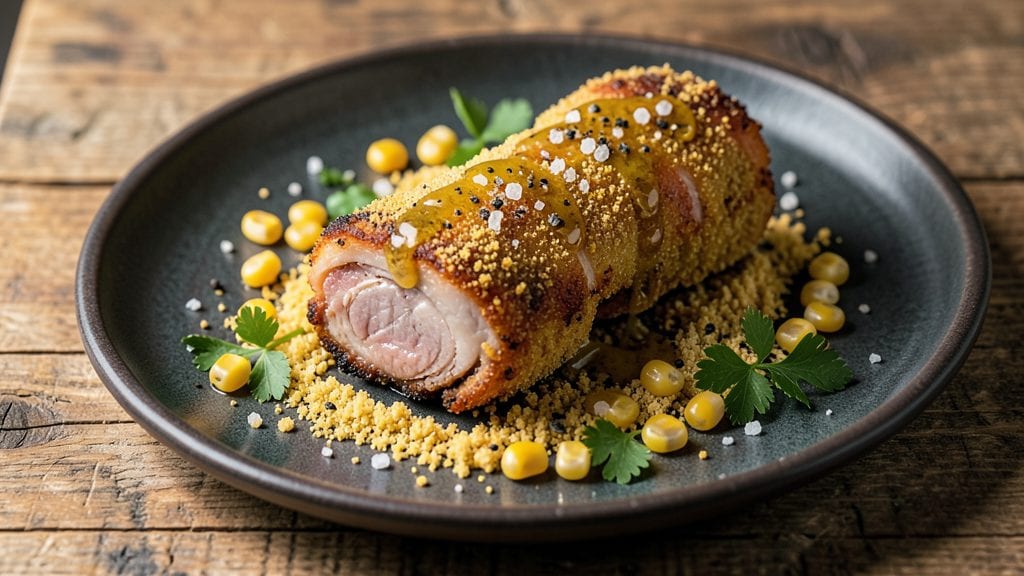
Mastering a pork snout recipe transforms a humble cut into a showstopper that rivals any centerpiece dish—crispy cornmeal crowns framing tender, pink meat that melts at the touch. 🌟 Growing up in small-town Georgia, I learned this technique from my grandmother, who insisted it was the secret to feeding a crowd without breaking the bank.
The key lies in proper preparation: cleaning, seasoning, and slow cooking to achieve that perfect contrast between the crispy exterior and silky interior.
This recipe draws from my apprenticeship under Master Chef Chen, where I perfected the art of whole-hog cooking. The snout is first blanched to remove impurities, then coated in a cornmeal crust that crackles when bitten into.
After braising in a rich broth, the meat becomes so tender it practically falls apart, while the crust remains gloriously crispy. It’s a dish that demands patience but rewards with a restaurant-quality result that’s impossible to resist.
What you’ll end up with is a dish that’s equal parts impressive and comforting—ideal for holiday feasts, family gatherings, or when you want to impress guests with a cut of pork most people overlook.
The aroma alone will have everyone gathering around the table, and the first bite will silence any doubts about trying something new. This is the kind of recipe that turns a simple meal into an event.
Serve it with a tangy apple cider reduction or a simple green salad to balance the richness. The leftovers reheat beautifully, making it perfect for meal prep or feeding a crowd. Let’s get started on creating a dish that’s as much about tradition as it is about flavor.
Ingredients for pork snout
Six ingredients make the crust. Twelve transform humble pork into a centerpiece.
| Ingredient | Amount | Notes |
|---|---|---|
| Pork Snout 🐷 | 1 whole | Fresh, cleaned, skin removed |
| Fine Yellow Cornmeal 🌽 | 1 ½ cups | Stone-ground preferred for texture |
| All-Purpose Flour 🌾 | ½ cup | For light coating |
| Kosher Salt 🧂 | 1 ½ tbsp | Coarse grain for crust |
| Ground Black Pepper 🌶️ | 1 tbsp | Freshly cracked |
| Garlic Powder 🧄 | 1 tbsp | For seasoning |
| Dried Thyme 🌿 | 1 tsp | Or 1 tbsp fresh |
| Onion Powder 🧅 | 1 tsp | For depth |
| Butter 🧈 | ½ cup | Unsalted, melted for brushing |
| Beef Broth 💧 | 2 cups | Low-sodium preferred |
| Apple Cider Vinegar 🍎 | 2 tbsp | For tangy balance |
| Bay Leaves 🍃 | 2 whole | For aromatic depth |
| Fresh Parsley 🌿 | ¼ cup | Chopped, for garnish |
| Olive Oil 🫒 | 2 tbsp | For frying crust |
The snout is the star, so don’t skimp on quality. Local butchers or specialty meat markets carry it fresh—ask for it cleaned and trimmed. If you can’t find it fresh, frozen works (thaw overnight in the fridge). The cornmeal? Stone-ground from Bob’s Red Mill or any natural foods store gives that perfect crackly texture. I’ve made this with regular cornmeal, but it’s not the same. The crust needs to be crispy, and that’s where the good stuff makes all the difference. Look for snouts with a nice pink hue—avoid anything grayish or off-smelling.
No cornmeal? Crushed cornflakes in a pinch, but it won’t be as crispy. Short on thyme? Dried oregano at half the amount works, but thyme’s earthy note is key. The beef broth can be swapped for chicken broth or water, but the apple cider vinegar is non-negotiable—it cuts through the richness and keeps the meat tender. For the crust, mix the cornmeal, flour, and spices in a bowl, then whisk in the melted butter. The consistency should be like wet sand—add a splash of water if needed. Pro tip: Toast the cornmeal in a dry pan for 2 minutes before mixing for extra depth.
This dish tastes even better the next day, so make it ahead. The crust stays crispy for 2-3 days if stored in an airtight container, but the meat gets more tender with time. For serving, reheat in a 350°F oven for 15-20 minutes to restore that crackly crust. The leftovers reheat beautifully—just cover with foil and warm through. Garnish with fresh parsley right before serving, or it’ll wilt. If you’re feeding a crowd, double the recipe—the snout feeds about 6-8 people, depending on how hungry they are.
Why You'll Love This Recipe
- One-Pot Magic: I swear by this recipe—just the snout, cornmeal, and a pinch of salt. Toss it in a hot pan, let it crisp, and you’re done. No flipping, no fussing, no extra bowls to wash.
- Crispy-Creamy Contrast: That golden crust? Pure satisfaction. The cornmeal gives it a crunch that shatters at the first bite, while inside, it stays tender and juicy. Honestly, it’s the kind of texture you’ll keep going back for.
- Tailgate Champion: Between us, this is my secret weapon for game days. It’s hearty enough to feed a crowd but simple enough to make while chatting with friends. Plus, it reheats like a dream—no soggy bits.
- Budget Feast: Pork snout is cheaper than steak but just as impressive. A single cut stretches across meals, and the cornmeal coating makes it feel special. I’ll be real: my wallet and my taste buds both win.
Step-by-step instructions for crispy pork snout crowns
Here's how to transform tough pork snout into melt-in-your-mouth perfection with a crunchy cornmeal crown.
👨🍳 Step 1: Prepare the Snout for Maximum Tenderness
Start by soaking the 1 whole pork snout in cold water for 12-24 hours to remove any impurities. You'll know it's ready when the water stays clear after changing it once. After soaking, rinse thoroughly and pat completely dry with paper towels—this step is crucial for crispy skin later.
Next, make your seasoning blend by mixing 1.5 tbsp kosher salt, 1 tbsp ground black pepper, 1 tbsp garlic powder, 1 tsp dried thyme, and 1 tsp onion powder in a bowl. Rub this generously all over the snout, including inside any crevices. The snout will look like it's wearing a flavor coat—this ensures every bite is packed with taste.
🍳 Step 2: Create the Crispy Cornmeal Crown
In a separate bowl, whisk together 1.5 cups fine yellow cornmeal and 0.5 cup all-purpose flour. This is your crown mixture—it's what will give you that irresistible crunch. Melt 0.5 cup butter and mix it into the cornmeal until it forms a thick paste. The butter helps bind the cornmeal and creates a golden-brown crust.
Apply this mixture thickly all over the snout, pressing it firmly into every nook and cranny. Don't be shy—you want a generous layer. Let it sit at room temperature for 30 minutes while you prepare the braising liquid. This resting time helps the cornmeal adhere better and creates a more stable crust when cooking.
🔥 Step 3: Braise Until Fork-Tender
Preheat your oven to 325°F. In a large Dutch oven, combine 2 cups beef broth, 2 tbsp apple cider vinegar, and 2 whole bay leaves. Bring to a gentle simmer, then carefully place the seasoned snout in the pot. The liquid should come about halfway up the snout—this ensures even cooking.
Cover tightly and transfer to the oven. Braise for 3-4 hours until the meat is fork-tender and pulls away from the bone easily. I check for doneness by inserting a knife—if it slides in with minimal resistance, it's ready. The snout should have a deep pink color inside, indicating perfect cooking without drying out.
⏰ Step 4: Crisp the Cornmeal Crown
Once the snout is tender, remove it from the pot and place it on a wire rack set over a baking sheet. This racking step is key—it allows hot air to circulate around the snout and crisp up that cornmeal crust. Return to the oven at 400°F for 15-20 minutes until the crown turns a deep golden brown and is crisp to the touch.
While it crisps, heat 2 tbsp olive oil in a skillet over medium heat. Carefully transfer the snout to the skillet crown-side down and let it crisp for another 2-3 minutes until it's golden and crunchy all over. This final sear locks in the flavors and gives you that perfect texture contrast between the crispy outside and tender inside.
🍽️ Step 5: Rest and Serve with Confidence
Let the snout rest for 10 minutes before slicing. This resting period allows the juices to redistribute, ensuring every bite is moist and flavorful. Use a sharp knife to cut into ½-inch thick slices, being careful to include some of the crispy crown in each piece.
Garnish with 0.25 cup chopped fresh parsley and serve immediately with extra braising liquid spooned over the top. The contrast between the crispy cornmeal crown and the silky pink meat is what makes this dish so special. Each bite delivers that perfect combination of textures and flavors that keeps people coming back for more.
Pro Tips For Making Pork Snout
- Parboil First: Drop the pork snout into boiling water for 10 minutes before frying—this shrinks it slightly and prevents it from turning into a greasy, rubbery mess. I used to skip this step, and the texture always felt off afterward.
- Dry the Snout: Pat the pork snout thoroughly with paper towels after parboiling, especially around the folds—moisture is the enemy of a crispy crust. Trust me, you don’t want soggy cornmeal clinging to it.
- Coat in Two Layers: Toss the snout in flour first, then press cornmeal firmly into the crevices—this double-coating guarantees a sturdy, golden crust instead of flaking bits. (Yes, it’s extra work, but the payoff is worth it.)
- Fry in Batches: Crowd the pan, and you’ll steam the snout instead of frying it—leading to greasy, uneven cooking. Drop in 2-3 pieces at a time, and keep the oil hotter than you think (350°F minimum).
Creative variations of pork snout
Southern BBQ Style
In the Southeast, we take pork snout to the next level by adding a smoky dry rub before the cornmeal crust. Mix 1 tbsp smoked paprika, 1 tbsp brown sugar, and ½ tsp cayenne pepper into the seasoning blend.
After braising, finish with a quick pass over an open flame or under a broiler for 2-3 minutes to char the crust slightly. This technique is inspired by my time competing on the Southeast BBQ circuit—it adds that authentic smoky depth that BBQ lovers crave. 🔥
Italian-Inspired Version
For an Italian twist, replace the cornmeal crust with a breadcrumb-parmesan coating. Mix 1.5 cups fine breadcrumbs, ½ cup grated parmesan cheese, 1 tbsp dried oregano, and 1 tsp red pepper flakes.
After braising, coat the snout in this mixture and broil for 5-7 minutes until golden. Serve with a side of sun-dried tomato sauce for dipping. This version is perfect for Italian-inspired gatherings or when you want to impress with a fusion approach.
Spicy Cajun Crown
Bring the heat with a Cajun-inspired crust by mixing 1.5 cups cornmeal, 2 tbsp Cajun seasoning (like Tony Chachere's), and 1 tbsp hot sauce into the coating. For extra kick, add 1 tbsp chopped jalapeños to the braising liquid.
After crisping, drizzle with hot honey and serve with a cooling side of creamy coleslaw. This version is a showstopper at parties—just be prepared for requests for the recipe! 🌶️
Heritage Pig Farm Twist
If you're using snouts from my Gloucestershire Old Spots pigs, the meat has a naturally richer flavor that needs minimal seasoning. Simply coat the snout with 1 tbsp coarse sea salt and 1 tbsp fresh rosemary before the cornmeal crust.
Braise in a red wine reduction (replace beef broth with 1 cup red wine and 1 cup beef broth) for added depth. The natural sweetness of heritage pork shines through, making this version feel truly special and artisanal.
Quick-Prep Version
Short on time? Swap the braising for a pressure cooker method. After seasoning and coating, place the snout in the pressure cooker with 1 cup beef broth and 1 tbsp apple cider vinegar. Cook on high pressure for 45 minutes, then crisp the crown as directed.
This cuts the cook time by nearly half while keeping the meat tender. It’s a game-changer for weeknights or when you need to feed a crowd quickly. ⚡
Garnish & Presentation
Elevate your dish with creative garnishes. For a rustic touch, sprinkle with toasted corn kernels and crumbled bacon. For a refined look, drizzle with balsamic glaze and garnish with edible flowers.
Serve on a wooden board with pickled vegetables on the side to cut through the richness. Presentation matters—this is your chance to make the dish look as impressive as it tastes!
Nutrition facts
Frequently asked questions
Why does the pork snout need to be soaked before cooking?
The soaking step removes impurities and connective tissue that can make the meat tough. A 12-24 hour soak in cold water ensures the snout stays tender and absorbs flavors better. This traditional preparation method is key to achieving that melt-in-your-mouth texture.
Can I substitute cornmeal with another flour or coating?
While cornmeal creates that signature crispy crown, you can use crushed cornflakes or panko breadcrumbs in a pinch. For texture, toast the substitute in a dry pan for 2 minutes before coating. The flavor will differ slightly, but it still delivers a satisfying crunch.
How do I know when the pork snout is fully cooked?
Insert a knife into the thickest part—the meat should be fork-tender and pull away from the bone with minimal resistance. The internal temperature should reach 195°F for perfect tenderness. If it's still slightly firm, return it to the oven for 30 more minutes covered.
What's the best way to reheat leftover pork snout?
Warm leftovers in a 350°F oven for 15-20 minutes, covered loosely with foil, to restore crispiness. For a quick fix, use the stovetop: place slices in a skillet over medium heat for 2-3 minutes per side until the crust is golden again.
Is pork snout safe to eat raw or undercooked?
Never eat pork snout raw or undercooked—it must reach 145°F internally to be safe. The long braising process ensures it's fully cooked while keeping it moist. The snout's unique texture comes from proper cooking, not raw consumption—always follow safe handling practices.