
Main Courses
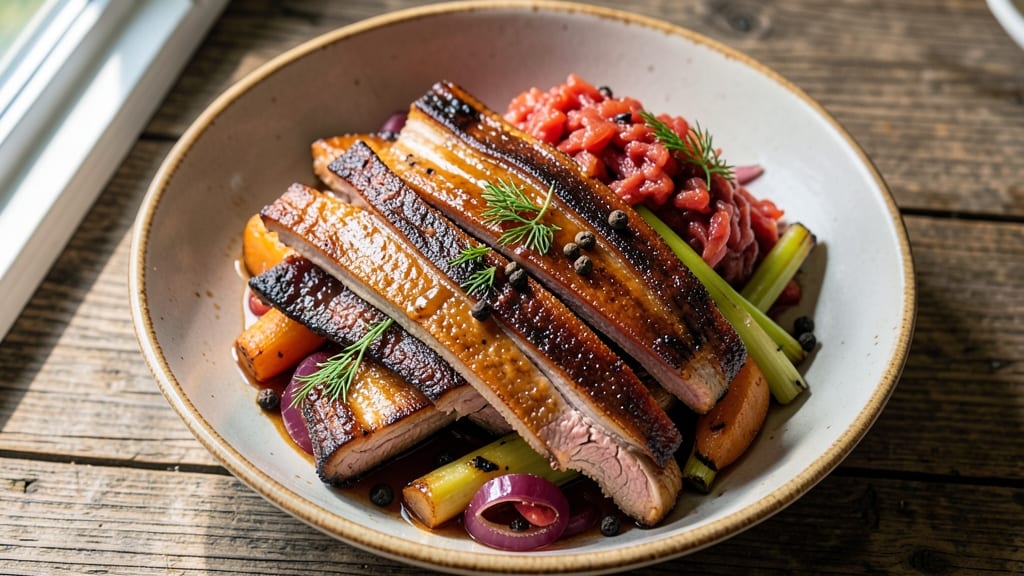
Mastering pork spare ribs with sauerkraut transforms a simple weeknight dinner into a restaurant-worthy feast that balances rich, smoky flavors with the tangy crunch of fermented cabbage.
This recipe combines my years of pitmaster experience with the comforting traditions of Southern cooking—where crisp edges meet tender meat and every bite delivers that perfect contrast of textures.
The key lies in slow-braising the ribs until they fall off the bone while developing a deep caramelized crust, then pairing them with sauerkraut that’s been gently warmed to preserve its signature tang.
What makes this dish truly special is the harmony of techniques: a dry rub that clings to the ribs for maximum flavor penetration, followed by a slow cook in the oven or smoker until the meat is fork-tender.
Meanwhile, the sauerkraut—sour, slightly spicy, and packed with probiotics—adds a bright counterpoint that cuts through the richness of the pork. No fancy equipment is needed, just time and patience, which is why this recipe consistently earns raves from both home cooks and seasoned pitmasters alike.
The result is a plate that’s visually stunning and packed with layers of flavor—golden-brown ribs glistening with natural juices, piled high with sauerkraut that’s just warm enough to soften slightly without losing its signature bite.
The aroma alone will have your guests gathering at the table, and the first bite delivers that perfect balance of smoky, sweet, and tangy.
This is the kind of dish that feels like a hug on a plate, especially when served with crusty bread to soak up every last drop of that rich braising liquid.
Whether you’re hosting a weekend gathering or simply craving a comforting meal, this recipe delivers professional-quality results with minimal fuss. The ribs can be prepped ahead and braised while you handle the sauerkraut, making it a foolproof choice for busy schedules. Let’s get cooking—your taste buds will thank you.
Ingredients for pork spare ribs and sauerkraut
Pantry staples plus a few specialty items for that perfect smoky-tangy balance.
| Ingredient | Amount | Notes |
|---|---|---|
| Pork Spare Ribs 🥩 | 3 lb | Bone-in, meaty ends preferred |
| Yellow Onion 🧅 | 1 whole | Sliced into wedges |
| Carrots | 3 medium | Whole, peeled, cut into chunks |
| Celery Stalks 🥬 | 3 whole | Cut into 2-inch pieces |
| Garlic Cloves 🧄 | 6 cloves | Smash with side of knife |
| Sauerkraut 🥬 | 1 ½ cups | Unopened jar, drained |
| Apple Cider Vinegar 🍎 | ¼ cup | For braising liquid |
| Brown Sugar 🍯 | ½ cup | Light or dark variety |
| Smoked Paprika 🌶️ | 2 tbsp | For deep smoky flavor |
| Ground Black Pepper 🌶️ | 1 ½ tbsp | Freshly cracked preferred |
| Kosher Salt 🧂 | 1 ½ tbsp | For dry rub and seasoning |
| Fresh Thyme 🌿 | 2 sprigs | Or 1 tsp dried thyme |
| Beef Broth 💧 | 1 cup | Low-sodium preferred |
| Olive Oil 🫒 | 2 tbsp | For rib coating |
| Crusty Bread 🍞 | 1 loaf | For serving |
The ribs are the star here, so look for meaty spare ribs with good marbling—Costco or local butchers usually have the best selection. If you're buying frozen, thaw them overnight in the fridge. The sauerkraut should be unopened and packed in liquid—drain it before using. For the vegetables, organic carrots and celery work best since they'll be cooking uncovered. I always grab extra thyme because it's worth the freshness for this dish.
No sauerkraut? Substitute with fermented green beans or even a mix of cabbage and carrot slaw—just add a splash of vinegar to mimic the tang. Running low on beef broth? Chicken broth or even water with a bouillon cube works in a pinch. The brown sugar can be swapped for maple syrup or honey if you prefer. For the ribs, if you can't find smoked paprika, regular paprika plus a pinch of liquid smoke gets you close. Fresh thyme is ideal, but dried works at one-third the amount.
This dish tastes even better the next day—plan ahead! The ribs and braising liquid keep 4-5 days in the fridge, while the sauerkraut can be prepped ahead and stored separately for up to 1 week. I always make extra braising liquid to freeze in ice cube trays—perfect for quick sauces later. Serve with that crusty bread so everyone can soak up every last drop.
Why You'll Love This Recipe
- One-Pot Magic: The ribs, onions, and carrots all cook together in the same pot—no fancy equipment, no stress. I swear by this: chop the veggies roughly (my kids call it "the lazy mama cut"), dump everything in, and let the slow simmer do the work. That’s it.
- Savory Tang Explosion: Between the smoky ribs, the sharp tang of sauerkraut, and the sweetness of caramelized onions, every bite is a flavor party. The garlic cloves? They’re the secret weapon—softened just enough to melt into the sauce without overpowering. Honestly, the first time I tasted this, I nearly burned down the kitchen.
- Leftovers That Don’t Suck: This dish actually improves the next day. The ribs get even more tender, and the sauerkraut soaks up all the juices like a sponge. I’ll pack it in lunches all week—no sad, dry meat here. (Yes, even on a Tuesday night.)
- Budget-Friendly Crowd-Pleaser: A whole pack of spare ribs and a jar of sauerkraut stretch farther than you’d think. The veggies (onion, carrots, celery) bulk it up without breaking the bank, and it feeds four for under $15. My college roommates and I lived on this—still do, honestly.
Step-by-step instructions for slow-braised pork spare ribs with sauerkraut
Here's how to create fall-off-the-bone ribs with crisp edges and tangy fermented flavor.
Prepare the Ribs with Dry Rub
Pat the 3 lb pork spare ribs dry with paper towels, removing any excess moisture from the surface. This helps the dry rub adhere better and promotes crisp edges during cooking. In a small bowl, combine the 2 tbsp smoked paprika, 1.5 tbsp ground black pepper, and 1.5 tbsp kosher salt. Rub this mixture evenly over all sides of the ribs, pressing it into the meat so it sticks well.
Let the rubbed ribs sit at room temperature for 30 minutes while you prepare the rest of the ingredients. This step is crucial—it allows the seasoning to penetrate slightly and ensures even cooking. I like to place them on a wire rack over a baking sheet to prevent any moisture from pooling underneath.
Sear the Ribs for Deep Flavor
Heat a large Dutch oven or heavy pot over medium-high heat until it's very hot. Add the 2 tbsp olive oil and let it shimmer for about 1 minute. Carefully add the ribs in a single layer, working in batches if needed to avoid crowding. Let them sear undisturbed for 4-5 minutes per side until they develop a deep golden-brown crust. This searing step creates the Maillard reaction, which builds rich, complex flavors.
Once browned, remove the ribs from the pot and set them aside on a plate. You'll notice the pot will have some beautiful browned bits stuck to the bottom—don't scrape them out yet. These bits are flavor gold that will dissolve into the braising liquid later.
Build the Braising Liquid
In the same pot, add the sliced yellow onion wedges, carrot chunks, and celery pieces. Cook for 3-4 minutes until they begin to soften slightly. Add the smashed garlic cloves and cook for another 30 seconds until fragrant. Pour in the 0.25 cup apple cider vinegar and let it bubble for 1 minute to help deglaze the pot and lift those flavorful browned bits.
Stir in the 0.5 cup brown sugar, 1 cup beef broth, and the 2 sprigs fresh thyme. Bring the mixture to a gentle simmer, then return the ribs to the pot, bone-side down. The ribs should be mostly submerged in the liquid, but if they're not, add a little water to help cover them. This liquid will break down the connective tissue in the ribs, making them tender.
Slow-Braise Until Tender
Cover the pot tightly with a lid and transfer it to a preheated 300°F oven. Braise the ribs for 2.5 to 3 hours, depending on their size. I check them at the 2-hour mark by inserting a fork into the meat near the bone—it should slide in easily with just slight resistance. The ribs are done when they're fork-tender and the meat pulls away from the bone cleanly.
About 30 minutes before the ribs are done, add the 1.5 cups sauerkraut to the pot. This allows the sauerkraut to warm through and absorb some of the rich braising flavors. The tangy fermented taste will complement the sweet and smoky notes of the ribs beautifully.
Rest and Serve with Crispy Edges
Once the ribs are tender, carefully remove them from the pot and transfer them to a cutting board. Let them rest for 10 minutes before serving. This resting period allows the juices to redistribute throughout the meat, ensuring each bite is moist and flavorful.
To serve, slice the ribs between the bones into individual rib sections. Spoon the braising liquid and sauerkraut over the top, and serve with warm 1 loaf crusty bread on the side. The contrast of the crispy, smoky ribs with the tangy sauerkraut creates a perfect balance of flavors that's both comforting and exciting.
Pro Tips For Making Pork Spare Ribs And Sauerkraut
- Sear Ribs Before Braising: I learned this the hard way—skipping the sear means flavor gets trapped in the meat instead of building a rich crust. Hit the ribs with a hot pan (no oil needed—the fat will render) until deep golden brown on both sides, then deglaze with a splash of beer or broth. That caramelized layer turns into the base of your sauce.
- Trim the Membrane: That thin, papery membrane on the bone side of the ribs? It’s the enemy of tenderness. Slide your thumb under it near the bone, grip it tight, and pull—it peels right off like a bad tattoo. No knife needed, and your ribs will fall apart with half the effort.
- Sweat the Veggies Low: Dumping chopped onions, carrots, and celery into a hot pot and cranking the heat? That’s how you end up with mushy, bitter veggies. Cook them on medium-low for 8–10 minutes, stirring occasionally, until they’re soft but still hold their shape. The sauerkraut will thank you later—it needs room to shine, not compete with sad, overcooked mirepoix.
- Deglaze with Sauerkraut Juice: Instead of reaching for wine or broth, drain the sauerkraut and reserve the liquid. After searing the ribs, pour that tangy juice into the pan—it’ll scrape up all the browned bits and add depth without extra effort. (Yes, even if it looks weird. It works.)
Serving suggestions for this dish
Crusty Bread Pairing
Serve these ribs with a warm, crusty loaf of sourdough or French baguette—it’s perfect for soaking up the rich braising liquid and sauerkraut. I always toast the bread lightly with a sprinkle of flaky sea salt and a drizzle of garlic-infused olive oil before serving.
The crunch contrasts beautifully with the tender ribs, and it turns every bite into a flavorful experience. 🍞
Sauerkraut Toppings
For an extra layer of texture, top the ribs with caramelized onions or crispy bacon bits before serving. The sweetness of the onions or smoky bacon complements the tangy sauerkraut and adds another dimension to the dish.
I also like to sprinkle fresh parsley or chopped chives on top for a pop of color and freshness. These toppings elevate the dish from hearty to restaurant-worthy.
Side Dish Harmony
Balance the richness of the ribs with a simple creamy coleslaw or roasted root vegetables. The crispness of the slaw or the caramelized sweetness of the veggies contrasts perfectly with the smoky ribs and tangy sauerkraut.
For a lighter option, a mixed green salad with a lemon vinaigrette keeps the meal fresh and vibrant. I often serve this combo at my farm dinners—it’s a crowd-pleaser every time.
Presentation Tips
For a visually stunning plate, arrange the ribs in a fan shape on a large platter, drizzle with the braising liquid, and pile the sauerkraut in the center. Garnish with fresh thyme sprigs or crispy fried shallots for a touch of elegance.
Serve the crusty bread on the side with a small bowl of extra braising liquid for dipping. This presentation makes the dish look as good as it tastes, and your guests will be impressed. ✨
Make-Ahead Serving
This dish tastes even better the next day, so plan ahead! Store the ribs and braising liquid in an airtight container in the fridge for up to 4 days. Reheat the ribs in the oven at 300°F for 20 minutes, then warm the sauerkraut separately in a skillet.
Serve with freshly toasted bread to keep everything crisp. I often prep this meal on Sundays so it’s ready for a cozy weeknight dinner.
Family-Style Serving
For gatherings, serve the ribs family-style on a large platter at the center of the table. Let everyone build their own plates with ribs, sauerkraut, and bread. This interactive approach makes the meal feel special and encourages everyone to try a little of everything.
I’ve hosted countless dinners this way, and it’s always a hit—especially when paired with a cold craft beer or sparkling apple cider. 🍺
Nutrition facts
Frequently asked questions
Why does sauerkraut need to be added late in the cooking process?
Adding sauerkraut 30 minutes before serving preserves its signature tang and crunch. Heating it too long softens the texture and mellows the flavor, which is why we warm it just enough to take the chill off. The last-minute addition also lets it absorb the ribs' rich braising liquid for maximum flavor impact.
Can I use frozen pork spare ribs for this recipe?
Yes, but thaw them overnight in the fridge first. Never use cold ribs straight from the freezer—they won't sear properly and may cook unevenly. Pat them completely dry after thawing to ensure the dry rub sticks and crisp edges form.
What's the best way to tell when the ribs are done?
Use the fork test: Insert a fork near the bone—if it slides in with just slight resistance and the meat pulls away cleanly, they're ready. The ribs should also have crisp edges and internal temperature of 195°F-203°F. The braising liquid will be rich and slightly thickened.
How can I make this dish gluten-free?
Skip the crusty bread and use gluten-free rolls instead. For the braising liquid, ensure your broth is gluten-free and check that smoked paprika contains no wheat additives. The ribs and sauerkraut are naturally gluten-free, so only these small adjustments are needed.
Can I substitute sauerkraut with something else?
For a similar tangy crunch, try fermented green beans or a mix of cabbage and carrot slaw with extra vinegar. If you prefer sweetness, quick-pickled red cabbage works well. Just add it at the same 30-minute mark to avoid overcooking.