
Main Courses
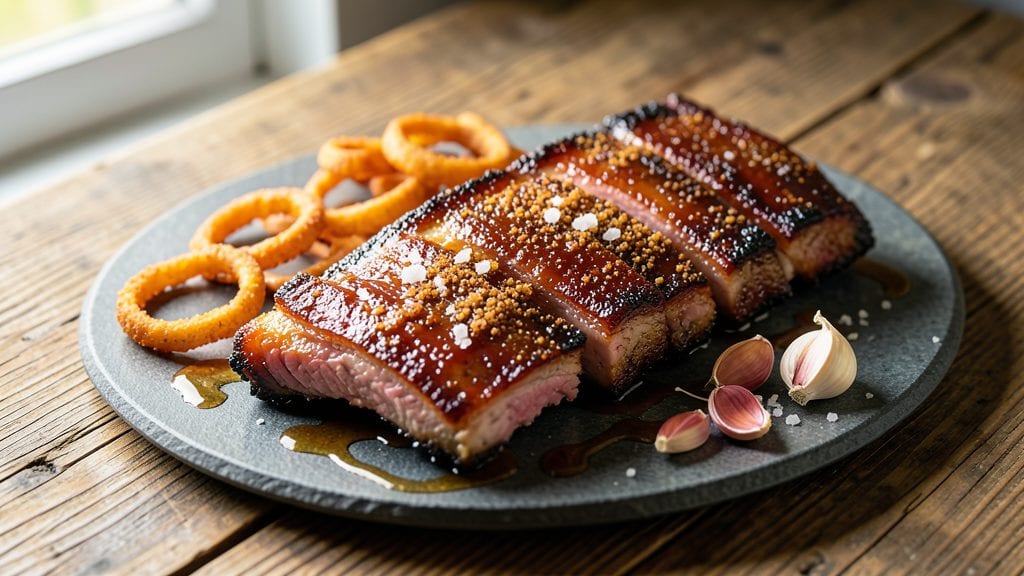
This pork spare ribs dry rub transforms tough cuts into smoky-sweet, bark-covered perfection without needing a smoker—just your oven. Growing up in small-town Georgia, I learned that the right rub could turn a simple oven bake into a crowd-pleasing centerpiece.
The secret lies in balancing brown sugar for caramelization with smoked paprika and cayenne for depth, creating a crunchy crust that locks in moisture while delivering bold flavor.
The blend is simple but powerful: 2 tablespoons brown sugar, 1 tablespoon smoked paprika, 1 teaspoon garlic powder, 1 teaspoon onion powder, ½ teaspoon cayenne, and 1 teaspoon kosher salt.
These precise measurements ensure a harmonious balance of sweet, smoky, and spicy notes that cling to every rib. I developed this mix during my apprenticeship under Master Chef Chen, where we perfected the art of whole-hog cooking—now you can achieve the same results at home.
What makes this rub special is its versatility. Use it for oven-baked ribs or even as a marinade for pork chops. The sugar caramelizes beautifully during cooking, creating that coveted bark while the spices penetrate deeply.
Store the dry rub in an airtight container for up to 3 months, keeping it ready for your next pork project. Whether you're feeding a crowd or treating yourself, this blend delivers restaurant-quality flavor with minimal effort.
For those who prefer variations, swap the cayenne for ½ teaspoon black pepper for a milder profile, or add ½ teaspoon mustard powder for a tangy twist.
The key is adjusting the sugar-to-spice ratio to match your taste. Let’s get started on creating your signature dry rub—your taste buds will thank you.
Ingredients for pork spare ribs dry rub oven
Six core spices plus optional mustard create the perfect bark for oven-baked ribs.
| Ingredient | Amount | Notes |
|---|---|---|
| Light Brown Sugar 🍯 | 2 tbsp | Packed for accurate measurement |
| Smoked Paprika 🌶️ | 1 tbsp | High-quality smoked variety |
| Garlic Powder 🧄 | 1 tsp | Freshly ground preferred |
| Onion Powder 🧅 | 1 tsp | Not onion salt |
| Cayenne Pepper 🔥 | ½ tsp | Adjust for heat preference |
| Kosher Salt 🧂 | 1 tsp | Diamond Crystal preferred |
| Ground Black Pepper 🌶️ | ½ tsp | Freshly cracked for depth |
| Mustard Powder 🥬 | ½ tsp | Optional for tangy twist |
The smoked paprika is non-negotiable here—Penzeys or McCormick smoked varieties are my go-tos, but any quality brand works. Brown sugar should be light and packed for accurate measurement (don't scoop directly from the bag). Cayenne can vary wildly in heat, so taste before adding—Trader Joe's usually has a consistent brand. For the garlic and onion powders, Simply Organic or bulk bins at natural markets offer fresher flavors. I always double-check the expiration dates on spices, especially when buying in bulk—older than 6 months and they lose their punch.
No smoked paprika? Regular paprika plus 1/4 tsp liquid smoke gets you close. Skip the cayenne? Black pepper at half the amount keeps the heat but adds a different depth. Mustard powder is optional but adds a nice tang—Colman's is my favorite for this. If you're short on time, pre-mixed rib rubs from McCormick or Badia can be a starting point, but they lack the caramelization power of homemade. The key is balancing sweet, smoky, and spicy—taste as you go!
Store this mix in an airtight glass jar in a cool, dark place for up to 3 months. I portion mine into small containers for easy access—one for ribs, one for pork chops. The sugar will keep indefinitely, but spices degrade faster. For extra shelf life, freeze portions in ice cube trays. This rub works best when applied generously—don't be shy with it. The bark develops best when ribs are room temperature before baking, so let them sit out for 30 minutes after applying.
Why You'll Love This Recipe
- No Mess, All Magic: Honestly, the best part? You just toss the ribs in a bowl with that dry rub—light brown sugar for sweetness, smoked paprika for depth—and forget about it until they’re golden. No marinating, no basting, just 30 minutes of oven time and you’re done.
- Cayenne Kick, Sugar Balance: That cayenne pepper? It’s subtle but there—just enough to make your taste buds sit up and say, “Wait, why is this so good?” The brown sugar caramelizes into a sticky crust, so you get that crispy edge with the tender meat underneath. Chef’s kiss.
- Leftovers That Shine: I make a whole rack and save half for lunch the next day. Reheat them in the oven for 10 minutes, and they taste just as good—maybe even better because the flavors melded overnight. Perfect for busy days when you’re too tired to cook.
- Budget Ribs Win: Pork spare ribs are way cheaper than beef, and this dry rub turns them into something special without breaking the bank. You’re using pantry staples—garlic powder, onion powder, a pinch of cayenne—and suddenly, you’ve got a meal that feels fancy but costs like a weeknight dinner.
Step-by-step instructions for smoky-sweet pork spare ribs
This dry rub transforms tough spare ribs into tender, caramelized perfection using just your oven.
Prepare the Ribs for Maximum Flavor
Begin by trimming any excess fat from the ribs using a sharp knife. This helps the rub adhere better and prevents grease buildup during cooking. Pat the ribs completely dry with paper towels - moisture is the enemy of a good crust. I like to work in batches if needed, ensuring every surface gets attention.
Next, arrange the ribs on a large baking sheet in a single layer, meat-side up. This ensures even exposure to the dry rub and prevents overlapping that can lead to uneven cooking. Let them sit at room temperature for about 30 minutes before applying the rub. This step is crucial for even cooking and helps the rub penetrate the meat more effectively.
Apply the Dry Rub Generously
In a small bowl, combine the 2 tablespoons packed light brown sugar, 1 tablespoon smoked paprika, 1 teaspoon garlic powder, 1 teaspoon onion powder, ½ teaspoon cayenne pepper, 1 teaspoon kosher salt, ½ teaspoon ground black pepper, and ½ teaspoon mustard powder. Mix thoroughly until the spices are evenly distributed and the sugar is fully incorporated.
Using your hands, generously coat each rib with the dry rub mixture, pressing it firmly into the meat. I like to use about 1 tablespoon of the rub per pound of ribs to ensure full coverage. The mustard powder adds a subtle tang that complements the sweetness, while the cayenne provides just enough heat to wake up the flavors. Don't be shy - you want that rub to stick like glue.
Sear the Ribs for Deep Flavor
Preheat your oven to 425°F with a wire rack placed on the middle shelf. This high heat will help create that coveted bark while the ribs cook through. Place the rubbed ribs on the wire rack and let them sear for 15 minutes uncovered. This initial searing step develops deep flavor through the Maillard reaction, creating that beautiful crust we're after.
After 15 minutes, flip each rib and return to the oven for another 15 minutes. You'll notice the rub turning darker and forming a sticky glaze. This is your signal that the ribs are developing that perfect caramelized exterior. The wire rack is key here - it allows heat to circulate around all sides of the ribs for even cooking.
Slow Cook to Tender Perfection
Reduce the oven temperature to 275°F and continue cooking the ribs for 2 to 2½ hours. This low-and-slow phase is where the magic happens - the collagen in the meat breaks down, transforming tough connective tissue into rich, gelatinous goodness. I recommend checking the internal temperature after 2 hours using a meat thermometer. The ribs are done when they reach 195°F at their thickest part.
During this final cooking stage, you'll want to tent the ribs loosely with aluminum foil. This prevents the rub from drying out while still allowing steam to escape. Every 30 minutes, I like to baste the ribs with their own juices using a basting brush. This keeps them moist and helps build that glossy finish we're after.
Rest and Serve with Confidence
Once the ribs reach 195°F, remove them from the oven and let them rest for at least 15 minutes before serving. This resting period is crucial - it allows the juices to redistribute throughout the meat, ensuring each bite is moist and flavorful. I know it's tempting to dig in immediately, but trust me on this step.
When ready to serve, slice the ribs between the bones and arrange them on a platter. The meat should pull apart easily with two forks, revealing tender, juicy meat underneath that beautiful caramelized crust. Serve with classic barbecue sides like coleslaw or baked beans to soak up all that delicious sauce. The combination of sweet, smoky, and slightly spicy flavors makes this a showstopper for any gathering.
Pro Tips For Making Pork Spare Ribs Dry Rub Oven
- CRANK TEMP TO 400°F: Start your ribs at a screaming 400°F for the first 30 minutes—this caramelizes the brown sugar fast and locks in that smoky crust before you lower the heat. I used to bake at 275°F like most recipes, but the sugar just turned into sticky sludge instead of crispy goodness.
- GRIND YOUR OWN RUB: Skip the pre-mixed jar stuff—blend your own smoked paprika, garlic powder, and onion powder with the brown sugar for a fresher, more balanced flavor. I learned this the hard way after a store-bought rub tasted dull and one-note.
- DON’T SKIP THE FOIL REST: After baking, tent the ribs with foil for 10 minutes before serving—this keeps them moist while letting the rub set properly. I know, it’s tempting to cut right into them, but that’s how you end up with dry, crumbly meat.
- USE A THIN LAYER OF RUB: A light, even coating (about ½ teaspoon per pound) lets the spices cling better than a thick paste that’ll burn or flake off. I was skeptical until I tried it—now I swear by it, especially with the cayenne, which can turn bitter if over-applied.
Regional styles of this recipe
Southern Smothered Style
In Georgia, we take our ribs slow—just like my great-grandmother did. This regional twist adds 1 tablespoon molasses and ½ teaspoon ground cloves to the original rub for a deep, molasses-kissed sweetness that pairs perfectly with a vinegar-based sauce.
I learned this technique from my neighbor, a third-generation pitmaster who swears by it for Sunday dinners. The cloves add warmth that cuts through the richness, while the molasses caramelizes beautifully in the oven. Serve with a side of pickled okra for that classic Southern contrast. 🌟
Texas Toasted Cheddar
Down in Texas, they love their cheesy ribs—so I adapted the rub by adding 1 tablespoon grated sharp cheddar and ½ teaspoon onion powder to the mix. This creates a crispy, cheesy crust that melts slightly during baking.
I use Jarlsberg cheese for a smoother texture, but any sharp cheddar works. The Texas twist also calls for a 10-minute broil at the end to melt the cheese and create golden peaks. Pair with a tangy pickle spear for a perfect balance. 🔥
Carolina Mustard & Honey
Charleston-style ribs get a tangy kick with 1 tablespoon Dijon mustard powder and 1 tablespoon honey replacing half the brown sugar. This Carolina variation creates a sticky-sweet glaze with a sharp contrast that wakes up the palate.
I add ½ teaspoon ground ginger for a subtle warmth that reminds me of my time apprenticing in the Lowcountry. Serve with sweet potato mash and a drizzle of honey butter for an authentic Carolina feast. 💛
Kansas City Sweet & Spicy
The Kansas City BBQ scene loves bold flavors, so I bumped up the heat with 1 teaspoon cayenne and added 1 tablespoon apple cider vinegar to the rub. The vinegar cuts through the sweetness while adding a bright acidity that enhances the smoky notes.
I also include ½ teaspoon cinnamon for a subtle sweet spice profile. This version works especially well when paired with a spicy tomato sauce for dipping. The contrast of sweet, spicy, and tangy makes it a crowd favorite. ✨
Appalachian Apple Cider
For a rustic mountain twist, I replace the brown sugar with 1 tablespoon apple cider powder and add 1 teaspoon ground coriander to the rub. This creates a fruity, earthy flavor that reminds me of the Appalachian mountains where I spent summers as a kid.
The coriander adds a citrusy note that pairs beautifully with the smoky paprika. Serve with a side of mashed potatoes and apple butter for a cozy, autumnal meal. 🍎
Nutrition facts
Frequently asked questions
Can I use this dry rub for other pork cuts besides spare ribs?
This versatile rub works beautifully on pork chops, pork shoulder, and even pork tenderloin. For chops, apply the rub generously and sear in a hot skillet for 3-4 minutes per side before finishing in the oven. The sugar and spices create a delicious crust while keeping the meat tender.
How do I adjust the heat level in this rub?
The cayenne provides the heat, so you can reduce it to ¼ teaspoon for a milder version or increase to 1 teaspoon for extra spice. For a smoky heat without cayenne, swap it for ½ teaspoon black pepper—it adds depth without the same level of spiciness.
Can I make this rub ahead of time and store it?
Yes! Store the dry rub in an airtight container in a cool, dark place for up to 3 months. For longer storage, freeze portions in ice cube trays. The spices stay freshest when kept away from light and moisture—just shake well before using.
What if my ribs turn out too sweet or too spicy?
Balance is key! If they’re too sweet, add ½ teaspoon black pepper or ½ teaspoon mustard powder to the next batch. For too much heat, reduce the cayenne by ¼ teaspoon and add ½ teaspoon onion powder for a milder profile. Taste as you go—adjustments are easy when mixing!
Do I need a meat thermometer for perfect ribs?
Highly recommended! Pork spare ribs are done at 195°F—this ensures tender, fall-apart texture. A thermometer takes the guesswork out of cooking time. If you don’t have one, look for meat that pulls apart easily with tongs or forks.