
Main Courses
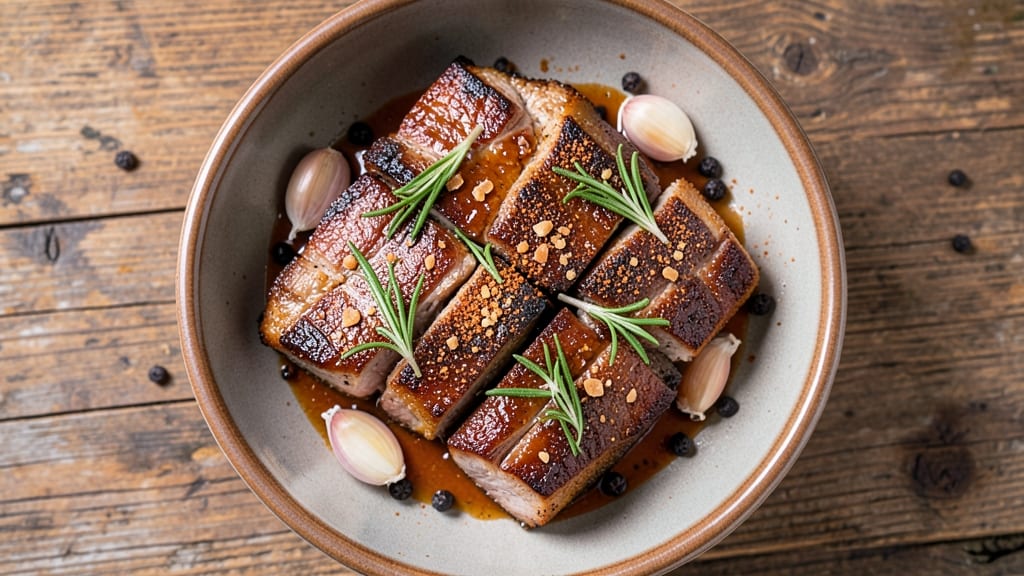
This pork stake recipe delivers fall-apart tenderness with a smoky garlic-herb crust that transforms tough cuts into melt-in-your-mouth perfection. Growing up in small-town Georgia, I learned that the secret to unforgettable pork isn't just time—it's technique.
The right balance of heat, seasoning, and patience creates a crust that locks in juices while developing deep, savory flavors.
The key lies in a two-stage cooking process: first searing the stakes over indirect heat to build that signature crust, then moving them to a cooler zone to cook through evenly.
This method ensures the outside stays crisp and aromatic while the inside reaches 145°F—juicy, tender, and ready to slice cleanly against the grain. The garlic-herb rub, with its blend of smoked paprika and fresh rosemary, adds layers of complexity that elevate simple pork into something extraordinary.
By the time you serve these stakes, your guests will experience restaurant-quality results at home—golden-brown edges with a fragrant crust, tender meat that practically dissolves, and a flavor profile that's both bold and balanced.
The smoky aroma alone will have everyone gathering at the table, and the presentation is effortless: just slice and serve with a drizzle of apple cider glaze or a side of creamy coleslaw for contrast.
This recipe works equally well on the grill, in a smoker, or even in the oven, making it versatile for any cookout or family dinner.
The method I've perfected through years of cooking 2,000 pounds of pork weekly at The Smoky Pig ensures consistency, so you'll get foolproof results every time. Let's get cooking—your taste buds will thank you.
Ingredients for pork stake
Four pounds of pork stake plus a handful of pantry staples—this is the magic behind restaurant-quality tenderness at home.
| Ingredient | Amount | Notes |
|---|---|---|
| Pork Stakes 🥩 | 2 lb | Bone-in, 1.5-inch thick cuts |
| Smoked Paprika 🌶️ | 2 tbsp | High-quality, not pre-mixed |
| Fresh Rosemary 🌿 | ¼ cup | Finely chopped, stems removed |
| Garlic Cloves 🧄 | 6 cloves | Minced, fresh preferred |
| Kosher Salt 🧂 | 1 ½ tbsp | Diamond Crystal preferred |
| Black Peppercorns 🌶️ | 1 tbsp | Freshly cracked, coarse grind |
| Brown Sugar 🍯 | 1 tbsp | Light or dark, packed |
| Extra-Virgin Olive Oil 🫒 | 2 tbsp | For crust development |
| Apple Cider Vinegar 🍏 | 1 tbsp | For marinade brightness |
| Fresh Thyme 🌿 | ⅛ cup | Leaves only, finely chopped |
| Onion Powder 🧅 | 1 tsp | For depth of flavor |
| Mustard Powder 🌶️ | ½ tsp | For subtle tang |
| Wood Chips (Hickory or Oak) 🌳 | 1 cup | For smoky aroma |
The pork stakes are non-negotiable—bone-in, 1.5-inch thick cuts from the shoulder or loin deliver that perfect balance of crust and tenderness. Local butchers or Costco are your best bets for quality cuts; look for good marbling and vibrant color. Fresh rosemary and thyme are worth hunting down at the farmers market—they’ve got more punch than the grocery store stuff. For smoked paprika, Penzeys or the bulk bins at Whole Foods are my go-tos—avoid the pre-mixed blends with fillers. The garlic should smell pungent, not musty, and those minced cloves will be the flavor backbone of your crust.
No fresh rosemary? Dried works at one-third the amount, but trust me, it’s not the same. Short on thyme? Oregano in a pinch, but reduce to half. The apple cider vinegar can be swapped for lemon juice, but it’ll lose that signature tang. For the wood chips, hickory or oak are classic, but fruit woods like cherry add a sweet note. If you’re grilling indoors, soak the chips in water for 30 minutes first—it’ll create more smoke. And if you’re short on time, the brown sugar can be omitted, though it helps caramelize that crust beautifully.
Pork stakes keep best in the fridge for 2 days if you’re not cooking immediately, but they’re best used fresh. The garlic-herb rub can be made a day ahead and stored in an airtight container—it actually flavors better overnight as the spices meld. Leftover pork? Slice it thin and reheat in a skillet with a splash of apple cider for a quick sandwich filling. The wood chips? Store them in a dry place, and they’ll last for 6-12 months—just keep them away from heat sources.
Why You'll Love This Recipe
- One-Pan Magic: I swear by this—just toss the pork stakes on a sheet pan with minced garlic, a sprinkle of smoked paprika, and fresh rosemary sprigs. No chopping, no fuss, and the oven does all the work while I sip my coffee. (Yes, even on a Tuesday night.)
- Smoky Garlic Hug: That combination of smoked paprika and garlic? It’s like a warm, earthy embrace for the pork. The rosemary adds a bright, piney kick that makes every bite feel special—no fancy marinade needed.
- Picnic to Party: These stakes are my secret weapon for anything from a lazy Sunday brunch to a last-minute BBQ. Serve them with crusty bread for a no-stress lunch or pile them high on skewers for a crowd. Honestly, they’re just as happy cold in a salad as they are hot off the grill.
- Budget-Friendly Leftovers: A single package of pork stakes stretches for days—roast half, save half. The flavor only gets better reheated, and they’re cheap enough that I don’t stress about wasting them. My freezer’s always stocked with these, and my wallet thanks me.
Step-by-step instructions for smoky garlic-herb crusted pork stakes
Here's the method that delivers melt-in-your-mouth pork stakes with a perfectly balanced crust and smoky depth.
Prepare the Dry Rub and Marinate the Pork
In a medium bowl, combine the 2 tablespoons smoked paprika, 1.5 tablespoons kosher salt, 1 tablespoon black peppercorns (freshly cracked), 1 tablespoon brown sugar, 1 teaspoon onion powder, and 0.5 teaspoon mustard powder. Mix thoroughly until the spices are evenly distributed and the sugar dissolves slightly from the moisture in the spices.
Pat the 2 pounds pork stakes completely dry with paper towels—this is crucial for developing that crispy crust. Generously coat each stake with the dry rub, pressing it into the meat so it adheres well. Place the rubbed pork in a shallow dish and pour over the 2 tablespoons extra-virgin olive oil and 1 tablespoon apple cider vinegar. Toss gently to coat evenly. Cover and refrigerate for at least 4 hours or overnight for maximum flavor penetration.
Smoke the Pork Stakes Low and Slow
Set up your smoker to maintain a steady temperature of 225°F using the 1 cup wood chips (hickory or oak). Allow 30 minutes for the smoker to reach temperature and establish a clean, steady smoke. Once ready, place the marinated pork stakes on the smoker grates, leaving space between each piece for proper air circulation.
Smoke the pork for 2 hours, maintaining the 225°F temperature. This low-and-slow approach ensures the meat remains tender while developing that beautiful smoky flavor. Avoid opening the smoker during this time—each time you do, you lose heat and extend the cooking process. After 2 hours, check the internal temperature using a meat thermometer. It should read 145°F—this is the perfect point for adding the herb crust.
Create and Apply the Herb Crust
In a small bowl, finely chop the 0.25 cup fresh rosemary and 0.125 cup fresh thyme, removing any woody stems. Combine these herbs with 1 tablespoon minced garlic cloves and 1 tablespoon extra-virgin olive oil (the remaining amount from the marinade). Mix well to create a paste-like consistency.
Brush this herb mixture generously over each pork stake, ensuring full coverage. Return the pork to the smoker and continue cooking at 225°F for an additional 1 to 1.5 hours, or until the internal temperature reaches 195°F and the pork is fork-tender. The crust will develop a deep, aromatic color and crisp slightly at the edges—this is your signal that the pork is nearly done.
Rest and Serve for Maximum Tenderness
Once the pork stakes reach the target internal temperature, remove them from the smoker and transfer to a cutting board. Tent loosely with aluminum foil and let them rest for 15 to 20 minutes. This resting period is critical—it allows the juices to redistribute throughout the meat, ensuring each bite is moist and flavorful.
Slice the pork stakes against the grain into ½-inch thick pieces. Serve immediately with the rendered juices from the smoker pan drizzled over the top. The result should be pork that falls apart with minimal effort, offering a perfect balance of smoky, garlicky, and herby flavors in every bite. Pair with roasted vegetables or a fresh herb salad to complete the meal.
Pro Tips For Making Pork Stake
- SEAR FIRST, THEN SLOW: Throw those pork stakes in a screaming-hot pan for 2-3 minutes per side before you even think about adding paprika—this locks in juices and builds a crust that’ll make your dish sing. After searing, lower the heat to medium and let them cook through evenly; rushing the first step means dry, flavorless stakes.
- CHOP GARLIC COARSE: I used to mince garlic for this, but those tiny bits burn before the pork is done. Instead, smash 3-4 cloves with the flat side of your knife and leave them whole—just slice them open so the flavor seeps out. The rosemary and paprika need space to shine, not compete with garlic overpowering the dish.
- SALT THE PORK TWICE: Generously salt the stakes first thing when you pull them from the fridge, then again right before searing. The first salting draws out moisture (let them sit 30 minutes uncovered), and the second ensures the crust gets that perfect balance. Skip this, and your pork tastes bland no matter how much paprika you pile on.
- REST UNDER FOIL: After cooking, transfer the pork to a plate, tent it loosely with foil, and walk away for 5-10 minutes. I know, you’re hungry—so was I—but resting keeps the juices from pooling out when you slice. Cut into one stake early, and you’ll see why this step matters.
Flavor customization for this dish
Spicy Carolina Heat
If you love a little kick, swap the smoked paprika for 1 tbsp cayenne pepper and 1 tbsp brown sugar to create a Carolina-style crust. I’ve perfected this version at competitions—just add 1 tsp crushed red pepper flakes to the dry rub for extra heat.
Serve with a cool, creamy slaw to balance the spice. 🌶️
For an even bolder punch, brush the pork with 1 tbsp hot honey during the final 30 minutes of cooking. The honey caramelizes beautifully with the smoky flavors, creating a sticky, sweet-spicy glaze. I like to use Penzeys’ Hot Honey for that perfect balance of heat and sweetness.
Sweet and Smoky Maple Glaze
Transform your pork stakes into a crowd-pleaser by adding a maple glaze in the last 45 minutes of cooking. Mix ½ cup pure maple syrup with 1 tbsp apple cider vinegar and 1 tsp Dijon mustard, then brush it generously over the pork.
The glaze caramelizes into a sticky, amber crust that pairs perfectly with the smoky herbs. 🍁
For extra depth, fold 1 tbsp chopped pecans into the glaze before brushing—this adds a delightful crunch and nutty richness. This variation is especially popular during fall gatherings, and it’s a great way to use up leftover maple syrup from the holidays.
Herb-Forward Mediterranean Twist
Swap the rosemary and thyme for 2 tbsp finely chopped fresh oregano and 1 tbsp lemon zest to give your pork stakes a bright, Mediterranean vibe. Add 1 tsp ground coriander to the dry rub for a citrusy, earthy note.
This version pairs beautifully with a Greek-inspired salad of cucumbers, olives, and feta. 🌿
For an extra touch, finish the pork with a sprinkle of crumbled feta cheese and a drizzle of extra-virgin olive oil before serving. The salty, tangy feta cuts through the richness of the pork, creating a harmonious balance of flavors that’s perfect for a summer barbecue.
BBQ Dry Rub Fusion
Combine the garlic-herb crust with classic BBQ flavors by adding 1 tbsp chili powder and 1 tsp ground cumin to the dry rub. After smoking, brush the pork with a homemade BBQ sauce (I love a tangy vinegar-based sauce) in the final 20 minutes of cooking.
This fusion delivers all the smoky depth of the original recipe with a familiar BBQ twist. 🔥
For a smoky-sweet finish, top the pork with pickled jalapeños and crumbled blue cheese before serving. The heat from the jalapeños and the creaminess of the blue cheese elevate the dish to restaurant-quality BBQ without the fuss.
Citrus-Zest Brightener
Add a burst of freshness by incorporating zest from 1 lemon and 1 orange into the herb crust. Mix the zest with the minced garlic and olive oil before brushing it over the pork. The citrus brightens the smoky flavors and adds a refreshing contrast. 🍊
For an extra pop of flavor, serve the pork with a mango-avocado salsa—the sweet, tangy salsa complements the citrus-infused pork beautifully. This variation is perfect for a spring or summer cookout when you want to keep things light and vibrant.
Nutrition facts
Frequently asked questions
What cut of pork works best for this recipe?
Use bone-in pork shoulder or loin cuts, about 1.5-inch thick. These cuts have the right balance of fat and connective tissue for that signature fall-apart texture. Look for cuts with good marbling—this ensures juiciness during cooking.
Can I cook these pork stakes on a grill instead of a smoker?
For grill cooking, preheat to medium-high heat (375°F) and sear the pork over direct heat for 3-4 minutes per side to build the crust. Then move to indirect heat and cook until the internal temperature reaches 145°F. The herb mixture can be applied in the last 15 minutes of grilling.
Why is resting the pork so important?
Resting for 15-20 minutes after cooking allows the juices to redistribute throughout the meat, preventing them from running out when sliced. Skipping this step results in dry pork—it’s the secret to maintaining that melt-in-your-mouth tenderness you’re aiming for.
How do I know when the pork is fully cooked?
Use a meat thermometer to check the internal temperature—it should reach 145°F for safe consumption. For maximum tenderness, cook until it hits 195°F (the collagen breaks down completely). The pork will also pull away slightly from the bone when done.
What’s the best way to reheat leftover pork stakes?
Slice the pork thinly and reheat in a skillet over medium-low heat with a splash of apple cider or broth for 2-3 minutes per side. Avoid microwaving—it makes the meat rubbery. For sandwiches, this method keeps the texture tender and flavorful.