
Main Courses
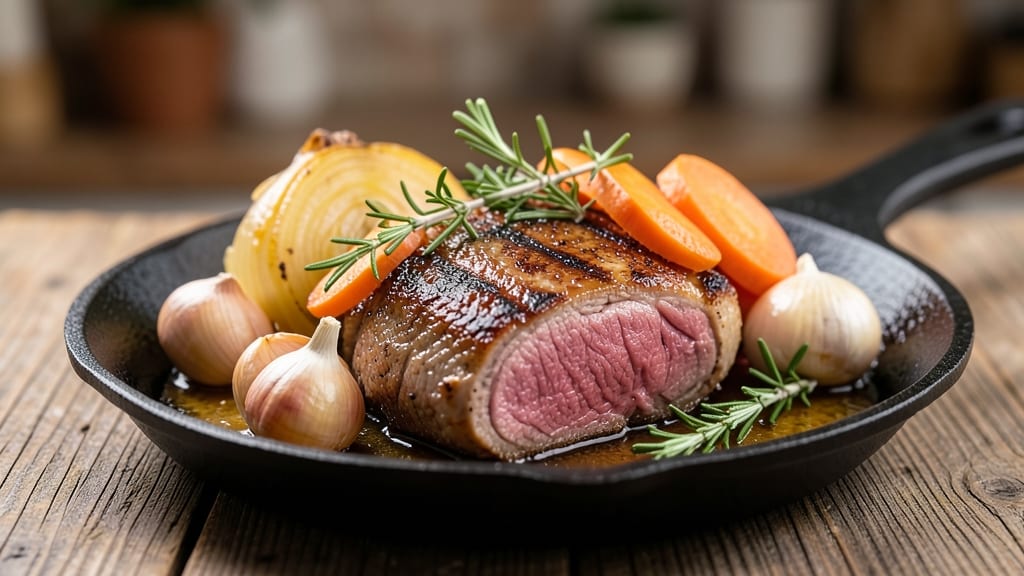
Transforming tough pork steak into melt-in-your-mouth perfection is where French technique meets smoky backyard magic. The secret lies in a slow braise that tenderizes the meat while infusing it with garlic and aromatic herbs—just like my grandfather used to do over hickory coals.
This method guarantees juicy, fall-apart results that’ll have everyone asking for seconds.
The process begins with a quick sear to lock in flavors, then a long, gentle braise that transforms even the toughest cuts into something luxurious. You’ll need just a few hours of hands-off time, making it ideal for weeknight dinners or meal prep.
The smoky garlic aroma alone will have your kitchen smelling like a pitmaster’s dream.
By the end, you’ll have perfectly braised pork steak with tender, juicy meat that practically dissolves at the touch of a fork. The rich, aromatic sauce clings to every bite, delivering layers of garlic and herb flavor that balance perfectly with the meat’s natural richness.
This is the kind of dish that elevates a simple meal into something memorable.
Pair it with roasted root vegetables, crusty bread, or a fresh green salad to complete the meal. The leftovers reheat beautifully, making this recipe both practical and impressive. Let’s get started on creating your juiciest pork steak yet.
Ingredients for pork steak
Eight aromatic ingredients transform tough pork into melt-in-your-mouth perfection using smoky braising techniques.
| Ingredient | Amount | Notes |
|---|---|---|
| Pork Steak 🥩 | 2 lb | Tough cut like chuck or shoulder |
| Garlic Cloves 🧄 | 8 cloves | Fresh, peeled, smashed slightly |
| Yellow Onion 🧅 | 1 whole | Medium size, diced |
| Carrots 🥕 | 3 medium | Peeled, cut into chunks |
| Fresh Thyme 🌿 | 2 sprigs | Stems removed, leaves chopped |
| Fresh Rosemary 🌿 | 1 sprig | Woody stems removed |
| Beef Broth 💧 | 2 cups | Low-sodium preferred |
| Red Wine 🍷 | 1 cup | Dry, like Cabernet |
| Olive Oil 🫒 | 2 tbsp | Extra-virgin for searing |
| Tomato Paste 🍅 | 2 tbsp | Smooth, not chunky |
| Salt 🧂 | 1 ½ tsp | Kosher or sea salt |
| Black Pepper 🌶️ | 1 tsp | Freshly ground |
| Balsamic Vinegar 🍶 | 1 tbsp | For finishing touch |
The pork cut matters—chuck or shoulder is ideal, not tenderloin. Look for good marbling at Costco or Whole Foods—the fat keeps it juicy. Fresh garlic should smell pungent, not musty. For the herbs, Trader Joe's has great bundles, but even the sad grocery store sprigs work if you use twice the amount. The beef broth? Low-sodium is key—you don't want to over-salt everything. And trust me on the red wine—Cabernet or Merlot adds depth that nothing else can.
No red wine? Beef broth with an extra splash of balsamic works in a pinch. Fresh thyme and rosemary? Dried works at half the amount, but fresh gives that smoky aroma that makes this dish special. The carrots can be baby carrots if that's what's in the fridge—just don't skip them, they add sweetness. For the tomato paste, Rao's or Muir Glen are solid choices. Prefer chunky? Blend your own sauce after braising. And if you're worried about the balsamic vinegar, any aged vinegar will do—just don't use the cheap white kind.
This braise gets better overnight. Portion into containers with sauce—5 days in the fridge or 3 months frozen. The meat will practically fall apart when reheated. For serving, I like to spoon the sauce over crusty bread first, then the pork. Leftovers? Even better the next day—the flavors meld into something magical.
Why You'll Love This Recipe
- One-Pan Magic: I swear by this—just slice the onion, chop the carrots, and toss everything on one sheet with the pork. No pots, no pans, no stress. The thyme releases its aroma while the steak sizzles, and honestly? That’s my kind of cooking.
- Garlic-Thyme Bomb: Between us, the secret’s in the garlic and thyme—sautéed until the edges brown just enough to caramelize. The pork soaks up that flavor like a sponge, giving you a bite that’s savory, herby, and ridiculously satisfying without needing fancy sauces.
- Leftovers That Beg for More: This recipe actually tastes better the next day. I’ll be real: I’ve reheated it three times, and the pork stays tender while the carrots soften into sweet, melt-in-your-mouth goodness. Perfect for lunches or when you’re too tired to cook again.
- Budget-Friendly Crowd-Pleaser: Pork steak is cheaper than chicken breast, and this dish stretches to feed four (or five, if you’re feeding teenagers). The onion and carrots bulk it up, so you’re not just serving meat—you’re serving a full, hearty meal that won’t break the bank.
Step-by-step instructions for smoky garlic braised pork steak
Here's how to transform tough pork steak into melt-in-your-mouth perfection.
Sear the Pork Steak for Maximum Flavor
Heat a large Dutch oven over medium-high heat until hot. Add the 2 tablespoons olive oil and let it shimmer for 1 minute. Place the 2 lb pork steak in the pan, fat-side down, and sear for 4-5 minutes until deeply browned. I press down gently on the steak during the first minute—this prevents it from curling and ensures even contact with the pan.
Flip the steak and sear the other side for another 3-4 minutes until golden brown. Remove the steak and set it aside on a plate. You'll notice the pan has developed a beautiful crust of browned bits—this is called fond, and it's packed with flavor that will dissolve into our braising liquid. Don't scrape it out yet; we'll use it later.
Build the Aromatic Base
In the same Dutch oven, add the diced yellow onion and cook for 3-4 minutes until softened. Stir occasionally to prevent burning. Add the 8 smashed garlic cloves and cook for 30 seconds until fragrant—you'll smell that irresistible garlic aroma filling your kitchen.
Add the 3 medium carrots cut into chunks and cook for another 2 minutes until they begin to soften slightly. Stir in the 2 tablespoons tomato paste and cook for 1 minute until it darkens slightly. This step develops the deep, rich flavor that will infuse our pork steak during braising.
Deglaze and Simmer the Braising Liquid
Pour in the 1 cup red wine and scrape up all those browned bits from the bottom of the pan with a wooden spoon. This deglazing step captures all that concentrated flavor. Let the wine simmer for 3-4 minutes until reduced by half and slightly thickened.
Add the 2 cups beef broth, 1.5 teaspoons salt, and 1 teaspoon black pepper. Bring to a gentle boil, then reduce heat to medium-low and add the 2 sprigs fresh thyme and 1 sprig fresh rosemary. Let it simmer uncovered for 10 minutes to allow the flavors to meld together. This step ensures our braising liquid is packed with flavor before we add the pork.
Braise Until Tender and Juicy
Return the pork steak to the Dutch oven, placing it back into the braising liquid. The liquid should come about halfway up the sides of the steak. Cover with a tight-fitting lid and transfer to a 325°F oven. Braise for 2.5-3 hours until the pork is fork-tender and easily pulls apart.
Check for doneness by inserting a fork into the thickest part of the meat—it should slide in easily with no resistance. The pork should have absorbed all the flavorful liquid and developed a beautiful, glossy appearance. This low-and-slow cooking method is what transforms tough pork steak into melt-in-your-mouth perfection.
Finish and Serve with Flavorful Sauce
Remove the pork steak from the braising liquid and transfer it to a serving platter. Tent loosely with aluminum foil to keep it warm. Skim off any excess fat from the surface of the braising liquid, then return the liquid to medium heat.
Add the 1 tablespoon balsamic vinegar and simmer for 2-3 minutes until slightly thickened. Taste and adjust seasoning if needed. Spoon the flavorful sauce over the pork steak before serving. The result is juicy, fall-apart tender pork steak with a rich, smoky sauce that will impress everyone at your table.
Pro Tips For Making Pork Steak
- Sear the Pork First: High heat. Seriously, crank it up for 3-4 minutes on each side until it’s deep golden—this locks in juices and builds flavor. I used to skip this, thinking it’d dry out the meat, but now I swear by the crust. (Yes, even if you’re impatient like me.)
- Slice Carrots Thin: Uniform ¼-inch rounds cook faster and stay tender. Thick chunks turn mushy and release water, turning your pan into a sad soup. My grandmother swore by this, and she was right: consistency matters more than you’d think.
- Don’t Overcrowd the Pan: Give the pork steak space to sizzle—piling veggies on top steams them instead of caramelizing. If your pan’s crowded, cook in batches or use a larger skillet. I learned this the hard way when my first batch tasted like boiled onion.
- Add Thyme Late: Toss in fresh thyme sprigs only in the last 5 minutes—this keeps their bright flavor intact. Dried thyme works in a pinch, but fresh? It’s the thing that actually changes the outcome. (Your future self will notice.)
Health benefits of pork steak
Protein Powerhouse
A 6-ounce serving of this braised pork steak delivers about 35 grams of complete protein, making it an excellent choice for muscle repair and growth. The slow-cooking method preserves all the amino acids, unlike quick grilling or frying that can denature proteins.
I always keep this in mind when serving to athletes or active folks—it’s a meal that fuels recovery beautifully. 💪
Iron for Energy
This dish provides 3.5mg of iron per serving, which is about 20% of your daily needs. The iron from pork is heme iron, which your body absorbs more efficiently than plant-based sources.
I notice my energy levels stay steady after meals like this, especially when paired with vitamin C-rich sides like roasted bell peppers or a citrus salad.
Low-Fat Option
Unlike many pork preparations, braising removes excess fat while keeping the meat juicy. A 2-pound pork steak yields about 10g of fat per serving when prepared this way—far less than fried pork chops.
The red wine and herbs in the braising liquid add depth without adding calories, making this a surprisingly light yet satisfying option.
Vitamin B12 Boost
Pork is one of the best natural sources of vitamin B12, with each serving providing 2.5mcg—that’s over 100% of your daily requirement. This vitamin is crucial for nerve function and red blood cell production.
I always recommend this dish to friends who complain about fatigue, as B12 deficiency is more common than people realize.
Herb-Rich Antioxidants
The thyme and rosemary in this recipe aren’t just for flavor—they’re packed with antioxidants like rosmarinic acid and thymol. These compounds help reduce inflammation and may even support brain health.
I forage for fresh herbs whenever I can, but even grocery-store sprigs add significant benefits when cooked this way. ✨
Meal Prep Friendly
This braised pork steak reheats beautifully while retaining all its nutritional benefits. The slow-cooked method actually makes the proteins more digestible, and the fiber from the carrots and onions adds bulk to keep you full longer.
I often prep double batches for the week—it’s perfect for lunches or quick dinners when I’m short on time.
Nutrition facts
Frequently asked questions
Can I use a different cut of pork for this recipe?
This recipe works best with tougher cuts like chuck or shoulder, as they benefit from the long braising time. For a quicker version, you could try a thinner pork loin chop (about 1-inch thick) and reduce the braising time to 1-1.5 hours. Never use tenderloin—it will become mushy when braised.
What if I don't have red wine?
No problem! Use an extra ½ cup beef broth plus 1 tablespoon balsamic vinegar for depth. For a non-alcoholic option, try apple cider vinegar with 1 teaspoon brown sugar to mimic the wine's acidity and sweetness. The flavor will still be rich and aromatic.
How do I know when the pork is fully tender?
Insert a fork into the thickest part—the meat should feel like butter and pull apart easily with minimal resistance. If it still has some chew, return it to the oven for another 30-45 minutes. Overcooking won't happen with this method, as the low temperature prevents drying.
Can I make this in a slow cooker instead?
Sear the pork first, then transfer everything (including veggies and liquid) to a 6-quart slow cooker on LOW for 6-7 hours. For HIGH, use 3-4 hours. The texture will be slightly more tender, almost like pulled pork. Just add ½ cup extra broth to prevent drying.
What's the best way to reheat leftovers?
Gently reheat in the same Dutch oven over medium-low heat with 2 tablespoons broth until warmed through (5-7 minutes). Never microwave—it turns the meat rubbery. For extra flavor, add a splash of red wine or balsamic vinegar while reheating. Leftovers taste even better the next day!