
Main Courses
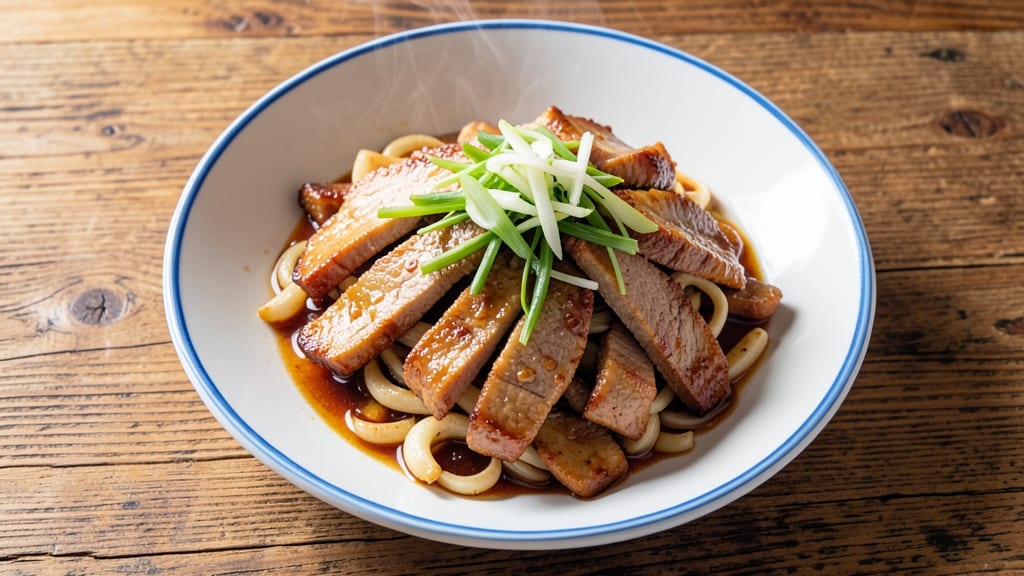
This pork stir-fry recipe delivers restaurant-quality wok-seared tenderness with a homemade sauce that balances sweet, tangy, and umami flavors—exactly how my grandmother used to make it, though with a few modern shortcuts.
The secret lies in thinly sliced pork that cooks in seconds on high heat, absorbing the sauce while staying impossibly tender. I learned this technique after burning through three batches of overcooked pork, and now it’s my go-to weeknight dinner that comes together in under 30 minutes.
The foundation of a great stir-fry is proper prep: marinate the pork for at least 20 minutes to tenderize, then slice it paper-thin against the grain for even cooking. High heat is non-negotiable—this isn’t a simmering dish, but a quick sear that creates that signature "wok hei" smokiness.
The homemade sauce, made with just five ingredients, cuts through the richness while adding layers of depth that store-bought versions can’t match. This is the kind of meal that transforms simple ingredients into something extraordinary with minimal effort.
By the time you’re done, you’ll have perfectly seared pork strips with a glossy, caramelized crust, tossed in a sauce that’s sticky-sweet with just enough tang to keep it bright.
The texture is what makes this recipe special: crisp edges on the pork, tender centers, and a sauce that clings without overwhelming. Serve it over steamed jasmine rice or noodles, and you’ve got a complete meal that’s hearty enough for a family dinner but quick enough for a busy weeknight.
One of the best things about this stir-fry is how versatile it is—swap in bell peppers, broccoli, or snap peas for extra vegetables, or add a splash of soy sauce for deeper umami.
The method stays the same, but the flavors adapt to whatever you’re craving. Let’s get cooking—this is the kind of dish that proves homemade can taste better than takeout every single time.
Ingredients for pork stir-fry
Fourteen ingredients, but only five really matter for that signature wok-hei flavor.
| Ingredient | Amount | Notes |
|---|---|---|
| Boneless Pork Loin 🥩 | 1 ½ lb | Thinly sliced against grain |
| Extra-Virgin Olive Oil 🫒 | 3 tbsp | For high-heat searing |
| Low-Sodium Soy Sauce 🥄 | ½ cup | For marinade and sauce |
| Honey 🍯 | 2 tbsp | For sticky-sweet sauce |
| Rice Vinegar 🍶 | 2 tbsp | For tangy brightness |
| Fresh Ginger 🌿 | 1 tbsp | Finely grated, fresh preferred |
| Garlic Cloves 🧄 | 4 cloves | Minced for marinade |
| Sesame Oil 🫒 | 1 tbsp | For finishing aroma |
| Green Onions 🧅 | ¼ cup | Sliced, for garnish |
| Jasmine Rice 🍚 | 1 ½ cups | Uncooked, for serving |
| Vegetable Oil 🫒 | 2 tbsp | High smoke point for wok |
| Salt 🧂 | 1 tsp | Kosher or sea salt |
| Black Pepper 🌶️ | ½ tsp | Freshly ground |
| Bell Peppers 🌶️ | 1 whole | Sliced, any color |
The pork is everything here—boneless loin is ideal, but shoulder or tenderloin work too. Slice it paper-thin against the grain (or grab pre-sliced from an Asian market). Trader Joe's or Costco carry great pre-cut pork for stir-fry, but if you're slicing yourself, freeze the meat for 20 minutes first—makes it easier. The soy sauce? Low-sodium is key—you don't want to overpower the dish. I always grab Kikkoman or Lee Kum Kee when I'm doing a big batch, but any good-quality soy sauce works.
No fresh ginger? Ground ginger at half the amount gets you close, but trust me, fresh makes all the difference. The bell peppers can be swapped for broccoli, snap peas, or mushrooms—whatever you've got. Short on sesame oil? Toasted sesame seeds sprinkled at the end add the same nutty aroma. The honey and rice vinegar balance perfectly, but if you're feeling fancy, add a dash of fish sauce for extra umami. And if you're really in a pinch, maple syrup can replace the honey—just reduce the sauce longer to cut the sweetness.
Marinate the pork for at least 20 minutes—longer if you can. The sauce keeps for 1 week in the fridge, so make extra. Freeze portions in ice cube trays for quick weeknight meals. The rice? Cook it ahead and reheat with a splash of water—jasmine rice is ideal, but any long-grain works. Serve immediately for that perfect wok-hei texture—waiting turns the pork soggy.
Why You'll Love This Recipe
- I swear by this one: just slice the pork into thin strips—no fancy knife skills needed—and you’re halfway done. The rest? Stir, toss, repeat. (Yes, even on a Tuesday night.)
- Minimal Chopping Required: I swear by this one: just slice the pork into thin strips—no fancy knife skills needed—and you’re halfway done. The rest? Stir, toss, repeat. (Yes, even on a Tuesday night.)
- Sweet-Savory Magic: That honey and soy sauce combo? It’s the secret weapon here—caramelized edges from the olive oil, brightened by a splash of rice vinegar at the end. Crispy, sticky, ridiculously good without a single jarred sauce.
- Lunchbox Hero: Make a double batch on Sunday, and you’ve got weekday lunches sorted. The flavors only get better the next day (trust me), and it reheats like a dream—no soggy stir-fry here.
Step-by-step instructions for wok-seared pork stir-fry
Here's how to make restaurant-quality pork stir-fry with perfectly tender meat and a glossy homemade sauce.
Prep the Pork for Maximum Tenderness
Slice the 1.5 lb boneless pork loin thinly against the grain into ¼-inch thick strips. This is crucial—thin slices cook faster and stay tender. Place the sliced pork in a bowl and add 3 tbsp extra-virgin olive oil, 0.5 cup low-sodium soy sauce, 2 tbsp honey, 2 tbsp rice vinegar, 1 tbsp finely grated fresh ginger, and 4 minced garlic cloves. Mix well until the pork is evenly coated.
Let the pork marinate for at least 15 minutes at room temperature. This helps break down the fibers and infuses the meat with flavor. Don't skip this step—it makes all the difference in tenderness. While it marinates, slice the 1 whole bell peppers into thin strips and set aside.
Cook the Jasmine Rice to Perfection
Rinse the 1.5 cups jasmine rice under cold water until the water runs clear. This removes excess starch and prevents gummy rice. In a pot, combine the rice with 3 cups water, 1 tsp salt, and a pinch of black pepper. Bring to a boil, then reduce heat to low, cover, and simmer for 15 minutes. Turn off the heat and let it steam for another 10 minutes without lifting the lid.
This resting time allows the rice to absorb all the liquid and become fluffy. Fluff the rice with a fork before serving—it should be light and separate, not clumped together. Keep it warm while you finish the stir-fry.
Stir-Fry the Pork Until Golden Brown
Heat a wok or large skillet over high heat until smoking. Add 2 tbsp vegetable oil and swirl to coat the pan. Add the marinated pork in a single layer, stirring constantly for 2-3 minutes until the edges turn golden brown and the meat is 80% cooked. Don't overcrowd the pan—work in batches if needed.
Remove the pork from the wok and set aside. In the same pan, add a little more vegetable oil if needed, then stir-fry the sliced bell peppers for 2 minutes until just tender. Add the cooked pork back to the pan and mix well.
Finish with the Homemade Sauce
In a small bowl, whisk together 1 tbsp sesame oil, 1 tbsp rice vinegar, 1 tbsp honey, and 1 tsp low-sodium soy sauce. Pour this sauce over the pork and peppers in the wok. Toss everything together for 1-2 minutes until the sauce coats the pork evenly and the peppers are heated through.
Taste and adjust seasoning if needed—add a splash more low-sodium soy sauce for saltiness or rice vinegar for tang. Garnish with 0.25 cup sliced green onions just before serving. The stir-fry should be glossy, aromatic, and packed with flavor.
Serve Immediately Over Steamed Rice
Divide the jasmine rice among four plates, then spoon the pork stir-fry over the top. The rice should soak up the delicious sauce, creating a perfect balance of flavors in every bite. Serve while hot—this dish is best enjoyed fresh off the wok.
Each bite should deliver tender, juicy pork with a perfect sear, sweet and tangy sauce, and crisp-tender peppers. The homemade sauce elevates this dish far beyond takeout—it's restaurant-quality at home.
Pro Tips For Making Pork Stir-Fry
- Slice Thin, Slice Fast: Grab a sharp knife and slice the pork loin against the grain into ¼-inch thick strips—thinner than you think. I used to fight this step, but it cooks in 2 minutes flat and stays juicy. (Yes, even if you’re impatient like me.)
- Salt the Pork Early: Toss the sliced pork with ½ teaspoon salt and let it sit uncovered in the fridge for 10 minutes. This draws out moisture, so it sears better and doesn’t steam in the pan. I learned this the hard way—soggy stir-fry is no one’s idea of a good time.
- Use Olive Oil, But Careful: Heat the oil just until it shimmers (about 350°F) before adding the pork—extra-virgin olive oil burns fast. If it starts smoking, pull the pan off heat for 10 seconds. (Your future self will thank you.)
- Deglaze with Vinegar Last: Wait until the pork is nearly done before adding rice vinegar—it cooks off fast and balances the honey’s sweetness. Dump in 1 tablespoon, stir like crazy, then hit it with soy sauce. This isn’t the prettiest method, but it’s the tastiest.
Serving suggestions for this pork stir-fry
Rice Pairings
Jasmine rice is my go-to for this stir-fry because its delicate floral aroma complements the bold flavors without overpowering them. Cook 1.5 cups uncooked jasmine rice with 3 cups water and a pinch of salt for perfectly fluffy grains.
For a shortcut, use microwaveable jasmine rice in a 10-minute setting—just add a splash of water if it seems dry. 🍚
If you prefer texture contrast, try brown rice or forbidden black rice. The nutty earthiness of brown rice pairs surprisingly well with the sweet-tangy sauce, while black rice adds a striking visual element.
Just remember to soak brown rice for 30 minutes before cooking to reduce the cooking time to 45 minutes instead of the usual hour.
Noodle Alternatives
For a lighter option, swap rice for udon or soba noodles. Cook 8 oz dried noodles according to package instructions, then toss with the stir-fry. The chewy texture of udon soaks up the sauce beautifully, while soba's nutty flavor adds depth.
I like to add a splash of sesame oil to the noodles before mixing to enhance the aroma. 🍜
For a gluten-free option, use rice noodles or shirataki noodles. Rice noodles cook in 3-5 minutes in boiling water, while shirataki noodles require only a quick rinse and 2 minutes of steaming. Both work well with the stir-fry's bold flavors but add a completely different texture profile.
Vegetable Sides
A simple steamed bok choy or garnished cucumber salad balances the richness of the pork. For bok choy, blanch 2 whole heads for 2 minutes in boiling water, then toss with 1 tbsp toasted sesame oil. The crisp-tender greens cut through the sauce's stickiness perfectly. 🥬
For a crunchy contrast, serve with quick-pickled vegetables. Thinly slice 1 carrot and ½ cucumber, then soak in ¼ cup rice vinegar, 1 tsp sugar, and ½ tsp salt for 15 minutes. The tangy crunch adds freshness that makes the stir-fry even more satisfying.
Protein Additions
Add shrimp or chicken to make it a complete protein powerhouse. Toss ½ lb shrimp with 1 tbsp soy sauce and ½ tsp cornstarch before stir-frying for 1-2 minutes—they cook faster than pork.
For chicken, use ½ lb boneless thighs, sliced thin, and cook them for 3-4 minutes until golden. 🦐
For a vegetarian option, add extra-firm tofu pressed for 20 minutes and sliced into ½-inch cubes. Toss with 1 tbsp soy sauce and 1 tsp grated ginger before stir-frying. The tofu absorbs the sauce beautifully while adding a satisfying texture.
Nutrition facts
Frequently asked questions
Can I use pork shoulder instead of pork loin for this stir-fry?
Pork shoulder works beautifully—it's more flavorful and stays juicier when sliced thin. Just trim any visible fat and slice it paper-thin against the grain for even cooking. The marinade will penetrate deeper, making it even more tender. For best results, freeze the meat for 20 minutes before slicing to make it easier to cut thinly.
How do I prevent the pork from getting chewy when stir-frying?
Thin slicing and high heat are key. Always slice the pork ¼-inch thick against the grain and marinate for at least 15 minutes—this breaks down the fibers. Use a wok or skillet on high heat until smoking, then stir-fry for only 2-3 minutes until just golden. Overcrowding the pan lowers the temperature and causes steaming instead of searing. Work in batches if needed.
Can I make this stir-fry ahead of time?
While the sauce and rice can be prepped ahead, the stir-fry is best served immediately for that signature wok-hei flavor. If you must reheat, cook the pork fresh and store it separately in the fridge for up to 2 days. Reheat in a skillet with a splash of water for 1-2 minutes to restore crispness. The sauce can be made 1 week ahead and stored in the fridge. Never reheat leftovers in the microwave—the texture suffers.
What's the secret to getting that smoky wok-hei flavor at home?
High heat and a well-seasoned pan are essential. Use a carbon steel or cast iron wok (or a heavy skillet) and heat it until it's smoking hot before adding oil. Keep the pork moving constantly—this creates steam that carries flavorful particles, giving that signature smoky aroma. A splash of sesame oil at the end also enhances the aroma. If your pan isn't hot enough, the pork will steam instead of sear.
Can I substitute honey with something else in the sauce?
Yes! For a less sweet option, use maple syrup or agave nectar in a 1:1 ratio, but reduce the sauce by 1-2 minutes longer to cut the sweetness. For a savory twist, try hoisin sauce (replace honey with 1 tbsp) or a dash of fish sauce for umami depth. Just remember—honey adds that perfect balance of sweetness and glossiness that's hard to replicate.