
Main Courses
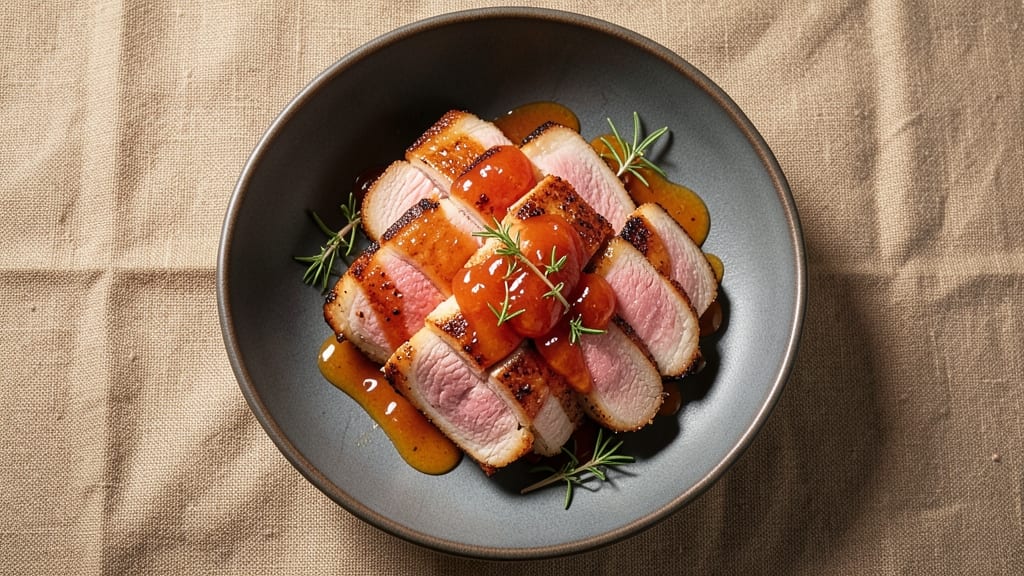
This pork tenderloin apricot jam recipe transforms simple ingredients into a showstopping dish, where sweet-tart jam glides over seared meat for a dish that’s as elegant as it is effortless.
My family’s small-town Georgia gatherings always featured pork as the star, and this apricot jam pairing is the secret I’ve perfected over years of cooking. The sweet-tangy glaze doesn’t just add flavor; it caramelizes beautifully, turning simple pork into something restaurant-worthy.
This method balances precision with ease: a quick sear to lock in juices, then a gentle roast to achieve that tender center. The apricot jam isn’t just a garnish—it’s the star of the show, reducing into a glossy sauce that clings to the meat like a hug.
I’ve tested this on everything from weeknight dinners to holiday tables, and it never disappoints.
What you’ll end up with is pork so tender it falls apart at the touch, glazed with a sweet-tangy finish that balances the meat’s richness. The jam’s natural acidity cuts through the fat, while its caramelized edges add a depth that store-bought sauces can’t match.
Trust me, this isn’t just a side—it’s the whole experience.
Serve it with roasted potatoes or a simple green salad to round out the meal. The jam’s brightness pairs perfectly with earthy sides, creating a dish that’s both elegant and approachable. Let’s get cooking—your taste buds will thank you.
Ingredients for pork tenderloin apricot jam
Sweet, tangy, and impossible to resist—this pork tenderloin apricot jam recipe turns ordinary ingredients into a restaurant-worthy masterpiece.
| Ingredient | Amount | Notes |
|---|---|---|
| Pork Tenderloin 🐷 | 2 ½ lb | Thawed, trimmed of silver skin |
| Apricot Preserves 🍑 | 1 cup | High-quality, chunky texture |
| Dijon Mustard 🧂 | 2 tbsp | For depth and tanginess |
| Honey 🍯 | 2 tbsp | Raw or local preferred |
| Apple Cider Vinegar 🍎 | 1 tbsp | Balances sweetness naturally |
| Garlic Cloves 🧄 | 4 cloves | Minced, aromatic punch |
| Fresh Rosemary 🌿 | 1 tbsp | Chopped, for earthy notes |
| Salt 🧂 | 1 ½ tsp | Kosher or sea salt |
| Black Pepper 🌶️ | ½ tsp | Freshly ground, just cracked |
| Olive Oil 🫒 | ½ cup | Extra-virgin, for searing |
| Fresh Thyme 🌿 | 1 tbsp | Chopped, for aromatic finish |
| Butter 🧈 | 2 tbsp | Unsalted, for basting |
| Potatoes 🥔 | 2 lb | Russet or Yukon Gold |
The pork tenderloin is where the magic starts—2.5 pounds ensures it stays juicy and tender. Look for thawed, trimmed pieces at your grocery store's meat department; Costco or Whole Foods often have great selections. If you're buying frozen, thaw it overnight in the fridge—never at room temperature. The apricot preserves are non-negotiable; low-sugar, chunky varieties like Muir Glen add the best texture. I always grab a jar when I see it on sale—it keeps for months in the pantry.
No apricot preserves? Peach preserves with a splash of apricot jam works in a pinch, though the flavor won’t be identical. Want to skip the Dijon mustard? Worcestershire sauce at half the amount adds a similar tang. Fresh herbs are ideal, but dried thyme and rosemary at one-third the amount get you close. The honey can be any kind—raw local honey adds a subtle floral note, but store-bought works fine. For the potatoes, Yukon Gold holds up better to roasting than russets, but either works if that’s what you’ve got.
The pork tenderloin reheats beautifully—best within 3 days for maximum tenderness. Store leftovers in an airtight container with the jam glaze. The jam itself keeps for up to 2 weeks in the fridge if you make extra. I always double the jam recipe and freeze half—thaw in the fridge overnight before reheating for the pork. The potatoes? Roast them ahead and reheat in the oven with the pork for that caramelized crust every time.
Why You'll Love This Recipe
- Here’s what sold me: the apricot jam cuts through the richness of the pork like a bright summer breeze. The apple cider vinegar adds a tangy kick, while the Dijon mustard ties it all together—sophisticated but not trying too hard. (Yes, even my picky husband licks the plate.)
- I’ll be real: pork tenderloin feels fancy, but it’s actually one of the most affordable cuts. A jar of apricot preserves and a bottle of vinegar stretch this meal for four with room to spare. Not to mention, the leftovers reheat like a dream—no dry, sad pork here.
Step-by-step instructions for sweet-tangy pork tenderloin
Here's how to transform simple ingredients into melt-in-your-mouth pork with a caramelized apricot glaze.
Prepare the Pork and Glaze Base
Pat the 2.5 lb pork tenderloin dry with paper towels—this is crucial for that perfect sear. In a small bowl, whisk together the 1 cup apricot preserves, 2 tbsp Dijon mustard, 2 tbsp honey, 1 tbsp apple cider vinegar, 1 tbsp chopped fresh rosemary, and 1 tbsp chopped fresh thyme. The vinegar and mustard will cut through the sweetness while the herbs add depth.
Season the pork generously with 1.5 tsp salt and 0.5 tsp freshly cracked black pepper. I like to press the seasoning into the meat so it sticks—this ensures even flavor distribution. Let the pork sit at room temperature for 15 minutes while you prep everything else. This step guarantees even cooking and maximum tenderness.
Sear the Pork and Roast the Potatoes
Heat 0.5 cup olive oil in a large oven-safe skillet over medium-high heat until shimmering. Add the pork tenderloin and sear on all sides for 2-3 minutes per side until golden brown. You're not cooking it through yet—just creating that beautiful crust that locks in juices. Transfer the pork to a plate and set aside.
In the same skillet, add the 2 lb potatoes cut into 1-inch chunks. Toss them with 2 tbsp butter and roast at 400°F for 20 minutes, stirring once halfway. The potatoes should be tender when pierced with a fork but still hold their shape. This timing works for Russet or Yukon Gold potatoes—both will develop a crispy exterior while staying fluffy inside.
Build the Glaze and Finish the Pork
Return the skillet with potatoes to the oven and reduce heat to medium. Add the 4 minced garlic cloves and cook for 30 seconds until fragrant—don't let them brown or they'll turn bitter. Pour the glaze mixture over the pork and potatoes, spooning it generously over the top. The glaze should bubble and begin to caramelize immediately.
Return everything to the oven and roast for 15-20 minutes at 400°F, basting the pork with the glaze every 5 minutes. You'll know it's done when the pork reaches 145°F internally and the glaze has thickened to a glossy consistency. The potatoes should be fork-tender with golden brown edges from the caramelized glaze.
Rest and Serve for Maximum Tenderness
Transfer the pork to a cutting board and let it rest for 10 minutes before slicing. This resting period is where the magic happens—the juices redistribute throughout the meat instead of pooling on your plate. While it rests, keep the potatoes warm in the skillet covered with foil.
Slice the pork into 1-inch medallions and serve immediately with the glazed potatoes. The result should be perfectly tender pork with a sweet-tangy glaze that caramelizes beautifully, paired with crispy yet fluffy potatoes. Each bite delivers that perfect balance of sweet, tangy, and savory flavors we're after.
Pro Tips For Making Pork Tenderloin Apricot Jam
- Trim the Fat First: Pork tenderloin is lean, but those little fat caps on the ends? Trim them off before seasoning. I learned this the hard way—those bits burn before the meat does, and suddenly your glaze is fighting smoke instead of caramelizing.
- Warm the Jam: Take your apricot preserves out of the fridge 10 minutes before using. Cold jam glaze won’t stick to the meat like it should—it’ll just pool in the pan. A quick microwave zap (20 seconds) gets it fluid and ready to cling.
- Mustard First, Then Honey: Whisk the Dijon into the apricot jam before adding honey or vinegar. That way, the mustard’s sharpness blends smoothly into the glaze instead of sitting in clumps. I used to add everything at once, and the texture always felt off.
- Check Internal Temp: Pull the pork at 145°F—not when it looks done. Tenderloin dries out fast, and relying on color alone means you’ll either serve it dry or undercooked. A meat thermometer here saves seconds of overcooking.
Regional styles of these flavors
Southern Georgia Style
In my family’s Georgia kitchen, pork tenderloin with apricot jam was a Sunday supper staple—though we used homemade peach jam instead of store-bought. The key difference? We’d add a splash of hot pepper jelly (about 1 tbsp) to the glaze for a subtle heat that cuts through the sweetness.
Serve with collard greens slow-cooked with smoked turkey neck for that true Southern experience. The jam’s acidity plays beautifully with the greens’ earthiness. 🌶️
Charleston Market Twist
Charleston’s market cooks swear by a white wine reduction> in the glaze—replace the apple cider vinegar with ¼ cup dry white wine> (like Sauvignon Blanc) and simmer it with the jam until reduced by half.
Add 1 tsp grated lemon zest> for brightness. Pair with she-crab soup> for a Lowcountry feast that balances rich and light. The wine’s acidity deepens the jam’s caramelization without overpowering it.
German-Inspired Sweet-Savory
My German heritage comes out in this adaptation: swap the Dijon for 2 tbsp caraway seeds> (toasted and ground) and add 1 tbsp fresh parsley> to the glaze. The caraway adds an earthy anise note that pairs surprisingly well with apricot’s fruitiness.
Serve with red cabbage slaw> and buttery spaetzle> for a hearty, comforting meal. The contrast of textures makes every bite exciting.
Modern Fusion Approach
For a restaurant-worthy twist, I’ve experimented with adding 1 tbsp miso paste> (white or red) to the glaze base. The umami depth elevates the dish to next-level sophistication. Garnish with toasted sesame seeds> and serve with jasmine rice> and quick-pickled cucumbers.
The miso cuts through the sweetness while adding a savory complexity that’s pure umami magic. 💫
Holiday Centerpiece
For Thanksgiving or Christmas dinner, double the recipe and add ½ cup cranberry sauce> to the glaze for a festive twist. The tartness of the cranberries balances the apricot’s sweetness perfectly.
Serve with garlic mashed potatoes> and roasted Brussels sprouts> for a showstopping main course. The deep red glaze looks stunning on the platter and tastes even better.
Nutrition facts
Frequently asked questions
Can I use store-bought apricot jam instead of preserves?
Yes! While chunky preserves add texture, smooth apricot jam works perfectly in this recipe. Just be sure to use a high-quality brand with minimal added sugar. The jam will still caramelize beautifully and create that sweet-tangy glaze you love. If your jam is very sweet, reduce the honey by 1 tablespoon to balance the flavors.
What’s the best way to handle leftovers?
Store the pork and glaze in an airtight container in the fridge for up to 3 days. Reheat gently in the oven at 300°F for 10-15 minutes to revive the glaze’s caramelized texture. The potatoes? Reheat separately in the oven with the pork for that crispy finish. Pro tip: Freeze the glaze base separately—just thaw and reheat when ready to use.
Why does my glaze turn grainy instead of smooth?
Graininess usually happens when the jam isn’t fully reduced or the pork is overcooked. Keep an eye on the oven temperature—it should stay steady at 400°F. If the glaze thickens too quickly, remove the pork and reduce heat to medium-low. Stirring gently with a spoon can also help smooth it out before returning to the oven.
Can I make this dish ahead of time?
Cook the pork and glaze as directed, then refrigerate everything together. When ready to serve, reheat in the oven at 350°F for 15 minutes, basting with the glaze halfway through. The potatoes can be roasted separately and reheated alongside the pork. This method works best for meal prep—just add fresh herbs when serving for brightness.
What sides pair best with this pork tenderloin?
Roasted potatoes are classic, but don’t stop there! Try creamy mashed potatoes for contrast, or a crisp green salad with lemon vinaigrette to cut through the richness. For a Southern touch, serve with collard greens or cornbread. Even simple steamed vegetables like green beans or asparagus enhance the dish’s elegance.