
Main Courses
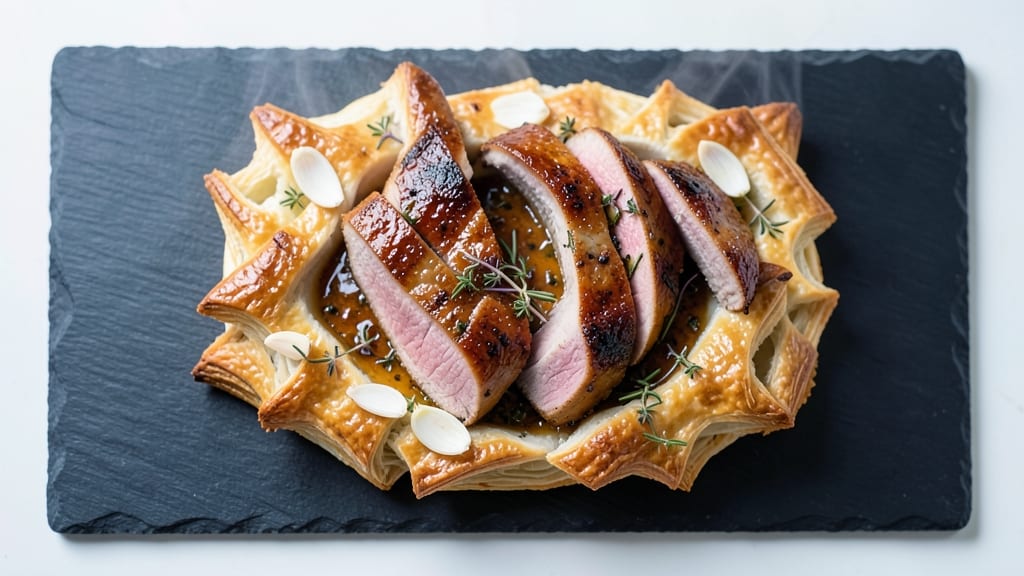
This pork tenderloin puff pastry recipe turns an everyday cut into a golden, flaky masterpiece—easier than you’d imagine. After years of perfecting this technique at The Smoky Pig, I’ve developed a method that delivers tender, juicy pork with a golden, flaky crust—ready in just 30 minutes.
The secret lies in proper seasoning and a high-heat bake that ensures the pastry crisps while the pork stays moist.
This recipe builds on my heritage roots, where pork was always the centerpiece of family gatherings. The herb crust—rosemary, thyme, and garlic—adds depth that pairs beautifully with the buttery richness of the pastry.
What makes this dish foolproof is the one-pan technique, which means minimal cleanup and maximum flavor. Even home cooks can achieve restaurant-quality results with just a few key steps.
By the time you slide this dish out of the oven, you’ll have a golden, puffed pastry encasing perfectly cooked pork that’s juicy inside and crisp on the edges.
The aroma alone will have your guests asking for seconds, and the presentation makes it ideal for dinner parties or special occasions. Serve with a simple green salad or roasted vegetables to let the main course shine.
The beauty of this recipe is its versatility—swap the herbs for your favorites, or add a splash of mustard to the crust for a tangy twist. With proper resting time, the pork stays tender even after slicing, ensuring every bite is as impressive as the first.
Let’s get cooking—this is a dish that’ll impress without the fuss.
Ingredients for pork tenderloin puff pastry
A few simple ingredients transform plain pork into restaurant-worthy elegance. Nothing fancy, just good stuff.
| Ingredient | Amount | Notes |
|---|---|---|
| Pork Tenderloin 🐖 | 1 ½ lb | Center-cut, trimmed of fat |
| Puff Pastry Sheets 🥧 | 1 sheet | Store-bought or homemade, thawed |
| Unsalted Butter 🧈 | ½ cup | Cold, cubed for crust |
| Fresh Rosemary 🌿 | ½ cup | Chopped, finely (the good stuff) |
| Fresh Thyme 🌿 | ¼ cup | Leaves only, stems removed |
| Garlic Cloves 🧄 | 4 cloves | Minced, for crust and seasoning |
| Diamond Crystal Kosher Salt 🧂 | 1 ½ tsp | For crust and seasoning |
| Ground Black Pepper 🌶️ | ½ tsp | Freshly cracked |
| All-Purpose Flour 🌾 | ¼ cup | For dusting pastry |
| Extra-Virgin Olive Oil 🫒 | 1 tbsp | For brushing pork |
| Fresh Parsley 🌿 | ⅛ cup | Chopped, for garnish (optional) |
The pork tenderloin is the star—go for a center-cut piece with good marbling (not too lean, not too fatty). Most grocery stores have it pre-trimmed, but if you're feeling fancy, trim any silver skin yourself. I grab mine from Whole Foods or Costco—they consistently have the freshest cuts. The puff pastry? Store-bought is fine (I love the Pepperidge Farm sheet for this), but if you're ambitious, homemade pastry works too. Just make sure it's fully thawed before handling—cold pastry cracks under stress. The herbs? Fresh is non-negotiable here—dried just won't give that same bright, aromatic punch. Grab a bunch of rosemary and thyme at the market, and snip off what you need. The rest keeps for weeks in the fridge wrapped in a damp towel.
No fresh rosemary? Dried works at half the amount, but it's not the same. Short on thyme? Substitute with oregano—it's got a similar earthy vibe. The garlic can be roasted ahead of time if you're prepping (just toss whole cloves in the oven at 400°F for 10 minutes), but fresh minced is perfect too. Running low on butter? Use ghee—it's got a higher smoke point and adds a lovely richness. The flour is just for dusting, so grab whatever's in your pantry. And if you're feeling adventurous, swap the parsley for fresh chives or dill—both pair beautifully with pork. The key is keeping that herb crust vibrant and aromatic, so don't skimp on the freshness.
This dish reheats beautifully—just pop it in the oven at 350°F for 10-15 minutes until golden. Keeps in the fridge for 3-4 days wrapped tightly in foil, but honestly, it disappears faster than that. For leftovers, slice and serve over mashed potatoes or a fresh salad. The pastry stays crispy if you reheat it covered with foil for 5 minutes, then uncovered for the last 2 to brown. Freeze portions for up to 2 months—just thaw overnight in the fridge before reheating. I always make a double batch because it's that good, and the second night is even better as the flavors meld.
Why You'll Love This Recipe
- One-Pan Magic: I swear by this trick—just slice the pork, wrap it in butter-soft puff pastry, and slide it into the oven. No chopping boards, no extra pans, no stress. The pastry puffs up while the pork stays juicy, and honestly? That’s the kind of meal where I forget I’m even cooking.
- Herb-Crusted Crunch: The rosemary and thyme tucked under the pastry? They infuse into the butter and pork like a secret weapon. That crispy, golden crust gives way to tender meat with layers of earthy, bright flavor—like a fancy bistro dish, but with ingredients I actually keep in my fridge.
- Weeknight to Dinner Party: This recipe works whether I’m throwing together dinner in 25 minutes or prepping for a crowd. Double the batch, freeze half, and pull it out when company’s coming—no one will guess it’s not homemade from scratch. (Between us, my in-laws still think I spend hours in the kitchen.)
- Leftovers That Don’t Suck: Cold slices the next day? Still delicious. Wrapped in foil, they reheat perfectly in the oven or microwave. And because pork tenderloin is lean and affordable, I’m not breaking the bank while making something that feels special. Plus, the pastry keeps it from drying out—my go-to for lazy lunches.
Step-by-step instructions for herb-crusted pork tenderloin in puff pastry
This method delivers melt-in-your-mouth pork with a golden, flaky crust every time.
Prepare the Herb Butter Crust
In a small bowl, combine the 0.5 cup unsalted butter, 0.5 cup fresh rosemary, 0.25 cup fresh thyme, 4 cloves minced garlic, 1.5 tsp diamond crystal kosher salt, and 0.5 tsp ground black pepper. Mix with a fork until the herbs are evenly distributed throughout the butter. This mixture will create the flavorful crust that seals in moisture while adding incredible aroma.
Transfer the herb butter to a piece of plastic wrap and flatten it into a ¼-inch thick rectangle. Roll it up tightly and chill for 15 minutes. The cold butter will hold its shape better when you're ready to wrap it around the pork. Here's where the magic happens - this herb butter isn't just seasoning, it's the secret to that perfect golden crust and tender interior.
Season and Sear the Pork
Pat the 1.5 lb pork tenderloin dry with paper towels - this step is crucial for getting that crispy crust. Using your hands, gently press the chilled herb butter mixture all over the pork, making sure to get it into every crevice. The butter will melt slightly from your hands, creating an even coating.
Heat a large oven-safe skillet over medium-high heat. Add 1 tbsp extra-virgin olive oil and let it get hot but not smoking. Place the pork in the skillet and sear on all sides for about 2 minutes per side until golden brown. You'll know it's ready when you see those beautiful caramelized spots forming. This searing step locks in the juices and builds flavor foundation.
Wrap in Puff Pastry
Carefully remove the skillet from heat and let the pork rest for 2 minutes. Dust the thawed puff pastry sheet with 0.25 cup all-purpose flour, shaking off any excess. Place the puff pastry over the pork, gently pressing the edges to seal completely. Use a sharp knife to trim any excess pastry, creating a neat package.
Return the skillet to medium heat and let the puff pastry cook for 3-4 minutes until it starts to puff up and turn golden. This is where you'll see that beautiful transformation happen right before your eyes. The pastry will rise slightly as the butter inside melts and steams, creating that signature flaky texture we all love.
Finish in the Oven
Preheat your oven to 400°F. Transfer the skillet with the wrapped pork to the oven and bake for 15-18 minutes, or until the pastry is golden brown and crispy and the internal temperature of the pork reaches 145°F. The pastry should be golden all over with some browned spots - that's your sign it's done.
Remove from oven and let rest for 5 minutes before carefully unwrapping the pastry. The pork should be fork-tender with beautiful grill marks from the searing. Garnish with 0.125 cup chopped fresh parsley if desired. The pastry will be crispy on the outside but still tender inside, creating the perfect contrast with the juicy pork.
Pro Tips For Making Pork Tenderloin Puff Pastry
- Trim the Fat First: Pork tenderloin is lean, but if yours has a thin strip of fat, slice it off before seasoning—it’ll prevent the pastry from getting soggy when the meat renders. I learned this the hard way when my first batch turned into a greasy pastry mess.
- Brush Butter Cold: Spread the unsalted butter on the puff pastry right before wrapping the pork—don’t melt it first. Cold butter creates flaky layers, while melted butter just soaks in. (Yes, even if you’re impatient like me.)
- Don’t Overstuff the Pastry: Puff pastry puffs best when it’s not packed like a Thanksgiving turkey—leave a ½-inch gap between the meat and the edges. Overstuffing crushes the layers, and your dish ends up looking like a sad, dense loaf.
- Sear the Meat First: Hit the pork tenderloin with a hot pan for 2 minutes per side before wrapping it in pastry. That crust locks in juices and adds depth—skipping it means your dish tastes more like steamed pork than seared. (Your future self will notice.)
Essential equipment for pork tenderloin puff pastry
Essential Skillet
An oven-safe cast iron skillet is my non-negotiable tool for this recipe—it distributes heat evenly and retains it perfectly for searing and baking. I swear by a Lodge 10.25-inch skillet with its pre-seasoned surface that develops a natural non-stick patina over time.
The deep sides help contain any butter or juices while the pork cooks. If you don't have cast iron, a heavy stainless steel skillet like All-Clad works too, though you may need to add a touch more oil to prevent sticking. 🔥
Precision Thermometer
Never guess the doneness of pork—use a meat thermometer to ensure perfect results every time. I rely on the ThermoWorks Smoke with its flexible probe, which lets me monitor internal temperature without opening the oven.
For pork tenderloin, aim for an internal temp of 145°F—any higher risks drying it out. The probe also helps track the skillet's heat, preventing hot spots that could burn your pastry.
Pastry Tools
For handling puff pastry, keep these tools handy: a sharp chef's knife for trimming excess (I use a Wüsthof 8-inch), a pastry brush for egg wash (though we're skipping it here), and parchment paper to protect your counter.
A rolling pin isn't needed since store-bought puff pastry is pre-rolled, but if you're using homemade, a French-style pin gives you better control. Keep everything cold—pastry behaves best when chilled.
Herb Prep Kit
Fresh herbs make all the difference, so invest in a good pair of kitchen shears for chopping rosemary and thyme stems. I also keep a microplane for garlic—it creates a fine mince that distributes evenly in the butter.
A small mixing bowl (6-inch diameter) works perfectly for combining the herb butter mixture. For measuring, a scale ensures precise butter portions (I use my Ozeri Touch digital scale), though measuring cups work for the herbs.
Optional: Pastry Brush
While we're skipping egg wash in this recipe, having a high-quality pastry brush (like Silpat's silicone brush) on hand lets you add a light egg glaze if you want extra shine.
Brush the pastry with 1 egg white mixed with 1 tsp water, then sprinkle with 1 tbsp coarse salt before baking for dramatic flavor and texture. This step isn't necessary but elevates the dish to restaurant-level presentation. 💡
Nutrition facts
Frequently asked questions
Can I use store-bought puff pastry for this recipe?
This recipe was designed with convenience in mind. Store-bought puff pastry sheets (like Pepperidge Farm) work beautifully and save time. Just make sure it's fully thawed before handling—cold pastry cracks easily. The key is to keep everything chilled until you're ready to wrap the pork.
What if my pork tenderloin is thicker or thinner than 1.5 lbs?
Adjust cooking time based on thickness: 1-inch thick pieces need 15-18 minutes in the oven, while 2-inch thick pieces may require 20-22 minutes. Always use a meat thermometer—pork is done at 145°F internally. Thin tenderloins (under 1 lb) cook faster, so watch closely after 12 minutes.
Why is my puff pastry not puffing up?
Cold pastry is key! If your puff pastry isn't rising, it may be too warm. Chill the wrapped pork in the fridge for 10 minutes before baking. Also, ensure your oven is fully preheated to 400°F—even heat is crucial. If it still doesn't puff, try brushing the top with 1 tbsp egg wash before baking for extra lift.
Can I make this ahead of time?
Yes! Assemble the dish (pork wrapped in pastry) up to 24 hours ahead and refrigerate uncovered. Bake straight from the fridge, adding 3-5 extra minutes to the oven time. For freezing, wrap tightly in foil and freeze for up to 1 month. Thaw overnight in the fridge before baking. The flavors deepen when reheated!
What’s the best way to slice the pork after cooking?
Let the pork rest for 5 minutes after baking, then slice against the grain into ½-inch thick pieces. Use a sharp knife and cut through the pastry last—this keeps the slices intact. For presentation, fan the slices slightly and garnish with fresh herbs. The pastry stays crispy if sliced while still warm.