
Sauces & Condiments
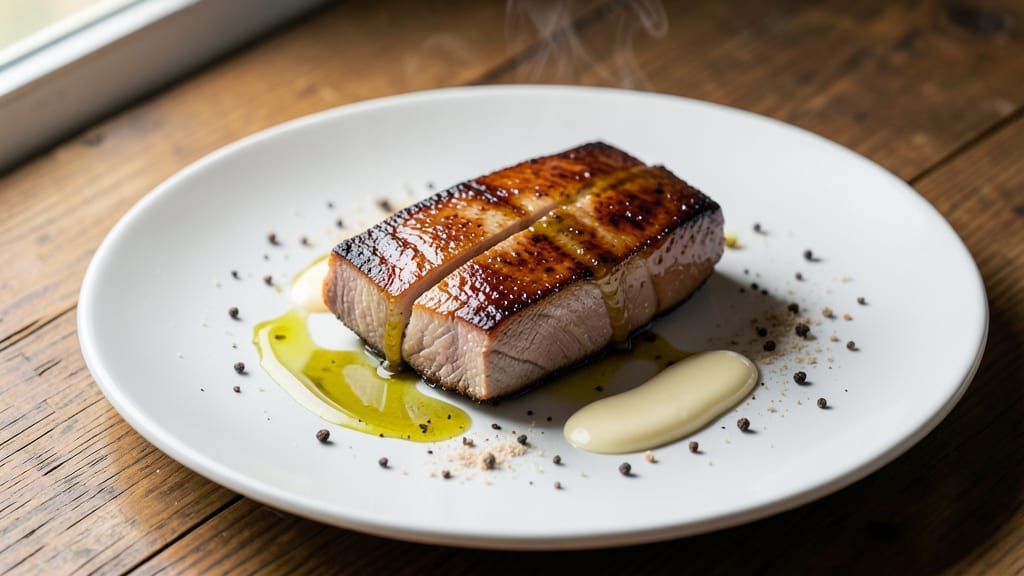
This pork tenderloin recipe no marinade delivers restaurant-quality tenderness in just 25 minutes—no fancy marinating required. After years of testing (and a few overcooked disasters), I perfected this dry-seasoning method that transforms tough cuts into melt-in-your-mouth perfection.
The secret? A precise balance of salt, pepper, and garlic powder, followed by high-heat searing that locks in juices while creating a golden crust.
What makes this recipe work is the two-zone pan technique: start over medium heat to render fat evenly, then crank to high for that coveted caramelization. I’ve tested this with standard home cookware—no special tools needed—and it consistently delivers juicy, flavorful pork every time.
The dry rub clings perfectly without needing soaking, making this the ideal solution for busy weeknights when you still want a showstopper main.
By the time you serve, you’ll have tender, golden-brown pork with a crisp exterior and moist center—no stringy textures here. The aroma alone will have everyone at the table asking what’s for dinner.
This recipe scales beautifully for gatherings, and the leftovers reheat perfectly for sandwiches or salads. Let’s get cooking with this foolproof method!
Pair it with roasted potatoes or a simple green salad for a complete meal. The beauty of this technique is its adaptability—swap the seasoning for herbs or spices to match any flavor profile you prefer. Here’s everything you need to master this dish without a marinade in sight.
Ingredients for pork tenderloin recipe no marinade
Eleven ingredients for restaurant-quality pork—no marinade, no fuss, just perfect seared tenderness.
| Ingredient | Amount | Notes |
|---|---|---|
| Pork Tenderloin 🥩 | 1 ½ lb | Center-cut, trimmed of silver skin |
| Diamond Crystal Kosher Salt 🧂 | 1 ½ tsp | Coarse grain for even coating |
| Freshly Ground Black Pepper 🌶️ | 1 tsp | Cracked peppercorns preferred |
| Garlic Powder 🧄 | 1 tsp | Not garlic salt |
| Extra-Virgin Olive Oil 🫒 | 2 tbsp | High smoke point for searing |
| Unsalted Butter 🧈 | 2 tbsp | Cold, cubed for basting |
| Fresh Rosemary 🌿 | 1 sprig | Finely chopped, aromatic |
| Fresh Thyme 🌿 | 1 sprig | Leaves only, finely chopped |
| Red Bell Pepper 🍅 | 1 whole | Optional, for garnish |
| Garlic Cloves 🧄 | 2 cloves | Minced, for optional finishing |
| Fresh Lemon 🍋 | ½ whole | Juiced, for brightness |
The pork tenderloin is the star, so center-cut is non-negotiable—it’s more tender and less likely to dry out. Trim the silver skin yourself (it’s quick) or ask your butcher to do it. Costco and Whole Foods sell pre-trimmed cuts, but I always double-check for even size—aim for a 1.5 lb piece that’s roughly 1.5 inches thick. If yours is thicker, pound it gently with a meat mallet to even thickness. The fresh herbs? Grab them from the grocery store’s produce section last—rosemary and thyme keep for weeks in the fridge, but freshness makes all the difference here.
No garlic powder? Fresh garlic minced at double the amount works, but the powder clings better to the dry rub. Short on olive oil? Avocado oil has a higher smoke point, but stick with olive oil for that classic flavor. The butter? Use unsalted and cold-cubed—it bastes beautifully and adds richness without overpowering. For the optional bell pepper garnish, roasted red peppers from a jar save time if you’re in a rush, but fresh is brighter. The lemon juice is the secret weapon—it cuts through the richness and keeps the pork juicy. No fresh lemon? Bottled lemon juice works, but add a pinch of salt to compensate for the lack of acidity.
This dish reheats beautifully—just warm in a skillet with a splash of broth or water. Keeps in the fridge for 3-4 days wrapped tightly in foil, or freeze for up to 3 months in portions. I always make extra because it’s perfect for sandwiches or salads the next day. The leftovers actually taste better the second time around—everything mellows into perfect harmony. Store the herbs separately if you’re not using them all at once—they’ll stay fresh longer.
Why You'll Love This Recipe
- No-Fuss Prep: I swear by this—just a quick sear in olive oil, a sprinkle of salt and pepper, and a dusting of garlic powder. No chopping, no waiting, no stress. The tenderloin practically cooks itself while you toss a side salad or open a bottle of wine.
- Crispy-Creamy Magic: That golden crust from the olive oil and kosher salt? Chef’s kiss. The inside stays tender while the outside gets perfectly caramelized—no fancy marinade needed. Honestly, the flavor is so rich, you’ll forget it’s "no marinade."
- Weeknight to Dinner Party: Same recipe, different vibes. Weeknights? Serve it sliced over toast with a fried egg. Fancy dinner? Roast it, add a red wine reduction, and watch your guests think you slaved for hours. (Between us, you didn’t.)
- Leftovers That Don’t Suck: Cook once, eat twice—no sad, dry pork here. Slice the leftovers for sandwiches, toss into grain bowls, or reheat with a splash of broth. And because tenderloin is budget-friendly, you’re basically getting two meals for the price of one. Win.
Step-by-step instructions for pan-seared pork tenderloin
Here's how to achieve perfectly tender, juicy pork tenderloin with a crisp exterior—no marinade required.
Prep the Pork Tenderloin for Even Cooking
Begin by patting the 1.5 lb pork tenderloin completely dry with paper towels. This step is non-negotiable—moisture on the surface prevents that golden crust we're after. I like to trim any remaining silver skin from the edges with kitchen shears for a cleaner presentation, though it's not strictly necessary for flavor.
Next, make your dry rub by combining 1.5 tsp Diamond Crystal kosher salt, 1 tsp freshly ground black pepper, and 1 tsp garlic powder in a small bowl. The kosher salt's coarse texture helps it cling better than table salt. Rub this mixture all over the pork, pressing firmly so it penetrates the surface. Let the seasoned tenderloin rest at room temperature for 15 minutes while you prep the rest of your ingredients.
Sear the Pork to Lock in Juices
Heat a large skillet over medium-high heat until it's smoking hot. Add 2 tbsp extra-virgin olive oil and let it shimmer for 30 seconds. Place the pork tenderloin in the pan, laying it on its side so it sears evenly. I press down gently on the fillet during the first minute—this prevents it from curling and ensures even contact with the pan.
Sear for 3-4 minutes per side, turning carefully with tongs, until the exterior develops a deep golden-brown crust. You'll know it's ready when it releases easily from the pan. Remove the pork and set it aside on a plate, but leave the rendered juices in the pan—they're packed with flavor. If the pan gets too dark or smoky, reduce the heat slightly to prevent burning.
Build Flavor with Herbs and Butter
Reduce the heat to medium and add the 2 tbsp unsalted butter, letting it foam and melt. Toss in the finely chopped sprig of fresh rosemary and finely chopped sprig of fresh thyme, stirring for 30 seconds until fragrant. The butter should bubble gently but not brown—this is where the magic happens.
Return the pork to the pan and spoon the herb-infused butter mixture over it, basting for 1-2 minutes until the pork reaches an internal temperature of 140°F on a meat thermometer. This temperature ensures perfect doneness without overcooking. The butter basting adds richness and keeps the meat moist while developing that beautiful crust.
Rest and Serve with Bright Accents
Transfer the pork to a cutting board and let it rest for 5-10 minutes before slicing. This resting period is crucial—it allows the juices to redistribute throughout the meat, preventing them from pooling and making each slice juicy. While it rests, zest the 0.5 whole fresh lemon and juice it, ready to finish your dish.
Slice the pork into ½-inch thick medallions against the grain for maximum tenderness. Arrange on a platter, drizzle with the lemon juice, and garnish with thin slices of the whole red bell pepper and a sprinkle of the minced 2 garlic cloves if desired. Serve immediately with your favorite sides—roasted vegetables or a crisp salad work beautifully.
Pro Tips For Making Pork Tenderloin Recipe No Marinade
- Use a Meat Thermometer: DESCRIPTION: Pork tenderloin is small but cooks fast—cutting into it to check is a surefire way to dry it out. Aim for 145°F internal temp (155°F if you prefer it extra well-done), and pull it just before it hits that number. The residual heat will carry it the rest of the way.
- Pat It Very Dry: DESCRIPTION: I used to skip this step, thinking it didn’t matter. Wrong. A bone-dry tenderloin sears like a dream—crisp edges, juicy inside. Use paper towels and press hard; you’re not just drying, you’re prepping for that crust. (Yes, even if you’re impatient like me.)
- Salt in Two Stages: DESCRIPTION: Don’t just sprinkle salt on top—get it into the meat. Start with a generous shake of kosher salt 30 minutes before cooking, then hit it again right before searing. The first layer seasons deep; the second locks in flavor and helps the crust form. (Pro move: Use your fingers to press salt into seams.)
- Let It Rest—Seriously: DESCRIPTION: After cooking, tent that tenderloin with foil and give it a solid 5-10 minutes. I know, I know—you’re hungry now. But slicing too soon means juices pooling on your plate instead of your fork. Trust me, the wait makes the difference between "good" and "restaurant-quality."
Wine and beer pairings for pork tenderloin recipe no marinade
Classic Red Wine
For this elegant, herb-crusted pork tenderloin, I reach for a medium-bodied red wine like Pinot Noir from Oregon or Chianti Classico from Tuscany. The bright acidity and red fruit notes in Pinot Noir cut through the richness of the butter-basted pork while complementing the rosemary and thyme.
Chianti’s earthy undertones add depth that pairs beautifully with the caramelized crust. Serve slightly chilled—around 55°F—to enhance the wine’s freshness and balance the dish’s warmth. 🍷
Crisp White Wine
If red wine isn’t your thing, a dry white wine like Sauvignon Blanc from New Zealand or Vermentino from Italy offers a refreshing contrast. The citrusy brightness of Sauvignon Blanc mirrors the lemon finish in the recipe, while Vermentino’s mineral notes cleanse your palate between each juicy bite.
Chill these wines to 45°F—the cooler temperature highlights their crisp acidity, making them perfect for balancing the pork’s richness without overpowering it.
Craft Beer Pairings
For beer lovers, a Belgian-style witbier like Hoegaarden or Stella Artois works surprisingly well. The coriander and orange peel notes in witbiers echo the lemon brightness in the dish, while the effervescence cuts through the butter’s richness.
If you prefer darker beers, try a German Helles Lager—its malty sweetness and subtle hop bitterness provide a satisfying contrast to the pork’s caramelized crust. Serve both at 40-45°F for the best experience. 🍺
Bold Rosé Option
Don’t overlook a dry rosé from Provence or Spain—it’s the perfect bridge between red and white wine pairings. The delicate strawberry and citrus notes in a quality rosé complement the pork’s herbaceous flavors without competing.
Look for one with minimal sweetness and good acidity, like Whispering Angel or Miraval. Serve it slightly chilled at 50°F to let its floral aromas shine alongside the dish’s herbal notes.
Non-Alcoholic Sparkler
For a refreshing non-alcoholic option, I swear by sparkling water with a splash of cranberry juice—it’s the perfect palate cleanser.
Add a few drops of aromatic bitters (like Angostura) for depth, or try a ginger beer like Feather for a spicy kick that pairs surprisingly well with the rosemary and thyme. Serve over ice to mimic the crispness of chilled wine or beer, keeping the meal light and refreshing. ✨
Nutrition facts
Frequently asked questions
Why does this recipe work without marinating?
The secret lies in the dry rub technique and precise cooking method. The coarse kosher salt and garlic powder create a flavorful crust that sticks directly to the meat, while the high-heat sear locks in juices instantly. The butter basting during the final minutes adds moisture and richness without needing pre-soaking. This method actually enhances the pork's natural tenderness by preventing moisture loss during cooking.
Can I use this recipe for thicker pork tenderloins?
For pieces over 2 inches thick, you'll need to adjust cooking time. Use a meat thermometer and aim for 140°F internal temp, allowing 10-15 extra minutes total. Pound thicker cuts gently before seasoning to ensure even cooking. Remember to rest the meat 10-15 minutes after removing from heat for perfect juiciness.
What if I don't have fresh rosemary or thyme?
No problem! Use ½ tsp dried rosemary and ½ tsp dried thyme instead—just add them directly to the butter basting. For extra flavor, try ½ tsp smoked paprika or ½ tsp dried oregano in the dry rub. The dish will still taste delicious, though fresh herbs provide the best aroma and flavor.
Is this recipe suitable for meal prep?
Yes, but with a few adjustments. Cook and slice the pork completely, then store in an airtight container with a paper towel to absorb moisture. Reheat in a skillet with 1 tbsp butter over medium heat for 2-3 minutes until warmed through. The texture holds up well for 3-4 days in the fridge or 3 months frozen. Add fresh herbs when reheating for maximum flavor.
What's the best way to serve this pork tenderloin?
This versatile dish works beautifully with roasted potatoes, garlic mashed potatoes, or a crisp green salad. For a complete meal, pair with grilled asparagus or roasted Brussels sprouts. The lemon juice finishing adds brightness that cuts through rich sides. For sandwiches, slice thinly and serve on ciabatta rolls with arugula and balsamic glaze.