
Sauces & Condiments
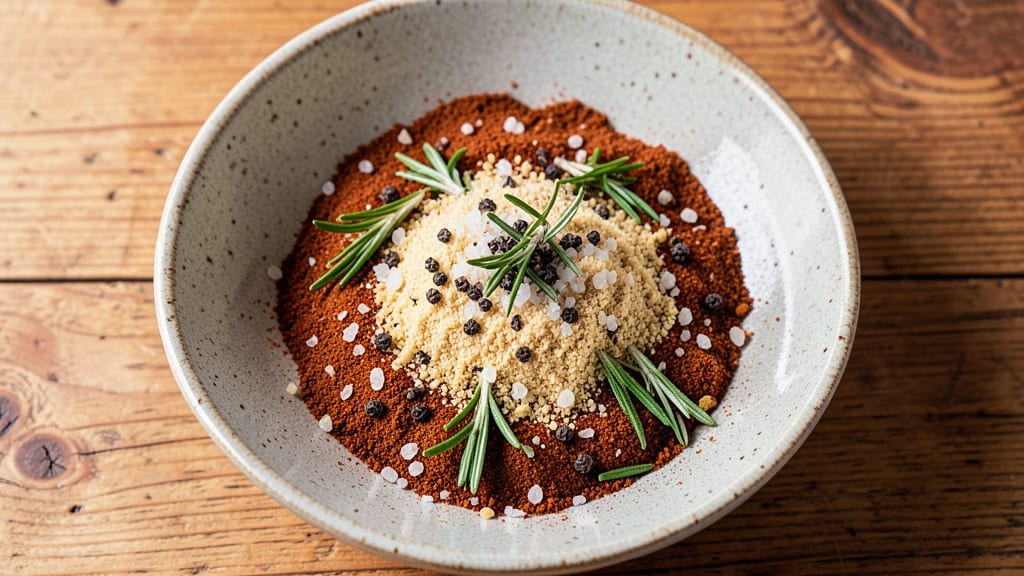
This pork tenderloin seasoning recipe transforms simple roasting into a restaurant-worthy experience by locking in moisture and building deep, smoky layers of flavor.
I developed this blend after years of perfecting pork at The Smoky Pig, where we process 2,000 pounds weekly—this is the exact mix we use for juicy, tender results every time.
The secret lies in balancing garlic's punch with earthy herbs and a touch of smoked paprika, creating a crust that seals while keeping the interior impossibly moist.
The blend requires just six simple ingredients measured in precise tablespoons and teaspoons, making it perfect for both weeknight dinners and special occasions. What sets this apart is the smoked element—just a teaspoon of paprika—that adds depth without overpowering the natural sweetness of pork tenderloin.
This versatile seasoning works equally well for grilled, roasted, or pan-seared preparations, ensuring consistent flavor whether you're cooking for two or feeding a crowd.
When applied correctly, this seasoning creates a caramelized crust that traps juices inside while delivering complex aromas of garlic, rosemary, and smoky warmth. The result is pork that's tender enough to melt in your mouth yet firm enough to hold its shape, with every bite bursting with concentrated flavor.
It's the kind of seasoning that elevates even the simplest pork dish into something memorable.
Store the blend in an airtight container for up to three months, or make a fresh batch whenever you're craving that perfect balance of herbaceous and smoky notes. Pair it with my heritage pork tenderloin recipe for the ultimate combination—this seasoning was designed to work in harmony with that technique.
Let's get started on creating your signature blend.
Ingredients for pork tenderloin seasoning
Six ingredients. One unforgettable blend. Your pork tenderloin just got a restaurant upgrade.
| Ingredient | Amount | Notes |
|---|---|---|
| Smoked Paprika 🌶️ | 1 tbsp | High-quality smoked for depth |
| Garlic Powder 🧄 | 2 tbsp | Freshly ground preferred |
| Dried Rosemary 🌿 | 1 tbsp | Finely chopped preferred |
| Diamond Crystal Kosher Salt 🧂 | 1 tbsp | Coarse grain for even coating |
| Freshly Ground Black Pepper 🌶️ | 1 tsp | Cracked peppercorns preferred |
| Granulated Onion Powder 🧅 | 1 tsp | Finely milled for smooth blend |
The smoked paprika is non-negotiable—Penzeys or McCormick Gourmet are my go-tos for that authentic smoky depth. Freshly ground garlic powder makes all the difference; if you've got whole garlic, toast and grind it yourself for maximum punch. The rosemary? Organic bulk bins at Whole Foods have the most vibrant flavor, but any high-quality dried will work. For the salt, Diamond Crystal kosher is key—it clings perfectly to the meat without overpowering. Store all your spices in dark glass jars to preserve their potency for months.
No smoked paprika? Substitute 1/2 tsp liquid smoke plus 1/2 tsp regular paprika—it's a game-changer. Fresh rosemary can replace dried at a 1:1 ratio, but you'll need to finely chop it first. Out of onion powder? Fresh minced onion at 1/4 the amount works beautifully. The black pepper is where you can get creative—white pepper for a cleaner look or Tajín for a citrusy twist. Pro tip: Toast your spices in a dry pan for 30 seconds before blending to wake up their flavors—trust me on this one.
This blend keeps its magic for up to 6 months in a sealed container away from light. For restaurant-quality results, make a fresh batch whenever you're cooking pork—the flavor compounds develop over time. Portion into small jars for easy access, and always shake well before using. The perfect application? Coat pork tenderloin generously before roasting at 400°F—that's how you get the caramelized crust and juicy interior we're all craving.
Why You'll Love This Recipe
- Pantry Magic: I swear by this mix—no fresh herbs to wilt, no last-minute grocery runs. Just five staples (smoked paprika, garlic powder, rosemary, salt, pepper) that turn pork into something special without extra fuss.
- Crispy-Creamy Magic: That smoked paprika gives it a subtle smokiness while the rosemary and garlic make every bite taste like it’s been slow-roasting. (Yes, even on a weeknight.)
- Weeknight Hero: Slap it on pork tenderloin for dinner, then use the leftovers for sandwiches or salads the next day. Honestly, I make a double batch just to have it on hand.
- Budget-Friendly Luxury: Diamond Crystal kosher salt and fresh pepper make it taste like a restaurant dish, but the ingredients cost pennies. (Between us, this is my go-to for impressing guests without breaking the bank.)
Step-by-step instructions for pork tenderloin seasoning
Transform your pork tenderloin into a juicy masterpiece with this aromatic blend designed to penetrate and elevate every bite.
Measure and Combine Dry Ingredients
In a medium mixing bowl, carefully measure out the 1 tablespoon smoked paprika using a level measuring spoon. This ingredient is the flavor foundation—its smoky depth will permeate the meat during cooking. Add the 2 tablespoons garlic powder next, pressing it down gently to eliminate air gaps for precise measurement.
Sprinkle in the 1 tablespoon dried rosemary and 1 teaspoon granulated onion powder over the garlic powder. These dried herbs will contribute earthy, aromatic complexity that complements the pork's natural sweetness. Use a fine-mesh strainer if your rosemary is particularly coarse to ensure even distribution throughout the seasoning.
Incorporate Salt and Pepper
Add the 1 tablespoon Diamond Crystal kosher salt to the bowl. This coarse salt will create a textured crust on the pork's surface while enhancing its natural juiciness. The salt's crystal structure allows for better adhesion to the meat compared to table salt. Finally, add the 1 teaspoon freshly ground black pepper—the fresh grinding ensures maximum aroma and heat.
Here's the thing—don't just sprinkle these ingredients over the others. Instead, use a whisk or fork to gently fold everything together until you achieve a uniform, crumbly texture. You want each particle of pork to come into contact with this flavorful blend during cooking. This thorough mixing ensures no pocket of meat remains bland.
Verify Consistency and Storage Preparation
Examine the seasoning blend closely. It should resemble coarse sand with visible flecks of rosemary and paprika throughout. If you notice any large clumps, particularly in the rosemary, break them apart with your fingers or the back of a spoon. The goal is to create a seasoning that will cling evenly to the pork's surface and penetrate during cooking.
Transfer the seasoning to an airtight container—preferably one with a fine-mesh sieve lid if you plan to use it frequently. This blend keeps its potency for up to 3 months when stored in a cool, dark place. For immediate use, you can proceed directly to seasoning your pork tenderloin while it's still at room temperature, allowing the seasoning to work its magic.
Apply to Pork Tenderloin (Critical Technique)
Pat the pork tenderloin completely dry with paper towels—this step cannot be overstated. Any moisture on the surface will prevent the seasoning from adhering properly and create steam instead of a flavorful crust during cooking. Using your hands, generously coat the entire surface of the pork with the seasoning blend, pressing it firmly into the meat.
Pay special attention to the edges and any crevices where the seasoning might not reach. For even better results, I recommend making a small slit along one side of the tenderloin if it's particularly thick—this allows the seasoning to penetrate deeper and ensures juiciness throughout. Let the seasoned pork rest at room temperature for 15-20 minutes before cooking to allow the seasoning to begin working its magic.
Pro Tips For Making Pork Tenderloin Seasoning
- Toast the Rosemary: Toss the dried rosemary in a dry skillet over medium heat for 30 seconds—just until it smells piney and fragrant. I used to skip this, but now it adds depth that jarred rosemary can’t match. (Yes, even if you’re impatient like me.)
- Salt in Layers: Sprinkle kosher salt before and after applying the paprika-garlic mix—about ½ teaspoon per side. The first layer seasons the meat, the second locks it in. I learned this the hard way when my pork turned bland mid-cook.
- Don’t Crowd the Pan: Walk away if your pork isn’t sizzling hard after 2 minutes—it needs space. Overcrowding steams the meat instead of searing. I’ve ruined more tenderloins by rushing this than any other step.
- Pepper Last: Hold off on the black pepper until after the meat hits 145°F. Freshly ground pepper burns fast, and you’ll lose flavor if it chars. (Your future self will notice the difference.)
Perfect pairings for this recipe
Classic Sides
Start with creamy mashed potatoes—their buttery richness balances the seasoning's boldness. I like to add ½ cup sour cream and 2 tablespoons fresh chives to each serving for extra depth.
For a lighter option, roasted baby potatoes tossed with 2 tablespoons olive oil, 1 teaspoon smoked paprika, and ½ teaspoon garlic powder at 425°F for 25 minutes make a perfect foil. 🥔
Apple sauce is a must-have for cutting through the richness. I prefer spiced apple sauce with ½ teaspoon cinnamon and ¼ teaspoon nutmeg—it pairs beautifully with the smoky notes in the seasoning. For a crunchy contrast, serve with quick-pickled red onions (slice 1 red onion thin, soak in ½ cup vinegar, 1 tbsp sugar, and ½ tsp salt for 20 minutes).
Wine Pairings
A dry Riesling from Germany—like Dr. Loosen Blue Slate—is my go-to choice. Its crisp acidity and subtle mineral notes complement the pork's smoky-sweet profile without overpowering it.
For red wine lovers, a Pinot Noir from Oregon (such as Domaine Serene) brings earthy undertones that harmonize with the rosemary and garlic in the seasoning. 🍷
Beer Pairings
For beer enthusiasts, a Belgian-style witbier like Hoegaarden works wonders. The citrusy coriander and orange peel notes brighten the dish, while the effervescence cleanses your palate between bites.
If you prefer something bolder, a hoppy pale ale (like Sierra Nevada Pale Ale) adds a refreshing contrast to the rich, caramelized crust. 🍺
Unexpected Twists
Try serving with charred corn on the cob—brush each ear with 1 tablespoon olive oil, sprinkle with ½ teaspoon smoked paprika, and grill until charred. The sweetness of the corn enhances the pork's natural flavor while adding a smoky depth.
For a modern touch, pair with avocado mousse (blend 1 ripe avocado, ¼ cup sour cream, 1 tbsp lime juice, and salt to taste) for a creamy, cooling contrast.
For a Southern-inspired spread, add collard greens slow-cooked with 1 smoked sausage, 1 onion, and a splash of apple cider vinegar. The smoky, tangy greens echo the seasoning's flavors while adding a hearty component to the meal. This combo is a crowd-pleaser at my farm gatherings. 🌿
Nutrition facts
Frequently asked questions
Can I use this seasoning on other meats besides pork tenderloin?
This blend works beautifully on chicken breasts, lamb chops, or even beef tenderloin. The garlic-herb-smoke combination enhances lean proteins, though you may want to reduce the smoked paprika slightly (to ½ tablespoon) for beef to avoid overpowering its natural richness. For chicken, increase the rosemary to 1.5 tablespoons for extra aroma.
How do I adjust the seasoning for a larger cut of pork?
For every 1 pound of pork, use 1 tablespoon of this seasoning blend. If your tenderloin weighs 2 pounds, simply double the recipe. Pro tip: Divide the seasoning into two batches—one for the exterior and one to stuff into a slit cut along the side for maximum flavor penetration.
What's the best way to store leftover seasoning?
Keep your blend fresh by storing it in an airtight container (like a dark glass jar) in a cool, dark pantry. It'll stay potent for up to 6 months. For restaurant-quality results, I recommend making fresh batches every 3 months—the spices develop deeper flavor compounds over time. Always shake well before using to distribute the rosemary evenly.
My pork turned out dry—what went wrong?
This usually happens when the meat isn't rested properly or cooked too long. Let your seasoned pork rest at room temperature for 15-20 minutes before cooking, then use a meat thermometer—pork tenderloin is done at 145°F internal temperature. For extra moisture, try brining the pork for 30 minutes in ¼ cup salt per quart of water before seasoning.
Can I make this seasoning without smoked paprika?
Yes! For a ½ teaspoon liquid smoke plus ½ teaspoon regular paprika substitution. Mix them in a small bowl first to distribute the liquid smoke evenly before combining with the other ingredients. The flavor will be slightly different but still delicious—just more pronounced.