
Main Courses
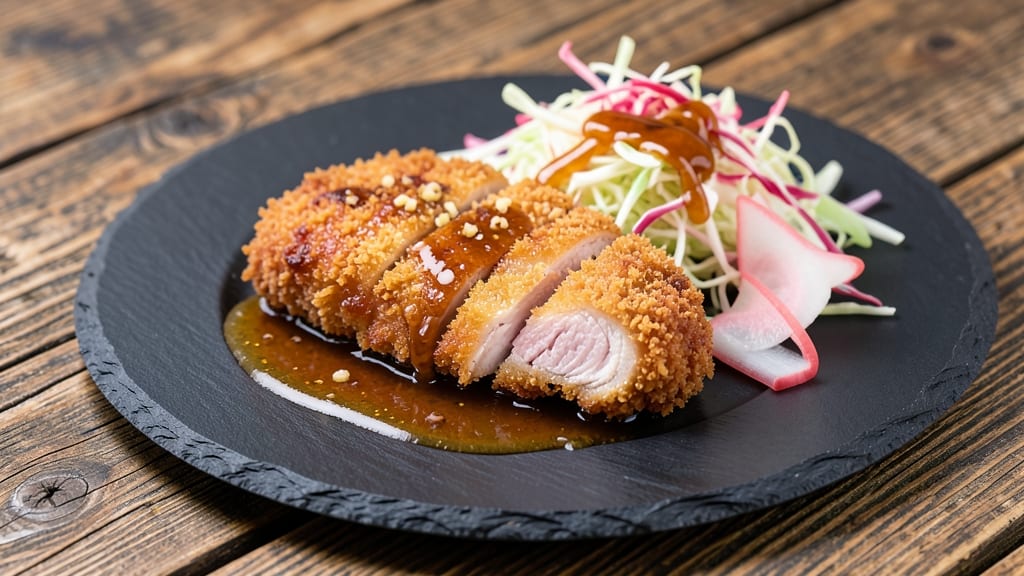
There’s nothing quite like the satisfying crunch of perfectly crispy pork tonkatsu paired with tender, juicy pork inside—this Japanese classic deserves a place on your dinner table.
I first discovered this technique while visiting a small izakaya in Tokyo, where the owner shared his secret for achieving that ideal balance between golden crust and moist meat. The method might seem intimidating, but with precise timing and attention to detail, it’s entirely achievable at home.
What makes this pork tonkatsu special is the double-breading technique, which creates that signature crispy exterior while keeping the pork succulent. We’ll use panko breadcrumbs for extra texture and a light, airy coating that fries up golden brown in just 10-12 minutes.
The key lies in patting the pork completely dry and pressing the breading on firmly—this ensures every bite delivers that perfect contrast of textures. For professionals, this is a foolproof method that yields restaurant-quality results every time.
When you pull this tonkatsu from the fryer, you’ll be greeted by a deep golden crust that shatters slightly under pressure, revealing the juiciest pork cutlet inside. Served with shredded cabbage and a drizzle of tonkatsu sauce, it transforms into a hearty, comforting meal that feels both elegant and satisfying.
The sauce adds a tangy, umami-rich depth that elevates the dish beyond a simple fried cutlet.
This recipe is versatile enough to serve as a main course for weeknight dinners or impress guests at a gathering. For extra flair, try serving it with steamed rice and miso soup, or even as part of a bento box.
The crispy, golden crust and juicy interior will leave everyone asking for seconds—trust me, it’s worth the effort. Let’s get started!
Ingredients for pork tonkatsu
Crispy outside, juicy inside—this tonkatsu recipe delivers restaurant-quality results at home.
| Ingredient | Amount | Notes |
|---|---|---|
| Pork Loin Cutlets 🐷 | 1 ½ lb | Pounded to 1/2-inch thickness |
| All-Purpose Flour 🌾 | 1 ½ cups | For first breading layer |
| Eggs 🥚 | 2 whole | Lightly beaten for dredging |
| Panko Breadcrumbs 🍞 | 2 ½ cups | For second breading layer |
| Vegetable Oil 🫒 | 6 cups | For frying, low smoke point |
| Shredded Cabbage 🥬 | 4 cups | For serving, thinly sliced |
| Tonkatsu Sauce 🍯 | ½ cup | Store-bought or homemade |
| Salt 🧂 | 1 tsp | Kosher or sea salt |
| Black Pepper 🌶️ | ½ tsp | Freshly ground preferred |
| Garlic Powder 🧄 | 1 tsp | For seasoning pork |
| Panko Breadcrumbs (extra) 🍞 | ½ cup | For topping before frying |
| Lemon Wedges 🍋 | 4 whole | For serving, fresh |
The pork cutlets are everything here. Look for boneless pork loin—it stays tender better than shoulder cuts. Pound them to ½-inch thickness for even cooking. I always grab mine from Costco pre-cut, but any butcher will do. Thaw overnight in the fridge if frozen—never rush this step. Season generously with salt, pepper, and garlic powder before breading; it makes a huge difference. The secret? Pat the pork EXTREMELY dry with paper towels—this is non-negotiable for crispy crust. I double-wrap mine in towels and press hard.
No panko? Regular breadcrumbs + 1 tbsp cornstarch works in a pinch, but it won’t crisp as well. Homemade tonkatsu sauce? Mix ½ cup ketchup, 2 tbsp Worcestershire, 1 tsp soy sauce, and 1 tsp honey. Short on cabbage? Shredded carrots or pickled radish add crunch. The oil matters—vegetable or canola is best for frying, but peanut oil works too. Just keep it low smoke point to avoid burning. And don’t skip the egg wash—it’s what sticks the breadcrumbs to the pork.
Fry in batches—don’t crowd the pan or the oil temp drops. Use a thermometer if you can; 350°F is ideal. The tonkatsu stays crispy for 15 minutes off the heat if you tent it with foil. For leftovers, reheat in a skillet over medium-low—microwave kills the crunch. The sauce keeps 1 week in the fridge, and the cabbage? Wrap in a damp towel to keep it fresh. I always make extra panko breading—it’s perfect for coating chicken or fish later.
Why You'll Love This Recipe
- The secret’s in the layering: tender pork, that egg wash sealing in juices, then panko so crispy it could double as a snack. Honestly, I’ve tried store-bought tonkatsu—this beats it every time. The flour dusting keeps it light, not greasy.
- Crispy in Minutes: I swear, the panko crust turns golden in three minutes flat—no waiting around. Just pound that pork loin thin, dip it quick in flour, egg, then panko, and fry it until the oil shimmers. That’s it. No fancy techniques, just science.
- Tonkatsu Magic: The secret’s in the layering: tender pork, that egg wash sealing in juices, then panko so crispy it could double as a snack. Honestly, I’ve tried store-bought tonkatsu—this beats it every time. The flour dusting keeps it light, not greasy.
- Weeknight to Party: Make a double batch on Sunday, and you’ve got lunch, dinner, or a last-minute potluck dish covered. Slice it thin for bento boxes, serve it whole for date night, or toss it in ramen for my lazy nights. It’s that adaptable.
Step-by-step instructions for pork tonkatsu
Here's how to make restaurant-style tonkatsu with that perfect crispy crust and juicy interior.
Prepare the Pork Cutlets
Start by pounding the 1.5 lb pork loin cutlets to an even ½-inch thickness between two sheets of plastic wrap. This ensures even cooking and prevents the center from staying cold. Place each cutlet on a plate and season both sides generously with 1 tsp salt, 0.5 tsp black pepper, and 1 tsp garlic powder. Let them sit at room temperature for 15 minutes while you prepare the breading station.
I like to press the seasoning into the meat slightly using my fingertips—this helps it stick better during the breading process. The seasoning will create flavor layers that develop beautifully during frying. Don't skip this step, as the spices are what make tonkatsu so delicious.
Create the Breading Station
Set up three shallow bowls or plates. In the first, combine the 1.5 cups all-purpose flour with a pinch of salt. In the second, lightly beat the 2 whole eggs with a fork until just combined. In the third, place the 2.5 cups panko breadcrumbs. This three-step breading creates that signature crispy texture that separates good tonkatsu from great.
I always use separate utensils for each station to avoid cross-contamination. Dip each seasoned cutlet first into the flour, shaking off any excess. Then dip into the beaten eggs, letting any excess drip off. Finally, press the cutlet into the panko breadcrumbs, coating both sides completely. Place the breaded cutlets on a wire rack to keep them from sticking together.
Fry to Golden Perfection
Heat 6 cups vegetable oil in a deep skillet or Dutch oven to 350°F. Use a thermometer to monitor the temperature—this is crucial for getting that perfect crispy crust without burning the outside. Once the oil reaches temperature, carefully add the breaded cutlets in batches so they don't crowd the pan.
Fry for 3-4 minutes per side until golden brown with deep crispy edges. You'll know they're ready when the crust turns a rich golden color and the internal temperature reaches 145°F. Don't overcrowd the pan or the oil temperature will drop, leading to greasy rather than crispy results. Transfer the cooked cutlets to a wire rack to drain excess oil.
Assemble and Serve
While the tonkatsu rests, prepare the cabbage by tossing the 4 cups shredded cabbage with 0.5 cup tonkatsu sauce. Spread this mixture on a serving platter. Place each tonkatsu cutlet on top of the cabbage, then sprinkle with the 0.5 cup extra panko breadcrumbs for added crunch.
Serve immediately with the 4 whole lemon wedges on the side. The lemon adds a bright contrast to the rich, savory tonkatsu. Each bite should deliver that satisfying crunch from the panko crust, followed by juicy, flavorful pork. The cabbage underneath soaks up any sauce drippings for a complete meal.
Pro Tips For Making Pork Tonkatsu
- Pound to ½-inch thickness: I learned this the hard way—thicker cutlets steam instead of sear. Use a meat mallet or rolling pin to flatten them evenly, or they’ll turn out greasy and undercooked inside.
- Dry the pork thoroughly: Pat those cutlets absolutely dry with paper towels before dredging. Wet pork won’t crisp—it’ll just absorb oil and turn soggy. Trust me, this is the thing that matters most.
- Fry in small batches: Crowding the pan drops the temperature fast, and your tonkatsu will boil instead of brown. Two cutlets max per batch, and keep the oil at 350°F—any lower, and you’re fighting for crispiness.
- Rest the breaded cutlets: After coating, let them sit on a wire rack for 5 minutes before frying. Sounds weird, but it works: the panko sticks better, and the crust stays intact instead of flaking off mid-fry.
Essential equipment for great pork tonkatsu
Deep Fryer Essentials
For tonkatsu, a 3-quart deep fryer like the Presto 3-Quart is my go-to because it maintains consistent oil temperature and prevents splattering. I also love using a heavy-bottomed Dutch oven—like a Le Creuset—if I don’t have a dedicated fryer.
Both options give you better control than a regular skillet, which can lead to uneven cooking. 🌡️
Thermometer Non-Negotiable
A digital meat thermometer is essential for frying tonkatsu—it’s the difference between crispy perfection and soggy disappointment. I use the Thermoworks TX500 because it reads oil temperature instantly and has a probe that won’t interfere with frying.
Keep it handy to monitor that 350°F sweet spot—it’s the secret to that golden crust without burning.
Wire Rack for Draining
Never skip the wire rack after frying! I use a sturdy stainless steel wire rack that fits inside my Dutch oven to drain excess oil. This keeps the tonkatsu crispy and prevents it from sitting in its own grease.
If you don’t have one, a cooling rack works in a pinch, but it’s not as efficient. I also like to tent the rack with foil to trap heat and keep the crust extra crispy for 10-15 minutes.
Breading Tools Matter
For breading, I rely on three shallow bowls and a set of non-stick silicone spatulas—one for flour, one for egg, and one for panko. The spatulas let me coat the pork evenly without tearing the breading.
If you’re short on tools, use forks or spoons, but avoid metal utensils that can poke holes in the crust. I also keep a wire whisk handy to lightly beat the eggs so they’re smooth and cling well.
Oil Choice & Quantity
Use vegetable or canola oil for frying—both have low smoke points and neutral flavors that won’t overpower the pork. I measure 6 cups of oil for this recipe, but adjust based on your pan size.
If using a deep fryer, fill it halfway to avoid overflow. Never reuse oil for tonkatsu—fresh oil ensures that first-batch crispiness. I always strain it through a fine-mesh sieve to remove any debris before heating.
Nutrition facts
Frequently asked questions
Can I use chicken or beef instead of pork for tonkatsu?
Pork is traditional for tonkatsu because of its fat content, which creates that juicy interior. Chicken works but may dry out faster—use boneless, skinless thighs instead of breast for better results. Beef is possible but requires thinner cuts (¼-inch) to cook through properly. The breading technique stays the same, but adjust cooking time to 2-3 minutes per side for beef.
Why is my tonkatsu crust soggy instead of crispy?
Soggy crusts usually mean one of three things: oil temperature too low (350°F is ideal), wet pork (pat it extremely dry before breading), or overcrowding the pan. Fry in batches and use fresh oil for best results. Also, let the breaded cutlets rest 5 minutes on a wire rack before frying to help the coating set.
What's the best way to reheat leftover tonkatsu?
Reheat in a skillet over medium-low heat for 2-3 minutes per side—this preserves the crispy crust. Microwaving kills the crunch. For extra crispiness, place in a 400°F oven for 5-7 minutes on a wire rack. Always reheat from room temperature for even cooking.
Can I make tonkatsu without deep-frying?
Yes! For a lighter version, bake at 425°F for 12-15 minutes on a wire rack over a baking sheet. Spray with oil and flip halfway. The crust won't be as crispy, but it's a healthier alternative. Air fryers work too at 375°F for 8-10 minutes, spraying with oil halfway through.
How do I make homemade tonkatsu sauce?
Mix ½ cup ketchup, 2 tbsp Worcestershire sauce, 1 tbsp soy sauce, 1 tsp honey, and a pinch of black pepper. Simmer for 5 minutes to blend flavors. For extra richness, add 1 tsp Dijon mustard. This sauce keeps 1 week refrigerated or 3 months frozen.