
Main Courses
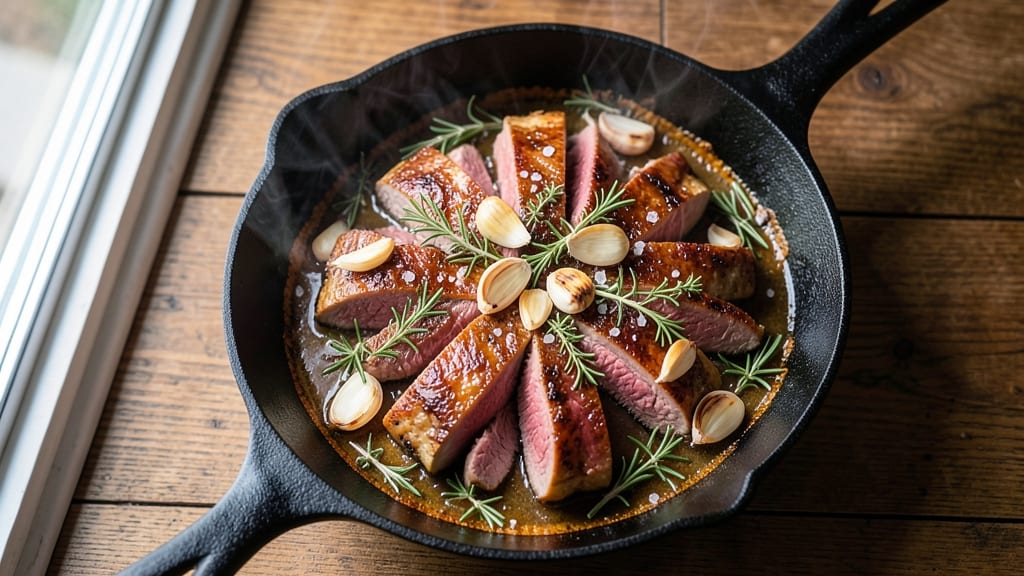
This prime rib of pork recipe delivers a showstopper centerpiece with a smoky garlic crust that crackles under the knife and juicy pink centers that melt at the touch of a fork. Growing up in small-town Georgia, I learned pork deserves respect—slow-cooked, seasoned simply, and served with pride.
The key? A precise balance of heat, time, and technique that transforms tough cuts into tender perfection.
Mastering this dish means understanding pork's natural fat distribution and how to render it just enough to create that coveted crust without drying out the interior. I developed this method after years of perfecting whole-hog roasts in Charleston kitchens, where every cut tells a story.
The secret weapon? A garlic-herb crust that forms during the final minutes of roasting, locking in moisture while adding layers of flavor.
By the time you carve into this prime rib, you'll have a restaurant-quality centerpiece that commands attention—golden edges giving way to tender, moist meat that practically falls apart.
The aroma alone will have guests gathering before the table's even set. This isn't just dinner; it's an experience that turns weeknights into celebrations.
Serve with classic sides like creamy mashed potatoes and roasted root vegetables to let the pork shine as the star. The leftovers? Even better the next day, sliced thin for sandwiches or reheated with a splash of apple cider.
Let's get cooking—your table is about to become the talk of the town.
Ingredients for prime rib of pork
Six pounds of pork, twelve cloves of garlic, and a crust that crackles like Georgia autumn leaves.
| Ingredient | Amount | Notes |
|---|---|---|
| Prime Rib of Pork 🐖 | 6 lb | Bone-in, center-cut preferred |
| Fresh Garlic Cloves 🧄 | 12 cloves | Peeled, smashed for paste |
| Fresh Rosemary 🌿 | ½ cup | Chopped, stems removed |
| Fresh Thyme 🌿 | ¼ cup | Leaves only, stems discarded |
| Coarse Kosher Salt 🧂 | 2 tbsp | Diamond Crystal preferred |
| Freshly Ground Black Pepper 🌶️ | 1 ½ tbsp | Cracked peppercorns preferred |
| Smoked Paprika 🌶️ | 1 tbsp | For deep smoky flavor |
| Brown Sugar 🍯 | 1 tbsp | Lightly packed |
| Unsalted Butter 🧈 | ½ cup | Cold, cubed for crust |
| Apple Cider Vinegar 🍎 | 1 tbsp | For tenderizing |
| Olive Oil 🫒 | 2 tbsp | For searing |
| Fresh Parsley 🌿 | ¼ cup | Chopped, for garnish |
| Beef or Chicken Stock 🍲 | 1 cup | For basting pan |
The pork cut is everything here. Prime rib from the center of the ribcage—look for good marbling and a thick fat cap—that's what gives you both tenderness and flavor. Whole Foods and local butcher shops carry the best quality, but don't overlook your grocery store's meat counter if they offer pre-trimmed options. I always ask for the bone-in cut—it adds flavor and helps keep the meat moist. The garlic? Fresh is non-negotiable—jarred minced has no soul. Smash those cloves with the flat side of your knife before mixing with the herbs for maximum flavor infusion.
No smoked paprika? Regular paprika plus a pinch of liquid smoke works in a pinch, but trust me, the real stuff makes a difference. Fresh herbs wilt fast, so buy just before cooking—or grab dried and use half the amount. The butter for the crust needs to be cold and cubed—room temperature will melt too soon. Short on time? Freeze the butter cubes for 20 minutes before using. For the vinegar, apple cider is ideal, but white wine vinegar in a bind. And if you're worried about the pork being too rich, serve with bright, tangy sides like pickled vegetables or a simple green salad with lemon vinaigrette.
This roast reheats beautifully—sliced thin and warmed with a splash of stock is perfect for sandwiches. The crust will soften slightly, but the flavor stays intact. Wrap leftovers tightly in foil and store in the fridge for up to 4 days. Freezes well for up to 3 months if you vacuum-seal the slices. Pro tip: Let the roast rest 20 minutes before carving—this keeps it juicy. And save that fat cap! Cube it up and render the fat for future cooking—pork fat is liquid gold for roasting vegetables or frying eggs.
Why You'll Love This Recipe
- Foolproof Timing: I swear by this—no fancy thermometer needed. Just a few minutes per side with a meat thermometer (145°F internal temp), and you’ve got tender, juicy pork that doesn’t require babysitting. The garlic and rosemary infuse fast, so the flavor’s there without overcooking.
- Herb-Crust Magic: That crispy, golden crust from the salt and herbs? It’s the star. The rosemary and thyme toast up beautifully while the garlic mellows into rich, savory layers—no dryness, no bitterness, just pure, satisfying depth. My husband licks the plate. (Yes, really.)
- Weeknight or Weekend: Throw it on the grill for summer BBQs or roast it in the oven when you’re craving something hearty. The same simple prep works for both—just adjust the heat. Leftovers? Shred it for sandwiches or slice it thin for breakfast hash. It’s my go-to for lazy Sundays and last-minute dinner guests.
- Budget Luxury: Prime rib of pork is often overlooked for beef, but it’s a steal—tender, flavorful, and way more forgiving. A single roast feeds four with room for seconds, and the herbs stretch the cost further. Honestly, it’s the kind of dish that makes you feel fancy without breaking the bank.
Step-by-step instructions for smoky garlic crust prime rib of pork
Here's how to transform your prime rib into a masterpiece with a crackling crust and impossibly tender pink centers.
Prepare the Herb Rub and Tenderize the Meat
In a small bowl, combine the 0.5 cup fresh rosemary, 0.25 cup fresh thyme leaves, 2 tablespoons coarse kosher salt, 1.5 tablespoons freshly ground black pepper, 1 tablespoon smoked paprika, and 1 tablespoon brown sugar. Mix thoroughly until the herbs are evenly coated with the spices.
Place the 6 lb prime rib of pork on a cutting board, fat-side up. Using a sharp boning knife, make shallow cuts (about ¼-inch deep) in a diamond pattern across the fat cap. This creates channels for the herb rub to penetrate deeply. Then, generously coat the entire surface of the meat with the herb mixture, pressing it firmly into the cuts. Let it sit at room temperature for 30 minutes while you prepare the oven.
Sear and Create the Smoky Garlic Crust
Preheat your oven to 375°F. In a small saucepan, melt the 0.5 cup unsalted butter over low heat, then remove from heat and stir in the 12 peeled garlic cloves (lightly smashed) and 1 tablespoon apple cider vinegar. Let this mixture steep for 10 minutes to infuse the garlic flavor.
Heat a heavy oven-safe skillet or roasting pan over medium-high heat. Add 2 tablespoons olive oil and swirl to coat. Place the prime rib fat-side down in the pan and sear undisturbed for 8-10 minutes until the fat renders and the crust develops a deep golden color. Flip the meat and sear the other side for another 5-6 minutes. Pour the garlic butter mixture evenly over the top, coating all surfaces thoroughly.
Roast to Perfect Medium-Rare
Transfer the skillet to the preheated oven and roast for 1 hour 15 minutes, basting with the accumulated juices every 20 minutes. The internal temperature should reach 130°F for medium-rare doneness—use a meat thermometer inserted into the thickest part of the meat (not touching bone) to check.
Here's the thing—don't overcook. The meat will continue rising in temperature as it rests. If you're unsure, pull it out when it hits 125°F and let it rest longer. The crust should be deep mahogany brown with crisp edges, while the interior remains juicy pink with a hint of rosy color at the center.
Rest and Create the Pan Sauce
Remove the prime rib from the oven and transfer it to a cutting board. Tent loosely with aluminum foil and let it rest for 20-30 minutes. This resting period is crucial—it allows the juices to redistribute throughout the meat, ensuring each slice remains succulent.
While the meat rests, place the skillet with the rendered juices over medium heat. Add 1 cup beef or chicken stock and scrape up all the browned bits from the bottom of the pan. Simmer for 3-4 minutes until the sauce reduces slightly and thickens. Strain the sauce through a fine-mesh sieve into a small sauceboat for serving.
Slice and Garnish for Presentation
After resting, slice the prime rib against the grain into ½-inch thick portions. Arrange the slices on a warm platter and drizzle generously with the pan sauce. Garnish with the 0.25 cup chopped fresh parsley for a pop of color and freshness.
Serve immediately with roasted vegetables or a simple arugula salad. The contrast of the crispy crust with the tender, juicy pink centers creates a dining experience that's nothing short of spectacular. Each bite delivers that perfect balance of smoky, garlicky flavor with melt-in-your-mouth texture—this is what prime rib dreams are made of.
Pro Tips For Making Prime Rib Of Pork
- Sear the Bone First: Hit that prime rib with a screaming-hot pan before adding anything else—cast iron or stainless steel, 5 minutes per side until deep brown. I learned this the hard way: skipping the sear means flavor stuck in the middle instead of where it counts.
- Smash Those Garlic Cloves: Peel the garlic, then crush each clove with the flat side of your knife before mincing—this releases more flavor. Fresh rosemary and thyme get the same treatment: bruise the stems slightly to wake up their oils. (Yes, it looks like you’re over-prepping, but it matters.)
- Salt Like It’s 1950: Generously coat the rib with kosher salt at least 4 hours ahead—or overnight if you’re patient. The salt penetrates deeper, seasoning the meat through, not just the surface. (I know, I know—you’re thinking of dinner guests. Do it anyway.)
- Baste with Butter, Not Water: Use the pan drippings mixed with 2 tablespoons softened butter (unsalted, if your meat’s already salted) for basting—every 10 minutes after searing. The fat keeps the crust crisp while locking in moisture. (Skip the water; it’s the enemy of flavor here.)
Dietary considerations for this dish
Gluten-Free Adaptations
This recipe is naturally gluten-free, but watch your sides! The herb crust and pan sauce are safe, but store-bought stocks or sauces might contain hidden gluten. I always use Annie's Organic gluten-free chicken stock or make my own from scratch.
For extra security, check that your smoked paprika is certified gluten-free—some brands process in shared facilities. 🌾
Low-Carb/Keto Options
Skip the brown sugar in the rub and use 1 teaspoon erythritol instead for a keto-friendly version. The crust remains rich and flavorful without the carbs.
Serve with cauliflower mash instead of potatoes—just blend 4 cups riced cauliflower with 2 tablespoons butter, ¼ cup cream cheese, and a pinch of salt. The pork's natural fats make this a perfect low-carb meal. 🥦
Allergen-Friendly Swaps
For nut allergies, keep the butter crust as-is, but if you need dairy-free, replace butter with ½ cup coconut oil (solid at room temp) mixed with 1 tablespoon nutritional yeast for umami depth.
The garlic flavor remains strong, but the texture will be slightly softer. Always check your smoked paprika for soy allergens—some brands contain soy lecithin. 🌱
Vegetarian Considerations
This isn't a vegetarian dish, but if you're serving mixed company, consider a portobello mushroom "steak" alternative. Marinate large portobellos in 2 tbsp balsamic vinegar, 1 tbsp olive oil, and the same herb rub for 30 minutes before roasting at 375°F for 20 minutes.
While not identical, the smoky crust concept translates beautifully. 🍄
Protein-Packed Modifications
For extra protein, add ½ cup cooked quinoa mixed into the herb rub—it absorbs flavors beautifully and adds texture. Or serve alongside crispy chickpeas (toss canned chickpeas with olive oil and smoked paprika, roast at 400°F for 25 minutes). The pork's richness balances these plant-based additions perfectly. 💪
Kid-Friendly Adjustments
Mild the heat by reducing smoked paprika to ½ teaspoon and omitting the vinegar in the garlic butter. Kids love the crispy crust, so focus on that texture. Cut the pork into ½-inch cubes for easy handling, and serve with sweet potato fries or apple slices.
The garlic flavor remains subtle enough to please little palates. 👶
Nutrition facts
Frequently asked questions
What's the best cut of pork for this prime rib recipe?
Look for a bone-in center-cut pork rib roast with a thick fat cap—this is what creates that coveted crust while keeping the meat juicy. The rib section (from the ribcage) is ideal, weighing about 6-8 pounds for a family gathering. Ask your butcher for the "pork rib roast" or "pork rib prime" cut, which comes from the upper ribs. The fat marbling is essential for flavor and moisture.
How do I know when the pork is fully cooked?
Use a meat thermometer inserted into the thickest part (not touching bone) to check for 130°F for medium-rare or 140°F for medium. The pork will continue rising 5-10°F as it rests, so pull it out slightly early if you prefer pink centers. For well-done, aim for 145°F. The crust should be deep mahogany brown with crisp edges. Never rely on color alone—pork can look done on the outside while remaining raw inside.
Can I make this recipe in a regular oven instead of a Dutch oven?
While a Dutch oven works beautifully, you can use any heavy oven-safe skillet or roasting pan. The key is to sear deeply on the stovetop first to develop that crust. If your pan isn't oven-safe, transfer the pork to a baking sheet after searing. For extra crispiness, broil for 2-3 minutes at the end of cooking. Just be sure to use a pan with high sides to contain the juices.
What's the secret to getting that crackling crust?
The crust forms from three things: rendered fat, caramelized sugars, and high heat. Start with a cold pan to render the fat slowly, then sear over medium-high heat until golden. The garlic butter basting in the final minutes adds moisture that helps the crust form while infusing flavor. For extra crispiness, pat the pork dry before seasoning—moisture prevents proper browning.
How far ahead can I prepare the herb rub?
You can mix the herb rub up to 24 hours ahead and store it in an airtight container in the fridge. The flavors meld beautifully overnight. For the garlic butter, make it fresh day-of since garlic loses potency when prepped too early. If you're short on time, use 1 tablespoon minced jarred garlic (though fresh is always better) and combine it with the melted butter just before basting.