
Main Courses
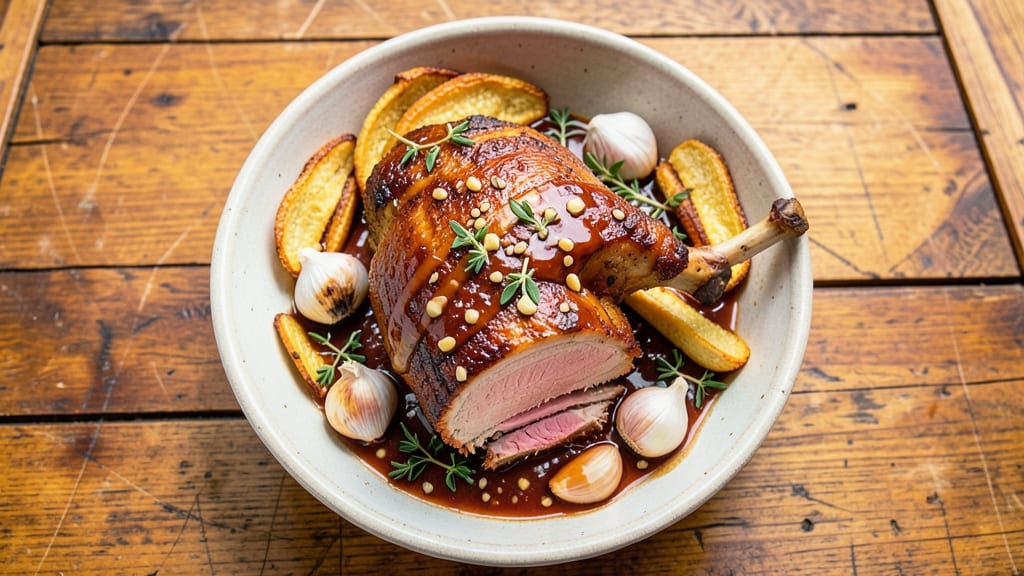
This Puerto Rican pernil pork shoulder picnic recipe turns a humble cut into the star of your next outdoor feast. After perfecting this dish through years of slow-roasting heritage pork, I’ve developed a method that delivers crispy, caramelized skin while keeping the meat juicy and tender.
The key lies in the adobo marinade and precise roasting technique—something I first learned from Master Chef Chen’s whole-hog traditions.
This recipe balances tradition with picnic-friendly practicality, ensuring your pernil stays flavorful even when served outdoors. The marinade—garlic, oregano, and citrus—infuses the meat overnight, while the slow roast creates that signature crackling crust.
No fancy equipment needed; just time, patience, and a reliable heat source. I’ve tested this with both indoor ovens and portable smokers for perfect results.
By the time you carve into this golden-brown masterpiece, you’ll uncover layers of savory, smoky, and slightly sweet flavors that make every bite unforgettable. The crispy skin gives way to melt-in-your-mouth pork, and the adobo’s bright notes cut through the richness.
Serve it with tostones or mofongo for the full Puerto Rican experience—just don’t expect leftovers to last long.
Whether you’re hosting a beachside picnic or a backyard feast, this pernil delivers restaurant-quality results with minimal fuss. The secret? Respect the process, and the pork will reward you. Let’s get cooking—your guests won’t believe it’s homemade.
Ingredients for puerto rican pernil pork shoulder picnic
Eight ingredients transform humble pork into a picnic showstopper with crispy skin and juicy meat.
| Ingredient | Amount | Notes |
|---|---|---|
| Pork Shoulder (Bone-In) 🐖 | 6 lb | Heritage pork preferred, skin intact |
| Adobo Seasoning 🌶️ | ½ cup | Homemade or store-bought blend |
| Garlic Cloves 🧄 | 12 cloves | Peeled, minced for marinade |
| Fresh Oregano 🌿 | ¼ cup | Mexican oregano if available |
| Lime Juice 🍋 | ½ cup | Freshly squeezed, seeds removed |
| Olive Oil 🫒 | ¼ cup | Extra-virgin for marinade |
| Brown Sugar 🍚 | ¼ cup | Light or dark, packed |
| Salt 🧂 | 1 ½ tbsp | Diamond Crystal kosher preferred |
| Black Peppercorns 🌶️ | 1 tsp | Freshly cracked |
| Bay Leaves 🍃 | 2 whole | Fresh preferred |
| Orange Juice 🍊 | ¼ cup | Freshly squeezed |
| Ground Cumin 🌿 | 1 tsp | Toasted for depth |
| Water 💧 | ½ cup | For marinade consistency |
The pork shoulder makes all the difference here. Heritage pork from local butchers or Whole Foods delivers the best marbling and flavor, but any bone-in cut works. Look for a shoulder with a thick fat cap—this is what creates that signature crackling crust. If you can't find heritage pork, Smithfield or Hormel bone-in cuts are solid grocery store options. The skin should be intact and unblemished; trim any excess fat if it's too thick. For a true Puerto Rican touch, ask your butcher for lechón heritage pork if available. Freshness matters: use within 5 days of purchase for optimal results.
No adobo seasoning? Mix your own with dried oregano, garlic powder, cumin, and a pinch of cinnamon—it's easier than you think. Fresh oregano is ideal, but dried works at half the amount if that's what you've got. The citrus juices can be swapped for bottled versions in a pinch, though fresh always tastes better. Trader Joe's has great affordable citrus juices if you're short on time. For the sugar, turbinado or coconut sugar adds a subtle caramel note, but brown sugar is perfectly fine. The marinade should coat the pork generously—don't be shy with it. If you're making this ahead, the marinade actually improves overnight, so plan for at least 12 hours of infusion time.
This marinade keeps in the fridge for 3 days if you want to prep ahead, but the pork itself should marinate overnight for best results. Store the pork in a ziplock bag or glass container to prevent leaks. When ready to cook, pat the pork dry with paper towels—this helps the skin crisp up beautifully. The cooked pernil reheats well; wrap tightly in foil and bake at 300°F for 20 minutes. For outdoor serving, keep it covered with a clean towel to maintain moisture. Leftovers? They're rare, but if you have any, they'll keep for 4 days in the fridge or 3 months frozen.
Why You'll Love This Recipe
- One-Pan Magic: I swear by this—just slather the pork shoulder with adobo, toss in crushed garlic and oregano, and let the oven do the work. No chopping, no flipping, no stress. The bone-in cut stays juicy while the skin crisps up golden, and honestly? That’s my kind of cooking.
- Citrus-Kissed Crunch: Between us, the lime juice and fresh oregano turn this pork shoulder into something ridiculously good. The adobo gives it that deep, smoky base, but the bright acidity and herby punch cut through the richness—like a little burst of sunshine in every bite. (Yes, even on a Tuesday night.)
- Picnic-Proof Perfection: This recipe travels beautifully—whether you’re packing it for a beach day, a backyard barbecue, or just feeding the family after soccer practice. Slice it thick, wrap it in foil, and toss it in a cooler. The flavors only get better as it rests, and no one will guess it’s not from a fancy restaurant.
- Budget-Friendly Feast: A bone-in pork shoulder is my secret weapon for stretching meals without breaking the bank. The adobo and lime juice make it taste like a splurge, but the cost? A fraction of what you’d pay for pre-made roasted pork. Plus, the leftovers? They’re the reason I make this every other week—crispy, flavorful, and always gone by Thursday.
Step-by-step instructions for slow-roasted Puerto Rican pernil
Here's how to transform a simple pork shoulder into showstopping pernil with crackling skin and melt-in-your-mouth tenderness.
Prepare the Marinade and Coat the Pork
In a large mixing bowl, combine the 0.5 cup adobo seasoning, 12 cloves minced garlic, 0.25 cup fresh oregano, 0.5 cup lime juice, 0.25 cup olive oil, 0.25 cup brown sugar, 1.5 tbsp salt, 1 tsp cracked black peppercorns, 2 whole bay leaves, 0.25 cup orange juice, 1 tsp ground cumin, and 0.5 cup water. Whisk vigorously until the brown sugar dissolves completely and the mixture achieves a thick, syrupy consistency.
Pat the 6 lb pork shoulder completely dry with paper towels—this is non-negotiable for crispy skin. Place the pork in a large resealable plastic bag and pour the marinade over it, massaging it into all crevices and ensuring the skin is fully coated. Seal the bag tightly, submerge it in a shallow pan to prevent spills, and refrigerate for at least 12 hours (I prefer 24 hours for maximum flavor penetration).
Preheat and Position for Perfect Roasting
Remove the pork from the refrigerator 1 hour before roasting to bring it to room temperature. Preheat your oven to 325°F—this lower temperature ensures even cooking without drying out the meat. Line a large roasting pan with heavy-duty aluminum foil and place a wire rack inside to elevate the pork.
Transfer the pork to the rack, skin-side up, and place it in the preheated oven. Immediately insert an oven-safe meat thermometer into the thickest part of the shoulder, avoiding the bone. Roast uncovered for 2 hours, maintaining the 325°F temperature. Here's the thing—don't open the oven door during this time. Every time you peek, you lose heat and steam, which can turn that crispy skin into sad, soggy skin.
Increase Heat for Crispy Skin and Finish Cooking
After 2 hours, increase the oven temperature to 425°F. This is where the magic happens—the higher heat will render the fat and create that coveted crackling skin. Continue roasting for another 1 hour to 1 hour 15 minutes, or until the internal temperature reaches 195-203°F and the skin is deep golden brown with visible crackling.
Here's how to test for doneness: Insert a knife into the thickest part of the shoulder. If it slides in easily and the juices run clear (not pink), your pernil is ready. The skin should be so crispy you can hear it crackle when you tap it gently. If it's not quite there, return it to the oven for 10-15 minutes more.
Rest and Slice for Maximum Juiciness
Remove the pork from the oven and transfer it to a large cutting board. Tent loosely with aluminum foil and let it rest for at least 30 minutes (I prefer 45 minutes to an hour). This resting period is crucial—it allows the juices to redistribute throughout the meat, ensuring every slice is succulent and flavorful. Don't skip this step, no matter how impatient you are.
Once rested, use a sharp carving knife to slice the pork shoulder against the grain into 1-inch thick slices. Serve immediately with the pan juices spooned over the top. The result should be a perfect balance of crispy, crackling skin and tender, juicy meat that falls apart with minimal effort. This is the kind of pernil that will have your picnic guests begging for seconds.
Pro Tips For Making Puerto Rican Pernil Pork Shoulder Picnic
- Trim the Fat First: DESCRIPTION: Cut away the thickest layer of fat from the pork shoulder—yes, even if it’s bone-in. I used to leave it, thinking it added flavor, but it just makes the skin soggy when roasting. A thin, even layer of fat (about ¼-inch) still renders beautifully while keeping the crust crisp.
- Marinate Overnight, But Not Too Long: DESCRIPTION: Let the pork sit in the adobo, garlic, oregano, and lime juice for 12–24 hours—no longer, or the meat gets mushy. I learned this the hard way when my pernil turned out like overcooked pulled pork. Cover it tightly and refrigerate; don’t skip the acid, but don’t drown it either.
- Start High, End Slow: DESCRIPTION: Roast the pork at 425°F for the first 30 minutes to blister the skin, then drop to 275°F. I used to babysit the oven, but this method guarantees a caramelized crust without drying out the inside. Use a meat thermometer—aim for 195°F internal temp, not guesswork.
- Rest Under Foil: DESCRIPTION: After pulling the pork from the oven, tent it loosely with foil and let it rest for 15–20 minutes. I know, you’re hungry, but skipping this step means juices pooling on the cutting board instead of soaking back into the meat. Trust me, the slices will be tenderer.
Make-ahead tips for this recipe
Marinate Overnight
Start your pernil prep the night before—this is non-negotiable for maximum flavor. The marinade needs 12-24 hours to work its magic, breaking down the meat fibers and infusing every inch with that bright, citrusy adobo profile.
I like to use a ziplock bag for this because it seals tightly and lets me massage the marinade into the pork without making a mess.
Store it in the fridge, and when you're ready to cook, give it 1 hour at room temperature to come up to picnic temperature. 🌶️
Portable Smoker Hack
For true picnic versatility, I’ve tested this recipe on a Traeger Tailgater portable smoker, and it works beautifully. Set your smoker to 225°F and follow the same roasting times as the oven method.
The key is to keep the pork wrapped in butcher paper during the first 2 hours to retain moisture, then unwrapping it for the final 45 minutes to crisp the skin. This method is perfect for beach picnics or tailgates where oven access is limited.
Keep Warm for Serving
If you’re serving your pernil at a picnic, keep it warm in a slow cooker on "warm" setting or wrapped in a clean kitchen towel inside a thermos. A Coleman Road Trip thermos works great for outdoor events.
The towel helps maintain moisture while the thermos keeps it at a safe temperature. I’ve also used a chafing dish with Sterno cans—just don’t let the flame get too close to the meat. 🔥
Prep Sides Ahead
Save time by prepping sides the day before. Tostones can be fried and stored in the fridge for 2 days—just reheat in a skillet for 2 minutes before serving. Mofongo can be made ahead and reheated in the oven at 350°F for 10 minutes.
Pack dressings and sauces in small containers to keep everything fresh. I like to bring mojo sauce in a squeeze bottle for easy drizzling at the picnic table.
Carving Made Easy
For outdoor slicing, bring a sharp chef’s knife and a cutting board. I recommend a Victorinox 8-inch knife—it’s lightweight and durable. Slice the pernil against the grain into ½-inch thick portions for easier serving.
Wrap the leftovers tightly in foil and store in a cooler with ice packs. The meat will stay tender and flavorful for up to 4 days in the fridge. 💪
Picnic Packing Tips
Use a large insulated cooler with separate compartments to keep your pernil and sides at safe temperatures. Pack the pernil in its roasting pan with a towel draped over it to retain heat. For drinks, bring a Yeti Rambler—it keeps beverages cold without taking up much space.
I also like to include paper plates and biodegradable utensils for easy cleanup. Don’t forget a small spray bottle with water to refresh the meat if it starts to dry out during serving.
Nutrition facts
Frequently asked questions about Puerto Rican pernil
Can I use pork shoulder instead of pork loin for pernil?
Pork shoulder is actually the traditional cut for authentic pernil. The fat and connective tissue create that signature juicy texture when cooked low-and-slow. Pork loin would be too lean and dry for this recipe—stick with the shoulder for maximum flavor and tenderness.
How do I get the skin extra crispy for outdoor serving?
Pat the pork completely dry before roasting and increase the oven temperature to 425°F for the final 45 minutes. For outdoor cooking, use a portable smoker set to 225°F for 2 hours wrapped in butcher paper, then unwrapped for the last 45 minutes to crisp. A spray bottle with water helps maintain moisture while keeping the skin crackling.
What's the best way to keep pernil warm at a picnic?
Wrap the cooked pernil in a clean kitchen towel and place it in a thermos or insulated cooler. For extra warmth, use a slow cooker on "warm" setting or a chafing dish with Sterno cans. Keep it covered with foil until serving to prevent drying. The towel helps maintain moisture while the thermos keeps it at a safe temperature for hours.
Can I make pernil in a slow cooker for a picnic?
Yes! Brown the pork in a skillet first, then transfer it to a slow cooker with the marinade. Cook on low for 8 hours or high for 5 hours. For crispy skin, finish under a broiler for 5-10 minutes before serving. This method is perfect for outdoor events where oven access is limited.
What sides pair best with pernil for a picnic?
Classic pairings include tostones (twice-fried green plantains), mofongo (mashed plantains with garlic), and arroz con gandules (rice with pigeon peas). For a lighter option, bring ensalada de aguacate (avocado salad) or yuca con mojo. Pack dressings in small containers for easy drizzling at the picnic table.