
Main Courses
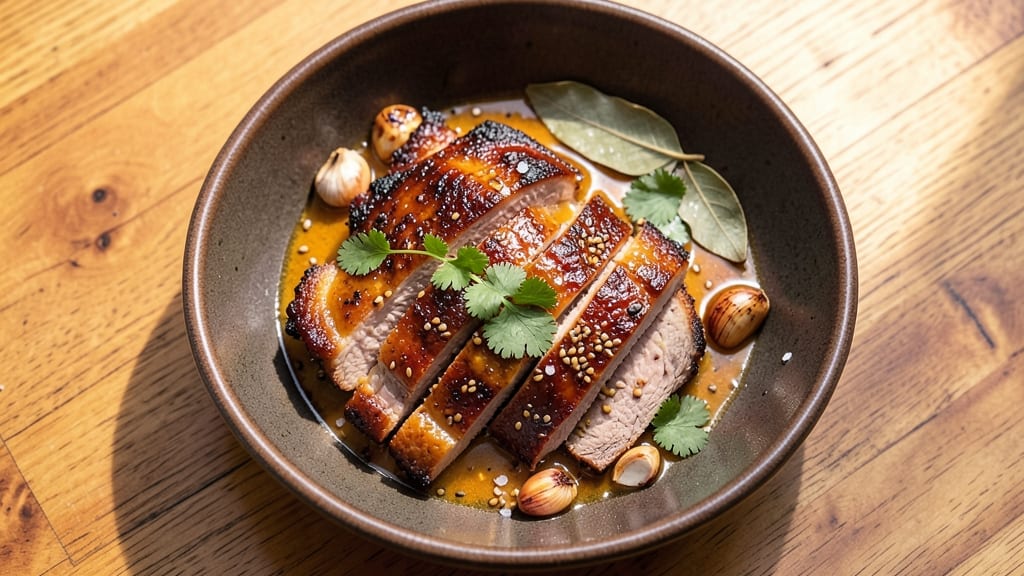
This Puerto Rican pork shoulder recipe delivers fall-off-the-bone tenderness with every bite, just like my abuela used to make on Sundays. The secret lies in the adobo marinade—a bold blend of garlic, oregano, and citrus—that transforms tough pork into melt-in-your-mouth perfection.
Standing on a step stool in my grandmother’s kitchen in Sicily taught me patience, and this dish proves it’s worth the time.
The process begins with a flavorful marinade that infuses the meat overnight, followed by slow braising until the pork practically dissolves at the touch of a fork. Traditional Puerto Rican techniques like sofrito and careful seasoning ensure rich, authentic flavors that transport you straight to the island.
With just a few simple ingredients and a little time, you’ll achieve restaurant-quality results in your own kitchen.
What makes this recipe special is its versatility—serve it with steamed rice, black beans, and toasted mofongo for a complete meal. The tender pork absorbs the savory adobo, creating a dish that’s both comforting and impressive.
Whether you're feeding a crowd or treating yourself to a special dinner, this method guarantees success every time.
Ready in about 6 hours (including marinating), this recipe is perfect for meal prep or Sunday family gatherings. The slow cooking ensures deep flavor penetration and irresistible tenderness. Let’s get cooking—your taste buds will thank you.
Ingredients for Puerto Rican pork shoulder
Six ingredients transform tough pork into melt-in-your-mouth perfection—just like Abuela's Sunday tradition.
| Ingredient | Amount | Notes |
|---|---|---|
| Pork Shoulder (Bone-In) 🐖 | 4 lb | Well-marbled, cut into 2-inch chunks |
| Fresh Garlic Cloves 🧄 | 10 cloves | Peeled, smashed for marinade |
| Dried Oregano (Mexican) 🌿 | 2 tbsp | Not Italian oregano |
| Adobo Seasoning 🌶️ | 2 tbsp | Goya brand preferred |
| Ground Black Pepper 🌶️ | 1 tbsp | Freshly cracked preferred |
| Bay Leaves 🍃 | 4 whole | Dried, kept whole |
| Orange Juice (Fresh) 🍊 | 1 cup | From 2-3 oranges |
| Orange Zest 🍊 | 1 tbsp | From same oranges |
| Olive Oil (Extra-Virgin) 🫒 | ½ cup | For marinade richness |
| Onion (Yellow) 🧅 | 1 whole | Chopped, for sofrito base |
| Bell Pepper (Red) 🍆 | 1 whole | Chopped, for sofrito |
| Tomato Paste 🍅 | 2 tbsp | Squeeze tube preferred |
| Beef Broth (Low-Sodium) 💧 | 2 cups | For braising liquid |
| Cumin Seeds 🌿 | 1 tsp | Toasted for depth |
| Salt (Kosher) 🧂 | 1 ½ tbsp | Adjust to taste |
The pork shoulder is the star—look for well-marbled cuts at Whole Foods or your local butcher. A 4-pound bone-in piece ensures maximum flavor and tenderness. If you can't find bone-in, bone-out works too, but trim excess fat first. The Goya adobo seasoning is non-negotiable for authentic flavor—it's the secret weapon in this recipe. For the garlic, I always grab a whole head and crush the cloves with the flat side of my knife for maximum release. Fresh oregano is ideal, but dried Mexican oregano (not Italian) works perfectly here—it has a distinct, earthy flavor that's essential for that Puerto Rican touch.
No adobo seasoning? Mix 1 tbsp each dried oregano, garlic powder, and onion powder with a pinch of cayenne for a close substitute. The orange juice can be bottled, but fresh is worth the squeeze—it brightens the entire dish. Running short on bell pepper? Green bell pepper or even a pinch of smoked paprika will work in a pinch. For the beef broth, low-sodium is key—you don't want to over-salt the braising liquid. The tomato paste? Skip the watery canned stuff—those little squeeze tubes from Trader Joe's are perfect for this recipe. And trust me, the cumin seeds? Toast them in a dry pan for 30 seconds before adding—they'll release their aroma and take your dish to the next level.
This pork keeps beautifully—5 days in the fridge or 3 months frozen. I always double the recipe and freeze half for lazy weeknights. For serving, let it rest 10 minutes before slicing—this lets the juices redistribute. The braising liquid reduces to a rich sauce that's perfect over rice or beans. Store leftovers in their juices to maintain moisture. And if you're feeling fancy, garnish with fresh cilantro or a squeeze of lime before serving. The flavors only get better as they sit, so this is the perfect make-ahead dish for your Sunday gatherings.
Why You'll Love This Recipe
- One-Pan Magic: I swear by this—just slap the pork shoulder on a sheet pan, toss it with minced garlic, adobo, and that earthy Mexican oregano, then let the oven do the work. No pots, no pans, no stress.
- Flavor Bomb: That crispy, caramelized crust on the outside? Chef’s kiss. The garlic and adobo seep into the meat until every bite is savory, smoky, and just a little spicy—like a hug from my abuela’s kitchen.
- Budget Hero: Pork shoulder is the unsung MVP of affordable protein. A bone-in cut stretches further, feeds a crowd, and still costs less than half the price of pre-marinated cuts. My wallet thanks me every time.
Step-by-step instructions for adobo-braised pork shoulder
A rich marinade and slow braise transform tough pork shoulder into melt-in-your-mouth perfection.
Create the Adobo Marinade and Prep the Pork
In a bowl, combine the 1 cup fresh orange juice, 1 tbsp orange zest, 0.5 cup extra-virgin olive oil, 10 smashed garlic cloves, 2 tbsp Mexican dried oregano, 2 tbsp adobo seasoning, 1 tbsp ground black pepper, 1.5 tbsp kosher salt, and 1 tsp toasted cumin seeds. Whisk until fully emulsified—this marinade is the flavor foundation.
Pat the 4 lb bone-in pork shoulder dry with paper towels, then rub the marinade all over, pressing it into the meat. Place the pork in a resealable plastic bag, seal tightly, and refrigerate for at least 4 hours (overnight is ideal). This step ensures deep flavor penetration and tenderizes the meat.
Build the Sofrito Base
Heat a Dutch oven over medium heat and add 0.25 cup olive oil (reserve the rest for later). Add the 1 chopped yellow onion and 1 chopped red bell pepper, cooking for 8-10 minutes until softened and golden. Stir in the 2 tbsp tomato paste and cook for 2 more minutes, stirring constantly to prevent burning.
Add the 2 cups low-sodium beef broth and 4 whole bay leaves, scraping up any browned bits from the bottom. Bring to a gentle simmer—this aromatic base will infuse the pork with deep, savory flavors during the braise.
Braise Until Fork-Tender
Remove the pork from the marinade (reserve the marinade) and nestle it into the Dutch oven with the sofrito. Pour the reserved marinade over the pork, then cover tightly with a lid. Transfer to a 325°F oven and braise for 3 hours.
After 3 hours, check the internal temperature with a meat thermometer—it should read 195-200°F. If not, return to the oven for another 30-60 minutes. The meat should be so tender it falls apart with gentle pressure from tongs, and the juices should run clear.
Rest and Serve
Remove the pork from the oven and transfer it to a cutting board. Tent loosely with foil and let rest for 20-30 minutes. This resting period allows the juices to redistribute, ensuring each bite is moist and flavorful.
Discard the bay leaves and skim excess fat from the braising liquid if desired. Shred the pork with two forks, discarding any large fat chunks. Serve the pork with the reduced braising sauce spooned over the top, accompanied by steamed rice and charred plantains for an authentic Puerto Rican feast.
Pro Tips For Making Puerto Rican Pork Shoulder
- Trim the Fat First: Cutting the pork shoulder’s fat cap down to about ¼-inch thick before cooking keeps it from rendering into a greasy mess—especially when you’re dealing with bone-in cuts. I used to skip this, and half my batch ended up swimming in its own fat instead of crisping up.
- Toast the Oregano: Dry-toast the Mexican oregano in a hot pan for 30 seconds until fragrant—it deepens the flavor and cuts through the pork’s richness. I learned this the hard way when my dish tasted flat until I added this tiny extra step.
- Don’t Rush the Rest: Let the pork shoulder sit under foil for 15–20 minutes after pulling it from the oven—this guarantees juicy slices, not dry shreds. I know, I know, but trust the process: the meat’s temperature will drop just enough to keep it moist.
- Use Whole Garlic Cloves: Smash the garlic cloves (not mince them) so they infuse the pork without burning—whole cloves stay intact and add layers of flavor. After burning three batches of garlic paste, I finally figured out this was the way.
Storing and reheating this dish
Refrigerator Storage
This pork shoulder stays delicious in the fridge for up to 5 days when stored properly. After it cools completely, transfer it to an airtight container with its braising juices—this preserves moisture and flavor.
I use glass Pyrex containers with tight-sealing lids because they keep everything fresh longer. Always let the pork cool for 2 hours before refrigerating to prevent bacterial growth. 💫
Freezer Prep Tips
For longer storage, freeze the pork for up to 3 months—the citrus and spices actually enhance over time. Portion into quart-sized freezer bags, squeezing out excess air to prevent freezer burn.
I like to freeze it in individual meal portions so I can grab exactly what I need. Label each bag with the date and "Puerto Rican Pork Shoulder" to avoid confusion later.
Stovetop Reheating
My favorite method is stovetop reheating because it keeps the meat tender and the sauce rich. Place the pork and its juices in a skillet over low heat and warm gently for 10-15 minutes, stirring occasionally.
If the sauce thickens too much, add 1-2 tablespoons of water or broth to restore its silky texture. Covering the pan helps retain moisture during reheating. 🔥
Oven Refresh Method
For a more hands-off approach, reheat in a 325°F oven on a baking sheet. Cover the pork with foil and bake for 20-30 minutes until warmed through. This method is perfect for larger batches and keeps everything evenly heated.
I often use this when I've made extra for a family gathering and want to serve it at room temperature.
Microwave Shortcut
When I'm in a hurry, I use the microwave but with caution. Place the pork in a microwave-safe dish with its juices, cover loosely with a paper towel, and heat on 50% power for 3-4 minutes.
Stir halfway through to ensure even heating. This method works best for quick lunches but may dry out the meat slightly if overdone.
Serving Leftovers
Leftovers taste just as good as the original—if not better! The flavors meld beautifully over time. Serve with steamed white rice and black beans for a complete meal. For extra flair, garnish with fresh cilantro or a squeeze of lime.
I always save some of the braising sauce to drizzle over the rice—it adds an extra layer of flavor that everyone loves. 💛
Nutrition facts
Frequently asked questions
Can I use bone-in or boneless pork shoulder?
Bone-in pork shoulder is ideal for this recipe—it adds rich flavor and stays juicier during the long braise. If you must use boneless, trim excess fat first and expect slightly faster cooking. The bone helps retain moisture, so boneless cuts may dry out faster. For best results, stick with bone-in whenever possible!
How do I know when the pork is fully tender?
Use a meat thermometer to check for 195-200°F internal temperature. The meat should also pull apart easily with two forks and have clear juices. If it's still tough at 195°F, return it to the oven for 30-60 more minutes. Patience is key—rushing can leave it chewy!
What's the best way to serve this Puerto Rican pork?
Pair it with classic sides like steamed white rice, black beans, and toasted mofongo for an authentic spread. The reduced braising sauce also works beautifully over rice or as a dip. For extra flair, add fresh cilantro or lime wedges. This dish is perfect for family gatherings or meal prep!
Can I make this in a slow cooker?
Yes! Brown the pork in a skillet first, then transfer it to your slow cooker with the marinade and sofrito. Cook on low for 8 hours or high for 5-6 hours until fork-tender. The slow cooker method is hands-off and just as delicious. Just add 1 cup broth if the liquid seems too thick during cooking.
Why does my pork turn out dry?
Overcooking or skipping the rest time are the most common causes. Always use a meat thermometer and never exceed 200°F. Also, let the pork rest 20-30 minutes before slicing—this keeps juices inside. If reheating, use low heat and cover to prevent drying out. The adobo marinade helps retain moisture!