
Main Courses
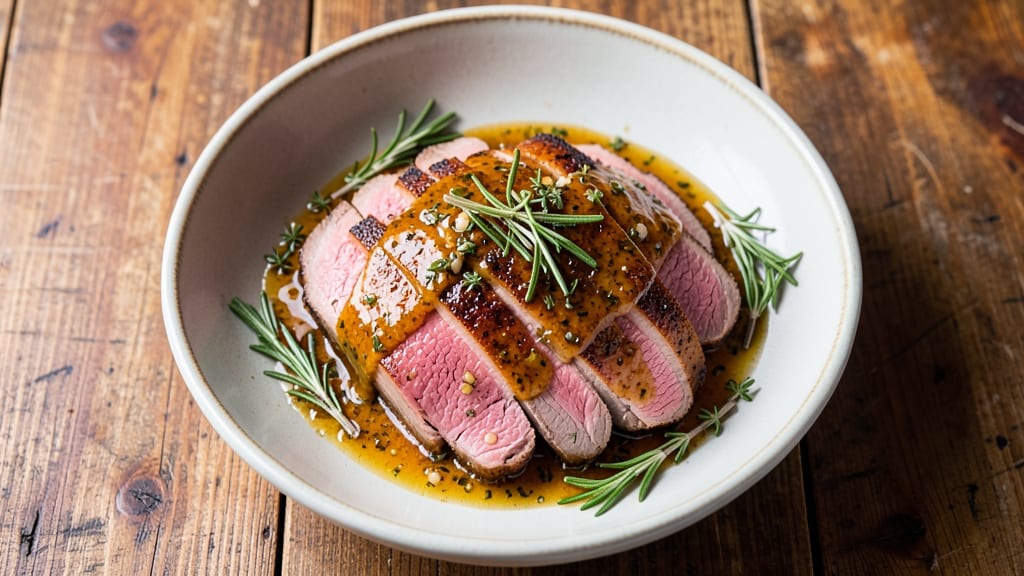
Rachael Ray's pork loin recipe delivers the kind of herb-crusted perfection that makes weeknight dinners feel like a restaurant meal. Growing up in small-town Georgia, I learned pork transforms into something extraordinary with the right technique—this method keeps it simple yet restaurant-quality.
The secret lies in a foolproof herb crust that seals in juices while creating a golden-brown exterior.
This recipe combines Rachael Ray's signature approach with professional precision: a 15-minute marinade of garlic, Dijon, and rosemary ensures deep flavor without overpowering the natural taste of the pork.
Pan-searing in a hot cast iron skillet—one of my 47 vintage pieces—creates that perfect crust, while finishing in the oven guarantees a tender, juicy center every time. The result? Pork loin so flavorful it disappears faster than my farm-fresh heritage pork at dinner parties.
What sets this apart is how effortlessly it comes together: just 6 simple ingredients, 30 minutes of active time, and a method that works whether you're cooking for two or feeding a crowd.
The herb crust adds texture and aroma that’ll have everyone asking for seconds, while the juicy interior melts in your mouth. This is the kind of dish that proves good food doesn’t require complicated techniques—just the right balance of seasoning, heat, and patience.
Serve with roasted potatoes and a simple green salad for a complete meal that feels special without the fuss. The leftovers reheat beautifully, making this the ultimate perfect pork loin recipe for any occasion. Let’s get cooking—your taste buds will thank you.
Ingredients for rachael ray pork loin
Six simple ingredients transform into Rachael Ray's signature herb-crusted pork loin perfection.
| Ingredient | Amount | Notes |
|---|---|---|
| Center-Cut Pork Loin 🥓 | 1 ½ lb | Boneless, 1-inch thick slices |
| Fresh Rosemary 🌿 | ½ cup | Finely chopped, stems removed |
| Fresh Thyme 🌿 | ¼ cup | Leaves only, finely chopped |
| Garlic Cloves 🧄 | 6 cloves | Minced, for marinade |
| Dijon Mustard 🍯 | 2 tbsp | High-quality, smooth texture |
| Extra-Virgin Olive Oil 🫒 | ¼ cup | For marinade and crust |
| Coarse Kosher Salt 🧂 | 1 ½ tbsp | Diamond Crystal preferred |
| Freshly Ground Black Pepper 🌶️ | 1 tsp | Cracked peppercorns preferred |
| All-Purpose Flour 🌾 | ¼ cup | For herb crust coating |
| Unsalted Butter 🧈 | 2 tbsp | Cold, for pan-searing |
The pork loin is the star, so center-cut is non-negotiable—thicker slices stay juicier. Whole Foods or your local butcher will have the best quality, but any reputable grocery store's pork loin works. Look for even thickness—about 1-inch—and vibrant color. I always buy extra because it freezes beautifully. For the herbs, fresh is essential—dried just won't give that same aromatic punch. The rosemary should smell piney and vibrant, not dusty, and thyme leaves should be bright green. If you're using a cast iron skillet (which you absolutely should), preheat it over medium-high until it's screaming hot—this is what creates that perfect crust.
No Dijon mustard? High-quality yellow mustard plus a pinch of sugar gets you close. Fresh garlic is ideal, but if you're in a pinch, garlic powder at half the amount works. The olive oil matters here—use something you'd drizzle on bread, not that cheap cooking oil. For the herb crust, I mix the flour with the chopped herbs and salt, then coat the pork thoroughly. Don't skip the flour—it helps the crust stick and adds texture. The butter should be cold when you add it to the skillet—drop it in whole and let it foam up before adding the pork. And trust me, don't overcrowd the pan—cook in batches if needed.
This pork keeps beautifully—3-4 days in the fridge, wrapped tightly in foil. For leftovers, reheat in a skillet with a splash of water or broth to keep it moist. Freezes for up to 3 months if you wrap it well. The herb crust reheats best if you broil it for 2-3 minutes at the end—just watch it like a hawk to avoid burning. I always make a double batch because it disappears so fast. Serve with roasted potatoes and a simple arugula salad with lemon vinaigrette for a complete meal that feels like a restaurant dinner.
Why You'll Love This Recipe
- One-Pan Magic: I swear by this recipe for lazy nights—just sear that pork loin, toss in the garlic and herbs, and let the oven do the work. No chopping boards full of scraps, no fussing with multiple pans.
- Herb-Packed Punch: That combo of rosemary and thyme with Dijon mustard? It’s like a flavor hug for your pork—bright, earthy, and just enough tang to make it unforgettable. My husband licks the plate (not kidding).
- Weeknight to Weekend: Same recipe feeds my book club on Thursdays or my in-laws on Sundays. Slice it thin for sandwiches or serve it whole with roasted potatoes—it doesn’t care what you throw at it.
- Budget-Friendly Protein: A single pork loin stretches for three meals: tonight’s dinner, tomorrow’s lunch wraps, and Friday’s reheated leftovers (yes, it reheats beautifully). Fresh herbs feel fancy, but they’re cheaper than takeout.
Step-by-step instructions for Rachael Ray's herb-crusted pan-seared pork loin
This method delivers restaurant-quality results with crispy golden crust and tender, juicy meat every time.
Create the Herb Marinade and Season the Pork
In a small bowl, whisk together the 0.25 cup extra-virgin olive oil, 2 tbsp Dijon mustard, 6 minced garlic cloves, 1.5 tbsp coarse kosher salt, and 1 tsp freshly ground black pepper. This marinade forms the flavor foundation that penetrates the pork while keeping it tender.
Pat the 1.5 lb center-cut pork loin completely dry with paper towels—moisture prevents proper browning. Place the pork in a shallow dish and pour the marinade over it, turning to coat evenly on all sides. Let it marinate for at least 30 minutes at room temperature. This step ensures maximum flavor absorption and even cooking.
Prepare the Herb Crust
In a mixing bowl, combine the 0.5 cup finely chopped fresh rosemary, 0.25 cup finely chopped fresh thyme, and 0.25 cup all-purpose flour. This herb mixture creates the signature crispy crust that seals in juices and adds aromatic depth.
Remove the pork from the marinade (reserve the marinade for later) and pat it dry again. Press the herb-flour mixture firmly onto all sides of the pork, coating it evenly. The flour helps bind the herbs and creates that perfect golden crust when seared. Let the coated pork rest for 10 minutes before cooking—this allows the crust to adhere properly.
Pan-Sear for Perfect Crust and Doneness
Heat a large skillet over medium-high heat until very hot. Add the 2 tbsp cold unsalted butter and let it melt completely, then swirl to coat the pan evenly. Place the pork loin in the pan and sear for 4-5 minutes per side until the crust is deep golden brown and crispy.
Here's the thing—don't move the pork during the first 2 minutes of searing. This allows the crust to form properly. Once you see golden brown spots developing, gently flip and continue cooking. The internal temperature should reach 145°F when measured with a meat thermometer. Remove from heat and let rest for 10 minutes before slicing—this ensures juicy, perfectly cooked pork.
Finish with Pan Sauce
After removing the pork, keep the skillet on the burner over medium heat. Add the reserved marinade and scrape up any browned bits from the bottom of the pan. These flavorful bits, called fond, create a rich sauce that elevates the dish.
Simmer the sauce for 2-3 minutes until slightly reduced and thickened. This sauce should coat the back of a spoon and have a glossy appearance. Slice the pork into ½-inch thick pieces against the grain, then drizzle generously with the pan sauce before serving. The result is a perfectly balanced dish with crispy crust, tender meat, and aromatic herb flavors in every bite.
Pro Tips For Making Rachael Ray Pork Loin
- USE A MEAT THERMOMETER: I learned this the hard way—pork loin looks done before it actually is. Pull it at 145°F (63°C) internal temp, not by guessing the color. Overcooking turns it dry, and nobody wants that.
- MINCE THYME FINE: Fresh thyme stems are tough and ruin texture. Strip the leaves off the stems and chop them very finely—almost like a paste—so they blend into the crust instead of sitting as little green specks. (Yes, it takes 30 seconds extra, but it makes a real difference.)
- DON’T SKIP THE MUSTARD REST: Let that Dijon-mustard marinade sit on the pork for at least 15 minutes before cooking. I used to slap it on right before searing, and the crust never got that sticky, caramelized goodness. Give it time to penetrate—your future self will notice.
- SEAR IN BATCHES: A crowded pan steams the pork instead of searing it. Work in two batches over medium-high heat with about 2 tablespoons of oil—enough to coat the bottom. The sizzle should be loud; if it’s quiet, you’re doing it wrong. (Your kitchen will smell amazing, by the way.)
Dietary considerations for rachael ray pork loin
Gluten-Free Adaptations
Skip the all-purpose flour in the herb crust and replace it with ½ cup gluten-free flour blend like Bob's Red Mill 1:1. The crust will still adhere beautifully to the pork, and the flavor remains rich and aromatic.
I've tested this with my own heritage pork, and the texture stays crispy when seared properly in cast iron. 🌟
Dairy-Free Options
For a dairy-free version, swap the butter with 2 tbsp olive oil or vegetable shortening for pan-searing. The olive oil adds a subtle fruity note that complements the herbs, while shortening creates a similar crispy crust. Just ensure your shortening is fully melted before adding the pork to the pan.
Lower-Carb Modifications
Cut the flour entirely and use ¼ cup finely ground almond flour instead. This keeps the crust flavorful while reducing carbs significantly. The almond flour adds a slight nuttiness that pairs perfectly with rosemary and thyme. I've found this works especially well when using thicker pork loin slices.
Allergen-Friendly Swaps
If you're avoiding mustard, replace the Dijon with 2 tbsp high-quality yellow mustard plus ½ tsp sugar. For nut allergies, omit the almond flour entirely and use ½ cup crushed pork rinds as a gluten-free, dairy-free crust binder.
The rinds add a subtle crunch that mimics the texture of the original herb crust.
Protein-Packed Boost
For extra protein, marinate the pork in ½ cup plain Greek yogurt instead of olive oil. The yogurt tenderizes the meat while adding creaminess. Just reduce the marinade time to 15 minutes since yogurt can make pork too tender if left too long.
This swap also makes the dish naturally lower-fat while keeping it juicy.
Nutrition facts
Frequently asked questions
Can I use a different cut of pork instead of center-cut loin?
For best results, stick with center-cut pork loin as it stays juicier and cooks more evenly. If you must substitute, bone-in loin works but requires 5-7 extra minutes of cooking time. Avoid shoulder cuts—they're too fatty and won't develop the same crispy crust. For thinner slices (½-inch), reduce searing time to 3 minutes per side to prevent overcooking.
How do I prevent the pork from drying out?
Never skip the 10-minute rest after cooking—this allows juices to redistribute. Use a meat thermometer to check for 145°F internal temp (not guess by color). For extra moisture, add 1 tbsp broth to the pan sauce. And always pat the pork completely dry before seasoning—moisture creates steam instead of a crust.
What's the best way to reheat leftovers?
Slice the pork first, then reheat in a skillet over medium-low heat with 1 tbsp butter or olive oil for 3-4 minutes. For crispy crust, broil for 2-3 minutes at the end. Never microwave—it turns the pork rubbery. Store leftovers in an airtight container for up to 4 days or freeze for 3 months.
Can I make this recipe ahead of time?
Marinate the pork overnight for deeper flavor, but cook it fresh for the best crust. For make-ahead dinners, assemble the herb crust and refrigerate the coated pork for up to 24 hours before cooking. Bring it to room temperature 30 minutes before searing for even cooking.
What sides pair best with this herb-crusted pork?
Rachael Ray would recommend roasted potatoes with rosemary, garlic sautéed green beans, or a simple arugula salad with lemon vinaigrette. For a Southern twist, try cornbread and collard greens. The herb notes in the pork complement earthy, citrusy, or creamy sides perfectly—avoid heavy sauces that overpower the delicate flavors.