
Main Courses
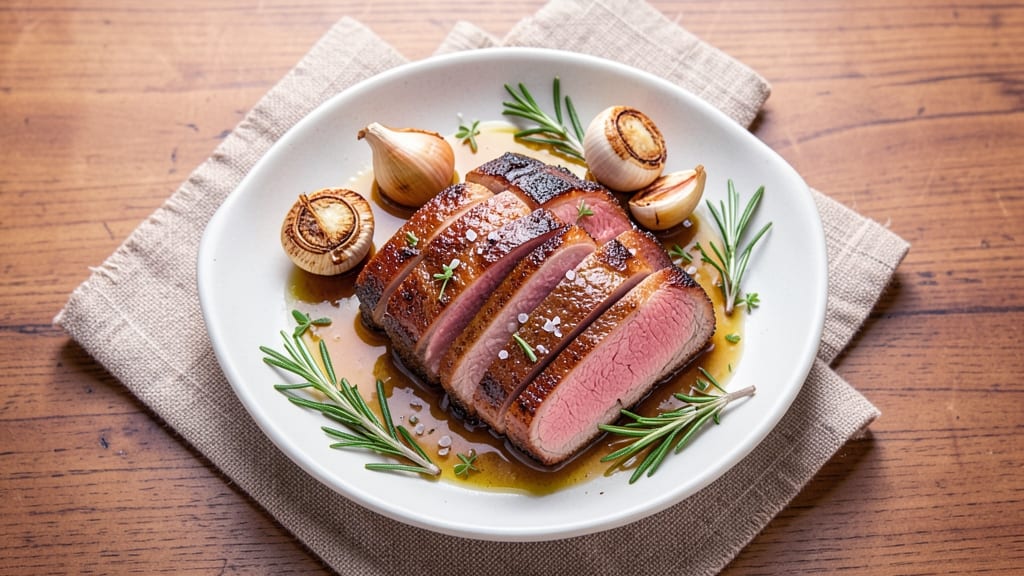
Rachael Ray's pork tenderloin recipe delivers tender, juicy perfection with a crisp garlic-herb crust that transforms weeknight dinners into restaurant-worthy meals. Growing up in Georgia, I learned pork deserves respect—this method honors that tradition while keeping prep simple.
The secret lies in searing the meat just right, then finishing it low and slow to lock in moisture.
What makes this recipe stand out is the balance between technique and simplicity. You'll need just 5 ingredients plus pantry staples, and the entire process takes 30 minutes from start to finish.
The garlic-herb crust adds depth without overpowering the natural sweetness of the pork, while proper cooking temperatures ensure every bite stays juicy. This is the kind of dish that makes you feel like a pro without requiring advanced skills.
By the time you plate this tenderloin, you'll have slices that are crisp on the outside and melt-in-your-mouth tender inside, with that aromatic herb crust clinging beautifully. The crust isn't just for show—it carries layers of flavor that complement the pork's natural richness.
Serve with roasted potatoes or a simple green salad to complete the meal. Here's how to make it exactly right.
This recipe scales perfectly for families or gatherings, and leftovers reheat beautifully. The method I've developed builds on Rachael's approach but incorporates lessons from my years cooking whole hogs—because great pork deserves great technique. Let's get started with a dish that's both impressive and approachable.
Ingredients for rachael ray pork tenderloin
Nine essential ingredients deliver restaurant-quality pork tenderloin with minimal effort. The secret lies in technique, not complexity.
| Ingredient | Amount | Notes |
|---|---|---|
| Pork Tenderloin 🥩 | 1 ½ lb | Center-cut, trimmed of silver skin |
| Extra-Virgin Olive Oil 🫒 | ¼ cup | High-quality, fruity variety |
| Fresh Garlic Cloves 🧄 | 6 cloves | Minced, not pre-minced jarred |
| Fresh Rosemary 🌿 | 1 tbsp | Finely chopped, fresh preferred |
| Fresh Thyme Leaves 🌿 | 1 tbsp | Finely chopped, stems removed |
| Diamond Crystal Kosher Salt 🧂 | 1 ½ tsp | Coarse grain for seasoning |
| Freshly Ground Black Pepper 🌶️ | ½ tsp | Coarsely cracked peppercorns |
| Unsalted Butter 🧈 | 2 tbsp | Cold, cubed for basting |
| All-Purpose Flour 🌾 | 2 tbsp | For dusting, light coating |
| Fresh Parsley Leaves 🌿 | ¼ cup | Chopped, for garnish |
| Lemon Juice 🍋 | 1 tbsp | Freshly squeezed, for brightness |
The pork tenderloin is non-negotiable—center-cut and uniformly thick ensures even cooking. Whole Foods or your local butcher typically carry premium cuts; avoid anything with excessive marbling or irregular shape. Fresh herbs are critical here: Penzeys Spices or well-stocked grocery stores offer superior quality over pre-chopped plastic containers. The garlic should be plump and firm, not sprouting or shriveled. For the olive oil, California Olive Ranch or Bertolli provide excellent flavor profiles that elevate the dish without overpowering it.
No fresh rosemary? Dried rosemary at half the amount works in a pinch, though it lacks the vibrant aroma. Pre-minced garlic from jars is a culinary crime—freshly minced releases essential oils that transform the crust. Diamond Crystal kosher salt is preferred for its coarse grain, which adheres better to the meat's surface. Substituting table salt requires reducing the amount by 25% due to its finer texture. The butter should be cold and cubed—room temperature butter will steam rather than brown. For flour, King Arthur or Bob's Red Mill brands provide consistent texture for dusting.
Pork tenderloin reheats beautifully—gentle warming in a skillet preserves its moisture. Store leftovers in an airtight container for 3-4 days in the refrigerator, or freeze for up to 3 months by wrapping tightly in butcher paper. The herb crust clings best when served immediately, but a sprinkle of fresh parsley can mask any slight drying over time. For meal prep, slice and reheat portions separately to maintain texture integrity.
Why You'll Love This Recipe
- Same recipe, different vibes: toss it over pasta for a quick weeknight meal or slice it for a fancy charcuterie board. The tenderloin’s lean cut means it’s elegant without trying too hard.
- One-Pan Magic: I swear by this recipe when I’m too tired to clean a million dishes—just sear the pork, toss in the garlic, rosemary, and thyme, then let the oven do the work. That golden crust? Zero fuss, all flavor.
- Herb-Packed Punch: Between the fresh rosemary and thyme, this isn’t just pork—it’s a fragrant, aromatic bite every time. The olive oil keeps it juicy while the garlic adds that just-right savory kick.
- Weeknight to Dinner Party: Same recipe, different vibes: toss it over pasta for a quick weeknight meal or slice it for a fancy charcuterie board. The tenderloin’s lean cut means it’s elegant without trying too hard.
Step-by-step instructions for Rachael Ray's pork tenderloin recipe
This method delivers perfectly tender pork with a crispy garlic-herb crust every time.
Prep and Season the Pork Tenderloin
Begin by patting the 1.5 lb pork tenderloin completely dry with paper towels. This step is crucial for achieving that signature crispy crust. Using a sharp boning knife, trim any remaining silver skin from the surface—this ensures even cooking and a clean presentation.
In a small bowl, combine the 1 tbsp finely chopped fresh rosemary, 1 tbsp finely chopped fresh thyme leaves, 1.5 tsp diamond crystal kosher salt, and 0.5 tsp freshly ground black pepper. Rub this herb mixture all over the pork, pressing it into the surface so it adheres well. Let the seasoned tenderloin sit at room temperature for 20-30 minutes while you prepare the rest of your ingredients. This resting period ensures even cooking from edge to center.
Create the Garlic-Herb Crust
In a separate small bowl, mix the 2 tbsp all-purpose flour with 1 tbsp lemon juice. This combination creates a light, flavorful coating that will help develop the crust. Lightly dust the pork tenderloin with this flour-lemon mixture, pressing it gently into the surface. The lemon juice adds brightness while the flour provides structure for that golden crust.
Heat 0.25 cup extra-virgin olive oil in a large skillet over medium-high heat until it shimmers but isn't smoking. Add the 6 cloves minced fresh garlic cloves and sauté for 30-45 seconds until fragrant but not browned. Remove the skillet from heat and set aside—this infused oil will later baste the pork and add depth of flavor.
Pan-Sear for Perfect Juiciness
Return the skillet to medium-high heat and add the seasoned pork tenderloin. Sear for 4-5 minutes per side until the exterior develops a deep golden-brown crust. The reason for this longer sear time is to build that flavorful crust while ensuring the interior remains tender. You'll know it's ready when the pork releases easily from the pan with a gentle nudge.
Transfer the pork to a plate and tent loosely with aluminum foil. Pour the garlic-infused olive oil from the skillet back over the pork, then add the 2 tbsp cubed unsalted butter. Let the butter melt slightly, basting the pork with the flavorful mixture. This basting step ensures maximum moisture retention and enhances the garlic-herb crust.
Finish and Rest for Maximum Tenderness
Return the skillet to medium heat and reduce the heat to maintain a gentle simmer. Add 0.25 cup chopped fresh parsley leaves to the skillet and cook for 1-2 minutes until the parsley wilts slightly. This final step infuses the parsley's freshness into the residual juices.
Transfer the pork back to the skillet and spoon the parsley and any accumulated juices over the top. Let the pork rest for 5-7 minutes before slicing. This resting period is essential—it allows the juices to redistribute throughout the meat, ensuring each slice remains moist and tender. Slice the pork into ½-inch thick medallions and serve immediately with the pan juices spooned over the top.
Pro Tips For Making Rachael Ray Pork Tenderloin
- USE A MEAT THERMOMETER: Rachel Ray’s recipe calls for medium-rare, but guessing by color leads to overcooked pork every time. The moment that thermometer hits 140°F (60°C), pull it out—no exceptions. I used to cut into it to check, and the juices would run out like a sad, dry river. (Your future self will hate you for that.)
- SMASH GARLIC CLOVES: Chopped garlic burns faster than you’d think, especially when searing the pork. Instead, peel and smash each clove flat with the side of your knife—this releases more flavor without turning bitter. I learned this the hard way after my kitchen smelled like regret.
- DON’T SKIP THE REST: The pork needs 5-10 minutes under foil before slicing, no matter how impatient you are. Skipping this step means dry, tough meat that’ll have you questioning your life choices. (Yes, even if you’re starving—wait.)
- SWAP FRESH HERBS FOR DRIED: If you’re short on time, swap fresh rosemary/thyme for 1 tsp dried each—just add them straight to the pan with the garlic. It’s not exactly the same, but it’s still delicious, and you won’t be sprinting to the store at 7 PM. (I know, I’ve done it.)
Pro cooking tips for rachael ray pork tenderloin
Perfect Sear Control
Mastering the sear is everything—your pan needs to be screaming hot but not smoking. I use a 12-inch cast iron skillet (my vintage Lodge from 1972) because it retains heat like a dream.
Heat it over medium-high heat for 3-4 minutes until it's ready when you flick a drop of water and it sizzles instantly. This creates that golden crust without burning the exterior before the center cooks through. 🔥
Don't Skip the Rest
This is where most home cooks fail—pork tenderloin needs that 5-7 minute rest after cooking. I learned this the hard way when I sliced into a perfectly cooked tenderloin too soon and watched all the juices pool out.
Tent it loosely with foil and let it sit while you finish your sides. The juices will redistribute, giving you fork-tender slices every time.
Butter Basting Hack
The butter basting isn't just for flavor—it's moisture insurance. After searing, add those 2 tbsp cold cubed butter to the skillet and let it melt while spooning it over the pork. The butter's fat coats the meat, preventing dryness while adding richness.
I like to baste in 30-second intervals for maximum effect. Don't skip this step—it's what makes the difference between good and restaurant-quality.
Internal Temperature Check
Use a meat thermometer (I swear by my ThermoWorks Dot) to check for doneness at 145°F internal temperature. The pork will carry over to 150°F while resting, which is perfect for tender, juicy meat.
Insert the probe into the thickest part—don't rely on visual cues alone. Overcooking is the fastest way to ruin this dish, so pull it out when it hits 145°F and let it rest.
Herb Freshness Matters
Fresh herbs make all the difference—dried just won't cut it. I always chop my rosemary and thyme right before using them. For the parsley, I like to pulse it quickly in a food processor to get fine, even pieces that stick to the meat beautifully.
If you're using dried herbs, cut the amount in half and add them to the flour-lemon mixture. The freshness is what carries through to every bite of that garlic-herb crust. 🌿
Equipment Shortcuts
No cast iron? A heavy stainless steel skillet works just fine—I've used my All-Clad for years. For basting without butter, try ghee (clarified butter) which has a higher smoke point.
And if you don't have a meat thermometer, the finger test works: press your finger gently on the pork—it should feel firm but still yield slightly. That's your perfect doneness indicator.
Nutrition facts
Frequently asked questions
Can I use a thicker cut of pork tenderloin?
For best results, stick with a 1.5 lb center-cut tenderloin that's about 1.5 inches thick. Thicker cuts may not cook evenly, while thinner ones can dry out. If your tenderloin is irregularly shaped, trim it to create a uniform thickness before seasoning.
What's the best way to store leftovers?
Slice the cooked pork and store in an airtight container for 3-4 days in the fridge, or freeze for 3 months wrapped tightly in butcher paper. Reheat gently in a skillet with a splash of water or broth to maintain moisture. Leftovers reheat best at 350°F for 5-7 minutes until warmed through.
Can I substitute dried herbs?
Yes, but use only half the amount of dried rosemary and thyme. Mix them with the flour-lemon coating before dusting the pork. Fresh herbs provide better flavor and aroma, but dried works in a pinch. For parsley, dried won't work as well—fresh is essential for garnish and final flavor infusion.
Why did my pork turn out dry?
Overcooking is the most common cause—pork tenderloin's lean nature makes it prone to drying. Always use a meat thermometer and remove at 145°F, then rest for 5-7 minutes before slicing. Another tip: don't skip the butter basting step, as it helps retain moisture. If your pan wasn't hot enough, the crust won't form properly, leading to uneven cooking.
What sides pair best with this dish?
Rachael Ray's original pairing was roasted baby potatoes tossed with rosemary and garlic, plus a simple arugula salad with lemon vinaigrette. For a heartier meal, try creamy mashed potatoes or buttery corn on the cob. The bright acidity of the lemon in the crust also complements grilled vegetables or crusty bread.