
Main Courses
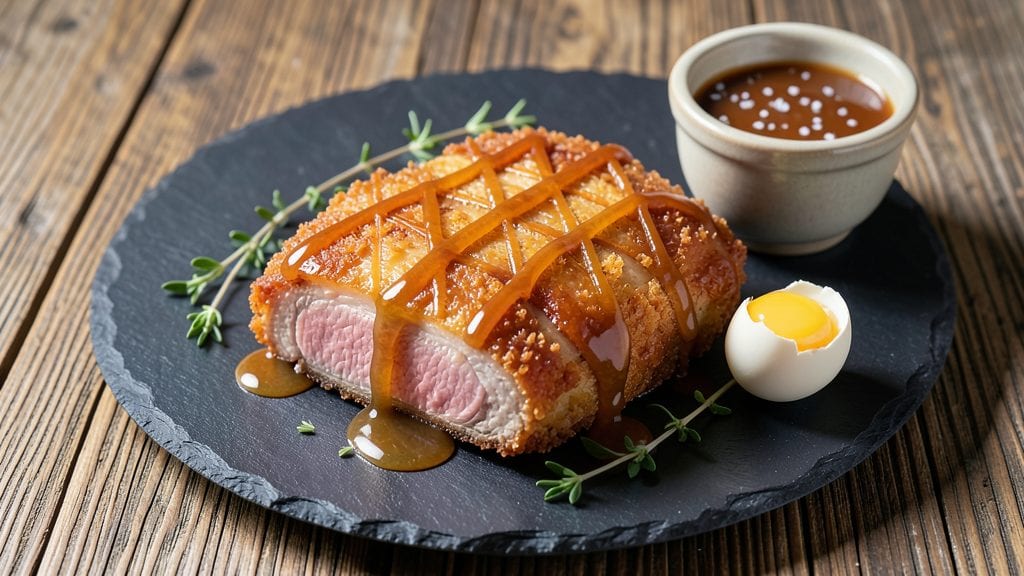
This salted caramel pork belly recipe transforms a simple cut of meat into a showstopping centerpiece that combines crispy crackling with silky-sweet caramelized pork. After years of perfecting techniques with my grandmother in Sicily, I’ve developed a method that ensures tender meat and golden, shatteringly crisp skin every time.
The key lies in precise scoring, slow rendering, and basting with a rich salted caramel glaze that adds depth and sweetness without overpowering the pork’s natural richness.
The process begins with scoring the pork belly to render fat evenly, then slow-roasting it until the meat is fork-tender and the fat has crisped into a delicate, lacy crackling.
What sets this recipe apart is the salted caramel sauce—simmered to a thick, glossy consistency—basted over the pork in the final stages to create a glazed, caramelized crust that’s impossible to resist. This isn’t just a dish; it’s an experience that turns a weeknight dinner into something memorable.
By the time you serve it, you’ll have a plate that’s visually stunning and packed with flavor: crispy crackling on top, tender pork underneath, and a glossy caramel glaze that ties everything together. The contrast of textures—crunchy, creamy, and melt-in-your-mouth—makes every bite worth savoring.
Pair it with roasted root vegetables or a simple arugula salad to let the pork belly shine as the star of the meal.
Ready in just 3 hours (with minimal hands-on time), this recipe is perfect for special occasions or when you want to impress without spending hours in the kitchen. The method is foolproof, and the results are restaurant-quality. Let’s get started—your taste buds will thank you.
Ingredients for salted caramel pork belly
Crispy crackling, tender pork, and a salted caramel glaze—this is how you impress.
| Ingredient | Amount | Notes |
|---|---|---|
| Pork Belly (Bone-In, Skin-On) 🐷 | 3 lb | Score fat evenly before cooking |
| Granulated White Sugar 🍚 | 1 ½ cups | For salted caramel glaze |
| Diamond Crystal Kosher Salt 🧂 | 1 ½ cups | Fine grain preferred |
| Heavy Cream 🥛 | 1 ½ cups | Full-fat for richness |
| Unsalted Butter 🧈 | ½ lb | Cut into cubes |
| Fresh Thyme Leaves 🌿 | ¼ cup | Dried thyme at 1 tbsp |
| Garlic Cloves 🧄 | 6 cloves | Roughly chopped |
| Apple Cider Vinegar 🍎 | ¼ cup | For caramel balance |
| Extra-Virgin Olive Oil 🫒 | ½ cup | For scoring and basting |
| Butterfly Pepper 🌶️ | 1 tsp | For heat accent |
| Black Peppercorns 🌶️ | 1 tbsp | Freshly cracked |
| Honey 🍯 | ¼ cup | For final glaze touch |
The pork belly is your star, so choose a thick cut with visible marbling—this is what renders into that lacy crackling. I always grab mine from Whole Foods or a trusted butcher, where they can trim it fresh. The skin should be taut and unblemished—avoid pre-scored or pre-cut slabs unless you’re doing this yourself. For scoring, use a sharp knife or a razor blade; cut in a crosshatch pattern about 1/4 inch deep into the fat, not the meat. This helps the fat render evenly and creates the perfect texture. If you’re short on time, Costco’s pre-scored pork belly works, but you’ll need to score it yourself to get that restaurant-quality look.
Salted caramel is all about balance—too much salt and it’s harsh, too much sugar and it’s cloying. I use Diamond Crystal kosher salt because it dissolves evenly, but Morton’s fine grain works too if that’s what you’ve got. For the heavy cream, full-fat is non-negotiable—the fat content makes all the difference in the glaze’s richness. No apple cider vinegar? White wine vinegar or lemon juice will work, but the acidity needs to be present to balance the sweetness. If you’re avoiding honey, maple syrup at half the amount keeps that caramelized depth. And for the thyme—fresh is ideal, but dried thyme at one-third the amount still adds great flavor.
This dish is all about patience—the pork belly needs 3 hours at 300°F to render properly, but the real magic happens in the final 30 minutes when you baste it with the caramel glaze. Store the pork belly uncooked in the fridge for up to 2 days—this helps the fat render more evenly when you cook it. The caramel glaze keeps beautifully in the fridge for 1 week in a sealed jar, but I always make extra because it’s worth the effort. If you’re prepping ahead, score the pork belly and refrigerate it overnight—this helps the fat firm up, making it easier to score evenly. And when serving, let it rest 10 minutes before slicing so the juices redistribute—trust me, it makes a difference.
Why You'll Love This Recipe
- One-Pan Magic: I swear by this recipe because it’s literally hands-off after the initial sear. Toss the pork belly on a sheet pan, sprinkle sugar and salt, and let the oven do the work—no flipping, no fussing. Honestly, the only effort is scraping the caramelized edges off the pan later.
- Caramel Crunch Perfection: That sugar crust? It’s where the magic happens—crispy, salty, and sweet all at once, with the pork melting inside like butter. The heavy cream and butter at the end turn it into a glossy, sticky sauce that makes every bite feel like a hug.
- Weeknight Hero: This isn’t just for holidays. Serve it with roasted potatoes for a lazy Sunday, slice it over rice for a quick dinner, or even pack leftovers for lunch—it’s rich enough to stand alone but flexible enough to play well with others.
- Budget Luxury: Pork belly feels fancy, but this recipe stretches it far. A single cut feeds four, and the leftovers? Even better the next day. Between us, I’ve made this on a tight grocery budget and still felt like I’d ordered takeout. (Yes, even on a Tuesday night.)
Step-by-step instructions for salted caramel pork belly
Here's how to transform pork belly into melt-in-your-mouth perfection with crackling skin.
Score and Cure the Pork Belly for Maximum Crisp
Start by scoring the pork belly in a diamond pattern through the fat, cutting down to but not through the meat. This creates channels for the fat to render out during cooking, resulting in that coveted crispy crackling. Use a sharp boning knife and work methodically—press firmly but don't tear the skin.
In a large bowl, combine the 1.5 cups granulated white sugar and 1.5 cups Diamond Crystal kosher salt. This mixture will form our curing brine. Place the scored pork belly in a large resealable bag and pour the sugar-salt blend over it, massaging it into all the cuts and surfaces. The sugar will help caramelize during cooking, while the salt penetrates deeply for seasoning.
Refrigerate the pork belly uncovered on a wire rack for 24 hours. This drying step is crucial—it removes surface moisture that would otherwise steam the skin instead of crisping it. After 24 hours, flip the pork belly and let it dry uncovered for another 4 hours at room temperature before cooking. This final drying ensures maximum crispiness when we hit the oven.
Render the Fat and Build the Caramel Glaze
Preheat your oven to 325°F. Place the dried pork belly fat-side down on a wire rack set inside a roasting pan. The rack elevates the meat, allowing hot air to circulate underneath and render the fat evenly. This low-and-slow approach prevents the skin from cooking too quickly while the fat renders out.
Roast for 2 hours, basting occasionally with the rendered fat. You'll know it's ready when the internal temperature reaches 160°F and the skin begins to pull away from the fat in some spots. Transfer the pork belly to a cutting board and tent loosely with foil. Let it rest for 30 minutes—this resting period allows the juices to redistribute, ensuring tender meat when sliced.
While the pork belly rests, prepare the caramel glaze. In a heavy saucepan, combine the 1.5 cups heavy cream, 0.5 lb unsalted butter (cut into cubes), 0.25 cup fresh thyme leaves, 6 cloves garlic cloves (roughly chopped), 0.25 cup apple cider vinegar, and 1 tsp butterfly pepper. Bring to a simmer over medium heat, stirring constantly until the butter melts and the mixture thickens slightly. Remove from heat and whisk in the 0.25 cup honey until smooth.
Finish with Crispy Skin and Silky Glaze
Increase the oven temperature to 425°F. Return the rested pork belly to the oven, fat-side up this time, and roast for an additional 20-25 minutes until the skin is deep golden brown and crispy in places. The high heat at this stage is what creates that signature crackling texture—don't rush it, but don't walk away either. You want to achieve maximum crispness while keeping the meat tender.
Remove the pork belly from the oven and let it rest for another 15 minutes. While it rests, strain the caramel glaze through a fine-mesh sieve to remove any thyme stems or garlic pieces. Return the glaze to the saucepan and simmer over low heat until it thickens to a spreadable consistency—it should coat the back of a spoon. Taste and adjust seasoning with 1 tbsp freshly cracked black peppercorns if needed.
Slice the pork belly against the grain into ½-inch thick slices. Arrange the slices on a serving platter and drizzle generously with the warm caramel glaze. The contrast of crispy skin, tender meat, and sweet-savory glaze is what makes this dish unforgettable. Serve immediately with the extra glaze on the side for dipping—every bite should deliver that perfect balance of textures and flavors.
Pro Tips For Making Salted Caramel Pork Belly
- Salt the Sugar First: Don’t just dump sugar into the pan—first toast it with a pinch of kosher salt (about ¼ tsp per ½ cup sugar) until it’s golden and fragrant. This deepens the caramel’s flavor and prevents clumping when you add the cream later. I used to skip this and wonder why my caramel tasted flat.
- Render Fat Slowly: Start the pork belly skin-side down over medium-low heat, not high. High heat burns the fat before it renders, leaving you with a greasy mess instead of crispy skin. I learned this the hard way—my first batch had skin that looked like a soggy pancake.
- Braise with Cream Last: Add the heavy cream only in the final 15 minutes of braising, not at the start. If you dump it too early, the pork absorbs it like a sponge and ends up mushy. Wait until the last stretch to let the fat and sugar caramelize properly.
- Use Unsalted Butter, Then Add Salt: Melt unsalted butter into the caramel sauce at the end, then season with Diamond Crystal kosher salt—about 1 tsp per cup of sauce. Salted butter throws off the balance, and kosher salt dissolves evenly. Trust me, your taste buds will notice.
Perfect pairings for these flavors
Creamy Risotto
Pair your salted caramel pork belly with a creamy Arborio rice risotto infused with white wine and Parmesan. The earthy richness of the risotto contrasts beautifully with the sweet-savory caramel glaze.
I use 3 cups Arborio rice, 4 cups chicken broth, ½ cup dry white wine, and 1 cup freshly grated Parmesan. The buttery texture soaks up the caramel drizzle perfectly. 🍚
Roasted Root Vegetables
For a balanced plate, roast parsnips, carrots, and sweet potatoes with rosemary and olive oil until caramelized. Toss 2 lbs mixed vegetables in 2 tbsp olive oil, 1 tsp kosher salt, and ½ tsp black pepper, then roast at 400°F for 30-35 minutes.
The natural sweetness of the vegetables complements the pork belly’s richness without overpowering it.
Crisp Arugula Salad
A simple arugula salad with lemon vinaigrette cuts through the richness of the pork belly. Toss 4 cups baby arugula with 2 tbsp extra-virgin olive oil, 1 tbsp fresh lemon juice, ½ tsp Dijon mustard, and a pinch of flaky sea salt.
Add ¼ cup toasted pine nuts for crunch. The peppery bite refreshes your palate between bites of the decadent pork.
Crusty Bread
Serve with a warm baguette or sourdough bread to soak up any extra caramel glaze. I love a freshly baked Italian loaf from my local bakery—its crusty exterior contrasts perfectly with the tender pork. Toast slices lightly and serve alongside the main dish for an easy, crowd-pleasing addition. 🥖
Coffee Pairing
Finish the meal with a strong espresso or Italian cappuccino to cleanse your palate. The bitterness of coffee balances the sweetness of the caramel, while the creamy foam complements the pork belly’s richness.
If you prefer tea, a black tea with lemon works beautifully—just avoid overly sweetened drinks that might clash with the dish.
Dessert: Dark Chocolate
End with dark chocolate (70% cocoa or higher) to echo the salted caramel flavors. The bitterness of the chocolate contrasts with the sweetness, creating a satisfying finish. I like Lindt Excellence 70% or Valrhona Guanaja for a luxurious touch.
A few squares with a sprinkle of flaky sea salt mirror the dish’s signature balance of sweet and salty. 🍫
Nutrition facts
Frequently asked questions
Why does the pork belly need to dry uncovered before cooking?
Drying the pork belly uncovered removes surface moisture that would otherwise steam the skin instead of crisping it. This 24-hour drying process creates the perfect conditions for that signature lacy crackling. Think of it like making homemade pasta—drying helps develop texture!
Can I substitute regular sugar for the salted caramel glaze?
Yes, but you might need to adjust the cooking time slightly. Regular granulated sugar dissolves faster than kosher salt, so simmer the glaze 2-3 minutes longer to achieve the same thick, glossy consistency. The flavor will be identical—just watch it closely to avoid burning!
What if my pork belly skin isn't crispy after cooking?
This usually happens if the meat wasn't properly dried or the oven temperature fluctuated. For next time: Pat the skin completely dry with paper towels after scoring, and use an oven thermometer to confirm 425°F during the final crisping stage. A quick fix is broiling for 2-3 minutes at the end.
How far ahead can I make the salted caramel glaze?
The glaze keeps beautifully in the fridge for 1 week in an airtight container. Reheat gently in a saucepan until warm and smooth—it'll thicken slightly when cold, but just whisk in a splash of cream to restore its consistency. Perfect for meal prep!
What's the best way to reheat leftover pork belly?
Slice the pork belly and reheat in a 350°F oven for 10-12 minutes until warmed through. For extra crispiness, broil for 1-2 minutes at the end. Avoid microwaving—it makes the skin soggy. The caramel glaze can be reheated separately in the microwave for 20 seconds.