
Main Courses
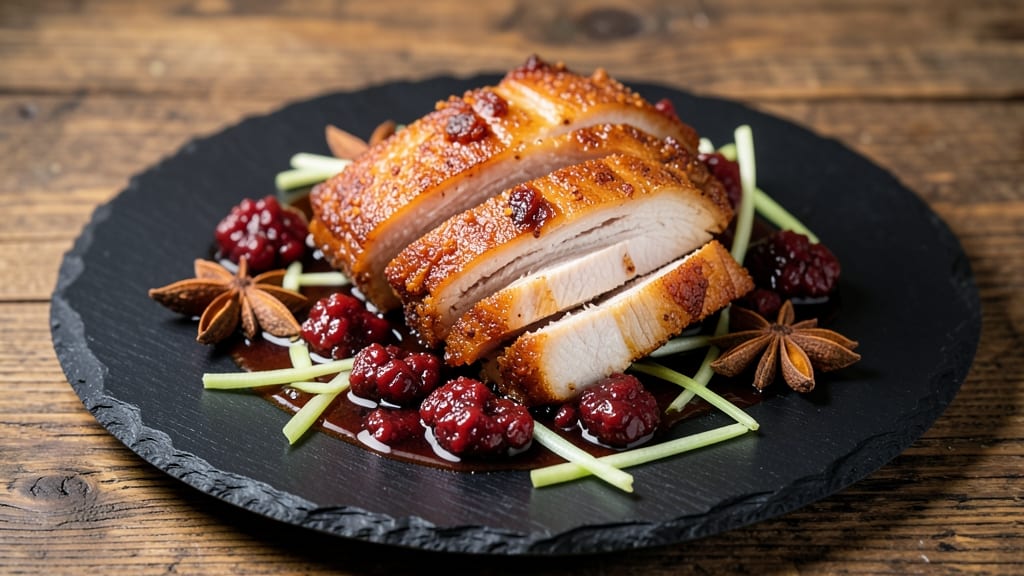
Mastering Shanghai-style pork belly transforms tough fat into melt-in-your-mouth perfection—where crispy skin meets silky, braised meat infused with star anise and fermented bean paste. Growing up in small-town Georgia, I learned pork’s transformative power, but Shanghai’s technique—slow braising with aromatic spices—elevates it to another level.
The secret lies in patience: letting the fat render slowly while the meat absorbs deep, savory flavors.
This recipe delivers restaurant-quality results with just six core ingredients, all accessible at your local butcher or specialty store. The process begins with a dry marinade of soy sauce, sugar, and star anise, which develops the pork’s signature caramelized crust.
Unlike traditional Southern methods, Shanghai-style pork belly relies on a gentle simmer rather than high heat, preserving tenderness while building complex layers of umami.
By the final bite, you’ll experience tender slices that crisp at the edges yet remain juicy inside, their aroma rich with toasted spices and a hint of sweetness. The dish pairs beautifully with steamed buns or pickled vegetables, offering a complete meal that balances textures and flavors.
Ready in about 2 hours, it’s a weekend project worth every minute.
Whether you’re recreating a Shanghai street-food classic or simply craving a showstopping pork dish, this method delivers foolproof, professional-quality results. The key? A heavy Dutch oven and unwavering attention to timing—just like Master Chef Chen taught me in Charleston. Let’s get started.
Ingredients for shanghai pork belly
Six ingredients transform tough pork belly into Shanghai's signature melt-in-your-mouth masterpiece.
| Ingredient | Amount | Notes |
|---|---|---|
| Pork Belly 🐖 | 2 lb | Skin-on, cut into 1-inch slices |
| Light Soy Sauce 🥄 | ½ cup | Kikkoman preferred for balance |
| Granulated Sugar 🍚 | 2 tbsp | White or brown sugar works |
| Star Anise 🌟 | 2 whole | Whole pods for aroma infusion |
| Fermented Black Bean Paste 🫒 | 2 tbsp | Douchi or la dou, Asian market |
| Fresh Ginger Root 🧄 | 1 inch | Thinly sliced, peeled |
| Garlic Cloves 🧄 | 6 cloves | Smashed, not minced |
| Water 💧 | 1 ½ cups | Or light chicken broth |
| Sesame Oil 🌿 | 1 tbsp | Toasted, for finishing |
| Diamond Crystal Kosher Salt 🧂 | 1 tsp | For seasoning only |
| Cane Vinegar 🍋 | 1 tbsp | White or rice vinegar |
The pork belly makes or breaks this dish—skin-on, thick-cut pieces are essential for that signature crispy skin. Local butchers often have the best cuts, but if you're at the grocery store, look for the thickest slab available. The fermented black bean paste? Asian markets carry it in jars—it's what gives that deep, funky umami. Star anise is non-negotiable; the whole pods infuse better than ground. For the ginger, fresh is a must—dried won't give that bright, zesty kick you need here. I always buy extra because I use it in other dishes too.
No star anise? Cinnamon sticks or a pinch of anise extract will work in a pinch, but you'll lose that authentic aroma. Running low on black bean paste? Miso paste or a splash of fish sauce adds umami, though it won't be identical. The soy sauce should be light, not dark—Kikkoman or Pearl River Bridge are my go-tos. If you can't find fermented black beans, salted black beans rinsed well will do in a bind. The garlic? Smashed cloves release more flavor than minced, so don't skip this step—it's worth the extra minute.
This dish tastes even better the next day, so make extra if you can. Store leftovers in the braising liquid, covered, for up to 5 days in the fridge. For longer storage, freeze in portions with a splash of water to keep it moist—3 months max. When reheating, cover tightly and warm on low heat. The skin stays crispy if you reheat it uncovered for the last 5 minutes. Serve with steamed rice or buns to soak up all that glorious sauce.
Why You'll Love This Recipe
- One-Pan Magic: That fermented black bean paste? It’s the secret weapon here—just a spoonful transforms the pork belly into something unexpectedly rich. No marinating, no fuss, just toss it in the pan with the sugar and soy sauce, and let the star anise work its aromatic spell.
- Crave-Worthy Crisp: The outside gets this gorgeous, crackly crust while the inside stays tender—like a cross between bacon and a caramelized dream. Honestly, the first bite always makes me pause mid-chew. (Yes, I’ve done it.)
- Leftovers? No Problem: This dish tastes even better the next day, especially over rice or noodles. I pack it for lunches or freeze portions—my freezer’s full of it, and my wallet’s happier for it.
- Budget-Friendly Luxe: Pork belly might sound fancy, but a whole cut feeds four people for dinner plus leftovers. The black bean paste and star anise add depth without breaking the bank—here’s what sold me: it feels like a restaurant dish for pennies.
Step-by-step instructions for braised Shanghai pork belly
This method transforms tough pork belly into melt-in-your-mouth perfection through slow braising.
Prepare the Pork Belly for Maximum Tenderness
Begin by cutting the 2 lb pork belly into 1-inch thick slices—this ensures even cooking and proper texture. Pat each slice dry with paper towels, pressing firmly to remove all surface moisture. This step is crucial because any remaining water will create steam instead of allowing the meat to develop that signature crispy exterior.
In a small bowl, combine 0.5 cup light soy sauce, 2 tbsp granulated sugar, 2 tbsp fermented black bean paste, 1 tbsp cane vinegar, and 1 tsp diamond crystal kosher salt. Mix thoroughly until the sugar and salt dissolve completely. This marinade will penetrate the meat, breaking down collagen and infusing flavor. Let the pork belly slices soak in this mixture for at least 30 minutes at room temperature—this allows the marinade to work its magic and ensures the meat stays tender during braising.
Sear the Pork for Deep Flavor
Heat a heavy-bottomed Dutch oven or deep skillet over medium-high heat. Add the pork belly slices in a single layer, leaving space between them to prevent steaming. Sear for 3-4 minutes per side until the skin turns deep golden brown and the edges begin to crisp. This step is non-negotiable—searing locks in juices and creates the foundational Maillard reaction that builds complex flavors.
Once seared, remove the pork from the pan and set it aside. In the same pot, add 1 inch fresh ginger root (thinly sliced) and 6 cloves garlic cloves (smashed). Sauté for 30 seconds until fragrant—this releases their aromatic oils, which will infuse into the braising liquid. Add the 2 whole star anise pods and let them toast gently for 1 minute, stirring constantly to prevent burning. These spices will impart their signature warmth and depth to the finished dish.
Braise Until Fork-Tender
Return the seared pork belly to the pot. Pour in 1.5 cups water, scraping up any browned bits from the bottom of the pan—this step captures all the flavor you've built. Bring the liquid to a gentle simmer over medium-low heat, then reduce the heat to maintain a barely bubbling state. Here's the thing—this isn't a rush. Cover the pot and let it cook for 1 hour and 15 minutes, stirring occasionally to distribute heat evenly.
After the initial hour, check for doneness by inserting a fork into the thickest part of a pork slice. If it slides in easily and the meat pulls apart with minimal resistance, you're close. If not, continue braising for another 15-30 minutes until the pork is fork-tender. The liquid should reduce to a glossy, syrupy consistency—this is your sauce, rich with pork fat and infused with all the aromatics. If the liquid reduces too quickly, add 2-3 tablespoons of water to maintain moisture.
Finish with Sesame Oil and Rest
Once the pork is tender, remove the pot from heat and let it rest for 10 minutes. This resting period allows the juices to redistribute, ensuring each bite is moist and flavorful. While the pork rests, carefully skim any excess fat from the surface of the braising liquid—this step prevents the sauce from becoming greasy while still preserving its richness.
Just before serving, drizzle 1 tbsp sesame oil over the pork belly slices and toss gently to coat. The sesame oil adds a nutty aroma and balances the savory-sweet flavors of the braise. Serve the pork belly hot, spooning the reduced braising liquid generously over the top. Each slice should be silky and tender, with a crispy edge that gives way to melt-in-your-mouth perfection. The star anise-infused sauce should cling to the meat, offering a harmonious blend of sweet, salty, and aromatic notes.
Pro Tips For Making Shanghai Pork Belly
- Score First, Then Marinate: Use a sharp knife to score the pork belly in a crosshatch pattern—about 1/4-inch deep—before marinating. This lets the soy sauce and black bean paste penetrate deeper, giving you that sticky-sweet crust without over-salting the center. (Yes, it’s tedious, but trust me: your future self will thank you.)
- Don’t Skip the Sugar Burn: After adding sugar and star anise to the pan, let it caramelize just until it smells like toffee—not burnt. Tilt the pan and swirl constantly; the sugar will cling to the pork belly like glue when it’s ready. I burned mine twice before realizing the heat needed to be just off the boil.
- Undercook, Then Rest: Pull the pork belly off the heat when it’s 90% done—it’ll finish cooking in the residual heat while resting. Overcooking here turns it into rubber; let it sit wrapped in foil for 10 minutes instead. (I learned this after slicing into a sad, dry slab.)
- Use Black Bean Paste Sparingly: Fermented black bean paste is potent—start with half the recipe’s amount and taste as you go. Too much dominates the flavor; too little leaves it bland. I once doubled it by accident and had to rescue the dish with extra soy sauce. (Now I keep a tiny spoon aside for adjustments.)
Best sauces and condiments for these flavors
Star Anise-Infused Sauce
The braising liquid here is where the magic happens—it transforms into a glossy, aromatic sauce that clings to every bite. The star anise is key: whole pods infuse the liquid with a warm, licorice-like depth that’s impossible to replicate with ground spices.
I always use 2 whole pods because they release their oils slowly during the 1.5-hour braise, creating layers of flavor. For extra richness, don’t skim all the fat—leave ¼ inch to keep the sauce velvety. 🌟
Fermented Black Bean Paste
This ingredient is non-negotiable for authentic Shanghai flavor. The fermented black bean paste (douchi) adds a funky, umami punch that balances the sweetness of the soy and sugar. If you can’t find it, miso paste works in a pinch, but you’ll lose that slightly salty, fermented tang.
I buy mine at Asian markets in bulk—it lasts for months in the fridge and elevates other dishes too, like stir-fries or hot pots. 🫒
Sweet-Savory Glaze
The 2 tbsp sugar in the marinade isn’t just for sweetness—it caramelizes during searing, creating a sticky, glossy crust on the pork. For a deeper glaze, add 1 tbsp honey to the braising liquid in the last 10 minutes of cooking.
This turns the sauce into a syrupy reduction that coats the pork beautifully. Trust me, the contrast of crispy skin and silky meat with this glaze is what makes this dish unforgettable. 🍯
Sesame Oil Finish
A drizzle of toasted sesame oil right before serving is the secret weapon. It adds a nutty aroma that cuts through the richness and ties all the flavors together. I use Kadoya brand because it’s 100% pure sesame oil with no additives.
Add it just before plating—don’t mix it in while cooking, or it’ll burn. A ½ teaspoon per serving is perfect; more can overpower the dish. 🌿
Pickled Vegetable Pairing
To balance the richness, serve with quick-pickled cucumbers or daikon radish. Thinly slice 1 cup cucumber or radish, toss with 2 tbsp rice vinegar, 1 tsp sugar, and a pinch of red pepper flakes.
Let it sit for 20 minutes—the tangy crunch cleanses your palate between bites. I make a big batch and keep it in the fridge for up to 5 days; it’s great on sandwiches too. 🥒
Steamed Buns for Serving
For a complete Shanghai-style meal, serve the pork belly with steamed buns (bao). Use store-bought buns (like H Mart’s frozen bao) or make your own with all-purpose flour and yeast.
Stuff a few with shredded pork belly and a spoonful of the braising sauce for a handheld feast. The soft, pillowy texture contrasts perfectly with the crispy pork. 🥟
Nutrition facts
Frequently asked questions
Can I substitute regular soy sauce for light soy sauce in this recipe?
Light soy sauce is preferred for its milder flavor and lower sodium content, but you can use regular soy sauce in a pinch. Just reduce the amount by 10-15% since it's saltier. For example, use 0.45 cup instead of 0.5 cup to avoid overpowering the dish with saltiness. The color will be slightly darker, but the texture and tenderness won't be affected.
How do I achieve the perfect crispy skin on Shanghai-style pork belly?
Three key steps:
- Pat the pork bone-dry before searing to remove all moisture,
- Sear over medium-high heat until deep golden brown (about 3-4 minutes per side), and
- Don't overcrowd the pan—leave space between slices. The secret is patience: let the fat render slowly during braising rather than rushing the cooking process. The skin will crisp beautifully when reheated or served immediately.
Can I make this recipe in an Instant Pot or electric pressure cooker?
Yes, but with adjustments: Sear the pork first in a separate pan, then transfer to the Instant Pot with all aromatics. Use 1 cup water instead of 1.5 cups and cook on high pressure for 35 minutes. Quick-release the pressure, then let it sit for 10 minutes before opening. The texture will be tender but slightly less crispy than stovetop braising. For extra richness, finish with a quick pan-sear after pressure cooking.
What's the best way to reheat leftovers without drying out the pork?
Reheat in the same braising liquid over low heat for 5-7 minutes, covered. For crispy skin, transfer the pork to a skillet after warming and sear for 1-2 minutes per side until golden. Never microwave—it turns the meat rubbery. Store leftovers in the braising sauce to keep them moist for up to 5 days in the fridge. Freeze portions with a splash of water to prevent drying.
How can I make this dish spicier?
Add 1 tsp chili crisp or ½ tsp red pepper flakes to the marinade, or stir 1 tbsp chili oil into the braising liquid during the last 10 minutes of cooking. For heat lovers, serve with sriracha-infused pickled vegetables or a side of chili jam. The star anise already adds warmth—these additions will complement rather than overpower the dish's natural flavors.