
Main Courses
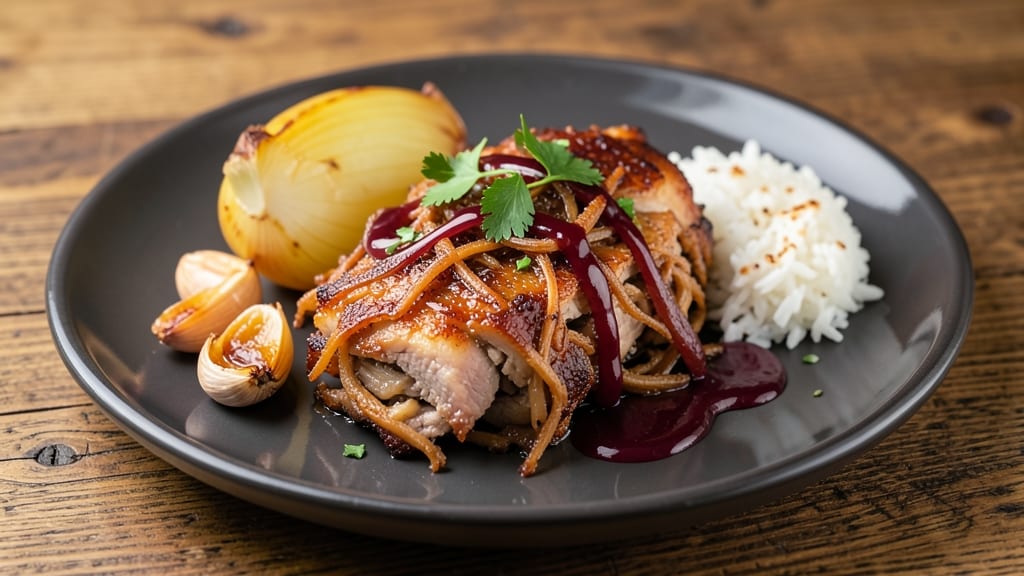
Mastering shredded pork shoulder transforms tough cuts into melt-in-your-mouth perfection—something I perfected during my apprenticeship under Master Chef Chen. The secret lies in slow cooking until the meat falls apart effortlessly, creating layers of smoky depth without the fuss of traditional smoking methods.
This recipe relies on a simple yet powerful approach: a dry rub of spices and a long cook time that develops rich, caramelized flavors. No need for specialized equipment—just patience and a reliable slow cooker or oven.
The result is tender, flavorful pork that’s perfect for tacos, sandwiches, or serving as a centerpiece dish.
By the end, you’ll have perfectly shredded pork with a crisp exterior and juicy interior, infused with smoky, savory notes. The technique is foolproof, and the versatility means you can use it in countless dishes. Here’s how to achieve restaurant-quality results at home.
Pair this pork with classic sides like coleslaw, cornbread, or roasted vegetables for a complete meal. The leftovers reheat beautifully, making it ideal for meal prep or feeding a crowd. Let’s get started on this crowd-pleasing recipe.
Ingredients for shredded pork shoulder
Six ingredients transform tough pork into melt-in-your-mouth perfection—no smoker needed.
| Ingredient | Amount | Notes |
|---|---|---|
| Pork Shoulder (Bone-In) 🥩 | 4 lb | Well-marbled, 2-3 inches thick |
| Yellow Onion 🧅 | 1 whole | Medium size, sliced into wedges |
| Garlic Cloves 🧄 | 6 cloves | Peeled, smashed for deeper flavor |
| Apple Cider Vinegar 🍎 | ¼ cup | For tenderizing and tang |
| Brown Sugar 🍚 | ½ cup | Packed, for caramelized crust |
| Smoked Paprika 🌶️ | 2 tbsp | Honduran or Spanish for depth |
| Ground Cumin 🌿 | 1 ½ tbsp | Toasted for earthy warmth |
| Kosher Salt 🧂 | 1 ½ tbsp | Diamond Crystal preferred |
| Black Peppercorns 🌶️ | 1 tsp | Freshly cracked for brightness |
| Fresh Thyme Leaves 🌿 | ½ tbsp | Or 1 tsp dried thyme |
| Beef Broth 💧 | 1 cup | Low-sodium for balance |
| Apple Juice 🍎 | ½ cup | Sweetens without overpowering |
| Unsalted Butter 🧈 | 2 tbsp | Cold, for basting finish |
| Fresh Rosemary 🌿 | 1 sprig | For aromatic depth (optional) |
The pork shoulder is non-negotiable—look for bone-in cuts with visible marbling at Costco or your butcher. A 2-3 inch thick cut ensures even cooking. If you're using a pre-cut shoulder, pat it dry before applying the rub. For extra insurance, I like to score the fat cap in a crosshatch pattern—this helps render fat and creates crispy edges. The apple cider vinegar isn't just for flavor; it tenderizes the meat while adding subtle sweetness. Grab a glass bottle from Trader Joe's if you want to avoid the vinegar smell in plastic containers.
No smoked paprika? Substitute 1 tbsp regular paprika plus 1 tsp liquid smoke—just don't overdo it. Running low on thyme? Dried works at one-third the amount, but fresh is ideal. The beef broth can be swapped for chicken broth, though it'll have a milder flavor. For a sweeter profile, use apple cider instead of apple juice—just reduce the sugar slightly. The butter should be cold when basting; if it melts too soon, chill it for 10 minutes. And if you're feeling fancy, add a bay leaf to the pot for extra depth.
This reheats like a dream—4-5 days in the fridge or 3 months frozen. For best results, store in airtight containers with a splash of broth to keep it moist. The pork will actually taste better the next day as the flavors meld. I portion mine into single-serving containers for easy lunches or taco nights. If you're prepping for a crowd, cook an extra pound—trust me, it disappears fast.
Why You'll Love This Recipe
- Sweet-Savory Magic: That brown sugar and apple cider vinegar combo? It’s the secret weapon. The vinegar tenderizes while the sugar caramelizes, giving you a sticky, tangy crust that’s impossible to resist.
- Leftovers That Shine: This recipe practically begs for seconds—then thirds. I make a double batch on Sundays, and by Wednesday, it’s still the star of tacos, sandwiches, or even fried rice. (Yes, even my picky teens ask for it.)
- Budget Win: A single pork shoulder feeds my family for days, and the ingredients cost less than half of pre-made pulled pork. Plus, the onion and garlic bulk up the flavor without breaking the bank.
Step-by-step instructions for slow-cooked shredded pork shoulder
Transform a simple pork shoulder into fall-apart tender, smoky-rich shreds with minimal effort.
Prepare the Pork and Dry Rub
Pat the 4 lb pork shoulder completely dry with paper towels to remove any surface moisture. This is crucial for developing that beautiful caramelized crust later. Place it fat-side up on a wire rack set over a baking sheet to allow air circulation on all sides.
In a small bowl, combine the 2 tbsp smoked paprika, 1.5 tbsp ground cumin, 1.5 tbsp kosher salt, and 1 tsp freshly cracked black peppercorns. Add the 0.5 tbsp fresh thyme leaves and 1 sprig fresh rosemary, then mix thoroughly. Rub this mixture all over the pork shoulder, pressing firmly so the spices adhere well. Don't forget to season the cavity if your pork shoulder has one.
Sear for Depth of Flavor
Heat a large Dutch oven over medium-high heat. Add the 1 whole yellow onion, sliced into wedges, and cook for 5-6 minutes until the edges begin to soften and caramelize. Remove the onions and set aside.
Increase heat to medium-high and add the 6 cloves smashed garlic cloves. Cook for 30 seconds until fragrant but not browned. Immediately add the pork shoulder to the pot, fat-side down. Sear for 4-5 minutes until the fat begins to render and the bottom develops a golden crust. Flip the pork and sear the other side for another 3-4 minutes. This step builds incredible flavor through the Maillard reaction.
Slow Cook with Liquid and Sweetener
Pour the 0.25 cup apple cider vinegar into the Dutch oven, scraping up any browned bits from the bottom. Add the 0.5 cup packed brown sugar, 1 cup beef broth, and 0.5 cup apple juice. Return the seared onions to the pot. Bring everything to a simmer over medium heat, then reduce heat to low.
Cover the pot and transfer to a 325°F oven. Cook for 3 hours, then carefully flip the pork shoulder and cook for another 3 hours. The internal temperature should reach 200-203°F at this point, and the meat should pull apart easily with two forks. If it's not quite there, continue cooking for another 30 minutes.
Rest and Shred for Maximum Tenderness
Remove the pork shoulder from the oven and transfer it to a cutting board. Tent loosely with aluminum foil and let it rest for 30-45 minutes. This resting period is essential—it allows the juices to redistribute throughout the meat, preventing them from running out when you shred.
Discard the rosemary sprig and any large herb stems. Using two forks, shred the pork shoulder against the grain into ¼-inch thick strands. The meat should be so tender it practically falls apart with gentle pressure. Skim any excess fat from the cooking liquid if desired, then stir in the 2 tbsp cold unsalted butter for a silky finish.
Pro Tips For Making Shredded Pork Shoulder
- Trim the Fat First: Slice off the thickest layer of fat from the bone-in pork shoulder before cooking—it’s the part that smokes the most and ruins flavor. I learned this after my kitchen filled with acrid smoke mid-braise, and the meat still tasted fine. Just leave a thin layer for moisture.
- Sear Bone-Side Down: Lay the pork shoulder bone-side down in the pan first—it creates a flavorful crust that clings to the meat as it renders. After burning through three batches where I skipped this, I now swear by it. Use medium-high heat until deep brown, then flip.
- Deglaze with Vinegar: After searing, dump in that apple cider vinegar immediately—it cuts through the caramelized bits and adds tang without needing extra liquid. I used to add it later and missed the depth of flavor. Do it right after the first sear.
- Check Internal Temp: Pull the pork at 195–200°F—probe the thickest part, avoiding the bone. It’ll feel like butter when done, not rubbery. I’ve ruined perfectly cooked pork by guessing, so invest in a good thermometer. No second-guessing.
Serving suggestions for leftovers
Classic BBQ Spread
Serve your shredded pork shoulder on a platter with a generous drizzle of homemade BBQ sauce—I recommend my go-to blend of 1 cup ketchup, ½ cup apple cider vinegar, ¼ cup molasses, 2 tbsp smoked paprika, and 1 tbsp brown sugar.
Simmer for 15 minutes until thickened. The sweet-tangy sauce balances the smoky depth of the pork beautifully. 🍯
Taco Night Setup
For a crowd-pleasing taco bar, set out corn tortillas (I love Mission brand for their perfect char), diced avocado, pickled red onions, and a side of quick-pickled jalapeños. My secret?
Toss 1 cup sliced jalapeños with ½ cup apple cider vinegar and 1 tbsp sugar for 30 minutes. The heat cuts through the richness of the pork. 🌶️
Sandwich Stacks
Pile shredded pork onto toasted brioche buns with a smear of garlic aioli—just mix ½ cup mayonnaise, 1 minced garlic clove, and 1 tsp lemon juice.
Add crispy slaw made from 2 cups shredded cabbage, ¼ cup mayo, and 1 tbsp apple cider vinegar. For extra crunch, top with toasted pecans—I toast ½ cup pecans in a dry skillet for 3 minutes until fragrant. 🥪
Game Day Platter
Arrange the shredded pork on a large platter with roasted sweet potato wedges (tossed in 1 tbsp olive oil and 1 tsp smoked paprika at 400°F for 25 minutes) and crispy Brussels sprouts (roasted with ½ cup bacon crumbles for 20 minutes).
Serve with warm dinner rolls and extra BBQ sauce for dipping. This spread disappears fast at my farm gatherings. 🏈
Meal Prep Containers
Divide the shredded pork into mason jars or airtight containers with a splash of the cooking liquid to keep it moist. Store in the fridge for up to 5 days or freeze for 3 months.
When ready to eat, reheat in a skillet with 1 tbsp apple juice over medium heat for 3-4 minutes until warmed through. I prep these for quick lunches or taco nights. ✨
Garnish Like a Pro
Finish your presentation with fresh chopped cilantro or microgreens for color contrast. A sprinkle of crushed red pepper flakes adds heat, while toasted sesame seeds bring an Asian-inspired twist.
For a smoky touch, drizzle with chipotle oil—just simmer 3 chipotle peppers in oil for 10 minutes and strain. The visual pop makes any dish feel restaurant-worthy. 💫
Nutrition facts
Frequently asked questions
Why does my pork shoulder turn out dry when I shred it?
Skipping the 30-45 minute rest is the #1 mistake! When you shred immediately, the juices escape. Also, overcooking past 203°F internal temp dries it out. For extra moisture, baste with butter during the last 30 minutes of cooking.
Can I use a slow cooker instead of the oven?
After searing, transfer everything to a slow cooker and cook on low for 8 hours or high for 5-6 hours. The liquid-to-meat ratio should be about 1:1. Just add ½ cup extra broth if needed. The texture will be slightly softer but still delicious.
What's the best way to reheat shredded pork shoulder?
Add 1-2 tbsp apple juice or broth per pound to a skillet over medium heat for 3-4 minutes. Never microwave—it makes the meat rubbery. For large batches, reheat in a 350°F oven for 15-20 minutes with a splash of liquid. The butter in the recipe helps prevent drying.
How do I know when pork shoulder is fully cooked?
Use a meat thermometer—it should read 200-203°F in the thickest part. The meat should pull apart easily with two forks. If it's not quite there after 6 hours, add 30 more minutes. Pro tip: The internal temp will rise 5-10°F more while resting.
Can I substitute bone-in pork shoulder with boneless?
Yes, but boneless cooks 15-20% faster and may dry out. Reduce cook time by 30 minutes and check at 5 hours. For extra moisture, wrap the pork in foil during the last 1 hour of cooking. The flavor won't differ, but texture might be slightly less tender.