
Main Courses
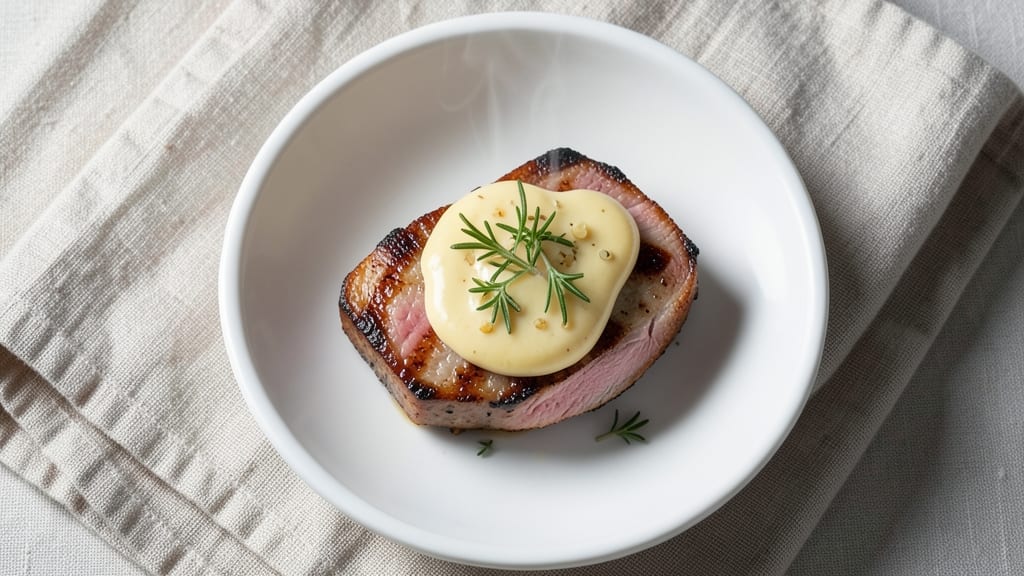
A small pork tenderloin recipe like this one transforms a simple weeknight meal into something restaurant-worthy—juicy, tender, and packed with flavor. Growing up in small-town Georgia, I learned that pork doesn’t need to be complicated to be exceptional, and this pan-seared method delivers foolproof results every time.
The secret lies in a perfect sear and a garlic-herb butter crust that locks in moisture while adding depth.
This recipe focuses on precision: a 145°F internal temperature ensures tenderness without dryness, while a 10-minute rest after cooking redistributes juices for maximum flavor. The garlic-herb butter isn’t just a topping—it’s the foundation, creating a caramelized crust that’s crispy on the outside and velvety on the inside.
With just five simple ingredients and 20 minutes of active time, this method proves that even the most delicate cuts can shine.
What you’ll end up with is a golden-brown, perfectly cooked tenderloin that slices effortlessly, revealing juicy pink meat with every bite. The garlic-herb butter adds layers of aroma and richness, making it a standout main course for any occasion.
Serve with roasted vegetables or a fresh salad to balance the richness, and you’ve got a meal that feels special without the fuss.
Whether you’re cooking for one or a small gathering, this recipe scales beautifully while keeping the same restaurant-quality results. The technique is straightforward, but the payoff is undeniable—tender, flavorful pork that tastes like it came from a chef’s kitchen. Let’s get started.
Ingredients for small pork tenderloin
Five core ingredients transform simple pork tenderloin into a restaurant-worthy centerpiece.
| Ingredient | Amount | Notes |
|---|---|---|
| Pork Tenderloin 🥩 | 1 ½ lb | Center-cut for even cooking |
| Unsalted Butter 🧈 | ½ cup | Cold, cut into 8 pieces |
| Fresh Garlic Cloves 🧄 | 6 cloves | Minced for butter compound |
| Fresh Rosemary 🌿 | ¼ cup | Finely chopped, stems removed |
| Fresh Thyme Leaves 🌿 | ¼ cup | Stripped from stems |
| Diamond Crystal Kosher Salt 🧂 | 1 ½ tsp | For seasoning and crust |
| Freshly Ground Black Pepper 🌶️ | ½ tsp | Light hand for balance |
| Extra-Virgin Olive Oil 🫒 | 1 tbsp | High smoke point for searing |
The pork tenderloin's quality is non-negotiable for this method. Look for a center-cut piece with even diameter—this ensures consistent cooking. Whole Foods or your local butcher often carry premium cuts, but most grocery stores stock acceptable options. Avoid tenderloins with excessive silver skin or uneven thickness, as these can lead to uneven cooking. If you're unsure, ask the butcher to trim any excess fat or connective tissue. The herb butter compound is where flavor truly shines, so don't compromise on freshness—rosemary and thyme should have vibrant green leaves, not wilted or yellowing stems. For garlic, freshly minced cloves release more aroma than pre-minced varieties.
No fresh rosemary? Dried rosemary at one-third the amount works in a pinch, though it lacks the bright herbal notes. Substituting butter with ghee for a dairy-free option maintains richness while eliminating potential burning. If you're missing thyme, fresh oregano or marjoram provide similar earthy depth. For the olive oil, avocado oil has a higher smoke point if you're concerned about flare-ups. The kosher salt is crucial—it's less dense than table salt, so measure carefully. If you only have table salt, reduce to three-quarters the amount. Pre-minced garlic? Freshly minced is ideal, but if that's not possible, use one extra clove to compensate for lost flavor during processing.
Store the pork tenderloin uncovered in the fridge for up to 24 hours to dry-brine the surface, enhancing crust formation. The herb butter compound can be prepped one day ahead and stored in an airtight container in the refrigerator. For longer storage, freeze the butter mixture in 1-tablespoon portions for easy use. Once cooked, pork tenderloin reheats beautifully—warm in a skillet with a splash of broth for 2-3 minutes per side to maintain moisture. Leftovers keep 3-4 days refrigerated or 3 months frozen. The herb butter crust is best used immediately, but any unused portions can be refrigerated for up to 5 days in a sealed container.
Why You'll Love This Recipe
- Foolproof Timing: I swear by this—20 minutes from fridge to table, no cutting corners. The tenderloin cooks fast (thanks to its size), and the garlic-butter baste takes all of two minutes. Honestly, it’s the kind of recipe that makes me feel like a hero when I serve it.
- Herb-Infused Magic: That rosemary and thyme combo? It’s not just flavor—it’s depth. The butter basting locks in the aroma while the garlic adds a punch that makes every bite feel special. (Yes, even on a Tuesday night.)
- Leftovers That Shine: Cold slices in salads? Wrapped in tortillas for tacos? It’s the ultimate repurposing protein. I’ve even turned extras into a quick stir-fry—no one ever complains when this is the star.
- Budget-Friendly Feast: A single tenderloin feeds four, and the butter/garlic/rosemary cost pennies. Between us, this is how I stretch my grocery budget without sacrificing taste. The crispy edges alone justify the price tag.
Step-by-step instructions for pan-seared pork tenderloin
Master this technique for perfectly tender pork with a crispy, aromatic crust every time.
Prepare the Garlic-Herb Butter Compound
In a small bowl, combine the 0.5 cup unsalted butter, 6 cloves fresh garlic cloves (minced), 0.25 cup fresh rosemary (finely chopped), and 0.25 cup fresh thyme leaves (stripped). The butter should be cold and cut into 8 pieces to create a proper compound butter. This mixture will form the flavorful crust and basting agent for your pork.
Refrigerate the compound while you prepare the pork. The cold butter ensures it melts gradually during cooking, creating a rich, flavorful crust rather than a greasy mess. This step is where the magic happens—herbs infused into butter create layers of aromatic complexity that penetrate the meat during searing.
Season and Sear the Pork Tenderloin
Pat the 1.5 lb pork tenderloin completely dry with paper towels. This critical step ensures maximum browning and crispiness. Season generously with 1.5 tsp diamond crystal kosher salt and 0.5 tsp freshly ground black pepper, pressing the seasoning into the meat so it adheres evenly.
Heat a heavy skillet over medium-high heat until very hot. Add 1 tbsp extra-virgin olive oil and swirl to coat the pan evenly. Place the pork tenderloin in the skillet and sear for 4-5 minutes per side, pressing down gently with a spatula during the first minute to prevent curling. The meat is ready when it develops a deep golden-brown crust and releases easily from the pan.
Build the Crust and Baste with Herb Butter
Remove the pork from the skillet and reduce heat to medium. Add 4 pieces of the cold garlic-herb butter compound to the skillet, tilting to coat the bottom evenly. Let it melt completely, about 1 minute, then return the pork to the skillet and spoon the melted butter over the meat, basting for 1 minute per side. This creates a flavorful crust while keeping the interior tender.
Add the remaining 4 pieces of butter compound to the skillet and let it melt completely. Return the pork to the skillet one final time, spooning the butter over the meat until fully coated. The butter should sizzle gently—this indicates proper heat control. The pork is now ready for the final resting phase, where all the flavors meld together.
Rest and Slice for Maximum Tenderness
Transfer the pork to a cutting board and tent loosely with aluminum foil. Let it rest for 10-15 minutes before slicing. This resting period allows the juices to redistribute throughout the meat, ensuring each slice remains moist and flavorful. The internal temperature should reach 145°F when checked with a meat thermometer.
Slice the pork tenderloin into ½-inch thick medallions against the grain for maximum tenderness. The crust should be crisp and golden, while the interior remains juicy and pink. Serve immediately with the pan juices spooned over the top for an extra layer of garlic-herb flavor.
Pro Tips For Making Small Pork Tenderloin
- Pat It Dry First: That slick pork skin isn’t your friend—it steams instead of sears. Grab paper towels and pat the tenderloin thoroughly before seasoning. I used to skip this and end up with a sad, sticky surface instead of that golden crust you’re after.
- Sear in Butter-Bath: Don’t just toss butter in the pan—melt 2 tablespoons in the pan first, then add the pork. The butter coats the meat immediately, locking in flavor and preventing it from sticking. I learned this the hard way after burning the first batch of butter on the bottom of the pan.
- Slice Garlic Like a Pro: Mince those cloves fine but don’t turn them into paste. You want little specks of garlic, not a mushy mess. I used to smash them with a knife, and the dish tasted like garlic and frustration. A sharp knife and a steady hand make all the difference.
- Rest Under Foil: Let the pork sit covered for 5 minutes after cooking—no peeking! This keeps it juicy instead of drying out when you slice. I used to cut into it right away, only to have it turn to sawdust in my mouth. Trust the process, even if it feels like overkill.
Regional styles of this small pork tenderloin
Southern BBQ Style
In the Southeast, pork tenderloin gets a smoky, sweet twist—perfect for weekend gatherings. After searing as directed, brush the crust with ¼ cup apple cider vinegar and 2 tbsp brown sugar, then finish with a ½ cup BBQ sauce (I love Sweet Baby Ray's original) glaze.
Broil for 2-3 minutes to caramelize the sugars. Serve with coleslaw and cornbread for that classic Southern spread. 🔥
Italian Panini Style
For an Italian-inspired version, wrap the cooked tenderloin in prosciutto and mozzarella slices, then panini press for 3-4 minutes until the cheese melts. Slice into ½-inch medallions and serve on crusty ciabatta with a side of arugula salad.
The prosciutto adds a salty depth that pairs beautifully with the garlic-herb butter. This method became a favorite at my Charleston restaurant—guests couldn’t get enough!
French Herb Crust
Swap the rosemary and thyme for 1 tbsp fresh tarragon and 1 tbsp fresh parsley in the butter compound. Add 1 tsp Dijon mustard to the butter for a tangy kick. After searing, sprinkle the pork with 1 tsp lemon zest and serve with a béarnaise sauce drizzle.
This French-inspired version feels elegant yet stays simple—ideal for dinner parties. I first learned this technique during my apprenticeship in Paris. 💫
Caribbean Jerk Twist
Marinate the pork tenderloin for 2-4 hours in a blend of 2 tbsp jerk seasoning (I use Epices du Monde), 1 tbsp soy sauce, and 1 tbsp lime juice. Sear as directed, then baste with the jerk marinade mixed into the garlic-herb butter.
Garnish with scallions and serve with mango salsa and coconut rice. The jerk spices add a fiery, smoky contrast to the tender meat. 🌶️
Asian Five-Spice Glaze
After searing, mix 1 tbsp hoisin sauce, 1 tbsp honey, and 1 tsp Chinese five-spice powder into the remaining herb butter. Brush generously over the pork and broil for 1-2 minutes until sticky. Garnish with sesame seeds and sliced green onions.
Serve with jasmine rice and stir-fried bok choy for a fusion-inspired meal. This version won me over during my time in Atlanta’s Chinatown—simple yet packed with flavor. 💛
Nutrition facts
Frequently asked questions
Why does this recipe call for a 145°F
internal temperature?
The 145°F guideline ensures your pork tenderloin stays juicy while reaching food-safe levels. This temperature balances tenderness and safety perfectly—lower temps risk undercooking, while higher temps can dry out the meat. For best results, use a meat thermometer to check the thickest part of the tenderloin.
Can I skip the resting step after cooking?
Skipping the 10-15 minute rest is a common mistake that leads to dry slices! Resting redistributes juices throughout the meat, ensuring every bite is moist. If you're in a hurry, at least tent the pork loosely with foil for 5 minutes before slicing.
What if my pork tenderloin is too thick?
For thicker cuts (over 1.5 inches), increase cooking time by 2-3 minutes per side and check temperature with a thermometer. If it reaches 145°F before the crust forms, reduce heat slightly to finish cooking gently. You can also slice diagonally to expose more surface area for even cooking.
How do I store leftovers properly?
Let the pork cool completely, then store in an airtight container in the fridge for up to 3-4 days. For longer storage, freeze portions in 1-tablespoon portions for easy reheating. To revive, warm in a skillet with a splash of broth over medium-low heat for 2-3 minutes—this maintains moisture and flavor.
Can I use a different type of butter in the herb compound?
Yes! Unsalted butter is ideal, but you can substitute with ghee for a dairy-free option or brown butter for a nutty depth. Just ensure it’s cold when cutting to maintain texture. Avoid margarine—it lacks the rich flavor and won’t create the same crispy crust.