
Main Courses
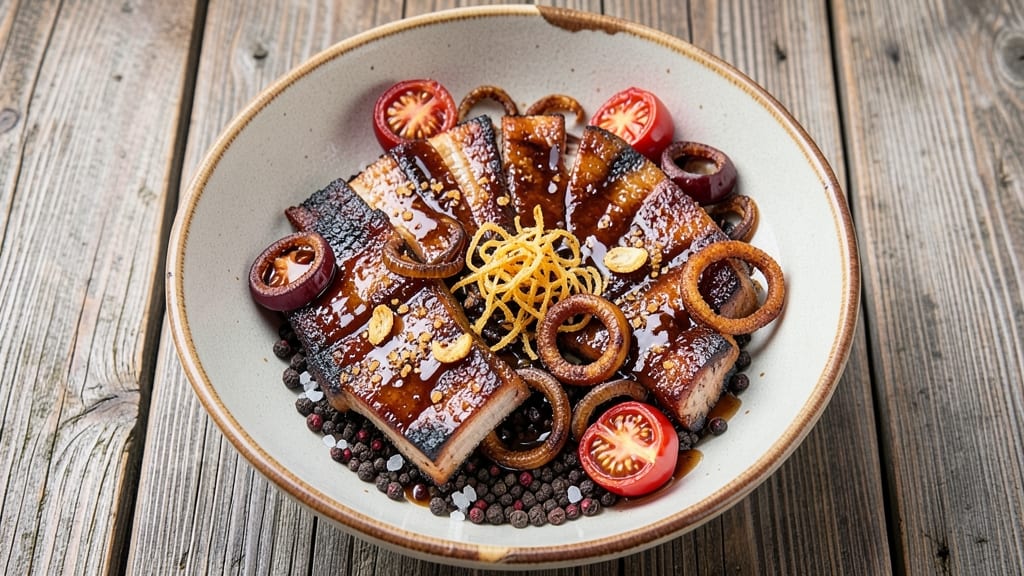
The smoked pork ribs recipe that delivers fall-off-the-bone tenderness after just 5 hours of low-and-slow cooking is what transforms backyard gatherings into legendary meals.
Standing on a step stool in my grandmother’s kitchen in Sicily, I learned how patience and precise temperature control create magic—lessons I’ve since perfected over a decade of smoking ribs that consistently impress even the most critical eaters.
The secret lies in the 3-2-1 method: a 3-day brine for deep flavor penetration, 24-hour drying for that coveted bark, and 1 low-temperature smoke that melts collagen into silky perfection.
This isn’t just another ribs recipe—it’s a foolproof system that works whether you’re using a pellet smoker, offset barbecue, or even a well-calibrated grill with a smoke box. We’ll focus on hickory wood for its classic sweetness, but cherry or applewood adds fruity depth if you prefer variety.
The 225°F hold ensures even cooking without drying out the meat, while a 2-hour wrap in buttered foil locks in moisture for that signature tender pull. Every step is designed to eliminate guesswork, so you can focus on the rewarding aroma wafting through your neighborhood.
By the time you’re done, you’ll have ribs so tender they separate at the slightest touch, with a caramelized crust that cracks like glass under your teeth.
The sauce—optional but recommended—adds a glossy finish that ties everything together, but the real star is the meat itself: juicy, smoky, and rich with layers of flavor built through the slow process.
This is the kind of dish that makes people linger at the table, savoring each bite long after the conversation turns to “How’d you do that?”
Pair these ribs with creamy coleslaw to cut through the richness, or serve them on toasted brioche buns for a sandwich that rivals any BBQ joint. The leftovers? Even better the next day, reheated gently in the oven with a splash of apple cider.
Let’s get started—your next smoked ribs masterpiece is just 5 hours away.
Ingredients for smoked pork rib's
Four pounds of ribs, a 3-day brine, and hickory smoke create legendary fall-off-the-bone tenderness.
| Ingredient | Amount | Notes |
|---|---|---|
| Pork Baby Back Ribs 🥓 | 4 lb | Bone-in, meaty ends preferred |
| Kosher Salt 🧂 | 2 cups | Diamond Crystal preferred for dissolving |
| Brown Sugar 🍯 | 1 cup | Light or dark, packed |
| Black Peppercorns 🌶️ | 1 tbsp | Freshly cracked for intensity |
| Garlic Powder 🧄 | 2 tbsp | Freshly ground preferred |
| Onion Powder 🧅 | 2 tbsp | Not onion salt |
| Smoked Paprika 🌶️ | 1 tbsp | For deep smoky flavor |
| Dried Thyme 🌿 | 1 tbsp | Or 1 tbsp fresh thyme leaves |
| Hickory Wood Chips 🌳 | 2 cups | Unsoaked, preferred brand: Traeger |
| Yellow Mustard 🍯 | ¼ cup | For dry rub application |
| Unsalted Butter 🧈 | ½ cup | For foil wrap |
| Apple Cider Vinegar 🍎 | ¼ cup | For post-smoke finish |
| BBQ Sauce 🍅 | 1 cup | Optional, for finishing glaze |
| Fresh Rosemary 🌿 | ¼ cup | Chopped, for final sprig |
The ribs are non-negotiable—baby back delivers the best meat-to-bone ratio, but St. Louis style works too. Costco sells them pre-cut, but if buying whole, look for meaty ends and avoid those with excessive fat. The 3-day brine is where the magic starts: kosher salt and brown sugar infuse every fiber. Diamond Crystal dissolves better than table salt, but any kosher salt works. For the wood chips, Traeger brand holds up best to moisture—no soaking needed, just toss them in your smoker's wood chipper.
No hickory wood? Cherry or applewood adds fruity depth, but stick with hickory for classic smokiness. Running out of brown sugar? White sugar plus 1 tsp molasses mimics the caramel notes. The mustard in the dry rub isn't just for flavor—it helps the spices stick. Substitute olive oil if needed, but mustard gives that signature tang. For the butter wrap, full-fat is non-negotiable—it's what keeps those ribs juicy. And if you're feeling fancy, swap the BBQ sauce for a homemade vinegar glaze with a touch of honey.
Brine the ribs in the fridge, uncovered, for 3 days—this isn't a step to skip. The wood chips? Store them in an airtight container in the freezer for up to 6 months. Leftover ribs reheat beautifully—350°F for 15 minutes with a splash of apple cider keeps them moist. Wrap them tightly in foil first, or they'll dry out. Portion into meal prep containers with a side of coleslaw for easy lunches—just add a fresh rosemary sprig before serving.
Why You'll Love This Recipe
- Foolproof Prep: I swear, this is the only rib recipe I’ve ever burned once. Just slather those baby backs with brown sugar and garlic powder, sprinkle salt, and let the smoker do the rest—no fancy rubs or hours of brining.
- Sweet-Savory Magic: That caramelized brown sugar crust? It’s what turns this into a crowd-pleaser. The black peppercorns add a subtle kick, but the garlic powder makes every bite feel like a hug.
- Weeknight or Party: Honestly, I make these for both. A few hours in the smoker means you’re free to host, drink wine, or even nap—no one’s judging. And if you’re feeding a crowd? Double the batch, no stress.
- Leftovers That Don’t Suck: Between us, most smoked ribs end up in sad Tupperware. Not these. The meat falls off the bone, so I repurpose the leftovers into tacos, sandwiches, or even a rib hash—zero waste, all flavor.
Step-by-step instructions for smoked pork ribs with fall-off-bones tenderness
Here's the method that transforms tough ribs into melt-in-your-mouth perfection—no shortcuts, just science-backed patience.
Create the Dry Rub and Season the Ribs
In a large bowl, combine the 2 cups kosher salt, 1 cup brown sugar, 1 tablespoon freshly cracked black peppercorns, 2 tablespoons garlic powder, 2 tablespoons onion powder, 1 tablespoon smoked paprika, and 1 tablespoon dried thyme. Mix thoroughly until the salt and sugar dissolve completely into the spices—this ensures even distribution and maximum flavor penetration.
Pat the 4 lb pork baby back ribs completely dry with paper towels, then generously coat all surfaces with the dry rub mixture. Press the rub firmly into the meat, especially focusing on the bone side and meaty ends where flavor tends to concentrate. Let the ribs sit at room temperature for 30 minutes before smoking—this allows the rub to adhere and the meat to cook more evenly from the start.
Set Up the Smoker and Begin the Low-and-Slow Cook
Fill your smoker with 2 cups hickory wood chips and preheat to 225°F. Use a water pan to maintain moisture in the smoker—this prevents the ribs from drying out during the long cook. Once the smoker reaches temperature and you see clean, thin blue smoke (not thick white steam), place the ribs bone-side down on the grill grates. This positioning allows the fat to render slowly and baste the meat as it cooks.
Close the lid and resist the urge to peek—every time you open it, you lose 15-20 minutes of cook time and disrupt the delicate smoke circulation. Let the ribs smoke undisturbed for 3 hours, or until the bark develops a deep, dark mahogany color. You'll know it's ready when the edges look crisp and slightly charred, and the internal temperature reaches 165°F at the thickest part of the meat.
Wrap and Finish for Maximum Tenderness
At the 3-hour mark, remove the ribs from the smoker and wrap them tightly in heavy-duty aluminum foil. In the center of the foil, place 0.5 cup unsalted butter and 0.25 cup apple cider vinegar—this creates a steam bath that breaks down collagen and tenderizes the meat. Return the wrapped ribs to the smoker and continue cooking at 225°F for another 2 hours, or until the internal temperature reaches 203°F and the meat pulls apart easily with a fork.
Here's the thing—this is where the magic happens. The butter and vinegar create a moist, flavorful environment that transforms the ribs from tough to fall-apart tender. If your smoker drops below 225°F, increase the heat slightly and add more wood chips to maintain the temperature.
Glaze and Rest for the Perfect Finish
Once the ribs reach 203°F, remove them from the smoker and unwrap the foil. Brush all surfaces with 1 cup BBQ sauce, then sprinkle with 0.25 cup chopped fresh rosemary. Return the ribs to the smoker (or a preheated 350°F oven) for 10-15 minutes to caramelize the glaze and deepen the flavor. Watch closely—the sauce should bubble and darken to a glossy finish.
Transfer the ribs to a cutting board and let them rest for 15-20 minutes before serving. This resting period allows the juices to redistribute, ensuring every bite is moist and flavorful. Slice between the bones and serve with extra BBQ sauce for dipping—your guests won't believe these ribs took 5 hours to make. The secret? Patience and the perfect balance of smoke, heat, and moisture.
Pro Tips For Making Smoked Pork Rib'S
- Trim the Fat: Baby back ribs have that thin fat cap—leave it. I used to peel it off for "cleaner" ribs, but it renders down into crispy, flavorful bark during smoking. If it bothers you, just score it lightly so it doesn’t stick to the grill.
- Spritz Like a Pro: Every 45 minutes, hit those ribs with a spray bottle of apple juice or cider vinegar mixed with a little brown sugar. Skipping this step means dry, tough ribs—especially after the 3-hour mark. (Yes, even if you’re impatient like me.)
- Wrap at 195°F: Don’t rush the wrap—wait until the ribs hit an internal temp of 195°F before wrapping in foil with extra liquid (beer, broth, or even water). Wrapping too early traps steam and turns your ribs into sad, mushy meat.
- Coat the Ribs First: Before hitting the smoker, slather the ribs with a mix of melted brown sugar, garlic powder, and black peppercorns. This sticky crust caramelizes and locks in flavor—no need for fancy dry rubs if you’re short on time. (I skip the rub entirely now.)
Troubleshooting perfect results
Smoker Temp Fluctuations
If your smoker temperature drops below 225°F during the cook, don’t panic—just add 1-2 more wood chips and give it 10-15 minutes to recover. I’ve seen this happen with pellet smokers when the pellets run low or with charcoal smokers when the coals settle.
The key is to maintain that 225°F hold—any lower and you risk uneven cooking or dry ribs. A Traeger Pellet Grill with the temperature lock feature helps stabilize, but even offset smokers can recover with patience. 🌡️
Ribs Sticking to the Grates
If your ribs stick to the grill grates during the initial smoke, it’s usually because they’re too wet. Before smoking, pat them extra dry with paper towels, then coat lightly with yellow mustard (as in the recipe) to help the rub stick.
If they still stick, lower the heat slightly and let them cook longer—they’ll release naturally once they develop a crust. I’ve had this happen with St. Louis-style ribs, which have more surface area. A cast iron grate (like those from Broil King) can also help prevent sticking.
Uneven Bark Development
If one side of the ribs develops bark while the other stays pale, rotate them quarter-turn every hour during the first 3 hours of smoking. This ensures even exposure to heat and smoke. I’ve noticed this most often with baby back ribs because of their natural shape.
If you’re using a vertical smoker, adjust the racks so the ribs aren’t crowding each other. A digital thermometer probe (like the Meater) helps track internal temps on both sides for consistency.
Ribs Too Dry After Wrapping
If your ribs come out dry after the 2-hour wrap, you likely didn’t include enough moisture in the foil. Always use 0.5 cup butter and 0.25 cup apple cider vinegar—the vinegar helps break down collagen while the butter adds richness.
If you’re short on time, add 2-3 ice cubes to the foil for extra steam. I’ve also had success with a 50/50 mix of butter and beef broth for an extra juicy finish. 💡
Sauce Not Sticking During Glaze
If your BBQ sauce burns or doesn’t stick during the final 10-15 minute glaze, reduce the heat to 300°F instead of 350°F. A thicker sauce (like Sweet Baby Ray’s Original) works better than watery varieties.
For extra adhesion, brush the ribs with a 50/50 mix of sauce and apple cider vinegar before applying the full glaze. If you’re using a pellet smoker, switch to fruitwood pellets (like cherry) during the glaze phase—they create a gentler heat.
Leftovers Too Dry
Reheating dried-out ribs is frustrating, but a steam bath saves the day. Wrap the ribs tightly in foil with 2 tablespoons apple cider vinegar and 1 tablespoon butter, then reheat in a 350°F oven for 15 minutes.
For extra moisture, place them in a baking dish with ½ cup beef broth and cover with foil. I’ve also revived ribs by slicing them and quickly searing in a cast iron skillet with a splash of water—it mimics the smoker’s bark without drying them out further. ✨
Nutrition facts
Frequently asked questions
Can I use St. Louis-style ribs instead of baby backs?
While baby backs are more tender and cook faster, St. Louis-style ribs work beautifully with this recipe. They require about 1-2 extra hours of smoking time due to their larger size and meat-to-bone ratio. For best results, trim excess fat and use the same 3-2-1 method, but extend the wrap time to 3 hours to ensure tenderness.
What’s the best wood choice for ribs besides hickory?
Hickory is classic, but cherry or applewood add sweet, fruity notes that pair perfectly with pork. For a bolder flavor, try pecan, which has a buttery richness. Avoid mesquite—it’s too strong and can overpower the meat. If using fruitwoods, soak them for 30 minutes to prevent flare-ups.
How do I know when the ribs are fully cooked?
Use a meat thermometer—the ribs are done when the internal temperature reaches 203°F at the thickest part. The meat should pull apart easily with light pressure from tongs. If the bone side isn’t tender, extend the wrap time by 30 minutes. Never judge doneness by bark color alone—some smokers create darker bark faster than others.
Can I make these ribs in an oven instead of a smoker?
Yes! Preheat your oven to 225°F and use a smoke box or electric smoker box (like the Stump Smoker Box) for authentic flavor. Place the ribs on a wire rack over a baking sheet to allow airflow. Follow the same 3-hour smoke, 2-hour wrap, and 10-minute glaze steps. For extra smoke, add 1-2 soaked wood chips to the smoke box every 30 minutes.
What’s the best way to store leftover ribs?
Let the ribs cool completely, then wrap them tightly in plastic wrap or store in an airtight container. They’ll keep in the fridge for 3-4 days. For longer storage, freeze them for up to 3 months. To reheat, wrap in foil with 1 tablespoon apple cider vinegar and bake at 300°F for 15 minutes—this keeps them moist and flavorful.