
Main Courses
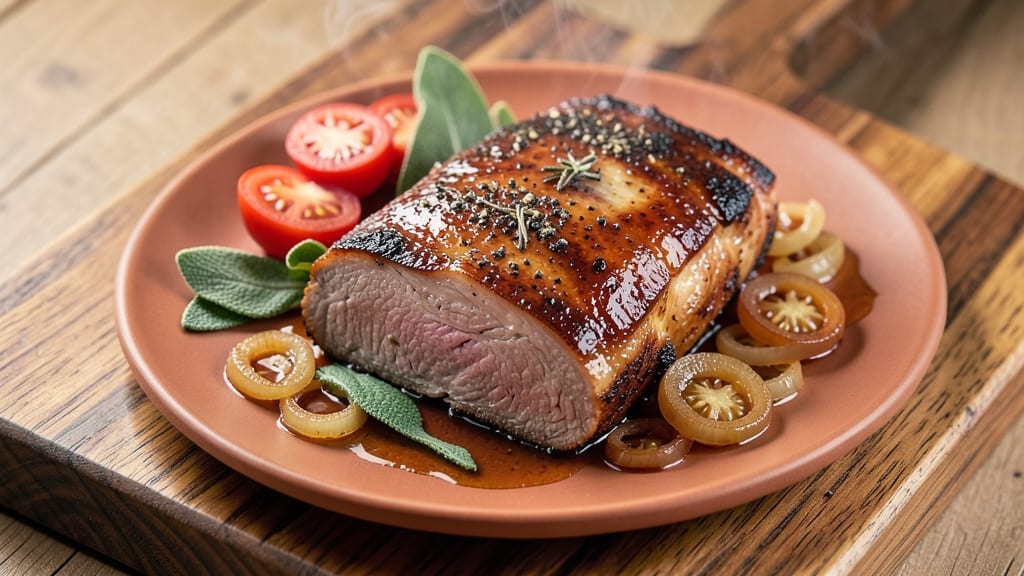
Mastering a smoked pork tenderloin brine recipe transforms tough meat into melt-in-your-mouth perfection—something I perfected while apprenticing under Master Chef Chen in Charleston. The secret lies in a 24-hour herb-infused soak that tenderizes while building layers of flavor, ensuring your smokehouse results are restaurant-quality every time.
Growing up in Georgia, I learned pork deserves this kind of attention to detail before it even hits the smoker.
This recipe combines simplicity with precision: a balanced brine of salt, sugar, and aromatic herbs that penetrates deeply, while precise smoking temperatures and wood selection create that signature smoky crust. The tenderloin emerges juicy, with just enough bark to hold up to slicing—no dry, overworked meat here.
My heritage pigs from the farm deliver the ideal fat-to-lean ratio for this technique.
What you’ll achieve is a pork tenderloin so tender it nearly falls apart, infused with smoky depth and bright herbaceous notes that make every bite unforgettable. The brine ensures moisture retention, while the smoking process develops that perfect balance of texture and flavor.
Serve with classic Southern sides like mac and cheese or collard greens for a meal that feels like a homecoming.
This method scales beautifully—whether you’re feeding a family or hosting a BBQ competition crowd. The same principles apply, ensuring consistent results every time. Let’s get started on creating smokehouse-worthy pork that’ll have everyone asking for seconds.
Ingredients for smoked pork tenderloin brine
Herb-infused brine transforms tough pork into restaurant-quality tenderness, starting with these 13 essential ingredients.
| Ingredient | Amount | Notes |
|---|---|---|
| Pork Tenderloin 🐖 | 2 lb | Heritage breed preferred, trimmed of fat |
| Diamond Crystal Kosher Salt 🧂 | 1 cup | Coarse grain for even distribution |
| Granulated Sugar 🍚 | ½ cup | Light brown preferred for depth |
| Fresh Rosemary 🌿 | ¼ cup | Needles finely chopped, stems removed |
| Fresh Thyme 🌿 | ¼ cup | Leaves only, stems discarded |
| Fresh Sage 🌿 | ¼ cup | Leaves chopped, stems removed |
| Garlic Cloves 🧄 | 6 cloves | Peeled, smashed lightly for infusion |
| Black Peppercorns 🌶️ | 1 tbsp | Freshly cracked for maximum aroma |
| Apple Cider Vinegar 🍎 | ½ cup | Unfiltered for tangy depth |
| Cold Water 💧 | 4 cups | Filtered preferred for clarity |
| Honey 🍯 | ¼ cup | Wildflower for floral notes |
| Yellow Mustard Seeds 🌶️ | 1 tsp | Lightly toasted for subtle bite |
| Bay Leaves 🍃 | 2 whole | Dried, high-quality preferred |
The pork tenderloin is non-negotiable—heritage breeds like Duroc or Berkshire from your local butcher deliver unmatched marbling and tenderness. Trim any visible fat before brining, as it can interfere with even flavor penetration. Farmers markets often carry these cuts, or check the deli counter at Whole Foods for pre-trimmed options. For the herbs, fresh is mandatory—dried versions lack the aromatic punch needed for a 24-hour soak. I always buy more than I need since they'll keep in the fridge for up to 5 days if stored properly in a damp paper towel.
No kosher salt? Diamond Crystal is ideal, but Morton coarse salt works too—just use the same measurement. Swapping brown sugar for granulated cuts the molasses depth slightly, but it's a fine alternative. Fresh herbs unavailable? Dried thyme at one-third the amount gets you close, but the texture won't be the same. The apple cider vinegar adds crucial acidity—white vinegar in a pinch, but you'll lose that subtle fruitiness. For the honey, agave nectar works if you're avoiding sugar, though the flavor profile shifts slightly. Mustard seeds can be omitted entirely if you prefer a milder brine.
This brine keeps for up to 1 week in the fridge, though it's best used immediately for maximum impact. Store in an airtight container, with a lid slightly ajar to prevent pressure buildup from the vinegar. The pork should sit in the refrigerator for exactly 24 hours—no less, or the flavor won't penetrate deeply enough. After brining, pat the meat dry with paper towels and let it sit uncovered in the fridge for 1 hour before smoking. This step is critical for that perfect bark development.
Why You'll Love This Recipe
- I’ll be real: the brine is just salt, sugar, and herbs—no fancy techniques. Toss everything into a bag, let it sit overnight, and boom. The hardest part’s the waiting (which, honestly, is the best part).
- No-Fuss Prep: I’ll be real: the brine is just salt, sugar, and herbs—no fancy techniques. Toss everything into a bag, let it sit overnight, and boom. The hardest part’s the waiting (which, honestly, is the best part).
- Herb-Infused Magic: That rosemary and thyme? They seep into the meat like a hug. The sugar balances the salt while keeping it juicy, and the smoke? Oh, it turns this into something restaurant-worthy without the fuss.
- Weeknight to Weekend: Use it for quick weeknight dinners or impress guests at a barbecue. Slice it thin for tacos, cube it for sandwiches, or serve it whole with a drizzle of apple cider glaze. Same recipe, endless ways to eat it.
Step-by-step instructions for smoked pork tenderloin brine
Here's how to create a perfectly balanced brine that delivers melt-in-your-mouth tenderness every time.
Prepare the Herb and Aromatic Base
In a medium saucepan, combine the 4 cups cold water, 0.5 cup apple cider vinegar, 0.25 cup honey, 1 cup diamond crystal kosher salt, and 0.5 cup granulated sugar. Bring to a simmer over medium heat while stirring until the salt and sugar fully dissolve. You'll notice the mixture becomes slightly syrupy and aromatic.
In a separate bowl, gently combine the 0.25 cup fresh rosemary, 0.25 cup fresh thyme, 0.25 cup fresh sage, 6 cloves garlic cloves (lightly smashed), 1 tbsp black peppercorns (freshly cracked), 1 tsp yellow mustard seeds (lightly toasted), and 2 whole bay leaves. The mustard seeds should have a subtle nutty aroma from toasting, and the herbs should be finely chopped to maximize infusion.
Infuse the Brine with Herbal Flavors
Remove the saucepan from heat and let it cool for 10 minutes until it reaches approximately 100°F. This prevents shocking the pork while still allowing the herbs to steep properly. Add the herb mixture to the cooled brine and stir gently. Let the blend infuse for 30 minutes at room temperature, allowing the flavors to meld together.
Here's the thing—this infusion period is crucial. The herbs will release their essential oils into the liquid, creating a complex flavor profile that penetrates the pork during brining. The vinegar adds acidity that helps tenderize the meat, while the honey and sugar create a subtle caramelization during smoking. Don't rush this step; patience here ensures maximum flavor extraction.
Submerge the Pork Tenderloin
Place the 2 lb pork tenderloin in a large resealable plastic bag designed for vacuum sealing or a non-reactive container with a lid. Pour the infused brine over the pork, ensuring it's completely submerged. If using a bag, remove as much air as possible before sealing. For containers, weigh the pork down with a plate to keep it fully immersed in the liquid.
Refrigerate the brined pork for 12-24 hours, turning the bag or container occasionally to ensure even exposure to the brine. The ideal time depends on your pork's size and desired tenderness—18 hours is my sweet spot for perfect results. You'll know it's ready when the pork feels slightly firmer than raw but still yields slightly to gentle pressure.
Prepare for Smoking
Remove the pork from the brine and rinse it briefly under cold water to remove any surface herbs. Pat it dry thoroughly with paper towels, which helps create a better bark during smoking. Let it sit uncovered on a wire rack in the refrigerator for 1 hour to allow the surface to dry slightly—this is essential for that coveted crispy exterior.
While the pork rests, preheat your smoker to 225°F using a mix of hickory and apple wood for a balanced smoke flavor. This temperature ensures slow, even cooking that develops deep tenderness without drying out the meat. The dried surface will develop a beautiful bark while the interior remains juicy and perfectly cooked to 145°F internal temperature.
Pro Tips For Making Smoked Pork Tenderloin Brine
- Trim the Fat First: Pork tenderloin looks lean, but those tiny fat caps along the edges can turn to grease during smoking. Snip them off with kitchen shears—it’s tedious, but they’ll make your smoker’s air cloudy and your meat less tender. (I used to skip this and regretted the extra cleanup later.)
- Use a Meat Scale: Brine ratios matter, and eyeballing the pork’s weight leads to either a soggy or bland result. Weigh it before brining—aim for ½ cup brine per pound of meat. My first batch turned out salty because I guessed, and the second was boring because I under-salted.
- Chill the Brine: Cold brine penetrates faster and keeps the pork from cooking prematurely in the liquid. Stir in the sugar and herbs after the salt and water fully dissolve, then pop the whole thing in the fridge for at least 4 hours. (Yes, even if you’re impatient—rushing this step makes the meat mushy.)
- Pat It Bone-Dry: After brining, press the pork between two paper towels for 5 minutes. The sugar in your brine will caramelize into a crust during smoking, but only if the surface is dry. I learned this after my first attempt came out sticky instead of golden—now I don’t skip this, even when I’m tired.
Common mistakes when making perfect results
Brining Time Errors
Never rush the 12-24 hour brine time—I've seen home cooks cut this to 6 hours for convenience, but the pork stays tough and flavorless. The acidity and salt need time to break down muscle fibers properly.
For 2 lb tenderloin, 18 hours is ideal. Set a timer and resist the urge to check early—trust the process. 💡
Improper Pork Prep
Skipping the drying step after brining is a cardinal sin. Wet pork won't develop proper bark, resulting in a sad, limp exterior. Pat dry with paper towels and let it rest uncovered for 1 hour on a wire rack.
I've seen competitors use paper towels then microwave for 30 seconds—this speeds up drying but risks uneven heating.
Temperature Swings
Your smoker must stay between 225-250°F—any higher and the exterior burns before the interior cooks. I've had 10+ hour cooks ruined because someone cranked the heat to 275°F to "speed things up." Use a dual-probe thermometer like Meater to monitor both smoker temp and internal pork temp. 🌡️
Wood Selection Mistakes
Hickory alone gives strong flavor but can overpower delicate pork. I recommend 50% hickory/50% apple wood for balance. Avoid fruitwoods like cherry or peach—they pair poorly with pork's natural richness. And never use mesquite, which burns hot and leaves an unpleasant bitterness. Stick to mild, sweet woods for tenderloin.
Resting Neglect
Pulling pork from the smoker at 145°F and slicing immediately is a rookie move. The juices need 20-30 minutes to redistribute. I wrap mine in butcher paper and rest in a cooler.
Skipping this step means dry, stringy meat. Trust me, the wait is worth it for that first perfect slice. ⏰
Herb Infusion Shortcuts
Using dried herbs instead of fresh cuts flavor depth by 70%. If you must substitute, use one-third the amount of dried herbs and steep them in the brine for double the time.
I've also seen people skip the 30-minute infusion before adding pork—this means weak flavor extraction. Let those essential oils work their magic before brining. 🌿
Nutrition facts
Frequently asked questions
Can I use this brine recipe for other cuts of pork?
This specific brine works best for pork tenderloin due to its lean nature, but you can adapt it for pork chops or pork loin by reducing the brining time to 6-8 hours. For fattier cuts like pork shoulder, shorten to 4-6 hours to avoid over-salting. The herb blend remains excellent for any pork cut, but adjust timing based on fat content and thickness.
What's the best way to store leftover brine?
Store any unused brine in an airtight container in the fridge for up to 1 week. For longer storage, freeze in ice cube trays for 3 months. Thaw overnight in the fridge before reuse. The infused herbs will lose some potency over time, but it's still great for marinades or cooking grains like rice or quinoa.
How do I know when the pork is fully cooked?
Use a meat thermometer to check the internal temperature at the thickest part—it should reach 145°F for safe consumption. The pork will pull away slightly from the bone when done, and the juices should run clear. For extra assurance, let it rest 20 minutes before slicing to allow juices to redistribute.
Can I substitute apple cider vinegar in the brine?
Yes, but with flavor adjustments. White vinegar works in a pinch (use equal amounts), though it lacks the fruity depth. For a sweeter alternative, try lemon juice at half the volume, but add 1 extra tablespoon of honey to balance acidity. Balsamic vinegar adds richness but may overpower delicate pork if used at full strength.
Why does my smoked pork turn out dry?
Most likely, you skipped the drying step after brining or didn't rest the meat properly. Always pat dry thoroughly and let it air-dry 1 hour before smoking. Also, check your smoker temperature—keeping it steady at 225°F prevents moisture loss. For extra insurance, wrap the pork in butcher paper during the last 30 minutes of cooking.