
Sauces & Condiments
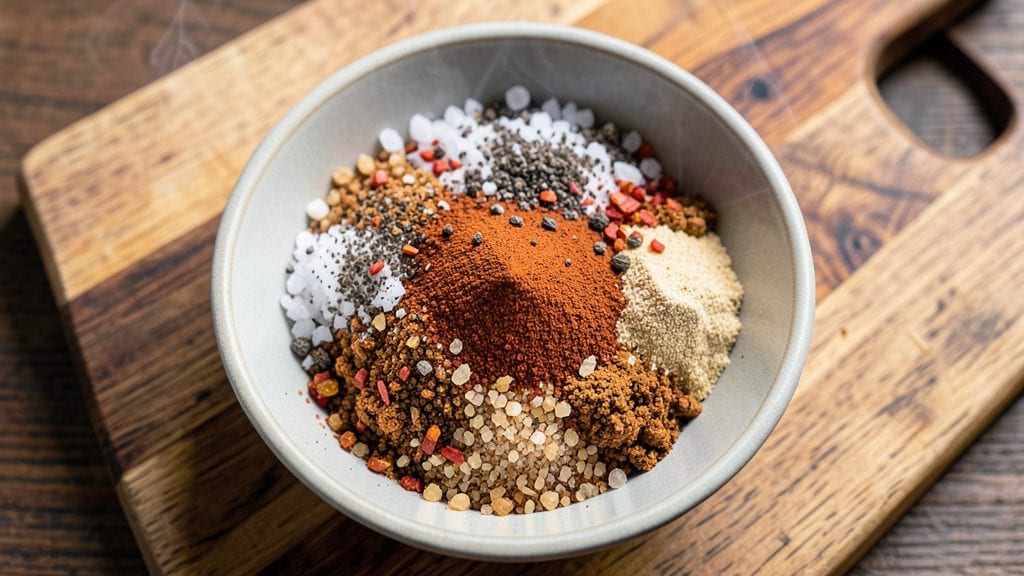
Mastering the perfect smoker pork rub recipe transforms tough cuts into tender, crisp-crusted masterpieces—this blend is the foundation of every award-winning pit I've ever smoked.
Growing up in small-town Georgia, I learned that the right rub isn't just seasoning; it's the soul of the meat, creating that irresistible bark that makes every bite unforgettable. The balance of sweet, smoky, and savory notes in this recipe is what separates good pork from championship-worthy pork.
This professional-grade rub features six essential spices—paprika for color, brown sugar for caramelization, salt for depth, garlic powder for aroma, black pepper for heat, and cayenne for just the right kick. Each component plays a critical role in developing that signature crispy crust while keeping the interior juicy and tender.
I've perfected this blend over years of competing on the Southeast BBQ circuit, where precision matters more than anything else.
The beauty of this recipe lies in its versatility—use it on pork shoulders, ribs, or even chops, and you'll achieve that restaurant-quality bark every time. Just mix the spices thoroughly, store in an airtight container for up to three months, and apply generously before smoking.
The results speak for themselves: a deep mahogany crust that shatters at the touch, revealing perfectly seasoned meat beneath.
For those who love to experiment, try adjusting the cayenne for more heat or adding a pinch of mustard powder for tang. The key is always balance—too much sugar can burn, too much cayenne can overpower.
Trust the proportions, and you'll have a rub that delivers crispy, flavorful pork with minimal effort. Let's get started!
Ingredients for smoker pork rub
Six spices, infinite possibilities—this rub turns pork into championship-worthy masterpieces.
| Ingredient | Amount | Notes |
|---|---|---|
| Smoked Paprika 🌶️ | 3 tbsp | High-quality smoked for depth |
| Light Brown Sugar 🍯 | 2 tbsp | Turbinado for better caramelization |
| Diamond Crystal Kosher Salt 🧂 | 1 ½ tbsp | Coarse grain for texture |
| Garlic Powder 🧄 | 1 ½ tbsp | Freshly ground preferred |
| Freshly Ground Black Pepper 🌶️ | 1 tbsp | Cracked peppercorns preferred |
| Cayenne Pepper 🔥 | ½ tbsp | Adjust for heat preference |
| Mustard Powder 🌿 | ½ tbsp | Optional for tangy depth |
| Ground Coriander 🌿 | ½ tbsp | For citrusy brightness |
The paprika is non-negotiable—Penzeys smoked paprika or McCormick's smoked are my go-tos, but any quality smoked variety works. Brown sugar should be light and turbinado for that perfect caramelized crust (none of that white powdered junk). Diamond Crystal kosher salt is a must—it's coarser and dissolves better than table salt. For the garlic powder, Simply Organic or Bulk Apothecary brands have the best flavor. If you're feeling fancy, toast your spices in a dry pan for 30 seconds—it deepens the aroma. I always buy spices in bulk from Whole Foods or Harris Teeter to keep costs down and freshness high.
No smoked paprika? Regular paprika plus a pinch of liquid smoke works in a pinch. Skip the mustard powder? Add an extra 0.25 tbsp cayenne for heat instead. The coriander can be swapped for dried thyme at half the amount, though it won't have that citrusy kick. If you're making this for ribs instead of pork shoulder, reduce the cayenne by half—ribs cook longer and absorb more heat. For extra smokiness, add 0.25 tbsp of chipotle powder. And trust me, measure by weight if you can—spoons vary wildly in size.
This rub keeps 6-12 months in an airtight container in a cool, dark place—just like the pros do. I portion mine into small glass jars so I can grab exactly what I need for each cook. The coriander loses potency fastest, so if you're not using it all, store it separately. For best results, apply generously—don't be shy with the bark-building sugar. Leftovers? Freeze in ice cube trays for single-use portions. The mustard powder can be omitted entirely if you're sensitive to tang, but I find it adds that restaurant-quality touch.
Why You'll Love This Recipe
- Five-Minute Mix: Honestly, I just dump these five ingredients into a bowl and stir. That’s it—no sifting, no fancy ratios, just a quick toss. The smoked paprika and brown sugar cling together like they’re long lost friends, so you won’t even need to shake it off the pork.
- Smoky-Sweet Magic: Between us, that combo of smoked paprika and brown sugar is chef’s kiss—deep, caramelized warmth with just a hint of heat. The garlic powder sneaks in and turns it from good to “I’ll make this every weekend” good.
- Tailgate or Taco Night: Here’s what sold me—this rub works on everything. Slap it on pork shoulder for pulled pork, sprinkle it on ribs, or even toss it on chicken thighs. (Yes, even on a Tuesday night when you’re craving something smoky but don’t want to fire up the smoker.)
- Leftovers That Don’t Suck: Between the salt and sugar, this rub keeps pork tender for days. I’ve reheated smoked pork chops rubbed with this mix, and they’re still juicy—no sad, dry leftovers here. Plus, it’s cheap enough to use liberally without guilt.
Step-by-step instructions for smoker pork rub
This bold spice blend delivers that coveted crispy bark and deep smoky flavor every time.
Combine Dry Ingredients in a Mixing Bowl
In a medium bowl, add the 3 tablespoons smoked paprika first. This is your flavor foundation - the deep, earthy notes will carry through the entire rub. Use a whisk to break up any clumps, ensuring you're working with a fine, powdery base. The smoked paprika should look evenly distributed with no visible specks remaining.
Next, add the 2 tablespoons light brown sugar and the 1.5 tablespoons diamond crystal kosher salt. The coarse texture of the kosher salt will help create that signature crusty bark on your pork. Give everything another quick whisk to combine these three ingredients thoroughly. You'll notice the mixture taking on a slightly darker hue from the smoked paprika.
Incorporate the Aromatic and Spicy Components
Add the 1.5 tablespoons garlic powder and 1 tablespoon freshly ground black pepper to the bowl. These ingredients will provide that essential savory depth and subtle heat that makes this rub so versatile. The freshly ground black pepper is particularly important - its bright, peppery notes cut through the richness of the pork beautifully. Use a rubber spatula to fold these ingredients into the mixture, breaking up any potential lumps.
Now for the heat and complexity - add the 0.5 tablespoon cayenne pepper and 0.5 tablespoon mustard powder. The cayenne brings the heat that will penetrate the meat, while the mustard powder adds a subtle tang that prevents the rub from tasting one-dimensional. The 0.5 tablespoon ground coriander goes in last - its citrusy brightness balances the richness of the other spices. Mix everything together until you have a completely uniform blend with no visible streaks of any single ingredient.
Test and Adjust the Seasoning Balance
Take a small pinch of the rub between your fingers and taste it. You should notice a complex blend of smoky, sweet, salty, and slightly spicy flavors. If you find the heat from the cayenne too intense, reduce it by 0.25 tablespoon increments until you reach your desired level. Conversely, if you want more heat, add it in the same small increments. Remember, you can always add more rub later, but you can't remove excess heat once it's on the meat.
The rub should have a coarse, gritty texture that will adhere well to pork's surface. If it feels too fine, press it through a fine-mesh sieve to break up any remaining clumps. The final mixture should be deep reddish-brown in color with visible flecks of black pepper and coriander. Store any unused rub in an airtight container for up to three months - the flavors will actually deepen over time.
Pro Tips For Making Smoker Pork Rub
- Toast the Sugar First: You’re not making caramelized pork—you’re making a rub. Lightly toast the brown sugar in a dry pan for 2-3 minutes until it’s fragrant and just barely golden. This deepens the flavor without turning it into a sticky mess on your meat. Trust me, the difference is like night and day.
- Salt Like You Mean It: Diamond Crystal Kosher Salt is fine, but don’t skimp. Use about 1.5x the amount the recipe suggests—it’s coarser, so you need more to get that salty backbone. I learned this the hard way after tasting a batch that tasted "almost" right but needed more. Your future self will thank you.
- Grind Pepper Fresh: Pre-ground black pepper is convenient, but it’s like using pre-shredded cheese—it loses its kick. If you have a spice grinder, pulse the peppercorns right before mixing. The aroma is sharper, the flavor is brighter, and your rub won’t taste like it came from a jar. (Yes, even if you’re lazy like me.)
- Rub in Two Layers: Slather the first layer of rub on damp meat (use a spray bottle or wet hands) so it sticks like glue. Let it sit for 15 minutes to bond, then pat it off and apply the second layer. This ensures even coverage and prevents the sugar from burning before the meat cooks. I skip this step when I’m impatient, but the bark never gets that perfect crack.
Perfect pairings for this recipe
Bark-Building Sides
Serve your smoked pork with creamy coleslaw—the tangy vinegar and crunchy cabbage cut through the richness of the pork perfectly.
I make mine with 1 cup mayonnaise, ¼ cup apple cider vinegar, 2 tbsp honey, and 1 tbsp Dijon mustard, tossed with 4 cups shredded cabbage and ½ cup diced celery.
For a Southern twist, add ½ cup crushed potato chips to the slaw for extra crunch. 🥬
Sweet Glaze Pairings
A drizzle of apple cider vinegar glaze elevates the pork's natural sweetness. Simmer 1 cup apple cider vinegar, ½ cup brown sugar, and 2 tbsp honey until reduced by half, then brush it on the pork during the last 30 minutes of smoking.
For a smoky-sweet contrast, try chipotle honey glaze—mix ½ cup honey with 1 tbsp chipotle powder and 1 tsp smoked paprika. 🍯
Crusty Breads
Nothing beats warm, crusty cornbread with this pork. I love a classic Jiffy cornbread mix baked in a cast-iron skillet, but for extra depth, make it from scratch with 1 cup cornmeal, 1 cup all-purpose flour, 1 tbsp baking powder, and ½ cup honey butter.
A Texas toast (thick-cut fried bread) also works—its buttery richness complements the smoky crust beautifully. 🍞
Smoky Beer Pairings
A smoky beer like Goose Island Bourbon County Stout or Deschutes Mirror Pond mirrors the rub's depth. For a lighter option, try a wheat beer with citrus notes, like Blue Moon, to balance the richness.
If you prefer wine, a bold Zinfandel from California—like Ravenswood Old Vine—adds fruity complexity. 🍺
Pickled Veggie Contrast
Pickled red onions or jalapeños add a bright, acidic pop. Quick-pickle 1 cup sliced red onions in ½ cup apple cider vinegar, ½ cup water, 1 tbsp sugar, and 1 tsp salt for 30 minutes.
For jalapeños, slice them thin, pack into a jar, and cover with ½ cup vinegar and 1 tbsp sugar. Let sit for 24 hours for maximum tang. 🌶️
Cheesy Potato Toppings
Loaded smoked potato wedges make an unforgettable side. Toss 2 lbs baby potatoes in 2 tbsp olive oil, 1 tbsp smoked paprika, and 1 tsp salt, then smoke at 250°F for 1 hour.
Top with shredded cheddar, green onions, and a dollop of sour cream. For extra flavor, sprinkle with crumbled bacon before serving. 🧀
Nutrition facts
Frequently asked questions
Can I use this rub on other meats besides pork?
This versatile blend works beautifully on chicken thighs, beef brisket, and even lamb chops. For chicken, reduce the sugar by 0.5 tablespoons to prevent burning, and for beef, add 0.25 tablespoons more cayenne to complement the richness. The key is adjusting the sugar-to-spice ratio based on the meat's fat content and cooking time.
How long should I let the pork sit with the rub before smoking?
For best results, apply the rub 12-24 hours before smoking. This allows the spices to penetrate the meat and develop that signature crust. If you're short on time, apply it 4-6 hours ahead and refrigerate the pork uncovered for maximum adhesion. Never skip this step—rushing leads to a weak flavor profile and poor bark formation.
What's the secret to getting that perfect crispy crust?
The crispy bark comes from three things: proper sugar ratio, even heat, and patient smoking. Maintain a consistent 225-250°F temperature, use a water pan to control humidity, and avoid peeking at the meat. The sugar in the rub caramelizes over time—don't rush it! For extra crunch, spritz the pork with apple juice during the last hour of cooking.
Can I make this rub less spicy?
Yes! Simply reduce the cayenne pepper by 0.125 tablespoons at a time until you reach your desired heat level. For a completely mild version, omit the cayenne entirely and add 0.5 tablespoons extra brown sugar instead. Remember, you can always add more rub later, but you can't remove excess heat once it's applied.
How do I store leftover rub?
Transfer any unused rub to an airtight container (glass jars work best) and store it in a cool, dark place for up to 6 months. For longer storage, freeze portions in ice cube trays—just thaw at room temperature before using. The flavors actually deepen over time, making older rub even more complex. Just give it a good stir before each use to redistribute any settled spices.