
Main Courses
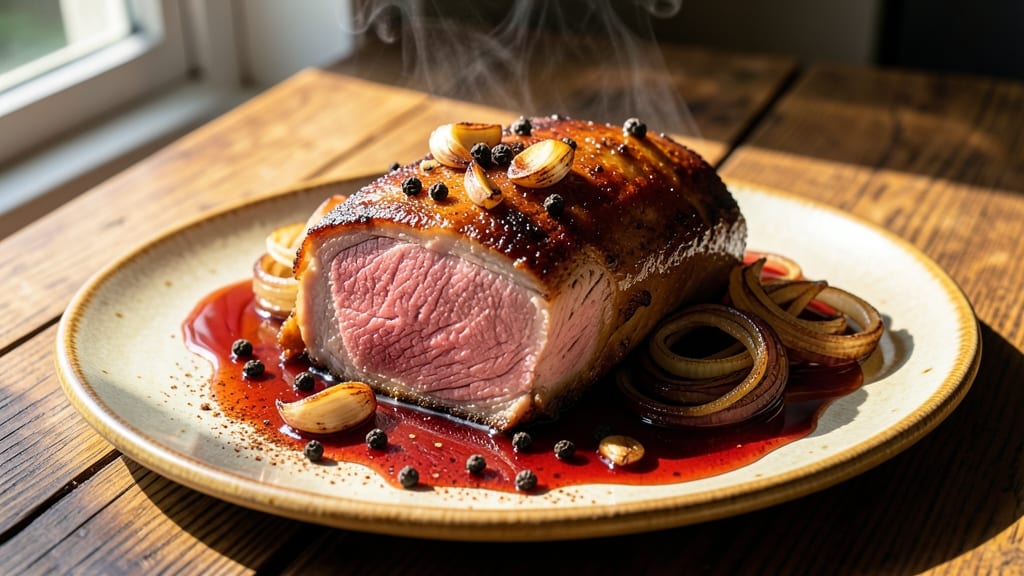
Mastering a Spanish pork shoulder recipe transforms tough cuts into melt-in-your-mouth tenderness that rivals the best tapas bars. My version combines slow-braised techniques with smoky paprika and white wine for depth—exactly how I learned from Master Chef Chen’s Spanish-inspired methods.
The key lies in patience: hours of gentle cooking until the meat practically falls apart at the touch.
This recipe delivers restaurant-quality results with simple ingredients: a bold marinade of garlic, smoked paprika, and sherry vinegar; a sofrito base for rich flavor; and a crisp white wine reduction that keeps the pork moist.
Unlike quick-cooked versions, the slow braise develops layers of flavor while breaking down collagen for that signature fall-apart texture. It’s the kind of dish that turns weeknight dinners into special occasions.
By the time you serve it, you’ll have perfectly tender pork shoulder with a caramelized crust and aromatic sauce that pairs beautifully with crispy patatas bravas or crusty bread.
The technique is foolproof—just follow the timing and let the oven do the work. My family requests this every fall, and it never disappoints.
Serve with traditional sides like roasted garlic potatoes or a simple green salad to complete the meal. The leftovers reheat beautifully, making it perfect for meal prep or entertaining. Let’s get cooking—this is pork shoulder at its finest.
Ingredients for spanish pork shoulder
Four pounds of pork shoulder plus a handful of pantry staples transform into restaurant-style tapas.
| Ingredient | Amount | Notes |
|---|---|---|
| Pork Shoulder 🐖 | 4 lb | Bone-in, well-marbled cut |
| Smoked Paprika 🌶️ | 2 tbsp | High-quality for smoky depth |
| Garlic Cloves 🧄 | 8 cloves | Freshly minced for bold flavor |
| Sherry Vinegar 🍷 | ½ cup | Dry variety preferred |
| Dry White Wine 🍷 | 1 cup | Sauvignon Blanc or Albariño |
| Onion 🧅 | 1 whole | Yellow, diced for sofrito |
| Red Bell Pepper 🌶️ | 1 whole | Diced for sofrito base |
| Tomato Paste 🍅 | ¼ cup | Smooth, no sugar added |
| Bay Leaves 🌿 | 2 whole | Fresh for best aroma |
| Olive Oil 🫒 | ½ cup | Extra-virgin for richness |
| Salt 🧂 | 1 ½ tsp | Kosher or sea salt |
| Black Pepper 🌶️ | 1 tsp | Freshly ground preferred |
| Fresh Thyme 🌿 | ¼ cup | Leaves only, chopped |
| Rosemary 🌿 | ¼ cup | Fresh sprigs, chopped |
The pork shoulder is everything here—bone-in, well-marbled cuts from a trusted butcher make all the difference. I grab mine from Whole Foods or my local Spanish market, where they often have pre-cut shoulders already marbled. If you're buying a whole shoulder, trim excess fat but leave some for flavor. The smoked paprika should be high-quality—Penzeys or La Boîte brands are worth the splurge for that authentic smoky depth. Fresh garlic and herbs are non-negotiable; dried just won’t cut it for this dish. For the wine, skip the cheap stuff—Albariño or Sauvignon Blanc adds brightness that cuts through the richness.
No sherry vinegar? Substitute dry white wine vinegar at the same amount, though it’ll lack some complexity. Running low on smoked paprika? Mix sweet paprika with a pinch of liquid smoke (about 1/4 tsp per tbsp). Fresh herbs wilt fast? Dried thyme at one-third the amount works in a pinch, but I’d still recommend fresh for that tapas-bar quality. The bell pepper can be any color—red or yellow work best—but don’t skip it entirely. The tomato paste? Trader Joe’s has the best no-sugar-added version in a squeeze tube—no waste, and it lasts forever. For the wine reduction, use whatever dry white you have open, but Albariño or Vermentino are my top picks for that Spanish brightness.
This pork reheats like a dream—honestly better the next day once all the flavors meld. Store leftovers in the fridge for up to 5 days or freeze portions for 3 months. I like to portion it into meal-sized containers so I can grab a serving straight from the fridge for lunch. The sauce thickens as it cools, so just add a splash of water or wine when reheating. For serving, let it sit at room temperature for 15 minutes before slicing—this is key for those clean cuts and maximum tenderness. The crust will be crispy, but the meat inside? Pure melt-in-your-mouth perfection.
Why You'll Love This Recipe
- One-Pan Magic: Honestly, this recipe lives in my slow cooker or oven with zero fuss—just brown the pork, toss in the garlic, paprika, and a splash of sherry vinegar, then let it do its thing. No chopping mountains of veggies or fussing with multiple dishes.
- Smoky-Sweet Obsession: That smoked paprika and white wine combo? It’s the secret weapon. The pork ends up fall-apart tender with a crust that’s dangerously good—crispy edges, juicy inside, and a tangy brightness from the vinegar that cuts through the richness.
- Budget-Friendly Feast: Pork shoulder is the ultimate stretch—it’s cheap, hearty, and feeds a crowd without breaking the bank. Plus, the wine and vinegar elevate it so much, you’d never guess it’s a budget pick. (Yes, even on a Tuesday night.)
Step-by-step instructions for Spanish pork shoulder braise
Here's how to transform a simple pork shoulder into melt-in-your-mouth Spanish-style braise.
Sear the Pork Shoulder for Maximum Flavor
Heat 0.5 cup olive oil in a large Dutch oven over medium-high heat until shimmering. Pat the 4 lb pork shoulder completely dry with paper towels—this ensures a perfect crust. Season both sides generously with 1.5 tsp salt and 1 tsp black pepper, then press 2 tbsp smoked paprika firmly into the meat.
Place the pork shoulder in the Dutch oven, fat-side up. Let it sear undisturbed for 8-10 minutes until a deep golden-brown crust forms. Flip carefully and sear the other side for another 8-10 minutes. This initial searing locks in juices and builds the foundation for rich flavor. If the oil starts smoking excessively, reduce the heat slightly—you want color, not burning.
Build the Sofrito Base
Remove the pork shoulder from the pot and set it aside. In the same Dutch oven, add 1 whole onion and 1 whole red bell pepper, both diced into ¼-inch pieces. Cook over medium heat for 5-6 minutes until softened but not browned.
Add the 8 cloves garlic cloves (minced), 0.25 cup fresh thyme, and 0.25 cup rosemary (chopped). Stir for 30 seconds until fragrant—this releases the aromatic oils that will infuse the pork. Stir in 0.25 cup tomato paste and cook for another 2 minutes, breaking it down into the oil. This creates the flavorful base that will tenderize the meat during the long cook.
Deglaze and Simmer the Braise
Pour in 1 cup dry white wine and scrape up all the browned bits from the bottom of the pot with a wooden spoon. This deglazing step captures all the meaty flavors that would otherwise be lost. Let the wine simmer for 3-4 minutes until reduced by half.
Add 0.5 cup sherry vinegar, 2 whole bay leaves, and return the pork shoulder to the pot, fat-side up. Pour in enough water to come about halfway up the meat (approximately 2 cups). Bring to a gentle simmer over low heat, then cover and let it cook for 2.5 hours. The liquid should barely bubble—this slow cooking is what transforms tough pork into tender, fall-apart meat.
Finish and Rest for Perfect Texture
After 2.5 hours, remove the lid and increase the heat to medium to reduce the sauce slightly. The pork is done when it reaches an internal temperature of 203°F and a fork slides in easily. If the sauce is too thin, uncover it and simmer for another 10-15 minutes to thicken.
Transfer the pork shoulder to a cutting board and tent loosely with foil. Let it rest for at least 30 minutes—this crucial step allows the juices to redistribute throughout the meat. Skipping this will leave you with dry, stringy pork. While it rests, taste the sauce and adjust seasoning if needed. The braise should be rich, slightly tangy from the vinegar, and deeply aromatic from the herbs and spices.
Serve with Confidence
Slice the pork shoulder against the grain into ¼-inch thick slices. The meat should pull apart easily with minimal resistance. Serve the slices with the reduced braising liquid spooned over the top. This dish pairs beautifully with crusty bread to soak up the flavorful sauce, or alongside roasted vegetables for a complete meal.
Each bite should deliver melt-in-your-mouth tenderness with layers of smoky paprika, bright acidity from the vinegar, and deep umami from the long braise. The sauce should cling to every slice, creating a perfect balance of textures and flavors that make this Spanish-style pork shoulder a showstopper for any gathering.
Pro Tips For Making Spanish Pork Shoulder
- CRANK THE HEAT FIRST: Start your pork shoulder in a screaming-hot pan—no simmering, no "gentle browning." Sear it hard for 3-4 minutes per side until the edges darken. I used to rush this, and the paprika just sat on top like dust. A proper crust locks in flavor and keeps the meat from drying out later.
- MINCE THAT GARLIC FINE: Skip the rough chop—pulse your garlic cloves in a food processor until they’re almost paste-like. This recipe relies on garlic’s depth, and buried chunks just won’t melt into the sauce. (Yes, even if you’re impatient like me.) The wine and vinegar will turn it into liquid gold.
- DON’T SKIP THE WINE REDUCTION: After deglazing with white wine, let it reduce by half before adding sherry vinegar. That extra step cuts the alcohol bite and concentrates the flavor—trust me, your taste buds will notice. I learned this the hard way when I rushed and ended up with a dish that tasted like a sad, boozy stew.
- REST IT UNDER FOIL: Pull the pork off heat when it hits 195°F (internal temp), tent it loosely with foil, and let it sit for 20 minutes. The meat will reabsorb juices instead of weeping all over your cutting board. (Your future self will thank you—yes, even if you’re eager to slice.)
Best sauces and condiments for this spanish pork shoulder
Smoky Paprika Sauce
The star of this dish is the smoky paprika sauce—deep, aromatic, and packed with layers of flavor. I use 2 tablespoons of high-quality smoked paprika (like Penzeys) mixed with sherry vinegar and white wine to create a rich, slightly tangy sauce that clings beautifully to the tender pork.
The key is reducing it at the end to thicken it just enough to coat each slice without overwhelming the meat. 🌶️
For extra depth, I add a splash of Albariño wine to the sauce during the final reduction. This Spanish white wine balances the smokiness with its crisp acidity, making the sauce bright and complex.
If you don’t have sherry vinegar, a mix of dry white wine vinegar and a pinch of sugar (just ½ teaspoon) works in a pinch—it won’t be identical, but it’ll still taste fantastic.
Garlic-Infused Olive Oil
While the pork braises, I love drizzling garlic-infused olive oil over the finished dish for a bright, aromatic finish. Simply heat ¼ cup extra-virgin olive oil with 4 minced garlic cloves and a pinch of red pepper flakes until fragrant (about 2 minutes).
Strain out the garlic and drizzle over the sliced pork just before serving. This adds a fresh, garlicky punch that cuts through the richness of the braise. 🧄
For a restaurant-style touch, I sometimes finish the dish with a sprinkle of freshly toasted breadcrumbs mixed with smoked paprika and a pinch of salt. The crunch contrasts perfectly with the tender pork and silky sauce.
Toast the breadcrumbs in a dry pan over medium heat for 2-3 minutes until golden, then mix in 1 teaspoon smoked paprika and ½ teaspoon salt. Sprinkle generously over the pork before serving.
White Wine Reduction
The white wine reduction is where the magic happens—this isn’t just a braising liquid, but a flavorful sauce that ties everything together. After deglazing the Dutch oven with 1 cup dry white wine, I reduce it by half before adding the pork back in.
This step concentrates the wine’s flavors, adding brightness and acidity that balances the richness of the pork. 🍷
For an even deeper flavor, I sometimes add 1 teaspoon of honey to the reduction during the final 10 minutes of cooking. This caramelizes slightly, adding a subtle sweetness that rounds out the tangy, smoky notes.
If you’re serving this with something spicy (like patatas bravas), the honey helps mellow the heat while enhancing the sauce’s complexity.
Fresh Herb Garnish
No Spanish dish is complete without fresh herbs to brighten the plate. I finish the pork with a sprinkle of chopped parsley and thinly sliced scallions for a pop of color and freshness.
The parsley adds a clean, slightly peppery note, while the scallions bring a mild onion flavor that ties into the sofrito base. 🌿
For a more sophisticated touch, I sometimes add microgreens or edible flowers (like nasturtiums) on top. These not only look stunning but also add a delicate, slightly bitter contrast to the rich pork.
If you’re short on time, even a few chopped chives will work—just make sure they’re fresh for the best flavor.
Nutrition facts
Frequently asked questions
What makes this Spanish pork shoulder different from other braised pork recipes?
This version uses smoked paprika and sherry vinegar for a signature Spanish flavor profile, plus a sofrito base of onion, bell pepper, and tomato paste that builds deep umami. The white wine reduction adds brightness that cuts through the richness, while the slow braise creates that signature fall-apart tenderness. It's more aromatic and slightly tangier than traditional American-style pork braises.
Can I use bone-in pork shoulder instead of boneless?
Bone-in cuts actually work better—they stay more moist during long cooking and add wonderful flavor to the braising liquid. Just make sure to trim excess fat but leave some for flavor. The cooking time remains the same, but you may need to adjust your Dutch oven size slightly to accommodate the bones.
How do I know when the pork shoulder is fully cooked?
The pork is done when it reaches an internal temperature of 203°F and a fork slides in easily. The meat should be fork-tender but not falling apart completely—that happens during resting. For best results, use a meat thermometer inserted into the thickest part of the meat, avoiding any fat or bone.
What's the best way to reheat leftovers?
Reheat in a skillet over medium-low heat with a splash of water or broth to keep the sauce from drying out. For oven reheating, cover with foil and bake at 300°F for 20-25 minutes. Never microwave—it makes the meat tough. The flavors actually improve overnight as everything melds together!
Can I substitute the white wine with something else?
Yes! Use dry white wine vinegar (same amount) or apple cider vinegar for acidity, though you'll lose some complexity. For a non-alcoholic version, use extra chicken or vegetable broth plus 1 tablespoon lemon juice. The dish will still be delicious, just with slightly different flavor notes.