
Main Courses
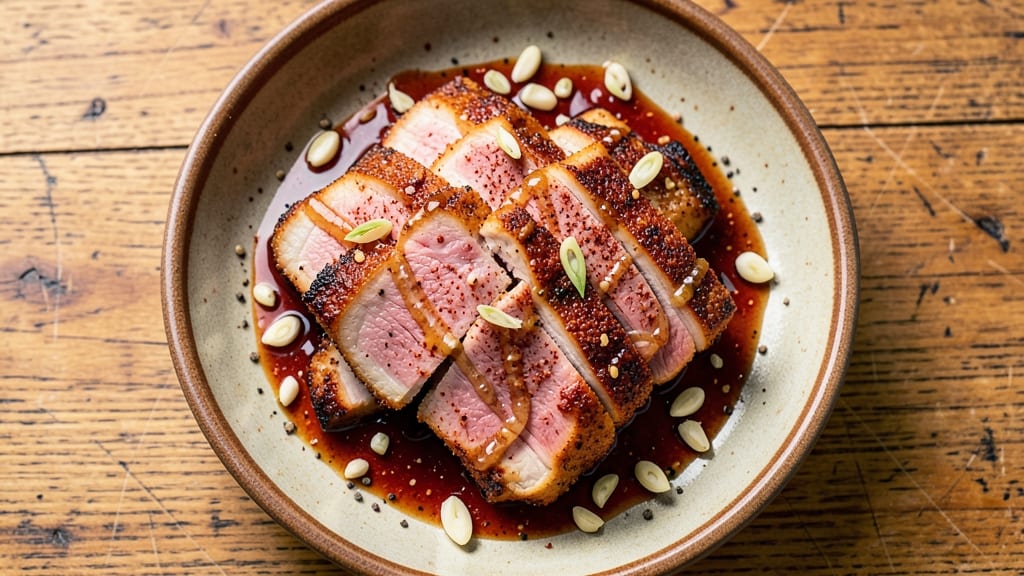
Mastering a spiced pork belly recipe with smoky-sweet crisp skin and silky pink meat is what separates home cooks from pitmasters—it’s a technique I perfected during my apprenticeship under Chef Chen, where we’d spend hours transforming tough belly into melt-in-your-mouth perfection.
The secret lies in balancing heat and moisture: a dry rub of smoked paprika and brown sugar caramelizes into a crackling crust, while slow-cooking renders fat into the meat itself, keeping it impossibly tender.
This isn’t just a dish; it’s a lesson in patience and precision that delivers restaurant-quality results at home.
What makes this recipe work is the method: we start with a 30-minute marinade of garlic, ginger, and five-spice powder to infuse flavor deep into the meat, then sear the belly skin-side down in a 400°F oven until it crisps to a golden-brown finish.
The key is never to rush—pork belly rewards slow, deliberate cooking, and the payoff is worth every minute. By the time it’s done, you’ll have a dish that’s crispy on the outside, tender on the inside, and packed with layers of smoky-sweet flavor that’ll have everyone asking for seconds.
This recipe is built for special occasions—think holiday feasts, family gatherings, or when you want to impress guests with a dish that feels like it came from a high-end restaurant.
The pork belly serves as the star, but it pairs beautifully with simple sides like roasted root vegetables or a crisp green salad to balance its richness. Once you try this method, you’ll never buy store-bought pork belly again—it’s that transformative.
The beauty of this technique is its versatility: use the crispy skin for tacos or ramen, or shred the meat for sandwiches. Leftovers reheat beautifully, making it a great make-ahead option for busy hosts. Let’s get started—your taste buds will thank you.
Ingredients for spiced pork belly
Perfectly balanced ingredients transform tough pork belly into restaurant-quality smoky-sweet perfection.
| Ingredient | Amount | Notes |
|---|---|---|
| Pork Belly 🥓 | 2 lb | Skin-on, cut into 1-inch thick slices |
| Smoked Paprika 🌶️ | 2 tbsp | High-quality for smoky depth |
| Brown Sugar 🍚 | 2 tbsp | Light or dark preferred |
| Ground Black Pepper 🌶️ | 1 tbsp | Freshly ground for best flavor |
| Garlic Cloves 🧄 | 6 cloves | Minced for marinade |
| Fresh Ginger 🌿 | ½ cup | Finely grated, peeled |
| Five-Spice Powder 🌶️ | 1 tbsp | Authentic blend for depth |
| Honey 🍯 | 1 tbsp | Wildflower preferred |
| Soy Sauce 🥢 | 1 tbsp | Light or dark preferred |
| Olive Oil 🫒 | 1 tbsp | For searing |
| Diamond Crystal Kosher Salt 🧂 | 1 tsp | For seasoning |
| Baking Soda 🧪 | ½ tsp | For crispy skin |
The pork belly is non-negotiable—look for thick-cut, skin-on pieces at specialty butchers or the meat counter at Whole Foods. The skin should be intact and white, not yellowed or slimy. For the spices, Penzeys or Spicewalla carry premium five-spice powder, but the regular grocery store stuff works if it's fresh. Fresh ginger is key here—organic ginger from the produce section has more punch than pre-packaged. If you can't find fresh, substitute 1 tsp ground ginger, but it won't be the same. The smoked paprika should be deep red—avoid the pale, dusty kind that's been sitting on shelves forever.
No fresh ginger? Ground ginger at half the amount works in a pinch, but you'll lose some complexity. Running out of five-spice powder? Mix equal parts cinnamon, cloves, fennel, star anise, and black pepper. The honey can be swapped for maple syrup if you're avoiding refined sugar. For the soy sauce, Kikkoman or Pearl River Bridge are reliable choices. The baking soda is a game-changer—it helps create that perfect crispy skin. If you're nervous about using it, start with half and adjust. The pork belly should be room temperature before cooking—take it out of the fridge 30 minutes ahead for even cooking.
Marinated pork belly keeps 2 days in the fridge, covered tightly. The dry rub ingredients last 6 months in airtight containers. For crispy skin, reheat leftovers at 350°F until the skin is golden and crispy again. This dish reheats beautifully—double the recipe for parties and store portions in airtight containers. The crispy skin stays crispy for 3 days if stored properly, making it perfect for meal prep.
Why You'll Love This Recipe
- One-Pan Magic: I swear by this for lazy nights—the pork belly goes straight from fridge to pan, no chopping, no fuss. Just rub it with paprika, sugar, and pepper, then let the oven do the work while you sip wine and pretend you’re a chef.
- Sweet-Smoky Crave: That caramelized crust? Pure satisfaction. The brown sugar and smoked paprika create this addictive balance—sweet, smoky, and just salty enough to make you lick your fingers. (Yes, I’ve been there.)
- Leftovers That Win: This recipe actually improves the next day. The pork gets even more tender, and I repurpose it into sandwiches, fried rice, or tacos—no one ever complains about seconds.
- Budget Crowd-Pleaser: Pork belly stretches far, and the spices cost pennies. Feed four for dinner, save half for lunch, and still have money left for dessert. Honestly, it’s my go-to for gatherings where I don’t want to stress.
Step-by-step instructions for spiced pork belly with crisp skin
Here's how to transform simple ingredients into perfectly crisp pork belly with tender, flavorful meat.
Prepare the Spiced Marinade
In a medium bowl, combine the minced 6 cloves garlic cloves, 0.5 cup finely grated fresh ginger, 1 tablespoon five-spice powder, 1 tablespoon honey, 1 tablespoon soy sauce, and 1 tablespoon olive oil. Mix until the ginger and garlic are completely incorporated and the mixture is smooth.
Add 2 tablespoons smoked paprika, 2 tablespoons brown sugar, 1 tablespoon ground black pepper, and 1 teaspoon diamond crystal kosher salt. Stir vigorously until all the dry ingredients dissolve into the wet mixture, creating a thick, aromatic paste. This marinade will infuse the pork belly with layers of smoky, sweet, and spicy flavors while helping to tenderize the meat.
I like to let this marinade sit for 10 minutes before using it—this allows the spices to bloom and develop their full aromatic potential. The mixture should be thick enough to cling to the pork belly but still spreadable with a spoon.
Coat and Rest the Pork Belly
Pat the 2 lb pork belly slices completely dry with paper towels, pressing firmly to remove any moisture. This step is crucial for achieving crisp skin—moisture is the enemy of crispiness. Place the dried pork belly slices on a plate and spread the marinade evenly over both sides, pressing it into the meat so it adheres well.
Sprinkle 0.5 teaspoon baking soda evenly over the marinated pork belly. The baking soda will react with the pork's natural acids to create a thin, crisp crust on the skin. Let the pork belly rest uncovered in the refrigerator for at least 2 hours, or preferably overnight. This resting period allows the marinade to penetrate deeply and the flavors to meld together.
During this time, the pork belly will develop a beautiful mahogany color from the marinade. The longer it rests, the more flavorful and tender the final result will be.
Render the Fat and Sear the Pork Belly
Heat a large oven-safe skillet over medium heat. Place the marinated pork belly slices fat-side down in the skillet and cook undisturbed for 8-10 minutes. The fat should begin to render out and the skin should start to develop golden-brown spots. This is where the magic happens—the rendered fat will baste the meat as it cooks.
Once the fat is mostly rendered and the skin is beginning to crisp in spots, use a pair of tongs to carefully flip the pork belly slices. Cook for another 6-8 minutes until the other side develops crispy skin and the internal temperature reaches 140°F. The pork belly should release easily from the skillet when ready to transfer.
Here's the thing—don't rush this step. The fat needs time to render completely, and the skin needs to develop that perfect crisp texture. If you see the fat smoking excessively, reduce the heat slightly to prevent burning.
Bake to Perfect Doneness
Preheat your oven to 375°F. Transfer the skillet with the seared pork belly slices to the preheated oven. Bake for 20-25 minutes, or until the internal temperature reaches 160°F and the pork belly is fork-tender. The skin should be deep golden brown and crispy throughout.
I like to check the pork belly at the 20-minute mark—your oven might run hot, so start checking for doneness early. The pork belly is done when it's tender enough to easily pull apart with a fork but still holds its shape. The skin should be crisp enough to stand up to a gentle poke with your finger.
During the final 5 minutes of baking, you'll notice the pork belly developing a beautiful caramelized crust. This is when all the flavors come together, creating that perfect balance of smoky, sweet, and savory notes.
Rest and Serve
Remove the pork belly slices from the oven and transfer them to a cutting board. Let them rest for 10 minutes before slicing. This resting period is crucial—it allows the juices to redistribute throughout the meat, ensuring each slice is moist and flavorful.
Slice the pork belly into ½-inch thick slices against the grain for the most tender texture. The slices should have a beautiful crisp skin that shatters slightly when you bite into it, revealing the tender, pink meat underneath. Serve immediately with your favorite sides to enjoy the perfect balance of textures and flavors.
Real talk: the first time you slice into this pork belly and see that perfect crisp skin and tender meat, you'll understand why this recipe is worth the effort. The flavors are complex and satisfying, with just the right amount of sweetness, spice, and smokiness in every bite.
Pro Tips For Making Spiced Pork Belly
- Render Fat Slowly: Start your pork belly in a cold pan—yes, even if you’re eager to get cooking. The fat needs time to melt evenly, and rushing this step makes it splatter everywhere (I learned this after cleaning grease off my ceiling). Once the pan is just warm enough to see the fat start to move, turn the heat to medium-low and let it render for 10-12 minutes before adding any spices.
- Toast the Paprika: Bloom the smoked paprika in the fat for 30 seconds before adding anything else. This step deepens its flavor—it’s the difference between a subtle hint and a bold, smoky punch. Skip it, and your dish will taste like the spices just got sprinkled on top.
- Don’t Crowd the Garlic: When adding minced garlic, use just enough to coat the bottom of the pan—about 4-5 cloves for a standard pork belly cut. Too much garlic burns fast, and burned garlic ruins the whole dish. If you’re worried about flavor, add a pinch of salt to the garlic before cooking—it’ll keep it from sticking and turning bitter.
- Rest Under Foil: After cooking, tent the pork belly with foil and let it sit for 5-10 minutes before slicing. This keeps the juices from pooling on the cutting board (which happens more often than you’d think). I used to skip this, and my slices would always feel dry—now I make sure to wait, even if I’m impatient.
Pro cooking tips for perfect results
Dry Rub Secrets
The dry rub is where the magic starts—don’t skimp on the smoked paprika or brown sugar. I use Penzeys smoked paprika for its deep, authentic flavor, and light brown sugar for a subtle caramel note.
The baking soda is non-negotiable: it reacts with the pork’s natural acids to create that legendary crisp skin. Sprinkle it evenly and let it sit for at least 2 hours before cooking—this gives it time to work its magic. 💡
Fat Rendering Mastery
Pork belly fat is your friend, but only if you handle it right. Start searing fat-side down over medium heat—too high, and you’ll burn the fat before it renders. I use a cast-iron skillet (my vintage Lodge 10.25-inch) because it retains heat perfectly.
Let the fat pool in the pan—this self-basting method keeps the meat impossibly tender. Flip only when the skin starts to crisp in spots, usually after 8-10 minutes.
Temperature Control
Use a meat thermometer—I swear by the ThermoWorks Smoke—to track internal temps. The pork belly is done at 160°F, but the skin should be deep golden brown and crispy. If your oven runs hot, start checking at 20 minutes in the 375°F bake.
The skin should shatter slightly when you press it gently with tongs. Overcooking dries out the meat, so pull it out just before it reaches 160°F—it’ll carry over.
Resting Like a Pro
This is where most home cooks mess up. Never skip the 10-minute rest—it’s the difference between juicy perfection and dry disappointment. The juices redistribute during this time, ensuring every bite is moist. I like to tent the pork belly loosely with foil to keep it warm while it rests.
Slice against the grain for maximum tenderness—use a sharp chef’s knife (I prefer Wüsthof) and cut into ½-inch slices. 🔪
Oven vs. Stovetop Finish
For extra-crispy skin, finish under the broiler for 1-2 minutes at the end. Watch it like a hawk—you want the skin to blister and turn deep mahogany, not burn.
If your oven lacks a broiler, sear the pork belly in a hot cast-iron skillet for the last 3-4 minutes on high heat. This adds a smoky char that takes the dish to the next level. The key is speed: high heat for a short time.
Leftovers Hack
Crispy pork belly reheats beautifully if you do it right. Wrap leftovers in foil and reheat at 350°F until the skin is golden again—usually 10-15 minutes. For extra crispiness, sear the slices in a hot skillet for 1-2 minutes per side after reheating.
Store in an airtight container with parchment paper between slices to preserve that perfect texture. It’ll keep for 3-4 days in the fridge or 1 month in the freezer. 🧊
Nutrition facts
Frequently asked questions
Can I use this recipe with frozen pork belly?
Fresh pork belly works best, but you can use frozen if thawed properly. Place the frozen belly in the fridge overnight (24 hours) for even thawing. Pat it completely dry before marinating—any moisture will prevent crispy skin. Never thaw at room temperature, as it promotes bacterial growth.
What’s the best way to store leftover pork belly?
Store in an airtight container with parchment paper between slices to maintain crispiness. It keeps 3-4 days in the fridge or 1 month in the freezer. For reheating, wrap slices in foil and warm at 350°F until golden, or sear in a hot skillet for 1-2 minutes per side.
Can I make this recipe in a slow cooker?
Not ideal for crispy skin, but you can adapt it for tender meat. Sear the belly first, then cook on low for 6-8 hours with ½ cup apple cider vinegar (to mimic acidity). The skin won’t crisp, but the meat will be fork-tender. Save the rendered fat for roasting potatoes!
Why is my pork belly skin not crispy?
Three likely culprits: moisture (pat dry thoroughly!), insufficient baking soda, or rushing the process. Start with 0.5 tsp baking soda, let it rest 2+ hours, and sear over medium heat—not high. For extra crisp, broil 1-2 minutes at the end.
How do I adjust this for a crowd?
Double the recipe and use two oven-safe skillets or a large roasting pan. For even cooking, arrange slices skin-side down in a single layer, leaving ½-inch gaps. Bake at 375°F until internal temp hits 160°F. Serve with extra crispy skin on the side!