
Main Courses
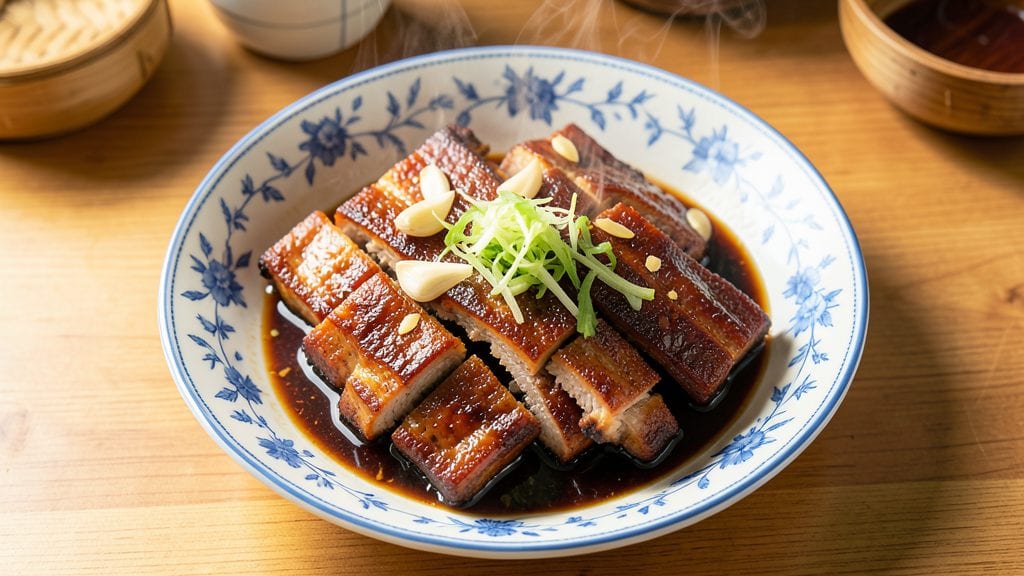
This steamed pork ribs with garlic Chinese recipe transforms tough cuts into tender, fragrant masterpieces using a simple one-pot method. The secret lies in marinating the ribs overnight with aromatic garlic and soy-based seasonings, then steaming them until they're silky and infused with flavor.
I developed this technique after years of perfecting restaurant-quality results at home, and it's now my go-to for special occasions or when I crave that authentic Chinese restaurant taste.
The beauty of this recipe is its simplicity—no complicated equipment needed, just a steamer basket or even a colander over boiling water. The ribs absorb the garlic marinade deeply, creating layers of savory depth that balance perfectly with the soy and spices.
What makes this method special is how it preserves the natural juices while breaking down the connective tissue, resulting in meat that practically melts in your mouth.
By the time you're done, you'll have ribs that are tender enough to pull apart with a fork, with a glossy sheen from the steaming process and a rich aroma that fills your kitchen.
The garlic flavor permeates every bite, creating a harmony of savory, umami, and slightly sweet notes that make this dish unforgettable. This is the kind of recipe that elevates a simple weeknight dinner into something truly special.
Whether you're serving this for a family gathering or treating yourself to a taste of home, the results are consistently impressive. The technique works equally well with spare ribs or baby back ribs, making it versatile for any occasion. Let's get started on creating your perfect steamed pork ribs.
Ingredients for steamed pork ribs with garlic chinese
Fourteen ingredients for ribs that melt like silk and smell like a Chinese restaurant.
| Ingredient | Amount | Notes |
|---|---|---|
| Pork Ribs 🍖 | 2 lb | Spare or baby back ribs, cut into 2-inch pieces |
| Garlic Cloves 🧄 | 12 cloves | Minced, fresh preferred |
| Fresh Ginger Root 🌿 | 2 tbsp | Finely grated, peeled |
| Light Soy Sauce 🍶 | ½ cup | Kikkoman preferred |
| Dark Soy Sauce 🍶 | 2 tbsp | For depth of flavor |
| Shaoxing Wine 🍷 | ½ cup | Substitute dry sherry |
| Sesame Oil 🫒 | 1 tbsp | Toasted, for aroma |
| Brown Sugar 🍚 | 2 tbsp | Light or dark |
| Green Onions 🧅 | 4 whole | Cut into 1-inch pieces |
| White Peppercorns 🌶️ | ½ tsp | Freshly ground |
| Dried Red Chili Peppers 🌶️ | 2 whole | Optional, for heat |
| Water 💧 | 2 cups | For steaming |
| Cornstarch 🌾 | 1 tbsp | For glossy finish |
| Vegetable Oil 🫒 | 1 tbsp | For searing |
The ribs are the star, so don't skimp on quality. Look for meaty spare ribs with good marbling at your local butcher or Costco—they often have them pre-cut and vacuum-sealed, which saves time. Baby back ribs work too, but spare ribs have more flavor. The garlic? Fresh is non-negotiable here—jarred minced garlic lacks that bright punch. I always grab extra because you'll want it on everything. For the ginger, young, plump roots (about 2 inches long) work best—older, woody ones are tougher to grate finely. If you can't find Shaoxing wine, dry sherry or even a splash of rice vinegar will do in a pinch, but the flavor won't be quite the same.
No light soy sauce? Use regular soy sauce plus a pinch of sugar—it's not ideal, but it works. Short on sesame oil? Swap for a teaspoon of toasted sesame seeds, but you'll lose that signature aroma. The dried chili peppers are optional, but if you love heat, remove the seeds first—they pack serious punch. For the cornstarch, arrowroot powder works too if you're out, but it won't be quite as glossy. The green onions add freshness, but if you're in a hurry, frozen chopped green onions thawed and drained will save you chopping time. And if you're feeling fancy, add a splash of Chinese black vinegar for tangy depth.
Marinate the ribs overnight for best results—they'll thank you with tender perfection. Store leftovers in an airtight container in the fridge for 3-4 days, or freeze for up to 3 months. Reheat gently in a steamer or with a splash of water in the microwave. These ribs reheat beautifully, so double the batch if you're feeding a crowd. The marinade keeps in the fridge for up to 1 week, so make extra for stir-fries or glazes.
Why You'll Love This Recipe
- Steam & Forget: I swear by this method—just toss the ribs, garlic, and ginger in a steamer basket, add the soy sauces, and walk away. No babysitting, no flipping, no stress. The ribs stay tender while the aromas fill my whole kitchen (which, honestly, is half the fun).
- Garlic-Ginger Magic: That combo of minced garlic and fresh ginger? It’s like a flavor time machine—takes me straight to my favorite Chinese takeout, but better. The dark soy gives it this deep, caramelized richness that makes every bite worth it.
- Lunchbox Hero: Between us, this is my go-to for packed lunches. Cool the ribs, slice them up, and they’re ready to go—no reheating needed. My kids eat them cold with rice, and I sneak leftovers into fried rice the next day. (Yes, even on a Tuesday night.)
- Budget Meal Maker: Pork ribs are often cheaper than chicken or beef, and this recipe stretches them far. A single batch feeds four for dinner and gives me two more meals without breaking the bank. Plus, the leftovers reheat like a dream—just a splash of water in the steamer.
Step-by-step instructions for steamed pork ribs with garlic
Here's how to create tender, fragrant ribs with perfect balance of sweet, salty, and aromatic flavors.
Prepare the Ribs and Aromatics
Cut the 2 lb pork ribs into 2-inch pieces, removing any excess silver skin for cleaner bites. In a large bowl, combine the ribs with the 12 cloves minced garlic, 2 tbsp finely grated ginger, 0.5 cup light soy sauce, 2 tbsp dark soy sauce, 0.5 cup Shaoxing wine, 2 tbsp brown sugar, and 0.5 tsp freshly ground white peppercorns. Mix thoroughly with your hands until every piece is well-coated and the marinade penetrates the meat.
Here's the thing - the marinade needs time to work its magic. Let the ribs sit at room temperature for 30 minutes while you prepare the rest. This step ensures the flavors infuse deeply and the ribs cook more evenly. If you're using the 2 whole dried red chili peppers, add them whole to the marinade for subtle heat.
Sear the Ribs for Depth of Flavor
Heat 1 tbsp vegetable oil in a large wok or deep skillet over medium-high heat until shimmering. Working in batches if needed, add the marinated ribs and sear for 2-3 minutes per side until they develop a beautiful golden-brown crust. Don't overcrowd the pan - this prevents proper browning and releases less flavor into the oil.
You'll know it's ready when the ribs release easily from the pan and have developed a rich caramelized color. Transfer the seared ribs to a plate and set aside. The residual heat will continue cooking them slightly while you prepare the steaming base. This searing step creates the Maillard reaction that builds complex flavors in your dish.
Create the Steaming Base
In the same wok, add the 4 green onions cut into 1-inch pieces and stir-fry for 30 seconds until fragrant. Pour in the 2 cups water and bring to a gentle simmer. Add the 1 tbsp toasted sesame oil and stir well to combine. The mixture should smell intensely aromatic - this is where the real magic happens for your ribs' flavor profile.
Return the seared ribs to the wok, arranging them in a single layer. The water level should come about halfway up the ribs. If needed, add a splash more water to ensure proper steaming. Bring everything to a full boil, then immediately reduce heat to medium-low, cover tightly with a lid, and let steam for 1 hour and 15 minutes.
Finish with Glossy Perfection
After steaming, carefully remove the ribs from the wok and transfer them to a serving platter. In a small bowl, whisk together the 1 tbsp cornstarch with 2 tablespoons of the steaming liquid until smooth. Pour this mixture back into the wok and bring to a gentle simmer for 2-3 minutes until the liquid thickens into a glossy sauce.
Here's where it gets fun - spoon this beautiful sauce over the ribs, allowing it to coat them evenly. The cornstarch creates that signature silky finish that makes these ribs so irresistible. Let the ribs rest for 5 minutes before serving, allowing the juices to redistribute throughout the meat.
Serve with Confidence
Garnish the steamed pork ribs with additional green onions and serve immediately while hot. The ribs should be fork-tender with a glossy sheen from the sauce, and each bite should deliver perfect harmony of sweet, salty, and aromatic flavors. The steaming method keeps the meat incredibly tender while allowing all those beautiful marinade flavors to penetrate deeply.
Real talk: these ribs taste even better the next day when the flavors have had time to meld completely. Store any leftovers in the refrigerator for up to 3 days, and simply reheat gently in a steamer or covered pan with a splash of water to maintain their moisture and tenderness.
Pro Tips For Making Steamed Pork Ribs With Garlic Chinese
- Parboil Ribs First: Skip the raw steaming—blanch the ribs in boiling water for 3-4 minutes first. This shortens cooking time later and guarantees they’ll absorb the garlic-ginger marinade instead of turning bland. (I used to skip this and ended up with tough, underflavored ribs every time.)
- Mince Ginger Fine: No big chunks—grate the ginger so fine it’s almost paste-like. This releases its heat and aroma directly into the ribs during steaming, not just sitting as a decorative garnish. (Yes, it looks weird, but it works.)
- Don’t Overcrowd the Steamer: Leave space between ribs when stacking them in the steamer basket. If they’re piled like sardines, they’ll steam unevenly—some soggy, some barely cooked. A little air circulation makes all the difference.
- Use Both Soy Sauces: Dark soy sauce adds color; light soy sauce adds depth. Mix them in a 1:2 ratio (dark to light) for that classic glossy finish and balanced umami. (I used to just grab one, and the dish never looked or tasted right.)
Common mistakes when making your steamed pork ribs with garlic chinese
Overcrowding the Steamer
One of the biggest mistakes is packing too many ribs into your steamer at once. When ribs are crowded, they won't steam evenly—the outer pieces will cook faster while the inner ones stay tough. I've learned the hard way that single-layer arrangement is key.
Use a steamer basket with enough space between pieces for steam to circulate freely. If you're using a colander over a pot, arrange ribs in a loose, even layer—no overlapping! 💫
Skipping the Sear
Many home cooks skip the searing step, thinking steaming alone will tenderize the meat. But that golden crust from searing adds depth of flavor through the Maillard reaction. I always sear my ribs first—it creates a flavor base that steaming enhances.
If you're short on time, at least pat the ribs dry before steaming to help them brown slightly from residual heat.
Incorrect Water Levels
The water level in your steamer makes all the difference. Too little water means the ribs will boil instead of steam, drying them out. Too much creates a waterlogged mess. Aim for water that reaches about halfway up the ribs when they're arranged in the steamer.
I use a 2-quart pot for this recipe, keeping the water level around 1 inch deep at the base.
Rushing the Steaming Time
Patience is crucial with steamed ribs. I've seen people pull them out too early, resulting in meat that's still chewy in the center. The 1 hour 15 minutes steaming time is non-negotiable for 2-inch rib pieces.
Use a meat thermometer—ribs are done when they reach 195°F internal temperature (the collagen has fully broken down). If your ribs aren't tender, they need more time, not higher heat.
Ignoring the Resting Period
After steaming, many people can't wait to dig in. But ribs need that 5-minute rest to let juices redistribute. I've seen ribs that were juicy when first sliced but turned dry when served immediately.
This resting time is especially important after the cornstarch glaze step—it helps the sauce set properly and keeps the meat moist.
Using the Wrong Soy Sauce
Substituting regular soy sauce for light and dark soy sauces changes the entire flavor profile. Light soy sauce provides the base saltiness, while dark soy sauce adds that rich, caramelized depth. I always use Kikkoman light soy sauce and a quality dark soy sauce like Lee Kum Kee.
If you only have regular soy sauce, mix ½ cup soy sauce with 1 tbsp brown sugar to approximate the flavor difference.
Nutrition facts
Frequently asked questions
Can I use baby back ribs instead of spare ribs?
Baby back ribs work beautifully in this recipe—they're more tender and have a milder flavor than spare ribs. Just reduce the steaming time by 10-15 minutes since they're leaner. For best results, cut them into slightly smaller 1.5-inch pieces to ensure even cooking throughout.
What if I don't have a bamboo steamer?
No problem! Use a metal steamer basket, colander, or even a large heatproof bowl that fits over a pot. The key is keeping the ribs elevated above the water. Line your steamer with parchment paper for easy cleanup, and make sure the water doesn't touch the ribs—it should only create steam.
How do I adjust the garlic flavor if I'm sensitive to it?
Start by reducing the garlic to 6-8 cloves instead of 12, or use 1 tsp garlic powder as a milder alternative. For extra depth without overpowering, try adding 1 tbsp minced shallots to the marinade—they add sweetness and aroma without the intensity of garlic.
Can I make this recipe in an Instant Pot or electric pressure cooker?
Yes, but with adjustments! First sear the ribs as directed, then add 1 cup water to your Instant Pot and place the ribs in a trivet. Steam on high pressure for 35 minutes, then quick-release. Finish with the cornstarch glaze step. The pressure method cuts cooking time significantly but may require slightly more sauce to compensate for moisture loss.
What's the best way to serve these ribs?
These ribs shine with classic Chinese sides like steamed jasmine rice, stir-fried bok choy, or cucumber salad. For extra flair, drizzle with chili oil or serve with small bowls of hoisin sauce and rice vinegar. The glossy sauce pairs perfectly with soft noodles or even as a filling for bao buns.