
Main Courses
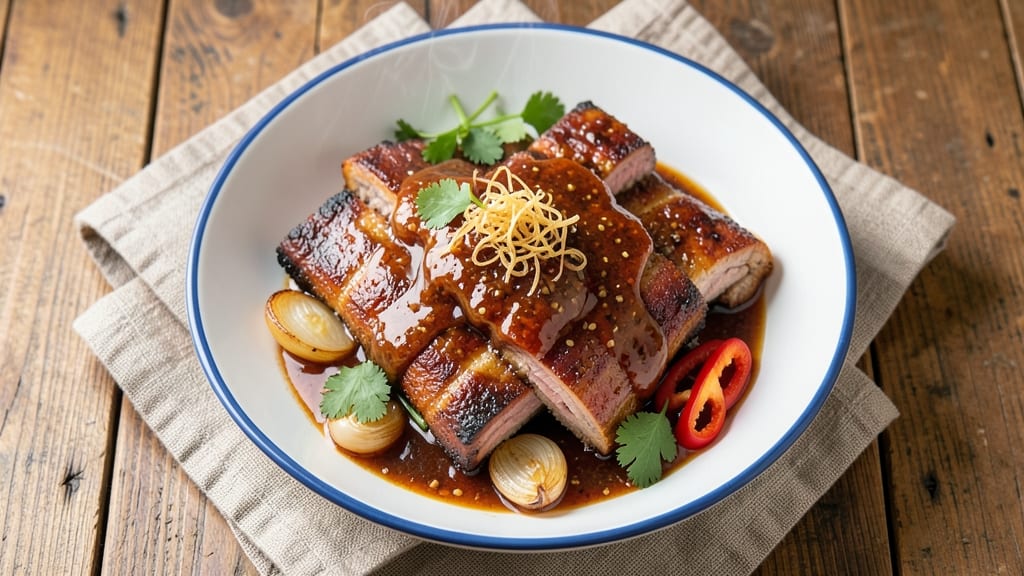
Mastering sweet and sour pork spare ribs means balancing crispy bark with a glossy, tangy glaze—something I perfected after years of testing techniques in my Atlanta kitchen.
The key lies in slow-braising the ribs until they're fork-tender, then finishing them with a quick sear to lock in moisture while building that coveted caramelized crust. This method transforms tough cuts into melt-in-your-mouth perfection that rivals any restaurant dish.
What sets this recipe apart is the dual cooking process: an initial braise in a rich soy-vinegar broth breaks down the connective tissue, while the final glaze—made with honey, rice vinegar, and a touch of chili—adds depth without overpowering the pork's natural sweetness.
The result is ribs that are tender enough to pull apart yet hold their shape, with a glaze that sticks to every surface, creating that signature sweet-and-sour contrast. Trust me, this is the kind of dish that turns weeknight dinners into memorable meals.
By the time you serve these ribs, your table will be greeted by an irresistible aroma of caramelized pork and tangy glaze, with a presentation that's as impressive as it is delicious.
The crispy edges contrast perfectly with the tender meat, and the glossy glaze catches the light, making every bite worth the effort. Pair them with jasmine rice or stir-fried bok choy to complete the experience—this is comfort food elevated to restaurant-quality standards.
Whether you're cooking for a crowd or treating yourself to a special meal, this recipe delivers results that feel professional yet are accessible for home cooks. The techniques are straightforward, but the outcome is anything but ordinary. Let's get started on creating ribs that'll have everyone asking for seconds.
Ingredients for sweet and sour pork spare ribs
Nine essential ingredients transform tough spare ribs into melt-in-your-mouth perfection with crispy bark and glossy glaze.
| Ingredient | Amount | Notes |
|---|---|---|
| Pork Spare Ribs 🍖 | 4 lb | Bone-in, trimmed of excess fat |
| Yellow Onion 🧅 | 1 whole | Chopped into 1-inch pieces |
| Garlic Cloves 🧄 | 6 cloves | Minced, fresh preferred |
| Fresh Ginger 🌿 | 2 tbsp | Finely grated, peeled |
| Soy Sauce 🍶 | ½ cup | Kosher salt-reduced preferred |
| Rice Vinegar 🍶 | ¼ cup | White, not seasoned |
| Honey 🍯 | ½ cup | Wildflower or clover preferred |
| Brown Sugar 🍚 | ¼ cup | Packed, light or dark |
| Red Chili Flakes 🌶️ | 1 tbsp | Adjust for heat preference |
| Sesame Oil 🫒 | 1 tbsp | Toasted, for aroma |
| Vegetable Oil 🫒 | ¼ cup | High smoke point for searing |
| Fresh Cilantro 🌿 | ¼ cup | Chopped, for garnish |
| Diamond Crystal Kosher Salt 🧂 | 1 ½ tsp | For seasoning and broth |
| Ground Black Pepper 🌶️ | ½ tsp | Freshly cracked |
| Water 💧 | 1 cup | For braising liquid |
The ribs are the star, so pick bone-in spare ribs—they stay juicier than back ribs. Costco or local butchers often have the best deals, but check the meat counter at Whole Foods for organic options if you prefer. Trim excess fat but leave some for flavor. For the braise, Kosher salt-reduced soy sauce keeps the dish from tasting too salty, and white rice vinegar adds tang without overpowering. The honey and brown sugar work together to create that signature caramelized glaze, while the chili flakes add just enough heat to balance the sweetness. Fresh ginger and garlic? Don't skip them—they're the secret to depth of flavor. I always grab extra ginger because it's used in so many dishes.
No fresh ginger? Ground ginger at half the amount works in a pinch, but you'll lose that bright, zesty kick. Running out of sesame oil? Toasted sesame seeds sprinkled at the end give that nutty aroma without the oil's strong flavor. Substituting brown sugar? White sugar works fine, but it won't caramelize as beautifully. For the braising liquid, if you're short on soy sauce, coconut aminos add a similar umami punch. The vegetable oil is for searing—avocado oil has a higher smoke point if you're worried about burning. And if you're serving a crowd, double the glaze ingredients—it disappears fast!
These ribs reheat beautifully—350°F for 15 minutes in the oven with a splash of water keeps them tender. Store leftovers in an airtight container for 4 days in the fridge, or freeze for 3 months wrapped tightly in foil. The glaze thickens when chilled, so reheat it gently with a splash of water. For serving, I always garnish with fresh cilantro and a drizzle of extra glaze. The ribs are best served with jasmine rice or steamed bok choy to soak up all that sticky-sweet goodness. Trust me, this dish tastes even better the next day once all the flavors meld together.
Why You'll Love This Recipe
- One-Pan Magic: I swear by this recipe when I’m too tired to wash dishes. The ribs, onions, and ginger all go in one skillet—no fancy equipment, just a little stir-fry and a splash of soy sauce to tie it all together. Honestly, the cleanup is almost as good as the meal.
- Tangy Crunch Balance: That bright, sweet-and-sour glaze cuts through the richness of the ribs like a sigh of relief. The garlic and ginger add warmth, while the crispy edges on the meat? Absolute perfection. It’s the kind of flavor that makes you want to eat it straight from the pan.
- Weeknight to Dinner Party: Between us, this recipe works for everything. Toss it together for a lazy Tuesday, or double the batch for a crowd—it’s just as welcome at a family gathering as it is on my couch with takeout chopsticks. The sauce even freezes well, so I always have backup.
- Budget-Friendly Feast: Pork ribs and onions won’t break the bank, and a little soy sauce goes a long way. I’ve fed four people for under $15 with this, and they’ve always asked for seconds. Not the prettiest dish, but the taste makes up for it every time.
Step-by-step instructions for sweet and sour pork spare ribs
Here's how to balance sticky-sweet glaze with perfectly crispy ribs—every bite delivers that satisfying contrast.
Prepare the Ribs for Maximum Crisp
Start by trimming any excess fat from the 4 lb pork spare ribs, leaving just a thin layer for flavor. Pat them completely dry with paper towels—this is non-negotiable for crispy bark. In a small bowl, mix 1.5 tsp diamond crystal kosher salt and 0.5 tsp ground black pepper, then rub this generously over all surfaces of the ribs. Let them sit uncovered on a wire rack for 30 minutes at room temperature while you prep the rest.
This drying step ensures the glaze will cling rather than steam off. I like to press the salt mixture into the meat gently with my fingertips—it helps the seasoning penetrate deeper. While the ribs rest, chop the 1 whole yellow onion into 1-inch pieces and mince the 6 cloves garlic cloves finely. Peel and grate the 2 tbsp fresh ginger, then set these aromatics aside for the braising liquid.
Build the Sweet-Sour Braising Liquid
In a large Dutch oven, heat 0.25 cup vegetable oil over medium-high heat until shimmering. Add the chopped onion and cook for 5 minutes until softened and lightly golden. Stir in the minced garlic and grated ginger, cooking for 30 seconds until fragrant—don't let the garlic burn, or it'll turn bitter. Pour in 1 cup water and scrape up any browned bits from the bottom of the pot.
Add 0.5 cup soy sauce, 0.25 cup rice vinegar, 0.5 cup honey, and 0.25 cup brown sugar, stirring until everything dissolves. The mixture should bubble gently—this is your base. Bring to a simmer, then reduce heat to low and let it cook uncovered for 10 minutes to meld the flavors. You'll see the liquid reduce slightly and develop a rich, caramelized aroma.
Braise the Ribs Until Fork-Tender
Carefully place the seasoned ribs in the Dutch oven, bone-side down, and pour the braising liquid over them. It should come about halfway up the ribs. Bring to a gentle simmer, then cover with a tight-fitting lid. The key here is patience—braise for 2 hours at 325°F, turning the ribs once after 1 hour. This slow cook ensures the connective tissue breaks down while keeping the meat tender.
Check for doneness by inserting a meat thermometer into the thickest part of a rib—it should read 203°F. If the liquid reduces too much before then, add 2-3 tablespoons water to maintain moisture. The ribs are done when they pull apart easily with two forks and the meat is fork-tender. Here's the thing—don't rush this step. The longer they braise, the more flavorful they become.
Create the Glossy Glaze and Finish
Once the ribs are tender, remove them from the pot and set aside on a plate. Place the Dutch oven back on the stovetop over medium-high heat and bring the braising liquid to a boil. Stir in 1 tbsp red chili flakes and 1 tbsp sesame oil, then simmer for 5-7 minutes until the liquid thickens into a glossy glaze. You want it to coat the back of a spoon—this is what'll give your ribs that sticky-sweet finish.
Return the ribs to the pot, spooning the glaze generously over each piece. Cover and let them sit off the heat for 10 minutes to absorb the flavors. This resting period is crucial—it allows the glaze to set and the ribs to reabsorb some of their juices. While they rest, chop the 0.25 cup fresh cilantro for garnish.
Serve with Crispy Bark and Silky Glaze
Transfer the ribs to a serving platter and let them cool for 5 minutes. The contrast is what makes this dish special—crispy edges from the braising process and a silky-sweet glaze that clings to every bite. Garnish with the chopped cilantro and serve immediately with steamed jasmine rice or roasted vegetables. Each rib should have a deep mahogany color with a glossy sheen, and the meat should pull apart easily, revealing tender, juicy layers.
For extra drama, drizzle any remaining glaze from the pot over the top. The ribs will stay moist for up to 3 days in the refrigerator, making them perfect for meal prep. If reheating, warm them in a 350°F oven for 15 minutes to restore that crispy texture.
Pro Tips For Making Sweet And Sour Pork Spare Ribs
- Blanch ribs first: Skip the dry-rub stage—drop ribs in simmering water for 5 minutes before braising. This loosens connective tissue and cuts cooking time by 30 minutes. (Yes, even if you’re impatient like me, this step actually saves you effort later.)
- Mince ginger like snow: Use a microplane or food processor for ginger—no peeling needed. Fine, wet shreds dissolve into the sauce instead of floating as chunks. I learned this the hard way after biting into a surprise ginger surprise in my ribs.
- Deglaze with soy early: After searing onions and garlic, splash in 2 tablespoons of soy sauce before adding the ribs. This builds flavor depth while the meat cooks, not just at the end. (Your future self will notice the difference.)
- Save the onion water: When dicing onions, save the knife’s last rinse water—it’s packed with soluble sugars. Add 1-2 tablespoons to the braising liquid for a subtle caramelized sweetness. (Sounds weird, but it works—trust me.)
Wine and beer pairings for these flavors
Asian-Inspired White Wine
For these sweet-and-sour ribs, I reach for a crisp Sauvignon Blanc from New Zealand—specifically, a Marlborough Sauvignon Blanc. The bright citrus notes and herbal undertones cut through the richness of the glaze while complementing the ginger and garlic in the braise.
A glass chilled to 45°F lets the wine's acidity shine, balancing the dish's sweetness. 🍷
If you prefer something lighter, a dry Riesling from Germany offers similar acidity with a touch of mineral finish. Both wines avoid overwhelming the dish's complex flavors while enhancing the meal.
I keep a bottle of Kim Crawford Sauvignon Blanc in my fridge for occasions like this—it's reliable and always delivers.
Craft Beer Pairings
A wheat beer with citrusy notes is my go-to for these ribs. I love Allagash White, a Belgian-style witbier that brings coriander and orange peel flavors to the table.
The effervescence cleanses your palate between bites of sticky glaze, while the subtle spice mirrors the chili flakes in the dish. Serve it well-chilled at 40°F for maximum refreshment. 🍺
For a darker option, try a light amber ale like Fat Tire from New Belgium. The caramel malt notes harmonize with the honey glaze, while the low bitterness prevents the dish from tasting too sweet. I often pair this with ribs when serving a crowd—it's approachable yet sophisticated.
Unexpected Pairings
Don't overlook sparkling rosé as a surprising match. A dry Provençal rosé from France brings delicate fruit flavors and a crisp finish that elevates the dish. The bubbles make each bite feel celebratory, while the pale color contrasts beautifully with the ribs' deep glaze.
I discovered this pairing at a Charleston wine festival and haven't looked back. 🥂
For a non-alcoholic option, ginger beer with a splash of lime juice mimics the dish's sweet-and-sour profile. The spicy kick from the ginger beer enhances the chili flakes in the glaze, while the citrus brightens the overall experience.
I make a batch with Fever-Tree ginger beer and fresh lime for gatherings—it's always a hit.
Pro Tips for Pairing
Always serve wine or beer slightly cooler than room temperature for these ribs. The 45°F mark for white wine and 40°F for beer enhances their refreshing qualities. I use an ice bucket with a towel to chill bottles quickly without diluting the flavors. 💡
When serving a crowd, offer both wine and beer options. I set up a small station with iced water, sparkling water with lemon, and the beer/wine choices.
This keeps everyone happy while maintaining the dish's balanced flavors. The key is letting guests explore what works best for their palate.
Nutrition facts
Frequently asked questions
Can I use baby back ribs instead of pork spare ribs for this recipe?
While you can substitute baby back ribs, they'll cook faster due to their leaner cut and smaller size. Expect a cooking time of 1.5 hours instead of 2 hours, and reduce the braising liquid by 25% since baby backs hold less moisture. The glaze will still work, but you may need to adjust the final sear time to 10 minutes instead of 15 minutes to avoid overcooking.
How do I prevent the glaze from becoming too runny?
Simmer the glaze uncovered for 5-7 minutes until it coats the back of a spoon. If it's still too thin, remove the ribs and reduce the liquid over medium-high heat for an extra 2-3 minutes. For extra insurance, mix 1 tsp cornstarch with 1 tbsp water and stir it into the glaze at the end—it'll thicken instantly.
Can I make this recipe in a slow cooker or Instant Pot?
For a slow cooker, follow the same braising steps but cook on low for 6-7 hours or high for 4-5 hours. In an Instant Pot, use the high pressure setting for 60 minutes after searing the ribs. Quick-release the pressure, then finish with the glaze on the stovetop. The Instant Pot version cuts cooking time to 90 minutes total.
What's the best way to reheat leftover ribs without drying them out?
Wrap ribs tightly in foil with a splash of water or broth, then reheat at 350°F for 15 minutes. For extra moisture, place them on a wire rack over a baking sheet to prevent sogginess. The glaze may thicken when chilled, so brush it with a little water or apple cider vinegar before reheating to restore shine. Store leftovers for 4 days in the fridge.
Why do my ribs turn out tough instead of tender?
This usually happens from overcooking or not enough liquid during braising. Keep the ribs covered with liquid (at least halfway up) and maintain a gentle simmer—not a rolling boil. Use a meat thermometer to check for 203°F internal temp. If the ribs are bone-in, they'll naturally take longer to become tender. For extra tenderness, add 1/2 cup apple juice to the braising liquid.