
Main Courses
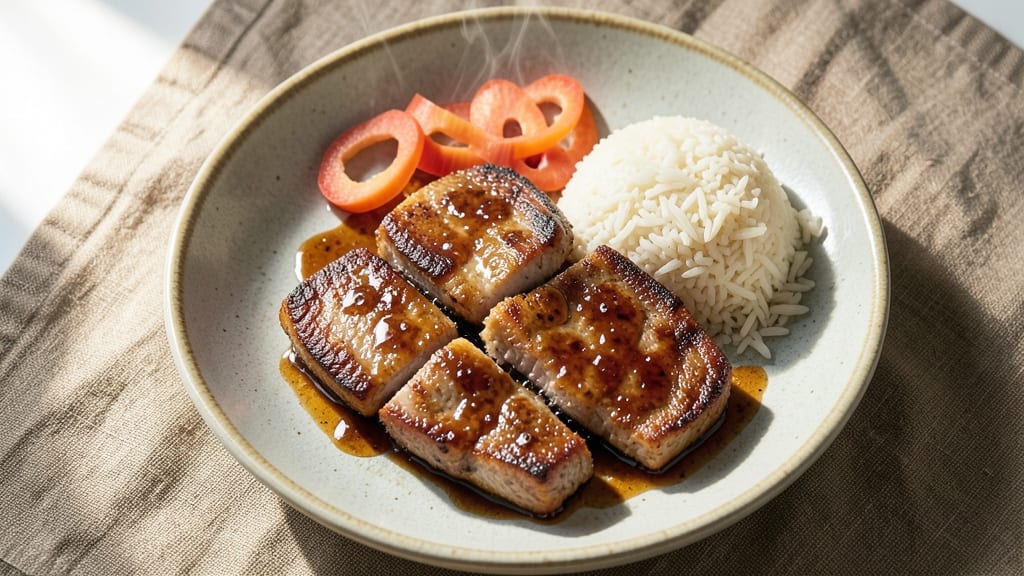
This teriyaki pork chops recipe delivers restaurant-quality results with a homemade glaze that balances sweet, savory, and umami flavors perfectly. Standing on a step stool in my grandmother’s kitchen in Sicily, I learned how marinades transform simple proteins—now I’m bringing that same precision to teriyaki.
The key lies in a slow marinade that tenderizes the meat while the sauce caramelizes into a glossy finish.
What sets this recipe apart is the dual approach: searing the chops first creates those coveted caramelized edges, while the teriyaki sauce reduces into a thick, sticky glaze that clings to every bite.
No shortcuts here—just a method that delivers foolproof results every time, whether you’re grilling outdoors or searing in a cast-iron skillet. The sauce isn’t an afterthought; it’s the star.
By the time you’re done, you’ll have pork chops with tender, juicy centers and a glossy glaze that’s sweet yet complex, thanks to soy sauce, ginger, and a touch of garlic.
The aroma alone will have everyone gathering around the table, and the first bite delivers that perfect harmony of flavors. This is comfort food elevated to something special.
Serve with steamed jasmine rice or roasted vegetables to let the teriyaki shine. The recipe scales easily for weeknight dinners or dinner parties—just double the sauce. Let’s get cooking with a dish that tastes like it came from a high-end restaurant, not your kitchen.
Ingredients for teriyaki pork chops
Pork chops marinated overnight with a sweet-savory glaze that caramelizes perfectly.
| Ingredient | Amount | Notes |
|---|---|---|
| Pork Chops (bone-in, center-cut) 🐷 | 1 ½ lb | About 1-inch thick, patted dry |
| Soy Sauce 🍜 | ½ cup | Low-sodium preferred for control |
| Brown Sugar 🍚 | 0.38 cup | Packed, dark brown preferred |
| Honey 🍯 | ¼ cup | Pure, liquid consistency |
| Rice Vinegar 🍶 | 2 tbsp | Seasoned for authentic flavor |
| Fresh Ginger 🌿 | 2 tbsp | Grate finely, no skin |
| Garlic Cloves 🧄 | 4 cloves | Mince finely, no roasting |
| Sesame Oil 🫒 | 1 tbsp | Toasted, not refined |
| Cornstarch 🌾 | 2 tbsp | For thickening sauce |
| Neutral Oil 🫒 | ¼ cup | Avocado or vegetable oil |
| Salt 🧂 | ½ tsp | Kosher or sea salt |
| Black Pepper 🌶️ | ¼ tsp | Freshly ground, coarse |
| Sesame Seeds 🥜 | 1 tbsp | For garnish, toasted |
| Green Onions 🌱 | 2 whole | Thinly sliced, white/green |
The pork chops are the star—bone-in, center-cut gives you the best balance of tenderness and flavor. I always grab them from the butcher counter at Whole Foods or my local grocery's meat department, where they’re aged for that extra depth. Look for meat with a vibrant pink color and good marbling; this ensures juicy results. If you can’t find bone-in, boneless works but needs extra marinating time. Pro tip: Pat the chops very dry before cooking—they’ll sear better and stick less to the pan.
No soy sauce? Coconut aminos works in a pinch—just use one-third the amount since it’s less salty. Honey on a budget? Maple syrup or agave sweeteners work, but the flavor won’t be quite the same. Fresh ginger? Dried ginger at half the amount gets you close, but it’s not the same zing. For the cornstarch, arrowroot powder is a gluten-free swap, though it thickens differently. The garlic and ginger should be freshly minced—pre-minced loses its punch fast. And if you’re short on time, marinate the chops just 4 hours instead of overnight, but they won’t be as tender.
The sauce keeps beautifully in the fridge for 5-6 days—just reheat gently and stir to redistribute the cornstarch. Store the cooked chops in an airtight container with the sauce for 3-4 days, or freeze them for up to 3 months. I always double the sauce and freeze half in an ice cube tray for quick meals later. The sesame seeds and green onions? Toast the seeds lightly before sprinkling, and slice the onions just before serving to keep them crisp. Reheat the chops in a skillet with a splash of water to revive the sauce—no dry, sad leftovers here.
Why You'll Love This Recipe
- I’ll be real: these taste even better the next day. Pack two for work, and suddenly you’ve got a protein-packed lunch that’s still restaurant-quality. (Yes, even on a Tuesday night.)
- One-Pan Magic: Honestly, I swear by this—just the pork chops, a sheet pan, and 20 minutes later, dinner’s done. No chopping veggies, no extra bowls, just that sticky-sweet glaze pooling on the edges while you sip your wine.
- Sweet-Savory Balance: Between us, the brown sugar and honey caramelize into this perfect glaze—salty from the soy, bright from the rice vinegar, and just sweet enough to make you lick the plate. That crispy sear on the outside? Chef’s kiss.
- Lunchbox Hero: I’ll be real: these taste even better the next day. Pack two for work, and suddenly you’ve got a protein-packed lunch that’s still restaurant-quality. (Yes, even on a Tuesday night.)
Step-by-step instructions for glazed pork chops
Here's the straightforward method for achieving perfectly caramelized pork chops with a rich, balanced sauce.
Prepare the Pork Chops and Marinade Base
Pat the 1.5 lb pork chops completely dry with paper towels—this ensures maximum crispiness when searing. Place them on a plate and set aside. In a small bowl, whisk together the 0.5 cup soy sauce, 0.375 cup brown sugar, 0.25 cup honey, and 2 tbsp rice vinegar until the sugar dissolves completely. This forms the foundation of your glaze, balancing sweetness and umami.
Add the 2 tbsp finely grated fresh ginger and 4 minced garlic cloves to the marinade. I like to let this mixture sit for 5 minutes while I prep the rest—it allows the flavors to meld slightly. The ginger and garlic will infuse the sauce with bright, aromatic depth that complements the pork perfectly.
Sear the Pork Chops to Develop Flavor
Heat a large skillet over medium-high heat until it's very hot. Add the 0.25 cup neutral oil and swirl to coat the pan evenly. Place the pork chops in the skillet, being careful not to overcrowd—you want them to sizzle freely. Cook for 3-4 minutes per side until they develop a deep golden-brown crust. This sear locks in juices and creates that irresistible caramelized exterior.
Don't move the chops around too much while they cook—let them develop that crust undisturbed. If you notice the pan getting too smoky, reduce the heat slightly to maintain control. Once both sides are golden brown and the internal temperature reaches 145°F (use an instant-read thermometer), remove the chops to a plate and tent loosely with foil to keep warm.
Build the Glaze and Finish the Sauce
Return the skillet to the heat and add the marinade mixture you prepared earlier. Bring it to a gentle simmer, then reduce the heat to medium-low and let it cook uncovered for 4-5 minutes, stirring occasionally. You'll see the sauce start to thicken and develop a glossy sheen—this is when the flavors intensify.
In a small bowl, whisk together the 2 tbsp cornstarch with 1 tbsp cold water to create a slurry. Slowly pour this into the simmering sauce while stirring constantly. The sauce will thicken dramatically within 1-2 minutes—this is your signal to remove it from heat. If the sauce is still too thin, add another ½ tbsp cornstarch mixed with water, but don't over-thicken it or it'll become gluey.
Glaze the Pork Chops and Garnish
Return the pork chops to the skillet and spoon the thickened glaze generously over the top. Let them sit for 1-2 minutes to absorb the sauce, then carefully flip each chop to coat the other side. The residual heat will help the glaze cling beautifully. If the sauce starts to set too quickly, add 1-2 tbsp hot water to loosen it.
To finish, sprinkle each chop with 1 tbsp sesame seeds and top with 2 thinly sliced green onions (white and green parts). The sesame seeds add a delightful nutty crunch, while the green onions bring a fresh, bright contrast. Serve immediately over steamed rice or noodles to soak up every last bit of that luscious glaze.
Pro Tips For Making Teriyaki Pork Chops
- Pat the chops dry: Soy sauce sticks to moisture like a bad date—skip the soggy glaze by blotting each chop with paper towels before searing. I used to skip this and ended up with a watery sauce instead of a sticky, caramelized crust.
- Use a mix of heat: Start with a screaming-hot pan for that initial sear, then drop the heat to medium-low once the sauce hits. After burning three batches, I finally figured out that high heat ruins the sauce’s balance—it turns bitter fast.
- Simmer the sauce longer: Reduce the teriyaki mixture until it coats the back of a spoon—this isn’t the time to rush. My grandmother swore by this, and she was right: a thick, glossy sauce clings to the pork instead of pooling in the pan.
- Skip the honey shortcut: If you’re using store-bought honey, strain it first—crystalized bits make the sauce grainy. (Yes, even if you’re impatient like me.) Or better yet, swap in a splash of maple syrup for a smoother finish without the cleanup.
Best sauces and condiments for teriyaki pork chops
Homemade Sauce Secrets
The foundation of great teriyaki lies in balancing sweet, salty, and umami. I always start with low-sodium soy sauce (like Kikkoman) to control salt levels, then add dark brown sugar for deeper caramelization.
For extra depth, I swap 1 tbsp of the soy sauce with red miso paste—it adds that earthy, fermented complexity that takes the sauce to the next level. 💛
Thickening Tricks
Cornstarch is my go-to thickener, but arrowroot powder works beautifully for a gluten-free option. The key is making a proper slurry—whisk 2 tbsp cornstarch with 1 tbsp cold water until smooth before adding to the simmering sauce.
For a glossier finish, reduce the sauce uncovered on medium-low heat for 3-4 minutes after adding the slurry. If it thickens too fast, just add 1 tbsp water to loosen it.
Flavor Boosters
Fresh ginger and garlic are non-negotiable, but I love adding 1 tsp of grated orange zest to the marinade for a bright citrus note that cuts through the richness. For a smoky twist, add ½ tsp of smoked paprika to the sauce.
If you want extra umami, stir in 1 tbsp of fish sauce (like Red Boat) or 1 tsp of oyster sauce—just a little goes a long way.
Sauce Variations
For a spicy kick, add 1 tbsp of gochujang (Korean chili paste) to the sauce and reduce it longer for deeper flavor. If you prefer less sweetness, reduce the brown sugar to ¼ cup and add 1 tbsp of rice vinegar to balance.
For a richer sauce, replace 2 tbsp of the honey with 1 tbsp of maple syrup—it adds a subtle earthiness that pairs perfectly with the pork.
Garnish Game-Changers
Toasted sesame seeds are a must, but I also love finishing with crushed peanuts for texture or thinly sliced scallions for freshness. For a pop of color, add a few drops of green food coloring (natural or artificial) if serving to kids—just stir it in at the very end.
The right garnish elevates the dish from good to unforgettable. ✨
Nutrition facts
Frequently asked questions
Why does my teriyaki pork chop sauce turn out watery?
The sauce often gets thin when the cornstarch slurry isn't mixed properly or isn't cooked long enough. Make sure to whisk the 2 tablespoons cornstarch with 1 tablespoon cold water until completely smooth before adding it to the simmering sauce. Let the sauce reduce for 4-5 minutes after adding the slurry to thicken naturally. If it's still too thin, add another ½ tablespoon cornstarch mixed with water, but avoid over-thickening or it will become gluey.
Can I use bone-in pork chops instead of boneless?
Bone-in pork chops are actually preferred for this recipe—they stay juicier and add extra flavor. Just make sure they're 1-inch thick and patted very dry before searing. If you do use bone-in, cook them 1-2 minutes longer per side to ensure the meat reaches 145°F safely. The bone also helps keep the chops from curling up while cooking.
How do I prevent the teriyaki sauce from sticking to the pan?
Always use a well-heated, dry pan and make sure to pat the pork chops very dry before searing. Heat the pan until it's smoking hot before adding oil, then let the chops develop a crust without moving them too much. For the sauce, use a non-stick skillet or lightly grease it with oil to prevent sticking while reducing. If needed, add a splash of water to loosen the sauce before glazing.
Can I make the teriyaki sauce ahead of time?
Yes! The teriyaki sauce keeps beautifully in the fridge for 5-6 days if stored in an airtight container. Just reheat it gently on the stove, stirring occasionally, and add a splash of water if it thickens too much. For best results, make the sauce fresh when serving, but prepping it ahead of time saves time on busy nights. Store any leftover sauce in an ice cube tray for easy portioning later.
What’s the best way to reheat leftover teriyaki pork chops?
Place the chops in a skillet over medium-low heat and add 1-2 tablespoons water to revive the sauce. Cover with a lid and heat for 3-4 minutes until warmed through. Avoid microwaving, as it can dry out the meat and make the sauce cling unevenly. If the sauce has thickened too much, stir in a bit of water or broth while reheating. Serve with extra sauce or steamed veggies for a fresh bite.