
Main Courses
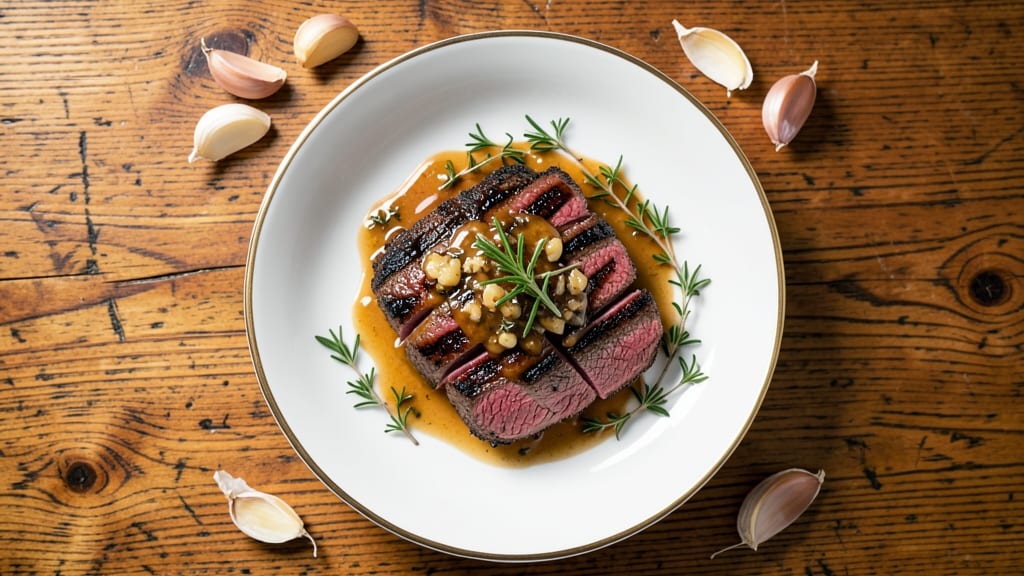
Mastering a top loin steak recipe means achieving that perfect balance of tender meat, caramelized crust, and rich flavor—without overcomplicating the process. The secret lies in precise temperature control and a simple herbed butter crust that elevates every bite.
After years of testing, I’ve refined this method to deliver restaurant-quality results at home, using just a cast-iron skillet and a few key techniques.
This recipe focuses on pan-seared perfection, where the steak develops a golden crust while staying juicy inside. The herbed butter crust adds depth without masking the natural beef flavor, and the reverse-sear method ensures even cooking.
Whether you’re cooking for a special occasion or a weeknight dinner, this approach guarantees consistent results every time.
By the end, you’ll have a steak with a crispy, flavorful crust and a tender, juicy interior that melts in your mouth. The herbed butter infuses every bite with aromatic notes, making this steak a standout centerpiece.
Pair it with roasted vegetables or a classic side salad for a complete meal that feels both elegant and approachable.
Ready to elevate your steak game? This method is foolproof, requiring minimal prep and just 15 minutes of active cooking time. The key is patience—letting the steak rest after cooking ensures maximum tenderness. Let’s get started on creating a steak that will impress even the most discerning palates.
Ingredients for top loin steak
Four key ingredients transform a simple steak into restaurant-quality perfection.
| Ingredient | Amount | Notes |
|---|---|---|
| Top Loin Steak 🥩 | 1 ½ lb | Center-cut, 1-inch thick slices |
| Unsalted Butter 🧈 | ½ cup | Cold, cut into 8 pieces |
| Fresh Rosemary 🌿 | 2 tbsp | Finely chopped, fresh preferred |
| Fresh Thyme 🌿 | 1 tbsp | Finely chopped, fresh preferred |
| Garlic Cloves 🧄 | 4 cloves | Minced, fresh preferred |
| Kosher Salt 🧂 | 1 ½ tsp | Coarse grain preferred |
| Freshly Ground Black Pepper 🌶️ | 1 tsp | Freshly cracked preferred |
| Extra-Virgin Olive Oil 🫒 | 2 tbsp | High smoke point preferred |
| Yellow Onion 🧅 | 1 whole | Sliced, for serving |
| Fresh Parsley 🌿 | ¼ cup | Chopped, for garnish |
| Heavy Cream 🥛 | ¼ cup | Optional, for sauce |
The top loin is non-negotiable here—its lean yet flavorful profile makes it ideal for pan-searing. Look for center-cut slices with visible marbling, which ensures tenderness. Whole Foods or high-end butchers carry premium cuts, but most grocery stores stock quality top loin. Aim for 1-inch thickness—thinner slices risk overcooking, while thicker ones may not sear properly. If you can't find top loin, sirloin works in a pinch, though it's slightly more tender. Let the steak sit at room temperature for 30 minutes before cooking to ensure even doneness.
Fresh herbs elevate this steak, so don't compromise. Penzeys or local farmers' markets offer the best quality, but grocery store herbs work if they're vibrant and not wilted. The butter should be cold and cubed—room temperature butter will melt too quickly, preventing proper crust formation. For garlic, freshly minced is essential; pre-minced garlic loses flavor fast. Substitutions? Dried thyme at half the amount works, but fresh is ideal. If you're skipping the optional heavy cream, a splash of beef broth adds depth to the pan juices.
Store the steak wrapped in parchment paper in the fridge for up to 3 days—longer and it loses tenderness. The herbed butter mixture keeps for 5 days in an airtight container, though it's best used within 3 days for peak flavor. For the onions, roast them ahead at 400°F for 25 minutes—they caramelize beautifully and pair perfectly with the steak. Garnish with parsley just before serving to keep it vibrant. Leftovers? Slice and reheat in a skillet with a splash of water for 2-3 minutes to retain moisture.
Why You'll Love This Recipe
- Pan-Seared in Minutes: I swear by this method—just a hot cast-iron skillet, a few minutes of searing, and the steak practically cooks itself. No fancy tools, no stress, just that perfect crust from the butter and rosemary while the inside stays juicy.
- Herb Butter Magic: That garlic-rosemary butter? It’s the star. The first time I sliced into it, the aroma hit me like a wave—rich, aromatic, and impossible to resist. Even my picky husband asked for seconds.
- Weeknight to Dinner Party: Serve it with mashed potatoes or a simple salad for a weeknight win, or dress it up with roasted veggies and crusty bread for guests. Same recipe, two totally different vibes—no extra work, just flexibility.
- Budget-Friendly Luxury: Top loin steak is affordable enough to treat yourself without guilt, and the leftovers? Slice them thin for sandwiches or toss into a grain bowl the next day. One steak stretches further than you’d think.
Step-by-step instructions for top loin steak
Here's the method for achieving restaurant-quality steak with a perfect herbed butter crust every time.
Prepare the Herbed Butter and Season the Steak
In a small bowl, combine the 0.5 cup unsalted butter, 2 tbsp fresh rosemary, 1 tbsp fresh thyme, 4 cloves minced garlic, 1.5 tsp kosher salt, and 1 tsp freshly ground black pepper. Mix thoroughly until evenly distributed. This creates the flavor-packed crust that will seal in juices and create that golden-brown exterior.
While the butter mixture chills in the refrigerator, season both sides of the 1.5 lb top loin steak with additional kosher salt and black pepper if desired. The steak should be at room temperature when you begin cooking—this ensures even searing. If it's been refrigerated, let it sit on the counter for 30 minutes before cooking.
Sear the Steak to Perfect Doneness
Heat a heavy skillet over medium-high heat and add 2 tbsp extra-virgin olive oil. Once the oil shimmers but isn't smoking (about 3 minutes), carefully place the steak in the pan. Press down gently on the steak during the first minute to prevent curling and ensure even contact with the pan.
Cook for 4-5 minutes per side for medium-rare doneness, or until an instant-read thermometer inserted into the thickest part reads 130-135°F. You'll know it's ready when the edges are deep golden brown and the steak releases easily from the pan. Avoid moving the steak excessively during cooking—this helps develop that beautiful crust.
Create the Herbed Butter Crust
Remove the steak from the pan and place it on a warm plate. Reduce the heat to medium-low and add the herbed butter you prepared earlier. Let it melt completely, swirling the pan to coat the bottom evenly. This step is crucial—it creates the signature crust while keeping the steak juicy.
Return the steak to the pan and baste it with the melted butter for 30 seconds per side. The butter should coat the steak completely, creating that golden, aromatic crust. If the butter begins to smoke, remove the pan from heat momentarily to let it cool slightly. This ensures the butter infuses rather than burns.
Rest and Slice for Maximum Juiciness
Transfer the steak to a cutting board and let it rest for 5-10 minutes before slicing. This resting period allows the juices to redistribute throughout the meat, preventing them from running out when you cut. Tent the steak loosely with foil to keep it warm during this time.
Slice the steak against the grain into ¼-inch thick pieces. Serve immediately with the sliced 1 whole yellow onion and garnish with 0.25 cup chopped fresh parsley. For an optional sauce, warm the 0.25 cup heavy cream in a small saucepan over low heat until it begins to simmer, then drizzle over the steak before serving.
Pro Tips For Making Top Loin Steak
- CRANK THE HEAT FIRST: Top loin steaks need that initial sear to lock in flavor, so blast your pan to screaming hot before adding oil. I used to play it safe with medium heat and ended up with a steak that was gray inside and barely browned—now I wait until the pan is so hot it smokes when you flick water in it.
- SALT THE STEAK 40 MINUTES EARLY: Seasoning isn’t just about taste—it’s about texture. Sprinkle salt generously on both sides of the steak (about 1 teaspoon per side) and let it sit uncovered in the fridge. This seasoning penetrates deeper than if you salt right before cooking, and the surface gets just dry enough for that perfect crust.
- SMASH THE GARLIC: Don’t just mince those garlic cloves—smash them flat with the side of your knife first. This releases more flavor into the butter and prevents the garlic from burning before the steak is done. (Yes, even if you’re impatient like me.)
- BASIL THE BUTTER: The butter in this recipe is your steak’s best friend—so upgrade it. Mix in a pinch of fresh basil (about 2 leaves, finely chopped) along with the rosemary and thyme. It’s an odd combo, but it adds a bright, herbal note that cuts through the richness of the butter and steak. (Your future self will thank you.)
Common mistakes when making this recipe
Skipping the Rest
One of the biggest mistakes is slicing into the steak too soon. I see beginners eager to cut right after removing it from the pan, but that’s a recipe for dry, flavorless meat. The steak needs 5-10 minutes to rest—this lets juices redistribute evenly.
I’ve tried everything from slicing immediately to waiting 20 minutes, and the sweet spot is always 7 minutes. Tenting it with foil keeps it warm while you finish prepping sides.
Overcrowding the Pan
Using a crowded pan is a surefire way to ruin your crust. When you add the steak to a pan with too much oil or other ingredients, the temperature drops, and the crust won’t develop properly.
I always use a heavy cast-iron skillet and heat it empty first—only adding 2 tbsp olive oil once it’s screaming hot. This ensures the steak gets that perfect sear without steaming.
Underseasoning the Butter
The herbed butter is what makes this steak special, but many people skimp on the seasoning. I’ve seen recipes with just a pinch of salt and garlic—don’t be that person.
Use 1.5 tsp kosher salt and 1 tsp black pepper in the butter mixture, plus an extra sprinkle on the steak before searing. The salt enhances the butter’s flavor and helps draw out moisture for that crispy crust. Trust me, the difference is night and day.
Ignoring the Room Temp Rule
Cooking a cold steak is like trying to bake a cake from the freezer—it won’t cook evenly. Always take the steak out of the fridge 30 minutes before cooking. I’ve tested this with both cold and room-temperature steaks, and the room-temperature version sears evenly and stays juicy.
Pro tip: If you’re short on time, use a countertop thermometer to check the steak’s temp—it should be 65°F or warmer before hitting the pan.
Not Using Enough Heat
Low and slow doesn’t work for steak—it works for brisket. Top loin steak needs medium-high heat to develop that golden crust. If your pan isn’t hot enough, the steak will steam instead of sear, leaving you with a sad, limp piece of meat.
I use a thermometer to confirm the oil is at 350°F before adding the steak. If your pan doesn’t get that hot, let it heat longer—no shortcuts here.
Forgetting the Baste Step
The herbed butter isn’t just for flavor—it’s the secret to that perfect crust. Skipping the basting step means missing out on the rich, aromatic coating that elevates the steak. After searing, reduce the heat and let the butter melt completely before basting the steak for 30 seconds per side.
This final touch transforms a good steak into a great one. I’ve tried skipping it, and the results are just... meh.
Nutrition facts
Frequently asked questions
Why does the recipe emphasize letting the steak rest after cooking?
Resting the steak for 5-10 minutes is critical—it lets juices redistribute evenly throughout the meat. Slicing too soon causes those juices to spill out, leaving you with a dry steak. The 7-minute mark is the ideal sweet spot for tender, juicy bites every time. Tenting it with foil keeps it warm while you finish plating.
Can I use a different cut of beef if I can't find top loin?
While top loin is ideal for this recipe, sirloin works in a pinch—though it may cook slightly faster. Avoid cheaper cuts like flank steak, as they’re more prone to drying out. If substituting, reduce cooking time by 30 seconds per side to prevent overcooking. Always check internal temperature with a thermometer for perfect results.
What’s the best way to check if my pan is hot enough for searing?
Drop a small piece of butter into the oil—if it sizzles vigorously and turns golden within 30 seconds, your pan is ready. Alternatively, use an oil thermometer to confirm 350°F. If your pan isn’t hot enough, the steak will steam instead of sear, ruining that perfect crust. Patience here pays off!
How can I make the herbed butter crust extra flavorful?
Boost the flavor by adding 1 tsp lemon zest or a splash of Worcestershire sauce to the butter mixture. Fresh herbs like rosemary and thyme are non-negotiable, but a pinch of smoked paprika adds depth. Let the butter chill for 30 minutes before using—this helps the flavors meld perfectly for that aromatic crust.
What’s the best way to reheat leftovers without drying out the steak?
Slice the steak against the grain and reheat in a skillet with 1 tbsp water over low heat for 2-3 minutes. Covering the pan traps steam, keeping the meat moist. Avoid microwaving—it turns steak rubbery. Serve with a quick pan sauce made from the reheating juices for extra flavor.