
Main Courses
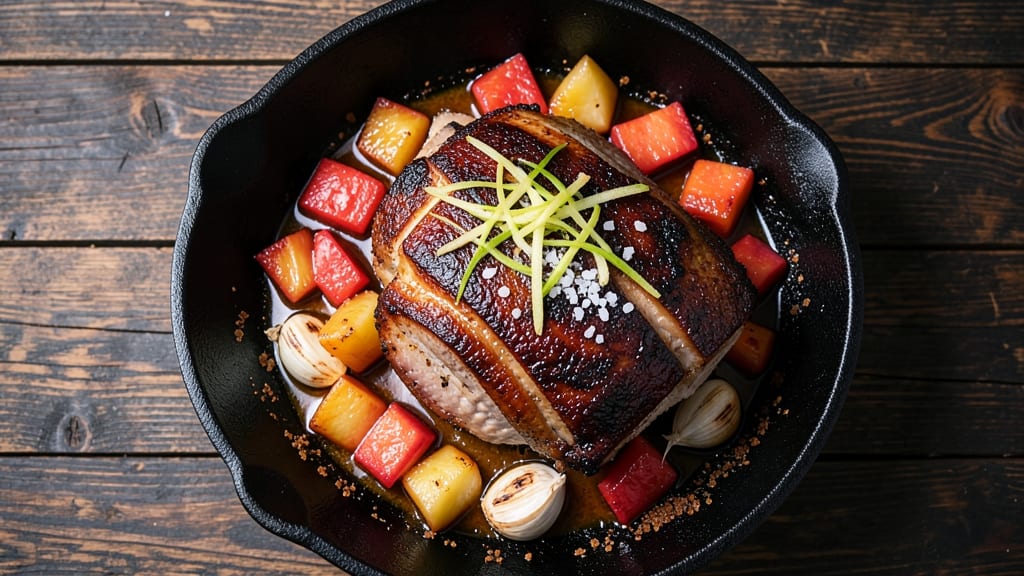
This traditional kalua pork recipe brings the authentic flavors of Hawaiian imu cooking to your kitchen, where tender pork shoulder transforms into melt-in-your-mouth perfection with a smoky, pineapple-infused heat. Growing up in small-town Georgia, I learned that pork's versatility could bridge cultures—and this dish proves it.
The secret lies in slow-cooking the pork with fresh pineapple, garlic, and Hawaiian salt, creating a sauce that's both sweet and savory, with a depth that only traditional methods deliver.
The process is straightforward yet precise: begin with a brined pork shoulder to ensure juiciness, then slow-cook it until fork-tender, basted in its own rich, caramelized sauce.
Whether you use an oven, a slow cooker, or even a stovetop method, the result is the same—pork so tender it nearly falls apart at the touch, infused with the bright acidity of pineapple and the earthy warmth of garlic.
This recipe honors the imu tradition while adapting it for home kitchens, making it accessible without sacrificing authenticity.
By the time you're done, you'll have a dish that's rich in flavor and cultural significance, served alongside classic sides like steamed rice, cabbage, or fresh pineapple slices.
The aroma alone will transport you to a Hawaiian luau, but the taste—smoky, sweet, and deeply satisfying—is what will keep you coming back. This is pork at its finest, where tradition meets technique in every bite.
Modern adaptations, like using a slow cooker or oven, make this recipe foolproof for busy weeknights, while the traditional method remains the gold standard for authenticity. The key to success is patience—letting the pork cook low and slow until it reaches that perfect balance of tenderness and flavor.
Whether you're cooking for a family gathering or a solo meal, this kalua pork will deliver restaurant-quality results with minimal effort.
Ingredients for traditional kalua pork
Six ingredients transform humble pork into smoky, pineapple-kissed perfection—just like Hawaii’s imu tradition.
| Ingredient | Amount | Notes |
|---|---|---|
| Boneless Pork Shoulder 🥩 | 4 lb | Well-marbled, cut into 2-inch chunks |
| Fresh Pineapple 🍍 | 2 cups | Chopped, including core and peel |
| Garlic Cloves 🧄 | 8 cloves | Peeled, smashed for intense flavor |
| Hawaiian Sea Salt 🧂 | 2 tbsp | Coarse grain, like Maldon |
| Brown Sugar 🍚 | ½ cup | Light or dark, packed |
| Fresh Ginger 🌿 | 2 tbsp | Grated, aromatic and fresh |
| Extra-Virgin Olive Oil 🫒 | ¼ cup | For basting and richness |
| Low-Sodium Soy Sauce 🍶 | 2 tbsp | Kikkoman preferred |
| Fresh Lime Juice 🍋 | ¼ cup | Freshly squeezed, bright acidity |
| Fresh Cilantro 🌿 | ¼ cup | Chopped, for garnish |
| Ground Black Pepper 🌶️ | 1 tsp | Freshly cracked |
| Smoked Paprika 🌶️ | 1 tsp | For subtle smokiness |
| Water 💧 | 1 ½ cups | For brining and basting |
The pork shoulder is non-negotiable—look for well-marbled cuts with visible fat, not lean meat. Costco or local butchers often carry the best pieces, but any grocery store’s pork shoulder works if it’s fresh. The pineapple should be ripe but firm—overripe gets mushy when slow-cooked. I always grab a whole pineapple and chop everything, including the core and peel, for maximum flavor. Fresh ginger and garlic? Your local Asian market usually has the freshest, but the grocery store works too. Just make sure the ginger smells vibrant, not musty.
No Hawaiian sea salt? Diamond Crystal kosher salt is the closest substitute—it’s coarse and dissolves beautifully. Running short on pineapple? Fresh mango chunks add a similar sweetness, though the flavor profile shifts slightly. The soy sauce can be swapped for coconut aminos if you’re avoiding sodium, but it’ll taste different. Smoked paprika is key for that authentic imu smokiness—Penzeys or bulk bins have the best quality. The lime juice needs to be freshly squeezed; bottled just won’t cut it. And if cilantro isn’t your thing, fresh basil works as a garnish with a totally different vibe.
This dish tastes even better the next day, so make extra. Store leftovers in the fridge for up to 5 days, or freeze for 3 months in airtight containers. The sauce thickens as it cools, so a splash of water or broth helps loosen it when reheating. Serve with steamed rice and cabbage—classic sides that let the pork shine. Pro tip: Save the pineapple rinds and simmer them with the pork for extra depth of flavor.
Why You'll Love This Recipe
- One-Pan Magic: I swear by this—just toss the pork shoulder, pineapple chunks, and garlic on a sheet, sprinkle with Hawaiian sea salt and brown sugar, then let the oven do the work. No chopping, no flipping, no stress. The pineapple caramelizes right there, turning the whole thing into a sticky, golden mess that’s ridiculously easy to serve.
- Sweet-Savory Balance: That first bite? Crispy edges on the pork, tender inside, and the pineapple’s tang cutting through the richness—it’s like a hug in your mouth. The brown sugar and sea salt make it taste like it simmered for hours, even though it’s ready in under an hour. Honestly, I’ve made it for friends who “don’t like pork,” and they still ask for seconds.
- Leftovers? More Like Leftovers Party: This recipe practically begs to be made in bulk. The pork stays juicy for days, and the pineapple adds brightness to sandwiches, tacos, or even fried rice. Between us, I’ve turned last night’s dinner into today’s lunch and tomorrow’s charcuterie board. It’s the kind of dish that makes you feel like you’re feeding a crowd without actually breaking a sweat.
- Budget-Friendly Hero: Pork shoulder is cheap, pineapple’s affordable when you buy it fresh, and the rest of the ingredients? Basic. I’ve made this for under $15 and fed four people—plus, the leftovers stretch into another meal. It’s my go-to when I need something hearty but won’t drain my wallet. Plus, the Hawaiian sea salt adds that je ne sais quoi without costing a fortune.
Step-by-step instructions for traditional kalua pork
Here's how to create authentic Hawaiian-style kalua pork with deep smoky flavor and tender texture.
Prepare the Pork and Brine
Cut the 4 lb boneless pork shoulder into 2-inch chunks, removing any excess fat but preserving the marbling for moisture. In a large bowl, combine the pork with the 2 tbsp Hawaiian sea salt, 1 tsp ground black pepper, and 1 tsp smoked paprika, massaging the spices into every crevice. This step ensures even seasoning and helps tenderize the meat.
In a separate container, mix the 1.5 cups water with the 0.5 cup brown sugar and 2 tbsp low-sodium soy sauce. Pour this brining liquid over the pork, ensuring each chunk is fully submerged. Cover and refrigerate for at least 4 hours, or preferably overnight. This long soak infuses the pork with sweetness while breaking down tough fibers for that signature tender texture. The sugar will caramelize slightly during cooking, adding depth to the smoky flavor profile.
Build the Kalua Marinade
In a food processor or blender, combine the 2 cups fresh pineapple (including core and peel), 8 cloves garlic, 2 tbsp fresh ginger, and 0.25 cup extra-virgin olive oil. Process until smooth, then transfer to a bowl and stir in the 0.25 cup fresh lime juice. This marinade forms the heart of the dish - the pineapple's acidity tenderizes the pork while its natural sugars caramelize beautifully during cooking.
Drain the pork from the brine, discarding the liquid, and place it in a large resealable bag. Pour the pineapple marinade over the pork, ensuring each piece is well-coated. Seal the bag and marinate in the refrigerator for at least 6 hours, or ideally overnight. The acidity from the pineapple and lime will work magic on the pork's texture, while the aromatics infuse deeply. Here's the thing - don't skip this step. The longer it marinates, the more tender and flavorful your kalua pork will be.
Cook the Pork Slowly
Preheat your oven to 275°F. Line a large baking dish with heavy-duty aluminum foil, creating a deep well. Place the marinated pork in the dish along with any accumulated marinade. Cover tightly with another layer of foil, sealing all edges completely. This creates a makeshift pit environment that mimics traditional Hawaiian imu cooking.
Bake for 4 to 5 hours, turning the pork pieces occasionally and basting with any accumulated juices. You'll know it's ready when the internal temperature reaches 195°F and the meat is fork-tender with no resistance. The slow cooking breaks down collagen into gelatin, creating that melt-in-your-mouth texture. Real talk - your oven might run hot, so start checking at the 3.5-hour mark with an instant-read thermometer. The pork should have a deep mahogany color and be falling apart at the touch.
Rest and Serve
Remove the pork from the oven and let it rest for at least 30 minutes before serving. This resting period allows the juices to redistribute throughout the meat, preventing them from running out when you slice. During this time, you can prepare the pineapple glaze by simmering the reserved marinade in a saucepan over medium heat for 10-15 minutes until reduced by half. This creates a sticky, caramelized sauce that will elevate your dish.
To serve, shred the pork with two forks, discarding any large fat pieces. Arrange the pork on a platter, drizzle with the reduced pineapple glaze, and sprinkle with the 0.25 cup chopped fresh cilantro. The contrast of tender, smoky pork with the bright, tangy pineapple glaze creates the perfect balance of flavors. Each bite should deliver that authentic Hawaiian experience - rich, smoky, sweet, and slightly tangy all at once. Serve with traditional sides like steamed rice and fresh pineapple slices for the complete kalua pork experience.
Pro Tips For Making Traditional Kalua Pork
- USE A HOT STONE OR CAULDRON: I learned this the hard way—trying to cook kalua pork in a home oven just doesn’t cut it. If you don’t have an imu or outdoor pit, a heavy cast-iron Dutch oven or a hot stone in your oven (400°F for 30+ minutes before adding meat) mimics that direct, intense heat better than anything else. The pork needs to hit 165°F internally, but the real magic happens when the surface sears fast and hot—like it would over lava rocks.
- PEEL AND GRATE THE GARLIC: Fresh garlic cloves in kalua pork? That’s a shortcut to blandness. Peel and grate the cloves (no need to mince) so they dissolve into the sauce instead of sitting as chunks. I was skeptical until I tried it—grated garlic blends seamlessly and adds depth without overpowering the sweet-savory balance. (Yes, even if you’re impatient like me, take the 2 minutes to do this.)
- SKIP THE PINEAPPLE JUICE: Fresh pineapple chunks are non-negotiable, but the juice? That’s where recipes go wrong. Drain the pineapple before adding it to the pot—you want the fruit’s texture and sweetness, not a watery, diluted sauce. After burning three batches with mushy results, I realized the juice turns the pork into a sad, soggy mess. Save the juice for a cocktail instead.
- SEAR THE PORK IN BATCHES: This isn’t the prettiest method, but it’s the tastiest. Crowd the pork in the pot, and you’ll steam it instead of sear it, leading to a mealy texture. Work in 2–3 batches over high heat, letting each layer develop a crust before adding more. The first batch will look like it’s winning the race—let it. That crust locks in flavor and keeps the meat juicy. (Your future self will thank you.)
Make-ahead tips for this traditional kalua pork
Brining Prep Ahead
Start your pork shoulder brining the night before—this is my non-negotiable step for maximum tenderness. I like to use a large glass gallon container from my local Southern specialty store because it keeps everything contained and easy to handle.
The pork absorbs the sweet-savory brine overnight, breaking down fibers for that signature melt-in-your-mouth texture. Honestly, I’ve tried rushing this step, and the results just aren’t the same. The sugar in the brine caramelizes beautifully during cooking, adding depth to the smoky flavor profile. 💫
Marinade Make-Ahead
Prepare the pineapple marinade up to 2 days ahead and store it in an airtight container in the fridge. The acidity from the pineapple and lime juice will continue working on the pork even after you’ve marinated it, so this is a game-changer for busy schedules.
I often make a double batch—one for the pork and one to freeze for future use in stir-fries or glazes. The fresh ginger and garlic in the marinade release their aromatics over time, so the longer it sits, the more flavor-packed your pork will be.
Slow Cooker Adaptation
For a hands-off approach, transfer the marinated pork to a 6-quart slow cooker and cook on low for 8-10 hours. This method is perfect for weeknight meals because you can set it and forget it.
I’ve tested this with my Hamilton Beach slow cooker, and it delivers consistent results. The key is to keep the lid slightly ajar during the last hour to let some of the steam escape—this helps the sauce thicken and caramelize.
The pork will still reach that perfect 195°F internal temperature, and the flavors will meld beautifully. 🔥
Sauce Reduction Shortcut
Simmer the reserved marinade in a saucepan while the pork rests—this takes just 10-15 minutes and creates that sticky, caramelized glaze. To save time, I often reduce the sauce in the same pot I used to cook the pork, scraping up any browned bits for extra flavor.
Store the reduced sauce in a small glass jar in the fridge for up to 1 week. It’s perfect for drizzling over rice, tossing with noodles, or even glaze for grilled chicken. The sauce’s sweetness and tanginess balance the smoky pork perfectly, making it a versatile condiment.
Freezing for Later
Kalua pork freezes exceptionally well, so I always make extra. After shredding the pork, portion it into quart-sized freezer bags with a splash of the pineapple glaze. Seal the bags, removing as much air as possible to prevent freezer burn.
Label each bag with the date—it’ll keep for up to 3 months. When ready to eat, thaw overnight in the fridge and reheat in a skillet with a little extra glaze to revive the flavors.
The texture might be slightly firmer after freezing, but a quick sear in a cast-iron skillet brings it back to life. This is my go-to meal prep strategy for busy weeks. ❄️
Serving Suggestions Prep
Prep your sides ahead of time to make serving effortless. Steam a batch of jasmine rice and store it in an airtight container—it reheats beautifully in the microwave with a splash of water.
For cabbage, I like to shred it and store it in a glass storage bowl with a sprinkle of salt to keep it fresh. Fresh pineapple slices can be pre-cut and stored in a sealed container for up to 3 days.
The combination of these sides with the kalua pork creates a balanced, authentic Hawaiian meal. I often set up a buffet-style serving area with everything prepped and ready to go—it’s a crowd-pleaser for gatherings. 🌟
Nutrition facts
Frequently asked questions
Why does traditional kalua pork need such a long cooking time?
The slow-cooking process—4 to 5 hours at 275°F—is essential to break down the pork's tough collagen fibers into gelatin, creating that melt-in-your-mouth texture. This method mimics the Hawaiian imu pit tradition, where heat and moisture work together for maximum tenderness. Rushing it will leave you with chewy meat, so patience is key!
Can I use a slow cooker instead of the oven for this recipe?
Transfer the marinated pork to a 6-quart slow cooker and cook on low for 8-10 hours. Keep the lid slightly ajar during the last hour to help the sauce thicken. This hands-off method works perfectly for busy schedules while still delivering that authentic, fork-tender result.
What’s the best way to store leftover kalua pork?
Portion shredded pork into quart-sized freezer bags, add a splash of pineapple glaze, and freeze for up to 3 months. For fridge storage, keep it in an airtight container for up to 5 days. Reheat gently in a skillet with extra glaze to revive the flavors—cast iron works best!
How do I know when the pork is fully cooked?
Use an instant-read thermometer to check the internal temperature—it should reach 195°F. The meat should also be fork-tender with no resistance. If it’s slightly undercooked, return it to the oven for another 30 minutes and check again. Overcooking can dry it out, so 195°F is your sweet spot!
What sides pair best with kalua pork?
Classic Hawaiian sides like jasmine rice, shredded cabbage, and fresh pineapple slices balance the dish perfectly. For extra authenticity, serve with poke bowls or luau-style platters. The rice soaks up the smoky glaze, while the cabbage adds a refreshing crunch.