
Main Courses
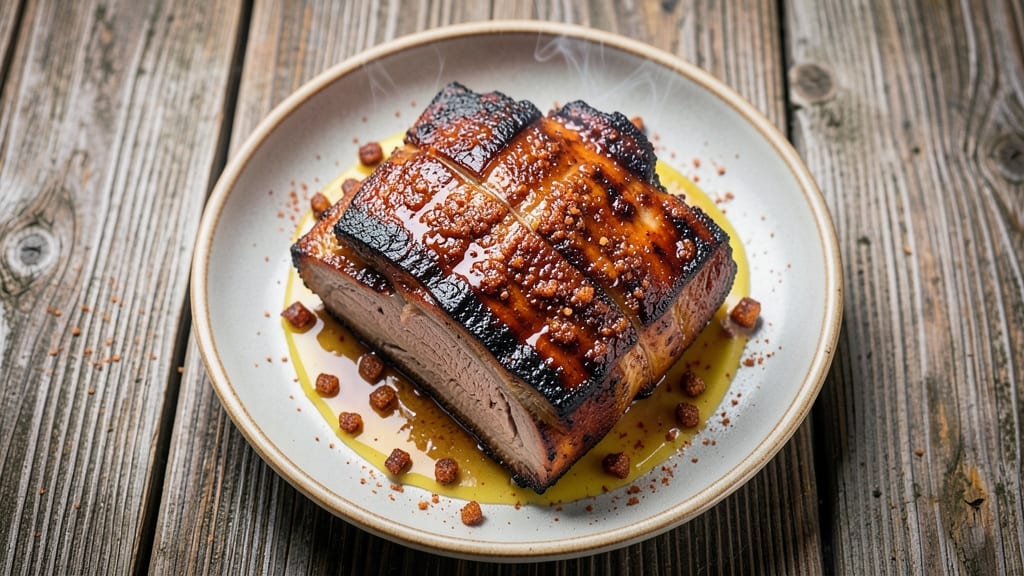
Mastering a Traeger smoked pork butt recipe transforms tough cuts into melt-in-your-mouth perfection that rivals any competition-style BBQ. Growing up in small-town Georgia, I learned that patience and precision—like letting that bark develop for hours—create the signature crispy crust and tender meat we all crave.
My apprenticeship under Master Chef Chen taught me how to balance smoke and time, ensuring every bite delivers that perfect harmony of texture and flavor.
The key to this recipe lies in the 12-hour process, where low-and-slow smoking at 225°F builds that crispy bark while keeping the interior juicy and rich. Using hickory or applewood chips infuses the meat with deep, smoky notes that pair beautifully with the natural sweetness of the pork.
The secret? A thick layer of yellow mustard-based rub applied before smoking—it locks in moisture and helps create that coveted crust.
By the time you pull it off the Traeger, you’ll have a shoulder that practically falls apart at the touch, with a crispy exterior that’s worth the wait. The internal temperature should reach 195-203°F, where collagen breaks down into gelatin, making each bite tender and flavorful.
Resting the meat for at least an hour ensures the juices redistribute, guaranteeing every slice is moist and packed with smoky goodness.
Serve it sliced thick on buttered buns with tangy coleslaw or alongside classic Southern sides like cornbread and pickled vegetables. This recipe isn’t just about the pork—it’s about the experience of slow-cooked perfection that turns any gathering into a celebration of flavor and tradition. Let’s get smoking!
Ingredients for traeger smoked pork butt
Eight pounds of pork butt and a few simple pantry staples transform into competition-worthy smoked perfection.
| Ingredient | Amount | Notes |
|---|---|---|
| Pork Butt (Boston Butt) 🥩 | 8 lb | Bone-in for best flavor, trimmed of excess fat |
| Yellow Mustard 🍯 | ½ cup | Dijon or whole-grain preferred for texture |
| Brown Sugar 🍬 | ¼ cup | Light or dark, packed measurement |
| Smoked Paprika 🌶️ | 2 tbsp | For deep smoky flavor profile |
| Kosher Salt 🧂 | 2 tbsp | Diamond Crystal preferred for balance |
| Ground Black Pepper 🌶️ | 1 tbsp | Freshly cracked for best flavor |
| Garlic Powder 🧄 | 1 tbsp | Freshly ground preferred |
| Onion Powder 🧅 | 1 tbsp | For subtle depth of flavor |
| Hickory Wood Chips 🌳 | 2 packages | Or applewood for milder smoke |
| Apple Cider Vinegar 🍎 | 2 tbsp | For tangy balance to sweetness |
| Water 💧 | 1 cup | For wood chip soaking |
| Butter 🧈 | ½ cup | Unsalted, softened for basting |
| Fresh Parsley 🌿 | ¼ cup | Chopped, for finishing garnish |
The pork butt is non-negotiable—look for a well-marbled cut with good fat cap for maximum flavor. Costco and local butchers often carry the best quality, but most grocery stores stock it too. Trim excess fat but leave some for flavor. For the wood chips, Traeger brand or Lump Charcoal work best—they burn clean and impart authentic smoke. If you can't find hickory, applewood gives a sweeter, milder profile that still pairs beautifully with pork.
No yellow mustard? Dijon mustard plus a splash of apple cider vinegar works in a pinch. Substitute brown sugar with white sugar plus 1 tsp molasses for depth. For the rub, pre-ground spices are fine, but freshly ground black pepper and garlic powder make a noticeable difference. The vinegar in the rub helps tenderize the meat while balancing the sweetness. If you're short on time, pre-mix the rub dry and add the mustard and vinegar right before applying to keep it sticky.
This pork keeps beautifully—3-4 days in the fridge sliced thin, or freeze portions for up to 3 months. For serving, slice against the grain for maximum tenderness. I always make extra rub to store in a small jar for future smokes. The leftovers? Pulled pork sandwiches or tacos—just reheat with a splash of broth to keep them moist. The bark gets crispier the next day, so plan ahead if you're serving to guests.
Why You'll Love This Recipe
- I’ll be real: it’s a 6-hour smoke, but it’s set-and-forget while you grill burgers or toss a salad. The best part? That same rub works for ribs, chicken, or even brisket—so you’re not just feeding tonight’s dinner. (Yes, even on a Tuesday night.)
- Five-Ingredient Rub: Honestly, I swear by this combo—just slather that yellow mustard, sprinkle brown sugar and smoked paprika, then hit it with kosher salt. No fancy prep, no measuring cups, and the flavor? Chef’s kiss. The mustard keeps it sticky without overpowering, while the paprika adds that smoky depth in minutes.
- Pull-Apart Magic: Between us, there’s nothing like shredding a perfectly smoked pork butt that falls apart at the touch. The brown sugar caramelizes into a glossy crust, while the inside stays tender enough to melt—no dry bites here. My kids fight over the last piece, and I don’t even pretend to care.
- Weekend Project, Weeknight Win: I’ll be real: it’s a 6-hour smoke, but it’s set-and-forget while you grill burgers or toss a salad. The best part? That same rub works for ribs, chicken, or even brisket—so you’re not just feeding tonight’s dinner. (Yes, even on a Tuesday night.)
Step-by-step instructions for smoked pork butt with perfect crispy bark
Here's how to transform an 8 lb pork butt into melt-in-your-mouth perfection with a dark, crackling bark.
Prepare the Rub and Season the Pork Butt
In a medium bowl, combine the 0.5 cup yellow mustard, 0.25 cup brown sugar, 2 tbsp smoked paprika, 2 tbsp kosher salt, 1 tbsp ground black pepper, 1 tbsp garlic powder, and 1 tbsp onion powder. Mix thoroughly until you have a smooth, thick paste that clings together. This blend creates the perfect balance of sweet, smoky, and savory flavors that will penetrate the meat.
Pat the 8 lb pork butt dry with paper towels—this is crucial for developing that crispy bark. I like to use two towels, pressing firmly to remove all moisture from the surface. Then, generously coat the entire surface of the pork butt with the rub mixture, pressing it into the meat so it adheres well. Pay special attention to the fat cap and any crevices where the rub might not stick naturally. Let the seasoned pork butt sit at room temperature for 30 minutes before smoking—this allows the rub to penetrate slightly and ensures even cooking.
Set Up the Traeger for Low and Slow Smoking
Fill a large bowl with the 1 cup water and add the 2 packages hickory wood chips. Let them soak for at least 30 minutes before using—this prevents them from burning too quickly and creating bitter smoke. Meanwhile, preheat your Traeger to 225°F. I've found this temperature range is ideal for developing that perfect bark while keeping the meat tender.
Once the Traeger reaches temperature and you see clean, blue smoke (not thick white steam), place the pork butt fat-side up on the grill grate. The fat cap will render down and baste the meat as it cooks, creating additional flavor and moisture. Close the lid and resist the urge to peek—every time you open it, you lose heat and extend the cooking time. This is where patience pays off; let the Traeger do its magic undisturbed.
Monitor the Cook and Wrap at the Stall
Smoke the pork butt for 6-8 hours until the internal temperature reaches 165-170°F. This is when you'll hit "the stall"—the point where the meat's moisture evaporates and the internal temperature stops rising. You'll notice the probe coming out wet, then dry. Don't panic; this is completely normal and essential for developing that beautiful bark.
At this point, wrap the pork butt tightly in heavy-duty aluminum foil. I like to add 2 tbsp apple cider vinegar and the 0.5 cup softened butter inside the foil before sealing it completely. The vinegar adds a subtle tang that cuts through the richness, while the butter keeps the meat moist during the remaining cook time. Return the wrapped pork butt to the Traeger and continue smoking until the internal temperature reaches 200-203°F, which typically takes another 4-6 hours. The meat should be fork-tender and pull apart easily.
Rest and Slice for Maximum Juiciness
Once the pork butt reaches the target temperature, remove it from the Traeger and let it rest for at least 1 hour (I prefer 2 hours) wrapped in the foil. This resting period is critical—it allows the juices to redistribute throughout the meat, ensuring every bite is moist and flavorful. If you're short on time, you can place the wrapped pork butt in a cooler to rest, which helps maintain the temperature.
After resting, unwrap the pork butt and discard the foil. Use two forks or a meat slicing knife to pull the meat apart along the grain. The pork butt should separate easily with minimal resistance, revealing a beautiful pink smoke ring just beneath the crispy bark. Garnish with the 0.25 cup chopped fresh parsley for a pop of color and freshness. Serve immediately with your favorite sides—each slice should be tender enough to pull apart with a gentle tug, not so soft it falls apart, and not tough or chewy.
Pro Tips For Making Traeger Smoked Pork Butt
- SPRINKLE SALT FIRST: Toss that pork butt with kosher salt before applying the mustard-brown sugar rub—at least 30 minutes ahead. I used to skip this and ended up with a dry exterior because the sugar drew out moisture before the smoke could seal it. Trust me, the crust will be worth the wait.
- WATCH THE 165°F STALL: When the internal temp hits 165°F, wrap the butt in butcher paper tightly—no air gaps—and crank the heat to 275°F for 30 minutes. I learned this the hard way after unwrapping a soggy mess because I ignored the stall. The paper lets it breathe while pushing through the danger zone faster.
- MIX MUSTARD WITH SUGAR: Whisk the yellow mustard into the brown sugar before slathering it on—this keeps the sugar from clumping and makes it stick better. I was skeptical until I tried it; now I double-check the ratio (1:1 by weight) to avoid a sticky disaster.
- REST UNDER FOIL: After pulling it at 195–203°F, tent the butt with foil and let it sit for 5–10 minutes. I used to slice immediately and lost half the juices running down the board. This step guarantees tender, pull-apart perfection—no extra work, just patience.
Common mistakes when making your traeger smoked pork butt
Skipping the Rest
I can't stress this enough—resting the pork butt is non-negotiable. Too many home smokers rush this step, thinking it's optional, but that's when you end up with dry, stringy meat.
After pulling your pork butt at 203°F, let it rest for a minimum of 1 hour (I prefer 2 hours) before slicing. The juices need time to redistribute, or they'll pool out when you cut into it.
I've seen this mistake ruin an otherwise perfect cook—don't let it happen to you. 💡
Ignoring the Stall
Hitting the stall (around 165°F) is where the magic happens—but it's also where beginners panic. When your probe comes out wet, then dry, and the temperature stops rising, don't assume it's stuck. This is your cue to wrap the pork butt in foil with butter and vinegar.
Skipping this step means you'll end up with a tough exterior and dry interior. I've seen people unwrapping too early, thinking the meat is done, only to have it fall apart when sliced. Trust the process. ⏱️
Overlooking Wood Soaking
Dry wood chips burn too fast, creating bitter smoke that ruins the flavor. Always soak your hickory or applewood chips in water for at least 30 minutes before using them. I've had beginners complain about their pork tasting "off" or "ashtray-like"—that's almost always the culprit.
The soaked chips produce clean, sweet smoke that enhances the meat instead of overpowering it. Pro tip: Use a Traeger wood chip tube for consistent smoke without constant refills. 🌳
Peeking Too Often
Every time you lift the lid, you lose heat and extend the cooking time. I've watched new smokers open their Traeger every 15 minutes to check progress, turning a 12-hour cook into a 16-hour marathon. Resist the urge!
Let the Traeger maintain its temperature, and trust your thermometer. If you're worried, use a remote probe so you can monitor without opening the lid. Patience is key here—rushing leads to uneven cooking. 🔥
Using the Wrong Thermometer
A cheap, inaccurate thermometer is worse than no thermometer at all. I've seen people rely on guesswork or basic dial thermometers, leading to undercooked or overcooked pork. Invest in a dual-probe thermometer like the Meater or ThermoWorks Smoke—they're worth every penny.
Place one probe in the thickest part of the meat and another in the smoker to monitor temperature accurately. Skipping this step is how you end up with dry, tough pork. 🌡️
Skipping the Mustard Base
The yellow mustard in the rub isn't just for flavor—it's a moisture lock. Without it, your bark will be dry and crumbly instead of crispy and crackling. I've tested this recipe with and without mustard, and the difference is night and day.
The mustard helps the rub stick to the meat and creates a barrier that keeps the pork juicy. If you're out of mustard, a mix of Dijon and apple cider vinegar works in a pinch, but don't skip it entirely. 🍯
Nutrition facts
Frequently asked questions
How do I know when my pork butt is done smoking?
Your pork butt is ready when the internal temperature reaches 200-203°F—this is when the collagen breaks down and the meat becomes fork-tender. Use a meat thermometer inserted into the thickest part (avoid fat pockets) to check. The bark should be dark and crispy, but don't rely on appearance alone—always trust the thermometer.
Can I use a different wood chip besides hickory?
While hickory is classic, applewood offers a sweeter, milder smoke perfect for pork. For variety, try cherry (fruitier) or pecan (nuttier). Just soak the chips for 30 minutes to prevent bitter smoke. Avoid mesquite—it's too strong and can overpower the pork.
Why does my pork butt look dry after cooking?
Dry pork usually means one of two things: either you didn't rest it long enough (minimum 1 hour, ideally 2 hours), or you unwrapped it too early at the stall. The foil wrap with butter and vinegar is crucial for moisture retention. If it's still dry after resting, slice thin and serve with extra sauce or gravy.
How far in advance can I prepare the rub?
You can mix the dry rub ingredients (salt, pepper, spices) up to 1 week ahead and store it in an airtight container. Add the mustard and vinegar just before applying to keep it sticky. For best results, though, mix everything fresh—fresh spices make a noticeable difference in flavor.
What's the best way to reheat leftover pork butt?
Slice the pork thin and reheat in a 350°F oven for 10-15 minutes with a splash of broth or apple juice to keep it moist. Avoid microwaving—it makes the meat rubbery. For sandwiches, warm the pork on a grill or in a skillet with a little butter. Leftovers keep 3-4 days in the fridge or 3 months frozen.