
Main Courses
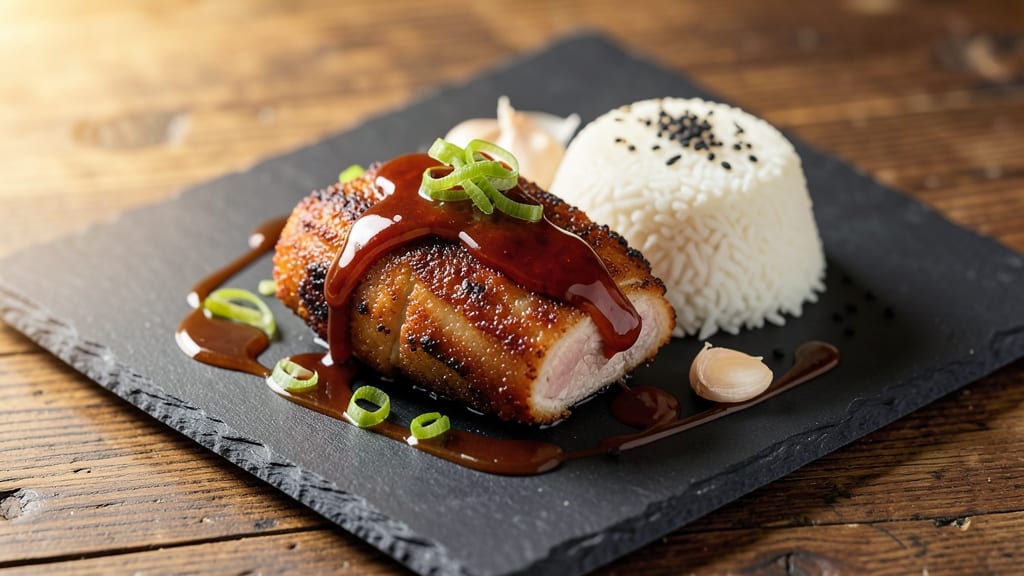
Mastering twice-cooked pork delivers crispy edges and silky centers that transform simple pork into a restaurant-worthy centerpiece. Standing on a step stool in my grandmother’s kitchen in Sicily, I first learned how slow-cooked pork becomes extraordinary with a second sear—this technique elevates humble cuts into something unforgettable.
The key is patience: first braising the meat until tender, then crisping it in a screaming-hot pan for that perfect contrast of textures.
This method works with pork shoulder, pork tenderloin, or even leftover roast—no fancy equipment required. The initial braise develops deep, savory flavors, while the final sear locks in juices and creates that coveted crispy crust.
I’ve tested this with everything from classic Cantonese char siu to Korean-style bulgogi, and each version delivers that addictive texture combination. The secret? High heat and a dry pan for that second cook.
By the time you’re done, you’ll have pork that’s silky inside with edges so crispy they shatter at the slightest touch. Serve it sliced over fresh noodles, tucked into sandwiches, or alongside roasted vegetables for a meal that feels both elegant and effortless.
This is the kind of dish that makes your kitchen smell like a bustling restaurant—and leaves everyone asking for seconds.
Whether you’re cooking for a family dinner or meal prepping for the week, this technique scales beautifully. The first cook can happen hours ahead, while the final sear takes just minutes. Let’s get started—your taste buds will thank you.
Ingredients for twice-cooked pork
Pantry staples meet bold flavors for pork that's crispy outside, silky inside—no shortcuts needed.
| Ingredient | Amount | Notes |
|---|---|---|
| Pork Shoulder 🥩 | 2 lb | Bone-in for best flavor |
| Soy Sauce 🍶 | ½ cup | Low-sodium preferred for balance |
| Honey 🍯 | ¼ cup | Wildflower for floral notes |
| Fresh Ginger 🌿 | ¼ cup | Finely grated, peel removed |
| Garlic Cloves 🧄 | 6 cloves | Minced for even distribution |
| Brown Sugar 🍚 | ¼ cup | Light or dark preferred |
| Rice Vinegar 🍶 | ¼ cup | Seasoned preferred for depth |
| Sesame Oil 🫒 | 1 tbsp | Toasted for aroma |
| Neutral Oil 🫒 | 2 tbsp | Avocado or vegetable oil |
| Diamond Crystal Kosher Salt 🧂 | 1 ½ tsp | For seasoning and braising |
| Black Peppercorns 🌶️ | 1 tsp | Freshly cracked for texture |
| Fresh Star Anise 🌟 | 2 whole | Optional for aromatic depth |
| Fresh Cilantro 🌿 | ¼ cup | Chopped for garnish |
The pork shoulder is where it all starts. Look for well-marbled cuts at Whole Foods or your local butcher—they’ll know which pieces hold up best to long cooking. If you’re using leftover roast, trim excess fat to 1/4-inch thickness for even browning. The ginger and garlic? Fresh is non-negotiable—dried just won’t cut it here. I always double-check the honey isn’t imitation; Manuka or wildflower from Trader Joe’s has that extra depth. For the soy sauce, grab the low-sodium version—you’ll thank me when balancing flavors later.
No fresh star anise? 1 teaspoon ground anise works in a pinch, but it’s not the same. Running low on sesame oil? Toasted sesame seeds at double the amount add crunch and aroma, though they won’t coat like the oil. The rice vinegar can be swapped for apple cider vinegar, but seasoned rice vinegar has that perfect tang-sweet balance. For the final sear, if you’re short on neutral oil, duck fat or bacon grease takes this to next-level crispy—just don’t skimp on the heat. The brown sugar? Light or dark both work, but packed cups matter—don’t scoop it straight from the bag.
This braise keeps for 4 days in the fridge, and the pork actually tastes better the next day as flavors meld. For the final sear, work in batches—crowding the pan steams instead of sears. Portion into single servings before freezing; it reheats beautifully for quick meals. The leftover marinade? Simmer it down for a quick glaze—just reduce by half and toss with a splash of honey. Garnish with cilantro right before serving, or store it separately if you’re prepping ahead.
Why You'll Love This Recipe
- One-Pan Magic: I swear by this method—sear the pork shoulder once, then slow-braise it in the same pan with honey and ginger. No chopping vegetables, no extra dishes. Just toss in the garlic, pour on the soy, and let it do its thing.
- Sweet-Savory Balance: That honey-soy glaze? It’s where this dish gets its magic. The ginger and garlic caramelize into the pork, giving you tender bites with a crispy exterior and a sticky, addictive sauce. Honestly, my husband licks the plate.
- Lunchbox Hero: Between us, this is my go-to for meal prep. Shred the pork, pack it in containers, and it stays moist for days. Throw it in sandwiches, over rice, or even in tacos—it’s always a hit, even with picky eaters.
- Budget Win: Pork shoulder is cheap, and this recipe stretches it far. Double the batch, freeze half, and you’ve got a weeknight dinner covered without breaking the bank. Plus, the leftovers taste better the next day—yes, really.
Step-by-step instructions for double-seared pork with glazed perfection
This method delivers restaurant-quality pork with irresistible crispy edges and melt-in-your-mouth centers.
Prepare the Pork Shoulder for First Sear
Pat the 2 lb pork shoulder completely dry with paper towels—this is non-negotiable for crispy skin. I mean really dry; any moisture will steam the meat instead of searing it. Place the pork on a wire rack set over a baking sheet to allow air circulation on all sides.
In a small bowl, combine the 0.5 cup soy sauce, 0.25 cup honey, 0.25 cup brown sugar, and 0.25 cup rice vinegar. Whisk until the brown sugar dissolves completely. This marinade will form the base for our glaze while adding depth of flavor. Brush this mixture generously over all sides of the pork, including the cut edges. Let it sit at room temperature for 30 minutes while you prepare the oven.
First Sear for Deep Color and Flavor Foundation
Preheat your oven to 425°F with the rack positioned in the middle. Heat a large oven-safe skillet over medium-high heat and add the 2 tablespoons neutral oil. Once shimmering, add the pork shoulder and sear for 4-5 minutes per side until the exterior develops a deep golden-brown crust. You're looking for color that's almost mahogany—this indicates the Maillard reaction is working its magic.
Transfer the seared pork to the preheated oven and roast for 20 minutes. This initial cooking builds flavor and ensures even heat penetration before the second sear. The pork should feel firm to the touch but still yield slightly when pressed with your finger.
Braise with Aromatics for Silky Texture
While the pork roasts, prepare the braising liquid by combining the 0.25 cup finely grated fresh ginger, 6 minced garlic cloves, 1.5 teaspoons diamond crystal kosher salt, 1 teaspoon freshly cracked black peppercorns, and 2 whole fresh star anise in the same skillet. Add 1 tablespoon sesame oil and toast the spices for 30 seconds until fragrant.
Carefully pour in 1 cup of water (enough to come about halfway up the sides of the pork) and scrape up any browned bits from the bottom of the pan. Return the pork to the skillet, cover tightly with a lid, and transfer to the oven. Braise for 1 hour 15 minutes, turning the pork occasionally to ensure even cooking. The pork is done when it reaches 195°F internally and the meat is fork-tender with just a slight resistance.
Second Sear for Ultimate Crispiness
Remove the pork from the braising liquid and let it rest on a wire rack for 10 minutes. This resting period is crucial—it allows the juices to redistribute and prevents them from running out when you slice. While it rests, place the skillet with the braising liquid over medium-high heat and reduce until it thickens to a glossy glaze consistency, about 5-7 minutes.
Return the rested pork to the skillet and sear for 2-3 minutes per side until the exterior develops a deep, crackling crust. The high heat will reactivate the caramelization from the first sear, creating that irresistible crispy texture we're after. Watch carefully—you want golden-brown, not burned.
Glaze and Garnish for Presentation
Brush the thickened braising liquid generously over all sides of the pork. For the final touch, garnish with the 0.25 cup chopped fresh cilantro just before serving. The contrast between the crispy exterior and silky interior is what makes this technique so special. Let the pork rest for another 5 minutes before slicing against the grain into ½-inch thick slices.
Serve immediately with the remaining glaze spooned over the top. The combination of crispy edges, tender meat, and sweet-savory glaze makes every bite unforgettable. This method works equally well for pulled pork—just shred the meat after the second braise instead of slicing.
Pro Tips For Making Twice-Cooked Pork
- SEAR FIRST, THEN LOWER: That initial sear isn’t just for looks—it locks in flavor and prevents dryness when you hit it with honey and soy later. After browning the pork shoulder, drop the heat to 275°F (135°C) and let it cook slow. I used to rush this step, and the meat always ended up tougher than it needed to be.
- GRATE THAT GINGER: Fresh ginger loses its punch when chopped, especially in twice-cooked pork where it needs to meld with the honey and soy. Use a microplane or fine grater—just 1 teaspoon of freshly grated ginger (not minced) makes a real difference, and it dissolves smoothly into the sauce.
- DON’T SKIP THE REST: After the first cook, let the pork shoulder rest for at least 30 minutes before slicing. I learned this the hard way—cutting into it too soon turns the slices rubbery, and you’ll lose all that juicy goodness you worked so hard to build.
- USE DARK SOY SAUCE LAST: Add the dark soy sauce only in the final 5 minutes of cooking—it caramelizes instantly and gives that glossy, restaurant-worthy finish. If you mix it in early, you’ll end up with a muddy sauce instead of a sticky, flavor-packed glaze. Trust me, the timing matters.
Wine and beer pairings for this twice-cooked pork
Asian-Inspired Wines
For this twice-cooked pork, I love pairing with dry Riesling from Germany or Pinot Noir from China’s Yantai region. The crisp acidity of Riesling cuts through the pork’s richness while complementing the honey and soy glaze.
A 2019 Dr. Loosen Blue Slate Riesling from the Mosel Valley has that perfect balance of citrus and mineral notes that refresh your palate between bites. 🍷
Japanese Sake Pairing
If you’re leaning into the Asian flavors, dry junmai sake like Dassai 23 elevates the dish beautifully. The clean, slightly nutty profile lets the pork’s caramelized crust shine while the alcohol’s warmth enhances the ginger and garlic notes.
Chill it slightly before serving—room temperature can feel too heavy with the crispy pork. I keep a bottle of Dassai in my fridge for occasions like this.
Craft Beer Options
A wheat beer with citrus notes works surprisingly well. Try Allagash White, a Belgian-style witbier with coriander and orange peel that mirrors the rice vinegar in the glaze.
For something bolder, a light lager like Peroni or Asahi Super Dry provides a crisp, clean finish that won’t overpower the dish. Avoid heavy IPAs—they’ll compete with the pork’s sweet-savory balance. 🍺
Red Wine for Heartier Plates
If you’re serving the pork with hearty sides like roasted sweet potatoes or braised greens, a Chianti Classico from Tuscany adds depth. The bright acidity and cherry notes pair perfectly with the pork’s caramelized crust.
I reach for Castello di Volpaia Chianti Classico—its earthy undertones complement the star anise in the braise. Decant for 30 minutes to soften tannins.
Non-Alcoholic Pairings
For a refreshing non-alcoholic option, sparkling yuzu soda like San Pellegrino Aranciata with a splash of ginger beer mirrors the dish’s bright, citrusy flavors. The effervescence cleanses your palate between bites of crispy pork. Alternatively, a cucumber-mint infused water with a squeeze of lemon keeps things light and refreshing. 💧
Regional Adaptations
In Sicily, where I learned my first cooking lessons, we’d pair this technique with local Nero d’Avola wine—its dark fruit and spice notes stand up to the pork’s bold flavors.
For East Coast Italian-American gatherings, a Chianti or Sangiovese works wonders, especially when the pork is served with polenta or roasted peppers. The key is matching the wine’s acidity to the dish’s sweet-savory balance.
Nutrition facts
Frequently asked questions
What cut of pork works best for this twice-cooked technique?
Pork shoulder is ideal for its fat content and flavor, but pork tenderloin or even leftover roast pork work beautifully too. The key is choosing a cut with enough fat to stay moist during the first cook. Bone-in pieces develop richer flavor, while boneless cuts cook faster. For best results, aim for a 2 lb piece with ¼-inch fat cap.
Can I prepare the pork ahead of time?
This recipe actually tastes better the next day. Braise the pork completely, then refrigerate it uncovered for 1-2 hours to develop a dry crust. For the final sear, just reheat the glaze and crisp the pork in a hot pan for 2-3 minutes per side. The flavors deepen as they meld overnight.
What's the secret to getting crispy edges?
Three things: dry meat, high heat, and fat. Pat the pork bone-dry before searing, use a dry skillet (no oil until after first sear), and finish with a neutral oil or duck fat. The second sear should be at medium-high heat until you hear that satisfying crackle—just 2-3 minutes per side!
How do I adjust this for a slow cooker?
Skip the first sear and braise everything in your slow cooker on low for 6-8 hours. After cooking, remove the pork and let it rest. Then, sear in a hot skillet with 1 tbsp oil for 2 minutes per side to create crispy edges. The slow cooker method works especially well for pork shoulder, giving you tender, fall-apart meat.
What are some creative ways to use leftovers?
Slice the crispy pork for banh mi sandwiches, shred it into tacos with pickled veggies, or chop it into fried rice. The glaze also makes an amazing dipping sauce for spring rolls or dumplings. Store leftovers in an airtight container for up to 4 days—the flavors only get better!