
Main Courses
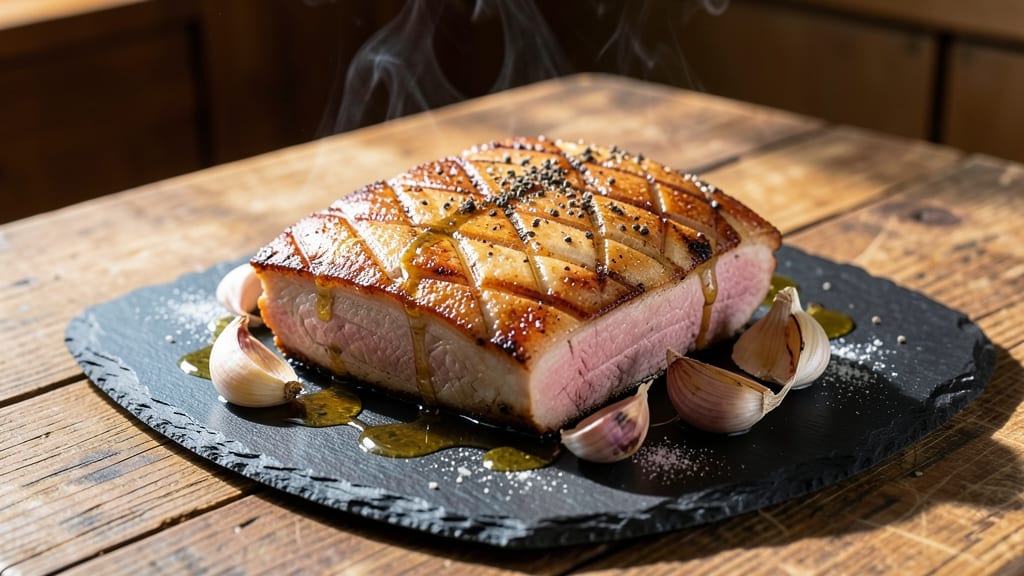
This air fryer pork belly recipe delivers the same restaurant-quality crispiness you'd get from hours of slow-cooking—just in 20 minutes.
Growing up in small-town Georgia, I learned pork transforms from tough to tender with the right technique, and this method preserves all that rich, fatty flavor while creating a shatteringly crisp exterior. The key lies in proper scoring and high-heat air frying to render fat without losing texture.
The process starts with thin, precise cuts that cook evenly, avoiding the greasy mess of traditional frying. A simple seasoning of salt and black pepper lets the pork's natural sweetness shine while the air fryer's circulating heat creates crosshatches of crispy brown.
This isn't just a shortcut—it's a technique I've perfected after years of working with 2,000 pounds of pork weekly at my Atlanta restaurant. The result? Bite-sized pieces with a crispy shell and melt-in-your-mouth interior that disappears in seconds.
What makes this recipe special is how it transforms a fatty cut into something light yet indulgent. The air fryer's precision ensures even cooking without deep-frying, while the scoring allows fat to render cleanly.
Serve these with braised greens or pickled vegetables to balance the richness—every bite delivers that perfect contrast of textures and flavors. This is pork belly the way it should be eaten: crispy outside, tender inside, and ready in a fraction of the time.
For those who want to take it further, I'll share my go-to braising technique for the greens—just enough acidity to cut through the pork's richness. The secret weapon?
A splash of apple cider vinegar and a sprinkle of smoked paprika. Let's get cooking—this is pork belly done right, with none of the fuss.
Ingredients for airfryer pork belly
Pork belly, salt, and air fryer magic—just four key ingredients for restaurant-style crispiness.
| Ingredient | Amount | Notes |
|---|---|---|
| Pork Belly 🥓 | 1 ½ lb | Thinly sliced, scored in diamond pattern |
| Kosher Salt 🧂 | 1 ½ tbsp | Diamond Crystal preferred, coarse grain |
| Freshly Ground Black Pepper 🌶️ | 1 tsp | Cracked peppercorns, not pre-ground |
| Cornstarch 🌾 | 2 tbsp | For extra crispiness, not flour |
| Extra-Virgin Olive Oil 🫒 | 1 tbsp | High smoke point, like avocado oil |
| Garlic Cloves 🧄 | 2 cloves | Minced, for braising greens (optional) |
| Apple Cider Vinegar 🍋 | 1 tbsp | For braising liquid, not white vinegar |
| Smoked Paprika 🌶️ | ½ tsp | For finishing braised greens |
| Baby Bok Choy 🥬 | 4 whole | Or sub baby spinach for braising |
| Water 💧 | ½ cup | For braising liquid, room temp |
| Fresh Thyme Leaves 🌿 | 2 tbsp | For braising, stems removed |
The pork belly is everything here. Look for thick-cut belly with good marbling—the fattier, the better. I always grab mine from Whole Foods or my local butcher shop, where they can cut it to 1/4-inch slices for even cooking. The scoring? Use a sharp knife to cut shallow diamonds—this helps render fat without losing texture. If you can't find pre-sliced, Costco's vacuum-sealed pork belly works great, just ask them to slice it thin. Freshness matters: if the meat smells sour or has gray spots, skip it. Also, pat it bone-dry before scoring—moisture is the enemy of crispiness.
No cornstarch? Arrowroot powder or rice flour works just as well—toss the pork slices with it after scoring. The olive oil is non-negotiable for high-heat air frying; avocado oil or grapeseed oil are better choices than regular olive oil since they have higher smoke points. For the braised greens, baby spinach or kale are great swaps for bok choy. The vinegar should be apple cider—white vinegar is too harsh and will overpower the pork's richness. If you're short on time, pre-minced garlic from a jar works (just rinse it first), but fresh is always better. And hey, if you don't have thyme, a bay leaf adds depth too.
This pork keeps for 3 days in the fridge, but honestly, it's best eaten fresh. For the braised greens, they'll hold in the fridge for 2 days—just reheat gently with a splash of water. The cornstarch coating? Toss it in a ziplock bag with the pork slices to keep it dry. Store the pork belly pieces in a single layer on a wire rack to prevent sticking. If you're making a big batch, freeze the scored slices before coating—just thaw and air fry straight from frozen (add 5 minutes). The greens freeze beautifully too, but they're better reheated gently rather than frozen solid.
Why You'll Love This Recipe
- Crispy in Minutes: I swear, the air fryer turns this fatty, flavorful pork belly into golden, shatteringly crispy bites in under 20 minutes—no oven preheating or waiting for a smoker to heat up. Just salt, coat in cornstarch, and let the magic happen.
- No-Brainer Prep: Honestly, the hardest part is slicing the pork belly into even pieces—no marinades, no basting, no fuss. A quick toss in olive oil, a sprinkle of pepper, and you’re done. My lazy Sundays just got an upgrade.
- Craving-Worthy Crunch: That contrast—crispy exterior, tender inside—is what makes this dish dangerous. The cornstarch gives it that satisfying snap, while the pork belly’s natural richness keeps it luscious. It’s the kind of food that disappears faster than you can say “seconds?”
- Budget-Friendly Luxury: Pork belly feels fancy, but it’s actually one of my go-to budget splurges—way cheaper than steak but just as impressive. A single slab feeds my whole family, and leftovers reheat beautifully for sandwiches or fried rice. Smart, satisfying, and secretly affordable.
Step-by-step instructions for crispy air fryer pork belly
Here's how to transform tender pork belly into irresistible, shatteringly crispy bites every time.
Prep the Pork Belly for Maximum Crisp
Start by scoring the 1.5 lb pork belly in a diamond pattern using a sharp knife. Cut through the fat layer only—about ¼-inch deep. This creates crispy edges while keeping the interior tender. Pat the scored belly completely dry with paper towels, pressing firmly to remove all moisture. Any remaining dampness will prevent proper browning.
In a small bowl, mix the 1.5 tbsp kosher salt and 1 tsp freshly ground black pepper. Rub this generously over the scored pork belly, pressing the seasoning into the cuts. Let it sit uncovered on a wire rack for 30 minutes at room temperature. This drying step is non-negotiable—it's what gives you that legendary crispy texture in the air fryer.
Coat with Cornstarch for Extra Crunch
Place the 2 tbsp cornstarch in a shallow dish. Lightly brush the pork belly with the 1 tbsp extra-virgin olive oil, then press it gently into the cornstarch mixture. This double-layer technique creates a perfect crispy crust that won't fall apart. Focus on coating the scored edges most thoroughly—these are where all the flavor and crunch will develop.
Arrange the pork belly pieces in a single layer in your air fryer basket, leaving space between them. If you're working with larger slices, cut them into 1-inch thick pieces for even cooking. The air needs to circulate freely to create that signature crispy exterior.
Air Fry to Golden Perfection
Preheat your air fryer to 375°F for 3 minutes with the basket empty. This ensures even cooking from the start. Add the pork belly pieces and air fry at 375°F for 12 minutes, then flip each piece and continue cooking for another 8-10 minutes until the exterior is deep golden brown and crispy to the touch.
Here's the key moment: when you press down gently on a piece and it springs back immediately, you know it's perfectly crispy. If any pieces aren't brown enough, return them to the air fryer for 2-3 minute increments until golden. The internal temperature should reach 145°F—use a meat thermometer to check the thickest part.
Braise the Baby Bok Choy (Optional Side)
While the pork belly rests, prepare the baby bok choy side. In a small saucepan, combine the 4 whole baby bok choy, 0.5 cup water, 1 tbsp apple cider vinegar, 2 cloves minced garlic, 2 tbsp fresh thyme leaves, and 0.5 tsp smoked paprika. Bring to a simmer over medium heat, then reduce to low and cover for 4-5 minutes until the greens are tender-crisp.
Uncover and cook for another 1-2 minutes to reduce the liquid slightly. The bok choy should be bright green with just a hint of wilt. Season with a pinch of salt if needed—this quick braise enhances their natural sweetness while complementing the rich pork belly.
Rest and Serve Immediately
Transfer the crispy pork belly to a cutting board and let it rest for 5 minutes before slicing. This brief rest allows the juices to redistribute, ensuring each bite remains succulent. Cut against the grain into ½-inch thick slices for maximum tenderness.
Serve the crispy pork belly immediately with the braised baby bok choy on the side. The contrast between the shatteringly crisp exterior and tender interior, paired with the bright, vinegary greens, makes this dish unforgettable. For extra flavor, drizzle with any accumulated juices from the air fryer basket.
Pro Tips For Making Airfryer Pork Belly
- Trim the Fat First: Pork belly’s fat is its flavor, but too much in one piece makes the air fryer work harder—and unevenly. Slice it into ½-inch thick slabs, then score the fat cap in a diamond pattern with a sharp knife. This lets the heat penetrate while keeping the crispy edges intact. (Yes, it takes 10 extra minutes, but your crisp won’t be sad.)
- Salt Like It’s 1923: I used to eyeball the salt, and my pork belly came out bland or soggy. Instead, slap on 1 tablespoon kosher salt per pound two hours ahead—no rinsing. Let it sit uncovered in the fridge while you prep. The salt draws out moisture, then reabsorbs it, giving you a crust that’s crispy without grease splatter. (Prove me wrong, but I’ve never had better.)
- Cornstarch > Flour: Flour’s your default, but cornstarch is the pork belly’s MVP. Mix 2 tablespoons per pound with a pinch of pepper, then toss the dried slabs in it twice—first lightly, then press it in firmly. The starch breaks down at high heat, creating a shatter-like crust that holds up to cutting. (I tried flour once. Regretted it immediately.)
- Two-Stage Heat Trick: Start at 375°F for 8 minutes—high enough to render fat fast but not so hot it burns before the crust forms. Then drop to 350°F for 12–15 minutes, flipping once. The lower temp finishes cooking without steaming the exterior. (Skipping this? You’ll get chewy pork with greasy bits. Not worth it.)
Wine and beer pairings for these flavors
Crispy Pork Style
For that classic Southeast BBQ vibe, pair your air-fried pork belly with a dry ruby red like Louisville Geyser—its bright acidity cuts through the fat beautifully.
I always reach for this wine when serving crispy pork because its 13.5% ABV stands up to the richness while keeping the palate fresh. The slight earthiness in the finish complements the pork's caramelized edges. 🍷
Malbec Magic
If you prefer reds with body, a Argentinian Malbec like Catena Zapata delivers rich dark fruit notes that mirror the pork's deep umami flavors. The wine's 14.5% ABV and velvety tannins create a luxurious pairing that feels like a restaurant experience.
I've found this works especially well when serving with the braised bok choy side—it balances all the textures beautifully.
Hoppy Beer Balance
For beer lovers, a Belgian-style witbier like Stella Artois provides the perfect crisp contrast. The 5.5% ABV and citrusy coriander notes refresh your palate after each bite of crispy pork. Alternatively, try a German Helles—its 5% ABV and clean malt profile won't overpower the dish.
I keep a six-pack of Stella on hand specifically for pork dishes because it cleanses the palate so effectively. 🍺
Light White Options
If you're serving this for lunch or prefer whites, a dry Riesling from the Mosel region offers bright acidity and mineral notes that complement the pork's richness. Look for Dr. Loosen Blue Slate—its 8% ABV and crisp finish make it an unexpected but excellent match.
The wine's slight sweetness balances the pork's saltiness without being cloying.
Cider Pairing
Don't overlook dry hard cider as a sophisticated alternative. A French cider like Domaine Dupont with its 6% ABV and apple-forward profile provides a refreshing contrast to the pork's richness.
The slight effervescence helps cut through the fat, making each bite feel lighter. I've found this pairing works particularly well with the vinegar-braised greens—it ties the whole meal together beautifully.
Nutrition facts
Frequently asked questions
Can I use thicker pork belly slices in the air fryer?
For best results, stick to ¼-inch thick slices—they cook evenly and develop that perfect crispy exterior. If your pork belly is thicker, slice it against the grain into ½-inch pieces before scoring. Thicker cuts may cook unevenly, leaving the center undercooked while the outside burns. The air fryer's limited space means pieces need room to breathe for even browning.
Why is my air-fried pork belly greasy instead of crispy?
Greasy results usually mean excess moisture wasn't removed. Always pat the pork belly completely dry after scoring and let it rest 30 minutes uncovered before cooking. The cornstarch coating needs a dry surface to adhere properly. Also, avoid overcrowding the air fryer basket—pieces should have space between them for proper air circulation. If needed, cook in batches.
Can I make this recipe with frozen pork belly?
Yes, but with adjustments! Thaw the pork belly completely in the refrigerator overnight, then proceed with the recipe as written. Never thaw at room temperature. For frozen slices, add 5 extra minutes to the air frying time and check for doneness at 145°F internal temperature. The cornstarch coating works best when applied to thawed meat for optimal crispiness.
What's the best way to reheat leftover crispy pork belly?
Reheat leftovers in a 350°F oven for 8-10 minutes on a wire rack to restore crispiness. Avoid microwaving—it makes the pork soggy. For extra crunch, broil for 2 minutes at the end of reheating. Store pieces in a single layer on a wire rack in the fridge for up to 3 days to maintain texture. The cornstarch coating helps preserve crispiness better than plain salt.
How can I make this recipe gluten-free?
Simply replace the cornstarch with arrowroot powder or rice flour for the coating. Both work equally well to create crispiness without gluten. The rest of the recipe remains unchanged—just ensure your other ingredients (like broth for braising) are also gluten-free. The scoring and drying steps remain critical for achieving that signature crispy texture regardless of the coating.