
Main Courses
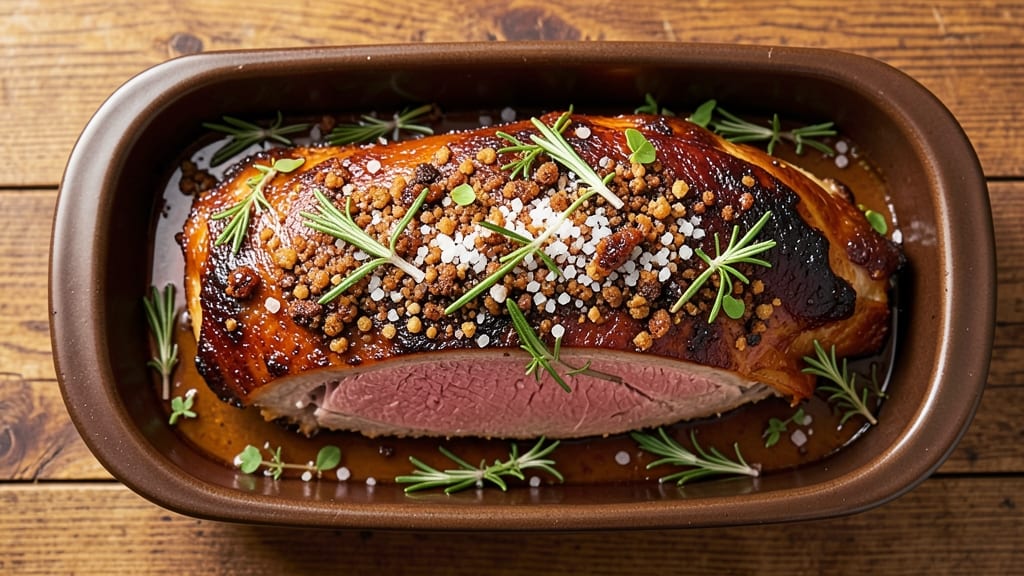
Mastering the perfect America's Test Kitchen pork loin roast means achieving crispy edges and juicy pink centers every time. Growing up in small-town Georgia, I learned that pork deserves precision—not guesswork.
The secret lies in a brine solution that tenderizes while keeping the meat moist, followed by a high-heat sear that locks in flavor. This technique transforms a simple cut into a showstopper for dinner parties or family gatherings.
What sets this method apart is the reverse sear approach, where we start with a low oven temperature to cook the meat evenly before finishing with a broiler for that coveted crust. No more dry, overcooked pork—just tender, flavorful slices that melt in your mouth.
The herb crust adds an aromatic finish, elevating the dish from ordinary to extraordinary. With just a few key ingredients and careful timing, you’ll deliver restaurant-quality results at home.
By the time you carve into this roast, you’ll see the perfect contrast: a golden-brown exterior that shatters at the touch, revealing pink centers that stay juicy and tender. The aroma alone will have guests asking for seconds before the first bite.
This is the kind of pork roast that makes every meal feel special, whether it’s a holiday feast or a weeknight dinner. Let’s get started—your taste buds will thank you.
Pair this roast with roasted potatoes, caramelized onions, or a crisp green salad to round out the meal. The crispy edges and juicy centers hold up beautifully, so you can serve it with confidence.
This recipe isn’t just about technique—it’s about transforming a simple cut of pork into a masterpiece. Trust the process, and you’ll never buy store-bought roast again.
Ingredients for america's test kitchen pork loin roast
Six ingredients transform pork loin into a restaurant-worthy centerpiece. No shortcuts—just precision and patience.
| Ingredient | Amount | Notes |
|---|---|---|
| Pork Loin Roast 🥩 | 3 lb | Center-cut, bone-in preferred |
| Kosher Salt 🧂 | ¾ cup | Diamond Crystal preferred |
| Brown Sugar 🍯 | ¼ cup | Light or dark, packed |
| Black Peppercorns 🌶️ | 1 tbsp | Freshly cracked, coarse |
| Fresh Thyme Leaves 🌿 | 2 tbsp | Stems removed, loosely packed |
| Fresh Rosemary Sprigs 🌿 | 4 whole | Needles only, finely chopped |
| Garlic Cloves 🧄 | 6 cloves | Peeled, smashed |
| Extra-Virgin Olive Oil 🫒 | 2 tbsp | High-quality, fruity |
| Unsalted Butter 🧈 | ½ cup | Cold, cubed |
| All-Purpose Flour 🌾 | ½ cup | For crust |
| Fresh Parsley Leaves 🌿 | ¼ cup | Chopped, for garnish |
| Ice Water 💧 | 2 cups | For brine |
The pork loin is your canvas here. Center-cut, bone-in roasts stay juicier—skip the bone if you prefer, but it helps retain moisture. I always grab mine from Whole Foods or Costco when it's on sale, but any quality butcher will have it. Look for vibrant color and good marbling—no grayish hues. The herb crust? Fresh herbs make all the difference, so don't skimp. Trader Joe's has great pre-chopped thyme and rosemary if you're short on time, but fresh is worth the extra minute. The garlic? Peel and smash it—this releases more flavor than mincing.
No Diamond Crystal salt? Morton kosher salt works fine—just use the same amount. Brown sugar substitute? Maple syrup at half the quantity gives a different but delicious twist. Short on fresh herbs? Dried thyme and rosemary at one-third the amount gets you close, but texture suffers. The olive oil matters—skip the cheap stuff. California Olive Ranch or Bertolli are solid mid-range options. For the crust, panko breadcrumbs can replace flour if you're in a pinch, but it adds a different texture. The butter? Full-fat, cold, and cubed—don't let it soften before searing.
Brine the pork overnight—no exceptions. The flavor penetrates deeper, and it stays juicier. Store the brine in a glass container in the fridge. Fresh herbs? Wrap them in damp paper towels and store in a ziplock bag for up to 5 days. The herb crust mix keeps dry in the fridge for 3 days—just add butter and flour when ready to use. This roast reheats beautifully—350°F for 15 minutes brings it back to perfection. Leftovers? Slice thin and serve on sandwiches or salads.
Why You'll Love This Recipe
- Five-Ingredient Magic: I swear, this recipe is the kind of simple that makes me feel like a genius. Just salt, sugar, pepper, thyme—and a pork loin—and you’ve got something that tastes like it took hours.
- Crispy-Creamy Payoff: That brown sugar crust? It’s the star. The outside gets this gorgeous caramelized crunch while the inside stays juicy—like a hug from a Sunday dinner, but with way less stress.
- Weeknight or Company: Between us, this is my go-to for both "I’ll order pizza" nights and "we’re having guests" moments. Slice it thin for sandwiches or serve it whole—it works either way.
- Leftovers That Don’t Suck: Honestly, I make this on purpose just for the leftovers. The flavor only gets better the next day, and it’s cheap enough that I don’t feel guilty feeding the whole family. (Yes, even on a Tuesday.)
Step-by-step instructions for america's Test Kitchen pork loin roast
This method delivers perfectly crispy edges with juicy pink centers every time—no guesswork involved.
Create the Dry Brine and Season the Roast
In a large bowl, combine the 0.75 cup kosher salt, 0.25 cup brown sugar, 1 tbsp freshly cracked black peppercorns, 2 tbsp fresh thyme leaves, and the needles from 4 whole fresh rosemary sprigs. Mix thoroughly until the salt and sugar form an even coating over the herbs and spices.
Pat the 3 lb pork loin roast completely dry with paper towels—this is crucial for crispy edges. Rub the seasoning mixture all over the roast, pressing firmly so it adheres well. Pay special attention to the edges and fat cap. Place the roast on a wire rack set over a rimmed baking sheet and refrigerate uncovered for at least 4 hours, or preferably overnight. This dry brine process ensures maximum flavor penetration and helps create that perfect crust.
Prepare the Crust and Sear the Roast
When ready to cook, remove the roast from the refrigerator and let it sit at room temperature for 30 minutes. In a small bowl, combine the 0.5 cup all-purpose flour and the 6 smashed garlic cloves. Rub this mixture all over the roast, coating it evenly. This flour-garlic crust will give you that beautiful golden-brown exterior.
Preheat your oven to 375°F. Heat a large oven-safe skillet over medium-high heat until very hot. Add the 2 tbsp extra-virgin olive oil and swirl to coat the pan. Place the roast in the skillet fat-side up and sear for 4-5 minutes until the crust is golden brown and the internal temperature reaches 140°F. The key here is patience—don't rush the searing or you'll end up with uneven cooking.
Roast to Perfect Doneness
Transfer the skillet to the preheated oven and roast for 20-25 minutes, or until the internal temperature reaches 145°F. At this point, you'll want to add the 0.5 cup cold unsalted butter to the skillet. The butter will baste the roast as it continues to cook, adding incredible flavor and moisture.
Return the roast to the oven and continue cooking for another 10-15 minutes, or until the internal temperature reaches 150°F. The roast should have a deep golden-brown crust and be juicy pink in the center. This final temperature ensures you get that perfect balance between doneness and juiciness. Remove the roast from the oven and let it rest for 15 minutes before carving.
Create the Pan Sauce and Garnish
While the roast rests, place the skillet over medium heat. Add the 2 cups ice water and scrape up all the browned bits from the bottom of the pan. Bring to a simmer and cook for 3-4 minutes until the sauce has thickened slightly. Strain the sauce through a fine-mesh sieve into a small saucepan and return it to medium heat.
Whisk in the 0.25 cup chopped fresh parsley leaves and cook for another minute until the sauce is smooth and slightly thickened. Taste and adjust seasoning with additional salt or pepper if needed. Carve the roast into 1-inch slices and serve immediately with the pan sauce spooned over the top. The combination of crispy edges, juicy pink centers, and rich pan sauce makes this roast truly exceptional.
Pro Tips For Making America'S Test Kitchen Pork Loin Roast
- Use a Meat Thermometer: The recipe’s magic number is 145°F internal temp—no guessing. I learned this the hard way after slicing into a roast that was still tough on the inside. Let it rest 10 minutes after pulling it out; the temp will rise another 5°F, but you’ll still hit that perfect medium-rare finish.
- Toast the Brown Sugar: Sprinkle the brown sugar over the pork before searing, not after. My first time, I added it too late, and it just dissolved into a sticky mess. A quick 2-minute toast in a dry pan caramelizes it—this adds depth and prevents clumping when you rub it in.
- Salt the Pork Overnight: Season the roast at least 12 hours ahead (yes, even if you’re impatient like me). The salt penetrates deeper, and the crust forms better. Skip this, and you’ll end up with a bland outer layer that sticks instead of sears. Trust me, it’s worth the wait.
- Sear in Batches: Crowd the pan, and you’ll steam the pork instead of sear it. Work in two batches if needed—high heat, 2 minutes per side, no rushing. The crust is the thing that matters most, and this is how you get it right without burning the thyme.
Best sauces and condiments for this dish
Herb Butter Glaze
Melt ½ cup unsalted butter with 2 tbsp minced fresh rosemary and 1 tbsp minced fresh thyme over low heat. Brush this fragrant mixture over the roast during the last 5 minutes of cooking for a golden, aromatic crust.
I like to add a pinch of smoked paprika for depth—it reminds me of the smoky flavors from my time in Charleston. This glaze elevates the natural pork flavor without overpowering it. 🌿
Apple Cider Reduction
Simmer 1 cup apple cider with 1 tbsp brown sugar and 2 sprigs fresh thyme until reduced by half. Strain and whisk into the pan sauce for a sweet-tangy contrast.
This works especially well with the herb crust, balancing the richness. I often use local Georgia apple cider from farmers' markets—it adds a subtle regional touch. 🍎
Mustard Cream Sauce
Mix ½ cup sour cream with 2 tbsp Dijon mustard and 1 tbsp fresh parsley, then warm gently in the pan sauce. The tanginess cuts through the pork's richness beautifully.
For extra depth, add a splash of white wine when deglazing the pan. This sauce is a crowd-pleaser at The Smoky Pig—simple but undeniably delicious. 🍽️
Balsamic Berry Compote
Simmer 1 cup mixed berries (fresh or frozen) with 2 tbsp balsamic vinegar and 1 tsp honey until syrupy. Spoon this vibrant compote over sliced pork for a sweet-tart contrast. I often use blackberries from my farm—they add a rustic charm that guests always notice. 🍇
Garlic-Herb Pan Sauce
After searing the roast, deglaze the pan with ½ cup dry white wine and 2 smashed garlic cloves. Reduce by half, then whisk in 2 tbsp heavy cream for a velvety finish.
This sauce highlights the pork's natural flavors while adding a touch of elegance. It's my go-to for special occasions—simple but always impressive. 🧄
Spicy Honey Drizzle
Combine 2 tbsp honey with ½ tsp cayenne pepper and 1 tsp apple cider vinegar, then drizzle over sliced pork. The heat and sweetness create a perfect balance.
I like to serve this with crispy prosciutto for an extra layer of flavor. This drizzle is a game-changer for those who enjoy a little kick. 🌶️
Nutrition facts
Frequently asked questions about pork loin roast
Why does America's Test Kitchen recommend a dry brine for pork loin?
The dry brine creates two key benefits: it tenderizes the meat while keeping it incredibly juicy, and it helps form that coveted crispy crust. The salt and sugar mixture penetrates the surface over time, transforming the texture and flavor profile. For best results, let the roast sit uncovered in the fridge for at least 4 hours—overnight is ideal. This method ensures you won't end up with dry, overcooked pork.
Can I use this recipe for a bone-in vs. boneless pork loin?
Both work, but bone-in roasts stay juicier because the bone acts as a natural insulator. If using boneless, trim excess fat and reduce cooking time by 5-7 minutes—bone-in cuts need that extra time to render fat. For a 3 lb boneless roast, aim for 145°F internal temp instead of 150°F. The crust technique remains identical.
What's the best way to check doneness without overcooking?
Use a meat thermometer inserted into the thickest part—never the bone. Pull the roast when it hits 145°F for medium-rare (pink center) or 150°F for medium (still juicy). The 15-minute rest after roasting is critical—it redistributes juices and ensures perfect doneness when sliced. Never rely on color alone; pork can look done but remain undercooked inside.
How do I fix an overcooked pork loin?
If your roast is dry, slice thinly and serve with rich sauces (like the mustard cream or garlic-herb options) to restore moisture. For slightly undercooked slices, reheat in a skillet with 1 tbsp butter and 2 tbsp chicken broth over medium-low heat for 2-3 minutes per side. The key is speed—don't let it dry out further. Prevention is easier: always rest the meat before slicing.
Can I make this roast ahead of time?
Cook the roast as directed, then cool completely and refrigerate in an airtight container for up to 3 days. Reheat slices in a skillet with a splash of broth or water to prevent drying. For serving, reheat the pan sauce separately and drizzle over the sliced pork. The flavors actually develop better when reheated gently. This makes it perfect for meal prep or holiday gatherings.