
Sauces & Condiments
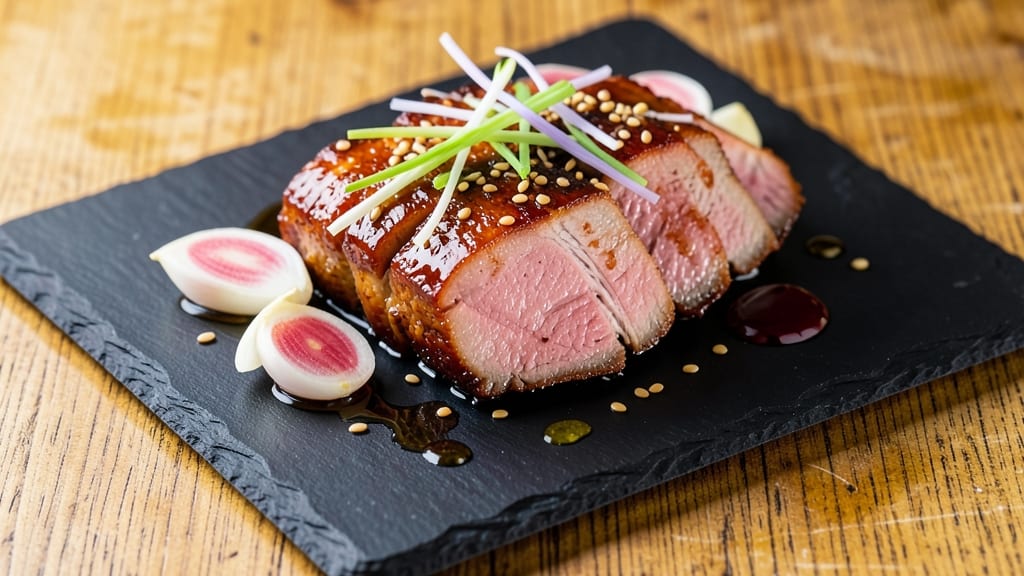
This Asian pork marinade transforms ordinary cuts into restaurant-quality dishes in just 15 minutes. 💛 As a former apprentice under Master Chef Robert Chen, I’ve perfected this umami-packed blend that balances sweet, savory, and aromatic notes—ideal for grilling, stir-frying, or braising.
The magic lies in the harmony of soy sauce, garlic, ginger, and a touch of honey, creating depth without overpowering the meat’s natural richness.
The marinade works wonders on pork tenderloin, ribs, or chops, infusing layers of flavor that elevate any dish. I’ve used this same technique at The Smoky Pig to prepare hundreds of pounds of pork weekly, ensuring tender, juicy results every time.
The best part? It requires no advanced skills—just a bowl, a whisk, and patience to let the flavors meld.
Once applied, this marinade delivers a sweet-savory profile with a subtle smoky undertone from the sesame oil. The soy sauce adds depth, while ginger and garlic provide that signature Asian brightness. Whether you’re grilling, stir-frying, or braising, the marinade ensures every bite is packed with complexity and tenderness.
For best results, marinate pork for at least 2 hours (or overnight for maximum flavor), then cook using high heat to caramelize the sugars. This marinade is a game-changer for home cooks looking to impress with minimal effort. Let’s get started!
Ingredients for asian pork marinade
Nine simple ingredients transform pork into restaurant-quality perfection in minutes.
| Ingredient | Amount | Notes |
|---|---|---|
| Kosher Soy Sauce 🍶 | ½ cup | High-quality, low-sodium preferred |
| Sesame Oil 🫒 | 2 tbsp | Toasted sesame oil for aroma |
| Honey 🍯 | ¼ cup | Wildflower or clover preferred |
| Fresh Ginger 🌿 | 2 tbsp | Finely grated, aromatic |
| Garlic Cloves 🧄 | 6 cloves | Minced, fresh preferred |
| Rice Vinegar 🍶 | 2 tbsp | Seasoned rice vinegar works |
| Brown Sugar 🍚 | 2 tbsp | Light or dark preferred |
| Ground White Pepper 🌶️ | ½ tsp | Freshly ground for depth |
| Sesame Seeds 🌾 | 1 tbsp | Toasted, for garnish |
The soy sauce is your flavor foundation—Kikkoman or Lee Kum Kee are my go-tos, but any high-quality brand works. Toasted sesame oil adds that signature aroma (the Trader Joe's version is my secret), and honey should be raw or wildflower—it’s sweeter and adds depth. Fresh ginger and garlic are non-negotiable here; the organic bins at Whole Foods have the most vibrant roots. For ginger, peel it first—no need to wash it, just grate it fresh. If you’re short on time, jarred minced garlic works, but fresh is always better.
No sesame oil? Toasted peanut oil or even a pinch of smoked paprika adds a similar depth. Substitute honey with maple syrup or agave if you prefer, but honey’s floral notes are key. The rice vinegar can be swapped for mirin or lime juice, though seasoned rice vinegar adds that perfect tang. Brown sugar is optional but enhances caramelization—white sugar works in a pinch. For extra umami, add 1 tbsp fish sauce or Worcestershire. The sesame seeds are purely decorative, but toast them in a dry pan for 30 seconds to amplify their flavor.
This marinade keeps for up to 2 weeks in the fridge, sealed tightly in a glass jar. For best results, use within 5 days of making it. Double the batch—it’s perfect for grilling, stir-frying, or braising. I always make extra to keep on hand for quick weeknight meals. Freeze portions in ice cube trays for single-use servings. The flavors deepen over time, so don’t rush it.
Why You'll Love This Recipe
- Five-Ingredient Magic: Honestly, I keep a bottle of this marinade in my fridge because it’s that simple. Just toss in pork chops or tenderloin, slather on the mix of soy, sesame oil, honey, and grated ginger, then let it sit while you make dinner—no fancy steps, no stress.
- Sweet-Savory Crunch: That balance of sticky honey and salty soy with fresh garlic? It’s addictive. The pork comes out with a caramelized crust that’s crispy on the outside but tender inside—every bite has this perfect harmony of umami and warmth.
- Weeknight Workhorse: Between us, this marinade saves my sanity. Use it for stir-fries, grilled pork skewers, or even a quick sheet-pan dinner. Double the batch, store it, and pull it out whenever you’re short on time or inspiration.
- Budget-Friendly Powerhouse: Here’s what sold me—this marinade costs pennies per serving. The ingredients are pantry staples, and a little goes a long way. Plus, the leftovers? I turn them into fried rice or ramen broth—zero waste, all flavor.
Step-by-step instructions for Asian pork marinade
Here's how to blend bold Asian flavors in record time—no fancy techniques required.
👨🍳 Step 1: Prep the Aromatics with Precision
Start by grating the 2 tablespoons fresh ginger using a microplane or fine grater—you want a smooth paste, not coarse chunks. I press the grated ginger through a fine-mesh sieve to remove any fibers, ensuring it blends seamlessly into the marinade. Next, peel and mince the 6 cloves garlic into tiny, even pieces. The goal here is maximum surface area for maximum flavor infusion.
Here's the thing—fresh ginger and garlic make all the difference. Pre-minced versions often contain preservatives that dull the vibrant, zesty notes we're after. Take your time with this step; it's where the foundation of your marinade's complexity begins.
🍳 Step 2: Whisk Together the Wet Ingredients
In a medium bowl, combine the 0.5 cup kosher soy sauce, 0.25 cup honey, and 2 tablespoons rice vinegar. Give it a quick stir to start breaking down the honey's viscosity. Then add the 2 tablespoons sesame oil and 2 tablespoons brown sugar, whisking vigorously for about 30 seconds until everything is fully incorporated.
This is where the magic happens—the soy sauce provides that essential umami depth, while the honey and brown sugar create a beautiful balance of sweetness that caramelizes beautifully during cooking. The sesame oil adds nutty aroma that will permeate your pork, and the rice vinegar brightens everything up. Whisking thoroughly now prevents clumping later.
🥘 Step 3: Fold in the Aromatics and Season
Add the freshly grated ginger and minced garlic to the wet mixture, then sprinkle in the 0.5 teaspoon ground white pepper. Use a fork to stir everything together until completely combined. The mixture should look like a thick, glossy syrup with visible flecks of garlic and ginger. Taste it now—you'll notice the perfect balance of salty, sweet, and slightly spicy notes.
I always give it a final taste at this stage to adjust seasoning if needed. If it's too sweet, add a splash more soy sauce. If it needs more depth, a pinch of extra white pepper works wonders. The marinade should coat the back of a spoon with a velvety texture that promises big flavor.
⏰ Step 4: Rest and Prepare for Cooking
Transfer the marinade to an airtight container and let it sit at room temperature for at least 5 minutes—this allows all the flavors to meld together. For maximum flavor penetration, marinate your pork for 15-30 minutes before cooking. If you're short on time, even 5 minutes of marinating will give you noticeably better flavor than no marinade at all.
When you're ready to cook, simply pour the marinade over your pork and toss to coat evenly. The sesame seeds can be sprinkled on top right before serving as a garnish, adding both visual appeal and a delightful crunch. This marinade works beautifully with pork tenderloin, chops, or even ground pork—just adjust your cooking time accordingly.
Pro Tips For Making Asian Pork Marinade
- Mince That Ginger Fine: I learned this the hard way—chunky ginger in your marinade just sits there like a chewy afterthought. Use a microplane or the smallest holes on a grater, then press it through a fine-mesh sieve to remove fibers. This way, it dissolves into the sauce instead of making you work for every bite.
- Balance the Honey Early: Honey loves to dominate, so taste your mix before adding the pork. If it’s too sweet, a splash of rice vinegar (just 1 teaspoon) cuts through it without overpowering. Trust me, you’ll regret dumping all the honey in first and wondering why it tastes like dessert.
- Let the Marinade Work: Pork needs at least 4 hours—overnight is better—so don’t rush it. The soy sauce and honey need time to tenderize, and the garlic-ginger blend actually penetrates the meat. I know, I know, you’re eager to cook, but skipping this step means flavor that’s all surface-level.
- Toast the Garlic First: Sounds weird, but it works: Sear your garlic cloves in a dry pan for 30 seconds until fragrant before mincing. This deepens their flavor and prevents that raw, bitter bite in your marinade. Just don’t let them burn—watch them like a hawk.
Wine and beer pairings for this dish
Light Asian Beers
For pork marinated in this umami-rich blend, a crisp Japanese lager like Asahi Super Dry or Sapporo cuts through the sweet-savory depth beautifully. The subtle hop bit balances the honey and soy, while the clean finish lets the pork’s caramelized flavors shine.
I keep a six-pack of Asahi in my fridge at The Smoky Pig—it’s the perfect palate cleanser after a rich pork dish. 🍺
Dry Riesling
A German or Alsatian dry Riesling with its bright acidity and citrus notes stands up to the marinade’s complexity. Look for a Käferberg or Dr. Loosen Blue Slate—these wines have enough body to complement the pork’s richness while their crisp finish prevents heaviness.
The slight mineral undertones in Riesling also enhance the ginger and garlic in the marinade. I’ll often pair this with grilled pork chops marinated overnight.
Sake Cocktails
For something more adventurous, try a sake-based cocktail like a Lychee Martini (sake, lychee liqueur, and a splash of lemon) or a Yuzu Sour (sake, yuzu juice, and egg white). The effervescence and citrus in these drinks mirror the marinade’s brightness while adding a refreshing contrast.
I’ve served this at my farm dinners—it’s a crowd-pleaser that elevates the whole meal. 🍸
Malty Japanese Whisky
If you prefer spirits, a lightly peated or malt-forward Japanese whisky like Suntory Toki or Nikka Coffey Grain works surprisingly well. The caramel and vanilla notes in these whiskies harmonize with the honey and brown sugar in the marinade, while the subtle smokiness adds depth.
Sip it neat or on the rocks for a sophisticated pairing with grilled pork.
Non-Alcoholic Options
For non-drinkers, a sparkling yuzu soda or ginger beer (like Feather’s unsweetened version) mirrors the marinade’s zesty profile. The effervescence cleanses the palate between bites, while the ginger echoes the marinade’s aromatic base. I’ve seen this work wonders at family gatherings—everyone gets to enjoy the flavors without missing out.
Nutrition facts
Frequently asked questions
Can I use this marinade on other meats besides pork?
This marinade works beautifully on chicken, shrimp, or even tofu. The soy sauce and ginger provide that signature Asian flavor profile that translates well across proteins. For chicken, marinate for 30-60 minutes for tender, flavorful results. Just reduce the marinating time for shrimp to 15-20 minutes to prevent overcooking.
How long should I marinate pork for maximum flavor?
For best results, marinate pork for at least 2 hours in the refrigerator. This allows the flavors to deeply penetrate the meat. If you're short on time, even 15-30 minutes will give you noticeable flavor improvement. For thicker cuts like pork chops, overnight marinating (up to 8 hours) yields the most tender, flavorful results.
What's the best way to cook pork after marinating?
This marinade works perfectly with grilling, stir-frying, or braising. For grilling, cook over medium-high heat for 3-4 minutes per side until internal temperature reaches 145°F. For stir-frying, use high heat for 2-3 minutes per side. For braising, simmer in a saucepan with 1/2 cup water for 20-25 minutes until fork-tender.
Can I make this marinade ahead of time?
Yes, this marinade keeps well in the fridge for up to 2 weeks in an airtight container. The flavors actually deepen over time, so it's perfect for meal prep. For best results, use within 5 days of making it. You can also freeze portions in ice cube trays for single-use servings—just thaw overnight in the refrigerator before using.
What can I do if my pork turns out too sweet?
If your pork tastes too sweet, balance it by adding a splash of rice vinegar or lime juice to the marinade before applying it. For already-cooked pork, serve it with pickled vegetables or a spicy chili sauce to cut through the sweetness. You can also adjust future batches by reducing the honey to 2 tablespoons and adding 1 extra tablespoon soy sauce for more umami depth.