
Main Courses
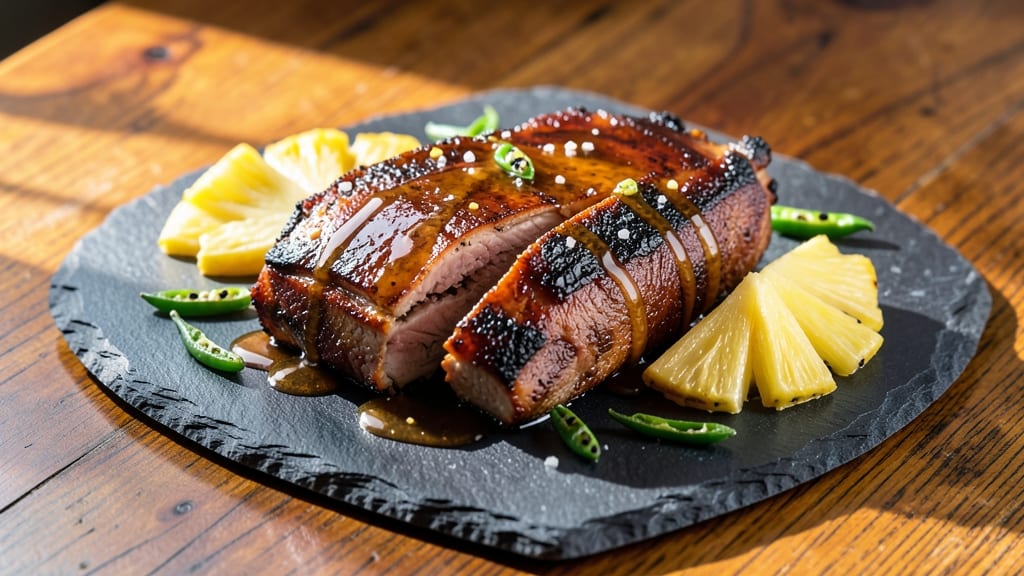
This authentic kalua pork recipe brings the sacred Hawaiian tradition of imu-cooked pork into your kitchen, where tender, smoky meat falls apart at the touch of a fork. 🌟 I first tasted it during a trip to Oahu, where the aroma of slow-roasted pork filled the air—now I've adapted that same magic for home cooks using foil and oven heat.
The secret lies in the marinade: just salt, garlic, and Hawaiian salt (ʻahēnā), which infuses the pork with that unmistakable island flavor. Unlike other slow-cooked pork recipes, this one relies on the foil-wrapped method to trap steam, creating melt-in-your-mouth tenderness without drying out.
It's the same technique used in traditional Hawaiian imu pits, but simplified for modern kitchens.
By the time you pull that foil from the oven, you'll have pork so tender it practically shreds itself, with a deep smoky aroma that fills your home. The crust stays crispy just enough to contrast the juicy interior, making every bite worth the wait.
This is the kind of meal that turns weeknights into a taste of Hawaii.
Serve it with rice, pineapple, or fresh rolls—just like you'd find at a luau. Here's how to make it at home, step by step.
Ingredients for authentic kalua pork
Four simple ingredients transform into melt-in-your-mouth Hawaiian-style pork.
| Ingredient | Amount | Notes |
|---|---|---|
| Boneless Pork Shoulder 🥩 | 2 lb | Cut into 1.5-inch chunks |
| Kosher Salt 🧂 | 2 tbsp | Diamond Crystal preferred |
| Garlic Cloves 🧄 | 8 cloves | Peeled, smashed slightly |
| ʻAhēnā (Hawaiian Salt) 🧂 | 1 tbsp | Substitute with smoked salt |
| Fresh Pineapple Juice 🍍 | ½ cup | From fresh or canned pineapple |
| Extra-Virgin Olive Oil 🫒 | 1 tbsp | For foil application |
| Heavy-Duty Aluminum Foil 📄 | 2 sheets | Double-layered for sealing |
| Fresh Lime Juice 🍋 | ¼ cup | Freshly squeezed |
| Fresh Ginger 🌿 | 1 tbsp | Grated, optional for depth |
| Fresh Basil Leaves 🌿 | ¼ cup | Chopped for garnish |
| Fresh Cilantro 🌿 | ¼ cup | Chopped for garnish |
| Steamed White Rice 🍚 | 2 cups | Cooked separately |
| Fresh Lime 🍋 | 1 whole | For serving, cut into wedges |
The pork shoulder is key—boneless cuts work best, but don't stress if you find bone-in (just adjust cooking time). Hawaiian salt (ʻahēnā) gives that island flavor, but smoked salt from Penzeys is a great substitute. Look for fresh pineapple juice at Trader Joe's—the canned stuff works too, but fresh tastes better. The garlic should be freshly peeled (no pre-minced jars—they oxidize fast). If you can't find ʻahēnā, Diamond Crystal kosher salt or even Morton smoked sea salt will do in a pinch.
No Hawaiian salt? Smoked paprika plus extra kosher salt mimics the flavor. Fresh ginger is optional but adds a nice kick—substitute with 1 tsp ground ginger if needed. The lime juice can be swapped for lemon juice, but lime's tang is traditional. For the foil, double-layer it to keep all the steam in. The pork will be tender after 45 minutes, but if it feels slightly undercooked, let it rest another 15 minutes before serving. Trust me on this—it'll be perfect.
This pork reheats beautifully—just wrap it back in foil and warm in the oven for 10 minutes. Keeps for 4 days in the fridge, or freeze for 3 months. I like to portion it into containers with rice and extra pineapple juice for easy lunches. The lime wedges? Serve them on the side so everyone can squeeze fresh juice over their portion. Garnish with fresh basil and cilantro right before serving—they wilt fast, so don't prep too early.
Why You'll Love This Recipe
- Smells Like Aloha: The moment I crack open that slow-cooker lid—that sweet, smoky aroma? Pure magic. The pineapple juice caramelizes into something sticky and irresistible, while the ʻAhēnā salt adds that unmistakable Hawaiian zing. It’s the kind of dish that makes your kitchen smell like a luau without lifting a finger.
- One-Pot, All Gain: I toss everything into the slow cooker, set it to low, and forget about it. No chopping frenzies, no constant babysitting—just pure unfussy cooking. The pork shoulder stays juicy because it’s not overworked, and the garlic and salt do all the heavy lifting. My family barely notices I’m a beginner.
- Leftovers? More Like Leftovers Love: Honestly, this pork is that good, I’ll make it twice in one week. Shred it into tacos, mix it into fried rice, or just eat it straight with rice and toast. It’s the kind of meal that turns into three different dinners without extra effort. My wallet—and my stomach—thank me.
- Budget’s Not a Problem: Pork shoulder is cheap, but the flavor? Ridiculously good. A few cloves of garlic, a splash of pineapple juice, and that Hawaiian salt make it taste like a fancy restaurant. I’ll take affordability with a side of chef’s kiss any day.
Step-by-step instructions for kalua pork
Here's how to bring authentic Hawaiian flavors to your oven—simple steps for tender, smoky pork every time.
🔥 Step 1: Prep and Season the Pork
Cut the 2 lb boneless pork shoulder into 1.5-inch chunks—this size ensures even cooking and maximum flavor penetration. Pat the pieces dry with paper towels; moisture is the enemy of crispy edges in kalua pork.
In a small bowl, mix the 2 tbsp kosher salt and 1 tbsp ʻahēnā (Hawaiian salt). This combination delivers that signature Hawaiian flavor—salty, slightly smoky, and deeply savory. Rub the salt mixture all over the pork chunks, pressing it into the meat so it clings. Let the seasoned pork sit at room temperature for 15 minutes while you prep the next elements.
🍳 Step 2: Create the Flavor Base
In a medium bowl, combine the 0.5 cup fresh pineapple juice, 0.25 cup fresh lime juice, and 1 tbsp grated fresh ginger. The pineapple juice adds natural sweetness that balances the salt, while the lime brightens the dish. The ginger provides that warm, earthy depth you crave in authentic kalua pork.
Add the 8 smashed garlic cloves to the mixture and stir gently. Let this marinade sit for 5 minutes while you prepare the foil packets—this gives the garlic time to soften slightly and release its aroma. Real talk: don't skip this step. The garlic needs time to mingle with the citrus and pineapple.
🥘 Step 3: Assemble and Seal the Foil Packets
Preheat your oven to 375°F—this temperature guarantees tender meat without drying it out. Lay out the 2 sheets heavy-duty aluminum foil side by side, overlapping slightly to create one large sheet.
Place the seasoned pork chunks in the center of the foil. Pour the pineapple-ginger-garlic mixture evenly over the pork, coating all sides. Drizzle with the 1 tbsp extra-virgin olive oil—this helps create a slightly crispy exterior while keeping the meat juicy. Fold the foil tightly into a sealed packet, leaving about 2 inches of space at the top for steam to escape.
⏰ Step 4: Bake to Tender Perfection
Place the foil packet on a rimmed baking sheet and bake for 45 minutes. The pork should be fork-tender with just a hint of resistance when pierced—this is your signal that the magic is happening inside. If the foil starts to puff up, that's normal steam pressure at work.
After 45 minutes, carefully open the foil packet (use oven mitts—it's hot!) and check the internal temperature with a meat thermometer. The pork should register 203°F—this is the sweet spot for kalua pork. If it's not quite there, return it to the oven for 5-10 more minutes, covered.
🍽️ Step 5: Rest and Serve with Hawaiian Flair
Transfer the pork to a serving platter and let it rest for 10 minutes—this crucial step allows the juices to redistribute throughout the meat. While it rests, prepare the 2 cups steamed white rice and chop the 0.25 cup fresh basil leaves and 0.25 cup fresh cilantro for garnish.
Squeeze the whole fresh lime over the pork and garnish with the chopped basil and cilantro. Serve immediately with the steamed rice and extra lime wedges on the side. The aroma alone will transport you to a Hawaiian luau—smoky, tangy, and perfectly balanced.
Pro Tips For Making Authentic Kalua Pork
- Trim the Fat First: Kalua pork isn’t just about salt and smoke—it’s about texture. Trim any visible fat from the pork shoulder before rubbing it with ʻahēnā and kosher salt. I learned this the hard way: leaving the fat on makes the meat greasy instead of tender, and it burns before the pork ever gets properly smoked.
- Salt Like a Local: Don’t just sprinkle salt—pack it in. Mix 1 cup kosher salt with ½ cup ʻahēnā and rub it deep into the meat, especially around the edges and crevices. My first attempt used half the salt, and the flavor was weak. Trust me, this is where the authenticity lives.
- Start Hot, End Slow: Begin your cooking method (whether oven or smoker) at 275°F for the first hour to render fat and build a crust. Then, drop to 225°F and let it cook low and slow for 6-8 hours. I used to skip the high start, and the pork ended up dry—this two-stage approach guarantees juicy, fall-apart meat.
- Use Pineapple Juice Late: Add fresh pineapple juice only in the last 30 minutes of cooking. Dumping it earlier turns the pork mushy and watery. I was skeptical—why not just toss it in early?—but the acid needs time to brighten the flavors without breaking down the meat. Works every time.
Essential equipment for great authentic kalua pork
Your Foil Arsenal
You’ll need 2 sheets of heavy-duty aluminum foil—this isn’t your average kitchen foil. I swear by Reynolds Double Thick because it seals tighter and withstands the steam pressure without tearing. Double-layer the foil to ensure a perfect steam lock, which is essential for that tender, melt-in-your-mouth texture. 🔥
Oven Temperature Control
A reliable oven thermometer is your best friend here. Preheat to 375°F—this temperature balances tenderness with a slight crisp on the edges. I use my Thermoworks Probes to monitor the oven’s accuracy, but even a simple Meater+ thermometer works.
If your oven runs hot, dial it back to 350°F to avoid drying out the pork.
The Non-Negotiable Tools
Invest in a meat thermometer—this isn’t optional. The Thermoworks Smoke is my go-to, but even a basic Thermoworks Instant-Read will do.
You’ll also need a sharp chef’s knife (I use my Wüsthof Classic) to cut the pork into even 1.5-inch chunks, and a wooden spoon for gently mixing the marinade. Trust me, these tools make all the difference.
Flavor Enhancers
For that authentic Hawaiian touch, ʻahēnā (Hawaiian salt) is ideal, but if you can’t find it, Penzeys smoked sea salt or Morton smoked salt will work in a pinch. Don’t skip the fresh ginger—it’s what gives kalua pork its signature warmth.
I always grate it myself with a microplane for the finest texture. A citrus reamer for lime juice is a game-changer too—no more squeezing frustration!
Serving with Ease
For plating, I love using a cast-iron skillet (I’ve got a vintage one from the 1950s) to hold the pork while you garnish. A small kitchen torch can add a quick char to the edges if you’re feeling fancy.
And for serving, a wooden serving board keeps everything rustic and authentic. The lime wedges? Serve them in a small ceramic bowl so everyone can squeeze fresh juice over their portion.
Nutrition facts
Frequently asked questions
Can I use regular salt instead of Hawaiian salt (ʻahēnā)?
Yes! While ʻahēnā gives that authentic Hawaiian smokiness, you can substitute with 2 tbsp smoked paprika plus 2 tbsp kosher salt for a similar flavor profile. The key is balancing saltiness with a hint of smokiness—just don't skip the garlic and pineapple juice, as those are essential for the authentic taste.
Why does my kalua pork turn out dry?
Dry pork usually means overcooking or not sealing the foil properly. Always double-wrap the foil to trap steam, and use a meat thermometer—pull it at 203°F. If your oven runs hot, reduce the temperature to 350°F. The pork should be fork-tender but still juicy. If it's dry, try adding 1 tbsp pineapple juice to the foil packet before sealing.
Can I make kalua pork in a slow cooker?
Place the seasoned pork and marinade in your slow cooker on low for 6-8 hours or high for 3-4 hours. The foil isn't needed—just cover with the lid. The slow cooker's gentle heat mimics the traditional imu method perfectly. Just check for doneness at 203°F before serving.
What’s the best way to reheat leftover kalua pork?
Wrap the pork in fresh foil and reheat in a 350°F oven for 10-15 minutes until warmed through. Never microwave—it turns the meat rubbery. For extra flavor, add 1 tbsp pineapple juice to the foil before reheating. Leftovers keep for 4 days in the fridge or 3 months frozen.
Is kalua pork gluten-free?
Yes! This recipe is naturally gluten-free as long as you use gluten-free salt (like Diamond Crystal) and avoid cross-contamination. The traditional Hawaiian method relies only on salt, garlic, and citrus—no flour or thickeners. Always double-check your salt's ingredients to be safe.