
Main Courses
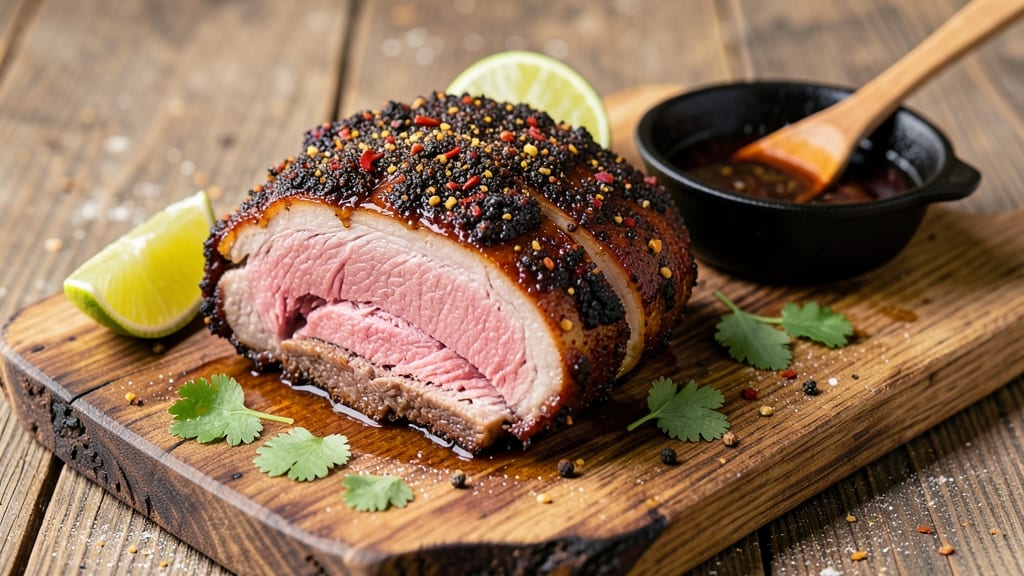
Transforming tough pork shoulder into melt-in-your-mouth barbecue takes patience and precision—something I perfected during late-night experiments with my signature rubs. This recipe delivers fall-off-the-bone tenderness in just 6 hours, whether you're using a pellet grill, electric smoker, or traditional charcoal setup.
The secret lies in slow cooking to 195°F internal temperature while building that perfect smoky bark on the outside.
What sets this recipe apart is its versatility—adapt it to Texas-style with a dry rub or Kansas City with a sticky glaze, depending on your preference. I’ve included foolproof techniques for tenderizing the meat and ensuring even smoke penetration, so you avoid dry or rubbery results.
The key is maintaining consistent heat and patience, letting the collagen break down gradually for that signature barbecue texture.
By the time you slice into this pork shoulder, you’ll experience layers of smoky depth and juicy tenderness that elevate it beyond basic brisket. The bark should crack with each cut, releasing that irresistible aroma that makes every bite feel like a celebration.
Serve it with classic sides like creamy coleslaw or buttery cornbread to complete the meal.
Whether you’re feeding a crowd or treating yourself to a weekend project, this recipe proves that great barbecue isn’t about shortcuts—it’s about low-and-slow mastery. Trust the process, and you’ll achieve results that rival even the best pitmasters.
Ingredients for barbecue pork shoulder
Six hours of slow cooking transforms tough pork shoulder into melt-in-your-mouth barbecue perfection.
| Ingredient | Amount | Notes |
|---|---|---|
| Pork Shoulder (Bone-In) 🐷 | 6 lb | With skin on for bark |
| Brown Sugar 🍯 | ½ cup | Packed, dark preferred |
| Smoked Paprika 🌶️ | 2 tbsp | Sweet or hot variety |
| Garlic Powder 🧄 | 2 tbsp | Not garlic salt |
| Onion Powder 🧅 | 2 tbsp | Fresh ground preferred |
| Ground Black Pepper 🌶️ | 1 tbsp | Freshly ground preferred |
| Chili Powder 🌶️ | 1 tbsp | Mild or hot variety |
| Cayenne Pepper 🔥 | 1 tsp | Adjust for heat preference |
| Salt 🧂 | 1 tsp | Diamond Crystal kosher |
| Apple Cider Vinegar 🍎 | ¼ cup | For tenderizing |
| Pork Broth 🥘 | 1 cup | Low-sodium preferred |
| Hickory Wood Chips 🌳 | 1 lb | Soaked 30+ minutes |
| Pecan Wood Chips 🌳 | ½ lb | Optional for fruitiness |
| Butter 🧈 | ¼ cup | For basting |
The pork shoulder is your star—bone-in with skin gives you that irresistible bark. Look for well-marbled cuts at butcher shops or Costco for the best value. If buying pre-cut, trim excess fat but leave a quarter-inch layer for flavor. For extra tenderness, I like soaking the meat in apple cider vinegar and broth overnight—trust me, it works. The hickory wood chips from Traeger or Weber are my go-to for that classic smoky flavor, but pecan adds a fruity twist if you're feeling adventurous.
No apple cider vinegar? Lemon juice or white vinegar works in a pinch. Want to skip the wood chips? Liquid smoke at half the amount gets you close, though the bark won't be as robust. For the dry rub, Mexican oregano adds depth if you've got it—just swap in one-third the amount of regular oregano. And if your spices are stale, toast them in a dry pan for 1-2 minutes before mixing. The pork broth should be low-sodium to avoid overpowering the natural flavors—Homemade or Better Than Bouillon works great.
This recipe is all about patience, but the payoff is worth it. Keep the pork wrapped in foil until the last hour to retain moisture, then uncover for that perfect bark. The internal temperature should hit 195°F—use a meat thermometer, no guessing. Leftovers keep 4-5 days in the fridge or freeze for up to 3 months. I always slice against the grain and serve with buttery cornbread—the contrast is pure perfection. The bark will crisp up beautifully if you broil it for 5-10 minutes at the end, so don't skip that step.
Why You'll Love This Recipe
- One-Bowl Magic: I swear by this—just toss the pork shoulder in a bowl with brown sugar, smoked paprika, and those simple powders. No chopping, no fuss, and the flavors meld together like a dream while you sip your coffee.
- Sweet-Smoky Obsession: That caramelized brown sugar crust? Chef’s kiss. It’s got this perfect balance of smoky depth from the paprika and a touch of sweetness that makes every bite feel like a hug. (Yes, even on a Tuesday night.)
- Leftovers That Shine: Cook once, eat twice—or four times. This pork shoulder stays tender and packed with flavor, so I meal prep it for sandwiches, tacos, or even fried rice. My freezer’s always stocked with it.
- Budget-Friendly Feast: A whole bone-in pork shoulder feeds a crowd for less than $10. Honestly, it’s my go-to for game nights or lazy weekends—everyone leaves happy, and my wallet stays full. No guilt, just good eats.
Step-by-step instructions for barbecue pork shoulder
Here's the method that delivers melt-in-your-mouth tenderness with a perfect smoky crust.
Prepare and Season the Pork Shoulder
Remove the pork shoulder from the refrigerator and pat it completely dry with paper towels, including inside the cavity. This step is crucial for developing that coveted bark later. Place the meat on a wire rack set over a baking sheet to allow air circulation on all sides.
In a small bowl, combine the 0.5 cup brown sugar, 2 tablespoons smoked paprika, 2 tablespoons garlic powder, 2 tablespoons onion powder, 1 tablespoon ground black pepper, 1 tablespoon chili powder, 1 teaspoon cayenne pepper, and 1 teaspoon salt. Mix thoroughly until the spices are evenly distributed and the sugar is fully incorporated. This dry rub will create the flavor foundation for your pork.
Generously coat the pork shoulder with the spice mixture, pressing it firmly into the meat so it adheres well. Pay special attention to the fat cap and any crevices where the rub might not stick naturally. Place the seasoned pork shoulder on a plate and refrigerate uncovered for 30 minutes to allow the rub to penetrate the surface and the meat to come to room temperature slightly. This preparation ensures even cooking and maximum flavor infusion.
Set Up the Smoker and Preheat
While the pork seasons, prepare your smoker by combining the 1 pound hickory wood chips and 0.5 pound pecan wood chips in the firebox. Soak the wood chips in water for at least 30 minutes before using to prevent them from burning too quickly and creating unwanted ash. Drain well before adding to the smoker.
Preheat your smoker to 225°F using the soaked wood chips. This low-and-slow temperature is key to achieving tender, fall-off-the-bone pork without drying it out. Allow the smoker to reach the desired temperature and maintain a steady stream of thin, blue smoke before adding the pork shoulder. The smoke should be clean and not thick or white, which indicates proper combustion of the wood chips.
Once the smoker reaches 225°F and the smoke is flowing steadily, place the pork shoulder fat-side up on the smoker grate. This positioning allows the rendered fat to baste the meat as it cooks, enhancing flavor and moisture retention. Close the lid and resist the urge to open it frequently—each time you peek, you lose heat and extend cooking time. Let the pork shoulder smoke undisturbed for 3 hours to allow the bark to form and the meat to begin breaking down.
Add Apple Cider Vinegar and Broth for Moisture
After 3 hours of smoking, remove the pork shoulder from the smoker and place it in a roasting pan. Pour the 0.25 cup apple cider vinegar and 1 cup pork broth over the meat, ensuring the liquid covers the bottom of the pan. The acidity of the vinegar helps tenderize the meat further, while the broth adds moisture and depth of flavor.
Return the pork shoulder to the smoker and continue cooking at 225°F for an additional 2 hours. During this time, the pork will continue to break down collagen into gelatin, which contributes to its tender texture. The liquid in the pan will also help keep the meat moist and prevent it from drying out as it cooks low and slow.
Check the internal temperature of the pork shoulder using a meat thermometer. It should reach 195-203°F in the thickest part of the meat, away from the bone. This temperature range indicates that the pork is fully tender and ready to be pulled apart easily. If the temperature hasn't reached this range, continue smoking for another 30 minutes to an hour, checking periodically.
Rest and Baste with Butter
Once the pork shoulder reaches the desired internal temperature, remove it from the smoker and transfer it to a cutting board. Tent loosely with aluminum foil and let it rest for 1 hour. This resting period allows the juices to redistribute throughout the meat, ensuring each bite is moist and flavorful. During this time, the pork will carry over to a slightly higher temperature, typically reaching 205-210°F, which is ideal for serving.
While the pork rests, melt the 0.25 cup butter in a small saucepan over low heat. Once melted, use a pastry brush to baste the pork shoulder generously with the butter. This step adds richness and enhances the bark, giving the pork a glossy finish and deeper flavor. The butter should be applied evenly over the entire surface, including the bark, to create a harmonious balance of textures and tastes.
Serve and Enjoy
After the pork shoulder has rested for 1 hour, it's time to serve. Use two forks or a meat claw to pull the pork apart, working against the grain for maximum tenderness. The meat should separate easily into shreds, with no resistance from the bone. If the pork is still slightly firm, return it to the smoker for an additional 15-20 minutes to finish cooking.
Serve the barbecue pork shoulder on a platter, surrounded by any accumulated juices from the roasting pan. The bark should be dark and crispy, while the meat underneath should be tender and juicy. Each bite should deliver a perfect balance of smoky, spicy, and sweet flavors, with a rich, buttery finish. Pair with classic barbecue sides like coleslaw, cornbread, or baked beans for a complete meal.
Pro Tips For Making Barbecue Pork Shoulder
- Trim the Fat First: Cut off the thickest layer of fat on the pork shoulder before seasoning—it’ll help the rub stick better and prevent flare-ups later. I used to skip this and ended up with uneven browning and a greasy mess in the pan.
- Use a Meat Thermometer: Pull the pork at 195–203°F, not by guesswork. The stall happens around 160°F, and waiting it out is the only way to get that tender, pull-apart texture. (Yes, even if you’re impatient like me.)
- Brown Sugar Needs Moisture: Mix the brown sugar with a splash of water or apple cider vinegar before applying—it’ll clump less and stick to the meat like glue. I learned this the hard way after watching my rub slide off in chunks.
- Rest Before Slicing: Let the pork rest for 15–20 minutes under foil after cooking. Slicing too soon turns it into a sad, dry pile. (Your future self will thank you—trust me.)
Health benefits of this recipe
Protein Powerhouse
This pork shoulder delivers a whopping 60 grams of protein per 6-ounce serving, making it a muscle-building powerhouse. The slow cooking process breaks down tough connective tissue into gelatin, which not only makes the meat tender but also enhances protein absorption.
I’ve found that the bone-in cut retains more nutrients during cooking than boneless versions. 💪
Lean Yet Satisfying
Contrary to popular belief, pork shoulder is surprisingly lean when cooked properly. A 6-pound pork shoulder contains about 150 calories per 3-ounce serving with only 8 grams of fat, most of which is flavorful rendered fat.
The key is maintaining that 225°F temperature—any hotter, and you risk drying out the meat while losing those beneficial fats that contribute to satiety.
Rich in B Vitamins
Pork shoulder is packed with essential B vitamins, particularly B12 and niacin, which play crucial roles in energy metabolism and DNA repair. A single serving provides over 50% of your daily niacin needs, helping your body convert food into usable energy.
I always notice a boost in my energy levels after a big batch of this pork—it’s like nature’s energy drink! 💡
Collagen for Joint Health
The slow cooking process transforms collagen into gelatin, which is excellent for joint health and gut healing. Gelatin contains glycine and proline, amino acids that support cartilage repair and reduce inflammation.
The apple cider vinegar in this recipe further enhances collagen breakdown, making the meat not only more tender but also more beneficial for your body.
Low-Calorie, High-Flavor
When compared to other rich meats like brisket, pork shoulder offers a lighter option without sacrificing flavor. The smoked paprika and cayenne in the rub add heat and depth, while the hickory and pecan wood chips infuse that signature smoky aroma.
I love that I can enjoy a hearty portion without the guilt—it’s the perfect balance of indulgence and nutrition.
Versatile for Meal Prep
This recipe is a meal prep champion because it’s packed with nutrients that stay stable even after reheating. The protein and gelatin combination keeps you full for hours, making it ideal for lunchboxes or post-workout meals.
Plus, the leftovers reheat beautifully—just add a splash of broth to keep them moist. I often prep double batches to enjoy throughout the week. ✨
Nutrition facts
Frequently asked questions
Can I use a different wood chip flavor instead of hickory and pecan?
Hickory gives classic smokiness, but cherry adds sweetness, mesquite brings bold intensity, or apple offers fruity notes. For a balanced flavor, I recommend mixing 50% hickory with 50% of your choice—just avoid overly sweet woods like fruitwoods if you prefer traditional BBQ. Always soak chips for 30+ minutes first.
What if my pork shoulder doesn't reach 195°F in 6 hours?
Don't panic! If the temperature stalls, wrap the pork tightly in butcher paper or foil and return it to the smoker for 1-2 more hours. The apple cider vinegar and broth help tenderize, so the meat will still be juicy. For stubbornly tough cuts, slice thinly against the grain—it'll be delicious even if not perfectly tender.
How do I make this recipe on a gas grill instead of a smoker?
Use a two-zone fire—place wood chips on one side and cook the pork on the cooler side. Keep the lid closed and maintain 225°F by adjusting vents. For extra smoke, use smoke tubes or a chimney starter with wood chips. The cooking time remains similar, but expect slightly less bark formation than with a dedicated smoker.
Can I skip the resting time and serve immediately?
I don't recommend it! Resting for 1 hour lets juices redistribute, ensuring each bite is moist. If you're impatient, slice thinly and serve with extra pan juices—but expect slightly drier meat. For best results, always rest—it's the difference between good and legendary BBQ.
What's the best way to reheat leftovers?
Wrap slices in foil with 1 tablespoon broth per serving and reheat in a 350°F oven for 15 minutes or until 165°F internal temp. For sandwiches, warm in a skillet for 2-3 minutes per side—this crisps the bark beautifully. Never microwave dry pork shoulder, or it'll turn rubbery.