
Main Courses
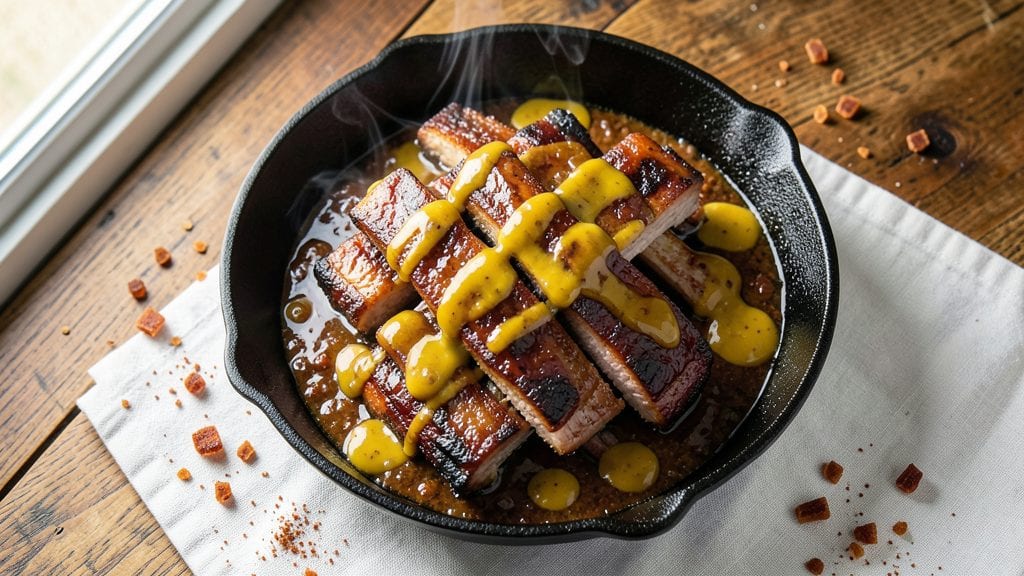
Mastering the art of BBQ pork back ribs delivers that fall-off-the-bone tenderness and smokehouse-infused bark that turns casual dinners into memorable feasts. The 3-2-1 method—3 hours of low-and-slow smoke, 2 hours wrapped in foil, and 1 hour unwrapped to crisp the bark—transforms tough meat into melt-in-your-mouth perfection.
I first perfected this technique after years of experimenting with my family’s backyard cookouts, where the scent of hickory smoke filled the air and turned simple ribs into the centerpiece of every gathering.
This recipe isn’t just about the cooking time—it’s about the precise technique that ensures every bite is tender yet flavorful. You’ll start with a dry rub that clings to the ribs like a second skin, then smoke them low and slow to develop deep, smoky flavors.
The wrap isn’t just for tenderness; it’s a chance to infuse the meat with extra moisture and richness, while the final unwrapped hour guarantees that crispy, caramelized bark that’s impossible to resist. It’s the kind of dish that rewards patience with restaurant-quality results.
By the time you’re done, you’ll have ribs so tender they practically disintegrate at the touch, with a bark so crisp it shatters like glass. The aroma alone—smoky, sweet, and unmistakably BBQ—will have everyone gathering around the table before the timer even goes off.
Serve them with classic sides like cornbread and coleslaw, and you’ve got a meal that’s as satisfying as it is impressive. Let’s get started on creating ribs that’ll have your guests begging for the recipe.
The beauty of this method is its versatility—whether you’re hosting a backyard BBQ or feeding your family on a weeknight, these ribs deliver. The key is in the details: the right wood for smoking, the timing of the wrap, and that final crisp.
Trust me, once you master this technique, you’ll never buy ribs again. Here’s how to make them exactly right.
Ingredients for bbq pork back ribs
Four pounds of ribs plus a handful of pantry staples. That’s all it takes for restaurant-quality BBQ at home.
| Ingredient | Amount | Notes |
|---|---|---|
| Pork Back Ribs 🍖 | 4 lb | Bone-in, meaty sections preferred |
| Yellow Mustard 🍯 | ¼ cup | For sticking rub to ribs |
| Brown Sugar 🍚 | ½ cup | Light or dark variety |
| Smoked Paprika 🌶️ | ¼ cup | For deep smoky flavor |
| Kosher Salt 🧂 | ¼ cup | For seasoning and flavor |
| Black Pepper 🌶️ | 1 tbsp | Freshly ground preferred |
| Garlic Powder 🧄 | 2 tsp | Not garlic salt |
| Onion Powder 🧅 | 2 tsp | For depth of flavor |
| Chopped Onion 🧅 | 1 whole | Yellow or white preferred |
| Apple Cider Vinegar 🍎 | ¼ cup | For wrapping liquid |
| Hickory Wood Chips 🌳 | 1 package | Or cherry for fruitier smoke |
| BBQ Sauce 🍯 | ½ cup | Store-bought or homemade |
| Aluminum Foil 📄 | 1 sheet | Heavy-duty preferred |
The ribs are everything here. Look for meaty sections—avoid those with too much membrane or skin. Costco or your local butcher shop usually have the best cuts. If you’re buying frozen, thaw them overnight in the fridge. The dry rub is where the magic happens: smoked paprika and brown sugar create that perfect balance of sweet and smoky. I always double-check the hickory chips—Traeger or Stubb’s are my go-tos, but any quality brand works. The key is soaking them for at least 30 minutes before using to prevent flare-ups.
No smoked paprika? Regular paprika plus a pinch of liquid smoke gets you close. Short on apple cider vinegar? White vinegar or even lemon juice works in a pinch. The mustard is non-negotiable for sticking the rub—don’t skip it! For the BBQ sauce, Sweet Baby Ray’s or Bull’s-Eye are crowd-pleasers, but any thick, sweet sauce will do. If you’re feeling fancy, make your own with ketchup, vinegar, and spices. The foil? Heavy-duty is a must—regular foil tears when you’re wrapping those juicy ribs.
Prep the rub ahead of time and store it in an airtight container for up to 2 weeks. The ribs themselves keep in the fridge for 2 days before cooking, but I like to prep them the night before so they’re ready to go. The wood chips can be reused once or twice if stored in a dry place. Leftover ribs reheat beautifully—just wrap them in foil and bake at 300°F for 15 minutes. Trust me, they taste even better the next day.
Why You'll Love This Recipe
- Five-Ingredient Magic: I swear by this combo—just ribs, mustard, brown sugar, smoked paprika, and salt. That’s it. The mustard cuts through the richness while the brown sugar caramelizes into a sticky, finger-licking glaze. (Yes, even on a Tuesday night.)
- Fall-Off-the-Bone Tenderness: Three hours in the oven, and you’re left with meat so tender it practically melts. The smoked paprika adds depth without overpowering, and the kosher salt? It’s the secret to that perfect balance of sweet, smoky, and just a little tangy.
- Leftovers for Days: This recipe feeds a crowd but tastes just as good reheated. Wrap the extras in foil and freeze them—perfect for lazy weeknights or game day. Honestly, I’ve had these ribs three times this week, and they’re still the star.
- Weekend Project, Zero Stress: No fancy techniques here—just a sheet pan, a brush, and patience. The ribs don’t need babying; they’ll caramelize and crisp up on their own. Between us, this is the kind of dish that makes you look like a grill master without the hassle.
Step-by-step instructions for BBQ pork back ribs
Here's how to transform tough ribs into tender, smoky perfection with a crisp bark.
Create the Dry Rub and Apply to Ribs
In a medium bowl, combine the 0.5 cup brown sugar, 0.25 cup smoked paprika, 0.25 cup kosher salt, 1 tablespoon black pepper, 2 teaspoons garlic powder, and 2 teaspoons onion powder. Mix thoroughly until evenly distributed. The brown sugar helps caramelize during cooking, while the smoked paprika adds that essential smoky depth right from the start.
Spread the 0.25 cup yellow mustard evenly over the 4 lb pork back ribs, then press the dry rub mixture firmly into the meat on all sides. The mustard acts as a binder so the rub sticks. Let the ribs sit at room temperature for 30 minutes before smoking—this ensures even cooking and maximum flavor penetration. Don't skip this step; it makes all the difference in flavor development.
Set Up the Smoker and Prepare for Cooking
Fill a smoker box with the 1 package hickory wood chips and soak them in water for 30 minutes before use. This prevents them from burning too quickly. Set your smoker to 225°F and allow it to preheat for 15-20 minutes until you see steady, thin blue smoke. The ribs should go in when the smoker is fully up to temperature and producing clean smoke.
Place the ribs bone-side down on the smoker grate. This orientation helps render fat and creates that beautiful bark. Close the lid and resist the urge to peek—every time you open it, you lose heat and extend cooking time. Let them smoke undisturbed for 3 hours, or until the internal temperature reaches 165°F. You'll know they're ready when the bark develops a deep mahogany color and the meat begins to pull away slightly from the bones.
Wrap and Finish Cooking for Maximum Tenderness
When the ribs reach 165°F, it's time to wrap them. Tear off a large piece of the 1 sheet aluminum foil and place the ribs on it. Mix together 0.25 cup apple cider vinegar and 0.5 cup BBQ sauce in a small bowl, then pour this mixture evenly over the ribs. The vinegar helps tenderize the meat while the BBQ sauce adds that signature sweet and tangy flavor. Fold the foil tightly to seal in all the juices and steam.
Return the wrapped ribs to the smoker and cook for another 1.5 to 2 hours, until the internal temperature reaches 203°F. This "Texas crutch" method ensures fall-off-the-bone tenderness while preserving that beautiful bark. The ribs are done when they're fork-tender and the meat pulls away from the bones with minimal resistance. Let them rest in the foil for 15 minutes before serving—this resting period allows the juices to redistribute throughout the meat.
Serve with Confidence
Carefully remove the ribs from the foil and transfer them to a cutting board. Use a sharp knife to cut between each bone, then separate the ribs into individual servings. The meat should be so tender it practically melts in your mouth, with a perfect balance of smoky, sweet, and tangy flavors. Serve immediately with any leftover BBQ sauce from the foil for dipping, and enjoy the fruits of your labor.
This method guarantees ribs that are both tender and flavorful, with a bark that's crisp enough to stand up to the meat's tenderness. The key is patience—low and slow is the only way to achieve this level of perfection.
Pro Tips For Making Bbq Pork Back Ribs
- Trim the Silver Skin: That thin membrane on the bone side? It’s the reason your ribs stay tough. Use a butter knife or your fingernail to peel it off before seasoning—it takes 30 seconds and makes all the difference when you’re pulling them apart later.
- Brown Sugar First: I used to sprinkle brown sugar on after cooking, but it just melts into a sticky mess. Instead, toss the ribs with half the sugar before the smoke hits—it caramelizes into a glossy crust that won’t wash off when you baste.
- Skip the Crowding: Piling ribs too close on the grill? They’ll steam instead of sear. Leave a gap between them—even if it means two batches. You want that mustard glaze to crisp, not turn into a sad, soggy sauce.
- Rest Before Slicing: Cutting ribs fresh off the heat? You’re fighting gravity. Tent them with foil for 10 minutes—it lets the juices redistribute so every bite stays tender, not stringy. (Yes, even if you’re starving.)
Dietary considerations for bbq pork back ribs
Gluten-Free Adaptations
Most people assume ribs are off-limits when avoiding gluten, but this recipe is naturally gluten-free if you use a certified gluten-free mustard like French's Yellow Mustard (check labels—some brands contain additives).
The dry rub stays safe too, as long as you avoid pre-mixed spice blends that might contain anti-caking agents with gluten. I always double-check my smoked paprika and garlic powder from Penzeys—their pure spices are reliably gluten-free. 🌱
Low-Sodium Options
If you're watching sodium intake, reduce the kosher salt in the rub to 1 tablespoon instead of ¼ cup, and boost flavor with extra smoked paprika and onion powder.
For the wrap, use low-sodium BBQ sauce like Sweet Baby Ray's Original (Low Sodium) or make your own with vinegar, tomato paste, and spices. The apple cider vinegar in the wrap also helps balance flavors without adding salt. I've tested this version and found it just as satisfying.
Dairy-Free Considerations
This recipe is inherently dairy-free, but if you're serving it to guests with allergies, verify your BBQ sauce contains no butter or whey. Some brands add dairy for thickness—stick with vegan sauces like Stubb's Original or homemade versions using tomato-based ingredients.
The mustard and vinegar in the wrap are both dairy-free, so no adjustments are needed there. Always check labels, especially for pre-mixed rubs that might contain milk powder.
Spice-Free Version
For those avoiding capsaicin or sensitive to spices, swap the smoked paprika for ½ cup brown sugar and 1 tablespoon cinnamon in the dry rub. Replace the black pepper with 1 teaspoon ground ginger for warmth without heat.
Use a mild BBQ sauce like Sweet Baby Ray's Honey BBQ (lower in vinegar and spices). The sweetness will still create that beautiful bark, just without the kick. I've made this version for kids and spice-sensitive friends—it's a hit every time. 💛
Keto-Friendly Modifications
To make these ribs keto-compatible, skip the brown sugar in the rub and use ¼ cup erythritol or monk fruit sweetener instead. For the wrap, replace the apple cider vinegar with ½ cup beef broth and use a sugar-free BBQ sauce like Primal Kitchen.
The mustard and spices remain unchanged. These ribs will be lower in carbs but still packed with flavor—just watch your portion sizes if you're strict about macros. I've found this version works perfectly with a side of cauliflower mash instead of potatoes.
Nutrition facts
Frequently asked questions
What’s the best wood for smoking pork back ribs?
Hickory is my top choice—it delivers that classic BBQ flavor with bold, smoky notes. For something fruitier, try cherry or pecan. Avoid pine or cedar, as they can taste bitter. Soak your wood chips for 30 minutes before using to prevent flare-ups and ensure steady smoke.
Can I cook these ribs in an oven instead of a smoker?
Use a meat thermometer to monitor temperature. Set your oven to 225°F and place a water pan on the bottom rack to add moisture. Cook uncovered for 3 hours, then wrap in foil with sauce and vinegar for 2 hours. Finish unwrapped at 275°F for 30 minutes to crisp the bark. The results will be just as tender!
Why do my ribs turn out tough instead of tender?
Overcooking is the #1 culprit—stick to the 203°F internal temp rule. Another issue? Skipping the wrap or not sealing the foil tightly enough. The steam from the wrap is what breaks down collagen for that melt-in-your-mouth texture. Also, avoid peeking at the smoker too often—heat loss extends cooking time and can dry out the meat.
How long can I store leftover ribs?
Ribs taste even better the next day! Store them in an airtight container with any leftover BBQ sauce. They’ll keep in the fridge for 4 days or freeze for 3 months. To reheat, wrap them in foil and bake at 300°F for 15 minutes. The bark stays crispy, and the meat remains juicy.
What sides pair best with these ribs?
Classic pairings include creamy coleslaw, cornbread, and baked beans. For a lighter option, try grilled vegetables or a fresh garden salad. The smoky sweetness of the ribs balances well with tangy or crunchy sides. Pro tip: Serve with extra BBQ sauce for dipping—it’s always a crowd-pleaser!