
Main Courses
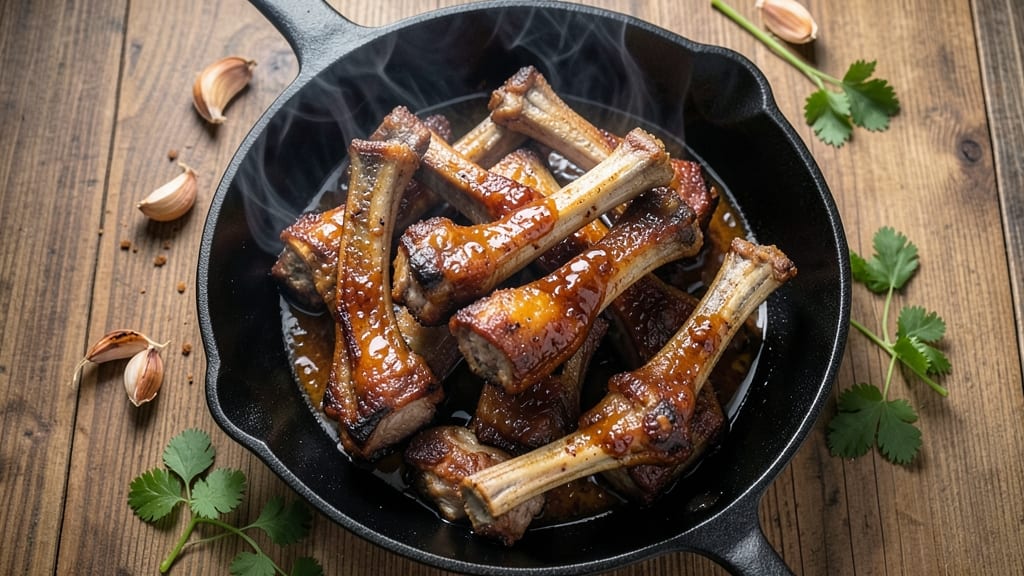
Transforming tough pork neck bones into fall-off-the-bone tenderness with a smoky crust is where BBQ truly shines—this recipe delivers restaurant-quality results at home. The key lies in low-and-slow cooking, where collagen-rich connective tissue breaks down into rich, jelly-like perfection while the exterior develops that coveted bark.
I perfected this method after years of experimenting with both smoker and oven techniques, and the difference between "good" and "exceptional" comes down to temperature control and patience.
What sets this recipe apart is the balance of traditional BBQ wisdom with modern shortcuts—no need for a dedicated smoker unless you have one.
A simple dry rub of brown sugar, smoked paprika, and garlic powder creates the foundation, while a final glaze of apple cider vinegar and molasses adds depth. The bones cook until they're so tender they practically dissolve when pierced, yet maintain just enough structure to hold up to serving.
This isn't just a dish; it's a centerpiece that commands attention at any gathering.
By the time you're done, you'll have meat so rich it needs no sides—though I still recommend serving with buttery cornbread and a crisp green salad to balance the richness.
The aroma alone will have everyone gathering in the kitchen, and the first bite delivers that perfect harmony of smoky, sweet, and savory flavors. This is BBQ done right: simple ingredients, precise technique, and results that taste like they've been simmering all day.
Whether you're using a smoker, oven, or slow cooker, the principles remain the same—just adjust your timing accordingly. The beauty of pork neck bones is their forgiving nature; even if you're not a seasoned pitmaster, this recipe will yield professional-quality results. Let's get started on creating something truly memorable.
Ingredients for bbq pork neck bones
Simple ingredients transform tough pork neck bones into smoky, fall-off-the-bone perfection—no fancy gear needed.
| Ingredient | Amount | Notes |
|---|---|---|
| Pork Neck Bones 🍖 | 4 lb | Fresh or frozen, with connective tissue intact |
| Brown Sugar 🍚 | ½ cup | Light or dark variety, packed |
| Smoked Paprika 🌶️ | 2 tbsp | High-quality, not sweet |
| Garlic Powder 🧄 | 1 tbsp | Freshly ground preferred |
| Kosher Salt 🧂 | 1 ½ tbsp | Diamond Crystal preferred |
| Black Peppercorns 🌶️ | 1 tsp | Freshly cracked |
| Apple Cider Vinegar 🍎 | ¼ cup | Unfiltered for depth |
| Molasses 🍯 | ¼ cup | Unsulphured preferred |
| Yellow Onion 🧅 | 1 whole | Yellow or red, sliced |
| Garlic Cloves 🧄 | 6 cloves | Peeled, smashed |
| Fresh Thyme Leaves 🌿 | ¼ cup | Or 1 tbsp dried |
| Olive Oil 🫒 | 2 tbsp | Extra-virgin for basting |
| Beef Broth 🍲 | 1 cup | Low-sodium preferred |
The pork neck bones are the star here, so look for fresh or high-quality frozen from a trusted butcher or Costco. The connective tissue makes all the difference—it breaks down into rich, jelly-like goodness. If you're buying frozen, thaw them overnight in the fridge. For the best bark, Walmart's Great Value or local butcher shops often have the best prices on these bones. Avoid pre-cut, skinless options—they lack that collagen-rich magic. Fresh bones should have a vibrant pinkish color and minimal odor; frozen should be rock-hard and properly packaged.
No smoked paprika? Substitute with a mix of sweet paprika and liquid smoke—start with 1 tbsp smoked paprika plus 1 tsp liquid smoke. Short on molasses? Maple syrup or honey work in a pinch, but molasses gives that deep, caramelized flavor. Fresh thyme is ideal, but dried thyme at one-third the amount gets you close. The beef broth can be swapped for water plus 1 tbsp soy sauce if you're out, though it won't be as rich. For the vinegar, white vinegar or even lemon juice will work, but apple cider adds that tangy complexity. If you're using a smoker, cherry or hickory wood chips add the best flavor—avoid pine, which can taste bitter.
Once cooked, these bones reheat beautifully—just warm with a splash of broth or water. Store leftovers in an airtight container for up to 5 days in the fridge, or freeze for up to 3 months for later use. The glaze keeps well too, so make extra if you're planning to use it on other meats. For serving, I like to shred the meat off the bones and serve it over cornbread, or just let guests pull the meat apart themselves—it's that good. The bones themselves make a fantastic broth base for future recipes, so save them if you're feeling ambitious.
Why You'll Love This Recipe
- Foolproof Prep: I swear by this recipe because it’s literally dump-and-bake. Toss the bones in a bowl with brown sugar, smoked paprika, and garlic powder—no fancy techniques, just a quick toss and a sheet pan. Even if you’re the kind of cook who burns toast, you’ll nail this.
- Sweet-Smoky Magic: That caramelized brown sugar crust? It’s the star. The smoked paprika adds this deep, earthy warmth, while the garlic powder lingers like a hug—rich, savory, and just a little sweet. Honestly, the first bite makes me want to skip dinner and just eat them straight from the pan.
- Budget-Friendly Bone Zone: Pork neck bones are the unsung hero of affordable protein—cheaper than chicken, meatier than ribs, and packed with flavor. A single bag feeds my family of four for two meals, and the ingredients cost less than takeout. (Yes, even on a Tuesday night.)
Step-by-step instructions for slow-smoked pork neck bones
Here's the method that transforms tough pork neck bones into fall-apart, smoky masterpieces.
Prepare the Bones for Maximum Flavor
Begin by patting the 4 lb pork neck bones completely dry with paper towels. This step is non-negotiable—moisture creates steam instead of crisp bark. Place them in a large bowl and make a dry rub using 0.5 cup brown sugar, 2 tbsp smoked paprika, 1 tbsp garlic powder, 1.5 tbsp kosher salt, and 1 tsp black peppercorns. I like to massage this mixture into the bones for about 2 minutes, ensuring every surface gets coated. This creates a flavorful crust that locks in moisture during the long cook.
Transfer the rubbed bones to a roasting pan and refrigerate uncovered for at least 1 hour (or up to 24 hours). This resting period allows the rub to penetrate the meat and develop deeper flavor. The longer it rests, the more complex the taste profile becomes—don't skip this step if you have time.
Build the Smoky Base in the Dutch Oven
Preheat your oven to 300°F. In a large Dutch oven, combine 1 whole yellow onion (sliced), 6 cloves garlic (smashed), 0.25 cup fresh thyme leaves, 2 tbsp olive oil, 0.25 cup apple cider vinegar, and 0.25 cup molasses. Bring this mixture to a simmer over medium heat for 5 minutes, allowing the aromatics to soften and release their flavors. This aromatic base will infuse the bones during the cooking process.
Add 1 cup beef broth to the Dutch oven and scrape up any browned bits from the bottom. This step captures all the concentrated flavor that would otherwise go to waste. The liquid should be enough to partially submerge the bones when added later—this ensures they cook gently in their own juices rather than drying out.
Slow Cook Until Fork-Tender
Carefully nestle the rubbed pork neck bones into the Dutch oven, arranging them in a single layer. The bones should be mostly submerged in the liquid—this helps prevent them from drying out during the long cook. Cover the Dutch oven tightly with a lid and transfer it to the preheated 300°F oven. Cook for 3 hours, then carefully flip the bones and add more broth if needed to maintain liquid level.
After 3 hours, remove the lid and increase the oven temperature to 325°F. This step helps develop that signature bark while allowing the connective tissue to break down completely. Continue cooking uncovered for another 2-3 hours until the bones are fork-tender and the meat pulls away easily from the bone. The cooking time may vary slightly depending on your oven, so use the fork test as your guide rather than strict timing.
Finish with Crispy Bark and Glaze
Once the bones are tender, remove them from the oven and transfer them to a baking sheet. Increase the oven temperature to 400°F and broil for 5-7 minutes until the exposed surfaces develop a deep golden-brown bark. Watch carefully—this step happens quickly and can burn if you're not attentive. The bark should be crispy to the touch with a glossy sheen from the caramelized sugars in the rub.
During the final broiling, spoon the reduced cooking liquid from the Dutch oven over the bones. This basting step adds extra flavor and helps create a sticky glaze that clings to the meat. The bones should have a beautiful contrast of crispy exterior and tender interior when finished.
Pro Tips For Making Bbq Pork Neck Bones
- Blister First, Then Braise: Start your pork neck bones in a screaming-hot skillet or grill—no oil needed—until every bone has deep brown, almost blackened spots. This isn’t about burning; it’s about locking in flavor before the long cook. I used to skip this, and the bones stayed bland no matter how long I braised them.
- Trim the Fat, Not the Bone: Scrape off the thickest layers of fat from the bones with a knife, but leave the thin membrane intact—it’s flavor. The fat renders out later, but too much means greasy, uneven cooking. My first batch turned into a soggy mess because I went overboard here.
- Salt in Layers, Not All at Once: Sprinkle kosher salt and smoked paprika directly onto the bones after blistering, then rub it in with your hands—don’t just toss them in a bowl. Re-salt halfway through cooking if you’re using a dry rub. I learned this when my bones tasted flat, even after hours of braising.
- Brown Sugar Early, Not Late: Mix the brown sugar into the braising liquid before adding the bones—it caramelizes faster and sticks to the meat. If you add it later, you’ll just end up with sticky, uneven glaze. Sounds picky, but it makes the difference between "good" and "restaurant-worthy."
Best sauces and condiments for bbq pork neck bones
Classic BBQ Sauce
For that authentic tangy-sweet balance, I reach for Sweet Baby Ray's Original BBQ Sauce—it's my go-to for its perfect blend of molasses and vinegar notes. Brush 2 tbsp onto the bones during the final 30 minutes of cooking, then broil to create a sticky, caramelized glaze.
If you prefer homemade, simmer ½ cup ketchup, ¼ cup apple cider vinegar, 2 tbsp molasses, and 1 tbsp smoked paprika for 10 minutes until thickened. 🍯
Spicy Chipotle Glaze
Add heat with a chipotle glaze made from ½ cup BBQ sauce, 1 tbsp adobo sauce (from canned chipotles), and 1 tsp brown sugar. Simmer for 5 minutes and brush over the bones in the last 20 minutes of cooking.
For extra smokiness, add ½ tsp liquid smoke. This glaze pairs perfectly with cool, creamy sides like avocado lime dip.
Honey Mustard Finish
For a tangy-sweet contrast, mix 3 tbsp Dijon mustard, 2 tbsp honey, and 1 tbsp apple cider vinegar. Brush this over the bones after the initial slow cook and broil until golden.
The mustard adds a sharp bite that cuts through the richness, while the honey caramelizes beautifully. 🍯
Smoky Maple Reduction
Reduce ½ cup pure maple syrup with 1 tbsp apple cider vinegar and ½ tsp smoked paprika until syrupy. Drizzle over the bones in the last 15 minutes of cooking for a deep, caramelized finish.
This works especially well if you're serving the bones with buttery cornbread or mashed sweet potatoes.
Bourbon Peach Glaze
For a boozy twist, simmer ½ cup peach jam, 2 tbsp bourbon, and 1 tbsp apple cider vinegar until thickened. Brush over the bones in the final 10 minutes of cooking.
The bourbon adds warmth, while the peach jam brings natural sweetness. Perfect for summer gatherings when you want a lighter, fruitier flavor profile. 🍑
Condiment Pairings
Serve with classic BBQ sides like pickles (for acidity) or coleslaw (for crunch). A dollop of sour cream or cool ranch dressing on the side balances the richness. For extra flair, sprinkle crushed red pepper flakes or fresh cilantro on top right before serving to add freshness and heat. 🌶️
Nutrition facts
Frequently asked questions
How do I know when pork neck bones are fully cooked?
Use the fork test—when the meat pulls away from the bone easily with minimal resistance, it's done. The bones should also feel tender when pressed gently. For visual confirmation, the exterior should have a deep golden-brown bark. Total cooking time typically ranges from 5-7 hours depending on your method (oven, smoker, or slow cooker).
Can I use pork neck bones with skin on?
Yes, but you'll need to remove the skin before cooking for even cooking and better flavor penetration. The skin can become rubbery and bitter if left on. Simply peel it off with a sharp knife or your fingers after thawing. For extra crispiness, you can crisp the skin separately in a hot pan with oil before serving as a garnish.
What's the best way to reheat leftover pork neck bones?
Reheat in a 350°F oven for 15-20 minutes with a splash of beef broth or apple cider to keep them moist. For quick reheating, use the microwave on 50% power for 1-2 minutes, then broil for 3-5 minutes to restore crispiness. Never reheat in the air fryer—it dries out the meat too quickly. Leftovers stay fresh for 5 days in the fridge.
Can I substitute pork neck bones with another cut?
While pork neck bones are ideal for their collagen-rich texture, you can use pork shoulder (butt) or pork spare ribs in a pinch. For ribs, increase cooking time by 1-2 hours to achieve similar tenderness. Avoid lean cuts like pork loin—they lack the connective tissue needed for this recipe's signature melt-in-your-mouth texture.
Why did my pork neck bones turn out dry?
This usually happens from one of three issues: overcooking, not enough liquid, or skipping the resting period. Always maintain a liquid level that partially submerges the bones, and never exceed 350°F for more than 1 hour at a time. The resting period (1-24 hours) is crucial for moisture retention—don't rush it! If they're slightly dry, try reheating with extra broth or serving with a sauce.