
Sauces & Condiments
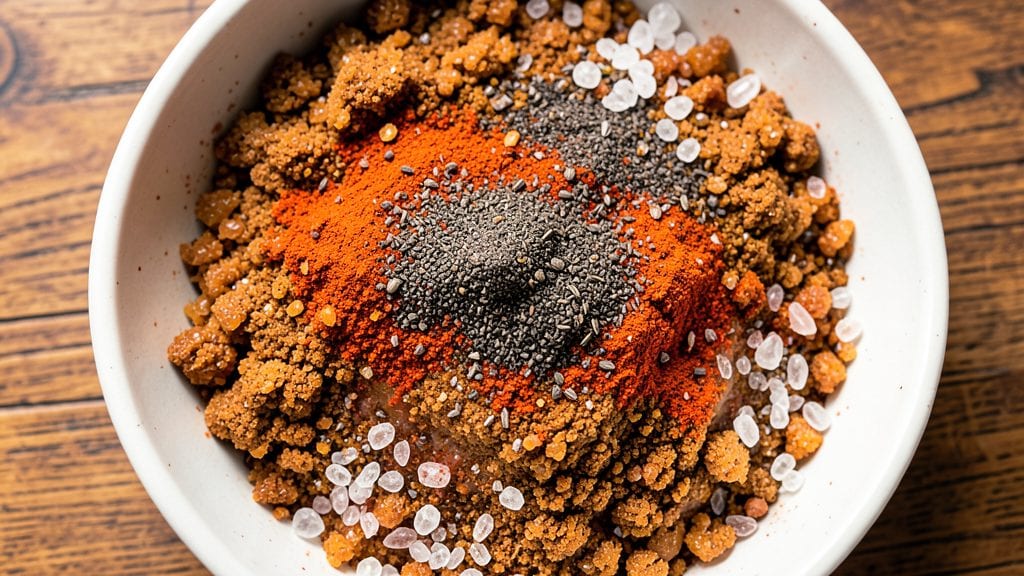
Creating Bobby Flay's signature pork rub transforms any cut of pork into crispy, juicy perfection—this smoky-sweet blend is what separates backyard BBQ from competition-level results. I've adapted Bobby's approach to create a foolproof dry rub that builds flavor through precise spice ratios and proper application techniques.
The key lies in balancing sweetness, heat, and smokiness to develop a bark that cracks open beautifully while keeping the meat tender inside.
This 5-ingredient seasoning mix uses pantry staples you likely already have, making it ideal for grilling, smoking, or roasting. The blend includes brown sugar for caramelization, smoked paprika for depth, and cayenne for subtle heat—all carefully measured to deliver consistent results.
I developed this version after years of judging BBQ competitions, where I noticed how even small variations in spice ratios could make or break a dish.
What makes this rub truly special is its versatility—it works equally well on pork shoulder for pulled pork, ribs for competition-style smoking, or even chops for quick weeknight grilling. The spices form a flavorful crust while the sugar creates a caramelized bark that's irresistibly crispy.
Store it in an airtight container for up to 3 months, or make a fresh batch whenever you're ready to cook.
For best results, apply generously to dry pork and let it sit for at least 30 minutes before cooking. This allows the spices to penetrate while preventing moisture loss during high-heat cooking.
Whether you're preparing for a backyard cookout or a serious BBQ competition, this rub delivers the crispy, juicy magic that makes pork the star of any meal.
Ingredients for bobby flay pork rub
Five pantry staples. One magical blend. Crispy, juicy pork in every bite.
| Ingredient | Amount | Notes |
|---|---|---|
| Light Brown Sugar 🍚 | ½ cup | Packed for proper measurement |
| Smoked Paprika 🌶️ | 2 tbsp | High-quality for smoky depth |
| Ground Black Pepper 🌶️ | 1 tbsp | Freshly ground for sharpness |
| Cayenne Pepper 🔥 | 1 tsp | Adjust for heat preference |
| Diamond Crystal Kosher Salt 🧂 | 1 tbsp | Fine grain for even distribution |
The brown sugar is non-negotiable—it's what creates that signature caramelized bark. Light brown sugar has more moisture than dark, making it ideal for sticking to pork without burning. I always grab the Domino brand from the bulk section at Walmart—it's consistent and affordable. For smoked paprika, Penzeys is my go-to, but the regular grocery store stuff works fine if it's fresh. Freshly ground black pepper makes all the difference—pre-ground loses potency fast. If you're using pre-ground, toast it in a dry pan for 30 seconds to wake up the flavors. Cayenne can be tricky; start with the full teaspoon and adjust to taste—you can always add more later.
No smoked paprika? Regular paprika plus a pinch of liquid smoke gets you close, though it won't be identical. Short on cayenne? Red pepper flakes at half the amount works, but the heat profile will differ. Using Diamond Crystal kosher salt is crucial—it's finer than table salt, so don't sub 1:1. Morton's is fine in a pinch, but the grain size varies. For a sweeter rub, add an extra tablespoon of brown sugar. For more heat, bump the cayenne to 1.5 teaspoons. This blend is designed to be versatile, so feel free to tweak it based on your pork cut—ribs need more sugar for that crackling bark, while chops can handle a slightly lighter hand.
Store this rub in an airtight container away from light and heat. It keeps for up to 6 months if sealed properly. I like to portion it into small jars so I can grab one whenever I'm ready to cook. For best results, apply the rub generously to dry pork and let it sit for at least 30 minutes before cooking. This allows the spices to penetrate and develop that irresistible crust. If you're prepping ahead, you can even refrigerate the rubbed pork overnight—just bring it to room temperature before cooking for even better results.
Why You'll Love This Recipe
- Five-Ingredient Magic: I swear by this combo—just toss those pantry staples in a bowl, mix, and go. No fancy tools, no measuring cups (I eyeball it), and honestly? It’s the kind of recipe where you’ll forget you’re even cooking.
- Smoky-Sweet Obsession: That light brown sugar caramelizes into something irresistible, while the smoked paprika and cayenne add a slow-building heat. Between us, the first bite makes you want to lick the bowl—no exaggeration.
- Tailgate or Taco Night: Slap this on ribs for a crowd, or mix it into ground pork for tacos. I’ve used it on chicken thighs, pulled pork, even roasted potatoes. It’s my secret weapon for turning simple proteins into something special.
- Leftovers That Don’t Suck: The rub keeps flavors deepening overnight, so the next day’s pork tastes even better. Plus, it’s cheap—you’re basically buying flavor by the spoonful, and a little goes a long way. My wallet thanks me every time.
Step-by-step instructions for Bobby Flay's pork rub recipe
Here's how to blend this smoky-sweet masterpiece that transforms plain pork into restaurant-quality perfection.
Measure Ingredients Precisely for Perfect Balance
Start by packing the 0.5 cup light brown sugar firmly into your measuring cup—this ensures proper density without air gaps. The sugar provides both sweetness and a caramelized crust when cooked. In a small bowl, combine the packed sugar with the 2 tablespoons smoked paprika, which delivers that signature smoky depth that sets this rub apart.
Next, add the 1 tablespoon ground black pepper and 1 teaspoon cayenne pepper. The black pepper brings sharp, earthy notes while the cayenne adds just enough heat to wake up your palate. Finally, sprinkle in the 1 tablespoon Diamond Crystal kosher salt—this fine grain distributes evenly for consistent flavor in every bite.
Whisk Until Uniform for Even Coating
Using a whisk or small fork, combine all ingredients in the bowl until you achieve a perfectly homogeneous blend. You're looking for a texture that's neither powdery nor clumpy—it should flow freely when you tap the bowl. This uniformity ensures every inch of your pork gets the same flavor treatment, whether you're using it on ribs, chops, or tenderloin.
I like to press the mixture through a fine-mesh sieve to break up any potential lumps, especially if I'm using pre-ground spices. This extra step guarantees a silky-smooth application that clings beautifully to the meat's surface. Store any unused rub in an airtight container for up to 3 months—it keeps wonderfully.
Apply Generously for Maximum Flavor Impact
Pat your pork dry completely before applying the rub—moisture prevents proper adhesion and creates steam instead of that coveted crispy bark. Using your hands, work the rub into the meat in a circular motion, pressing firmly so it penetrates the surface. For thick cuts like ribs or pork shoulder, focus on coating all sides and the cut edges where flavor concentrates during cooking.
For best results, let the rubbed pork rest at room temperature for 30 minutes before cooking. This allows the rub to penetrate slightly and develop a better crust. If you're working with delicate cuts like pork chops, you can reduce the resting time to 15 minutes to prevent over-softening, but don't skip this step entirely—it makes all the difference in final texture.
Cook to Achieve Crispy Exterior and Juicy Interior
When you're ready to cook, use high heat to develop that signature crust. For grilled pork chops, sear over direct heat for 3-4 minutes per side until you see deep golden-brown color and hear the satisfying sizzle. For oven-roasted pork tenderloin, bake at 400°F for 20-25 minutes, basting occasionally with the rendered juices to keep everything moist.
The rub works its magic during the final minutes of cooking when the sugars caramelize, creating that irresistible crust we all crave. For extra juiciness, let the meat rest for 5-10 minutes after cooking before slicing—this allows the juices to redistribute throughout the meat. The result? A perfect balance of crispy exterior and succulent interior that will have everyone asking for your recipe.
Serve Immediately for Peak Flavor Experience
Serve the pork while it's still warm to enjoy the full depth of flavors. The combination of smoky paprika, sweet caramelized sugar, and just enough heat from the cayenne creates a complex profile that works beautifully with classic sides like apple sauce, roasted sweet potatoes, or a simple green salad. The rub's versatility means you can use it on everything from pulled pork to pork belly—just adjust cooking times accordingly.
For leftovers, store in an airtight container and reheat gently in the oven to maintain that crispy texture. The rub's flavors actually improve slightly after resting, so don't be afraid to make extra—you'll want to use it again and again. This isn't just a seasoning; it's a flavor transformation that turns ordinary pork into something extraordinary.
Pro Tips For Making Bobby Flay Pork Rub
- Mix Dry First: Combine smoked paprika, black pepper, and cayenne in a bowl before adding salt and sugar—this prevents clumping. I learned this the hard way when my first batch turned into a sticky mess that wouldn’t stick to the pork.
- Use Coarse Salt: Diamond Crystal kosher salt is fluffy, but for Bobby Flay’s rub, pulse it in a food processor for 10 seconds—this breaks up the crystals and helps the rub cling better. (Yes, even if you’re impatient like me.)
- Pat Pork Until Shiny: Dry the pork thoroughly with paper towels before applying the rub—moisture = weak crust. My grandmother swore by this, and she was right: the difference between a good rub and a great one is how much you dry the meat first.
- Rest Before Cooking: Let the rubbed pork sit uncovered in the fridge for at least 30 minutes (or overnight if you’re planning ahead). This lets the salt penetrate deeper and the spices meld—skip this, and you’ll get a weaker flavor. (Your future self will thank you.)
Common mistakes when making this dish
Over-Salting the Rub
I've seen too many cooks double the salt because they think "more flavor equals better." But this rub is already perfectly balanced with 1 tablespoon kosher salt—that's enough to season a 4-pound pork shoulder without making it inedible.
Too much salt creates an unappetizing crust that can actually prevent proper caramelization. If you're unsure, taste the rub on a small piece of pork before applying it all—this gives you a chance to adjust without ruining your entire batch. 🧂
Skipping the Resting Time
The 30-minute rest before cooking is non-negotiable for developing that signature crust. I learned this the hard way when I rushed a batch of ribs straight to the smoker—what resulted was a patchy, uneven bark with some areas tasting bland.
The resting period lets the rub adhere properly and allows the meat's surface to dry slightly, which is crucial for that perfect caramelized crust. For delicate cuts like chops, even 15 minutes is better than nothing.
Using Pre-Ground Spices Without Refreshing
Pre-ground spices lose potency fast, especially black pepper and cayenne. If you're using store-bought ground spices that have been sitting in your pantry for months, they won't deliver the same impact. My trick? Toast them in a dry skillet for 30 seconds until fragrant.
This simple step reactivates the essential oils and makes a noticeable difference in flavor. For smoked paprika, always check the expiration date—old paprika tastes flat and smoky, not rich and complex.
Applying Rub to Wet Pork
Moisture is the enemy of proper rub adhesion. If you apply this rub to damp pork, you'll end up with a weak crust that steams off instead of caramelizing. Always pat your meat dry with paper towels before seasoning.
For extra insurance, let the pork sit uncovered in the fridge for 1-2 hours before applying the rub. This gives surface moisture time to evaporate while keeping the interior juicy. I do this routinely with my heritage pigs—it makes all the difference in final texture.
Cooking Too Slowly
This rub is designed to create a crispy bark through high-heat caramelization. Cooking pork too slowly at low temperatures (like 225°F for smoking) prevents the sugars from properly browning.
For best results, finish your pork over direct heat or high oven temps (400°F) during the last 15-20 minutes of cooking. This final sear is what develops that coveted crust.
I often use my Lodge cast iron skillet for the last few minutes to get that perfect sear on chops.
Ignoring the Rest After Cooking
Letting pork rest after cooking is one of the most overlooked steps in BBQ. If you slice into pork immediately after removing it from the heat, all those delicious juices will run out, leaving you with dry meat.
For pork chops, 5 minutes is enough, while larger cuts like ribs need 15-20 minutes. This resting period also lets the rub's flavors fully develop and meld together. Pro tip: Tent loosely with foil during resting to keep things warm without steaming.
Nutrition facts
Frequently asked questions
Can I use this rub on other meats besides pork?
While designed specifically for pork, this rub works beautifully on chicken thighs or turkey legs! The sweet-smoky balance translates well to poultry, though you may want to reduce the cayenne by half for milder heat. For beef brisket, swap the brown sugar for 1 tablespoon granulated sugar to prevent over-sweetness.
How long does the rub last in the fridge?
Store in an airtight container away from moisture for up to 6 months—the spices stay potent longer than you'd think. For maximum freshness, portion into small jars (about ¼ cup each) so you always have a fresh batch ready. The smoked paprika starts losing its depth after 3 months, so check for freshness before using.
What's the best way to remove excess rub before cooking?
For delicate cuts like pork chops, gently tap off loose rub before cooking to prevent burning. For ribs or shoulders, leave it on—it'll create that iconic bark! If you're concerned about stickiness, pat the meat with a paper towel after applying the rub to remove any clumps. The key is working the rub into the meat, not just coating the surface.
Can I make this rub without smoked paprika?
Yes! Mix 1.5 tablespoons regular paprika with ½ teaspoon liquid smoke for a close substitute. The flavor won't be identical, but it'll still deliver that smoky depth. For extra authenticity, toast the paprika in a dry pan for 1 minute before mixing to enhance its natural smokiness.
How much rub should I use per pound of meat?
Use about 1 tablespoon per pound of meat for ribs and shoulders. For chops or tenderloin, ½ tablespoon per pound is plenty—they cook faster and need less seasoning. The rub's sweetness concentrates during cooking, so less is often more for tender cuts. Always apply generously but avoid overloading.